Tooth Loss in Cats
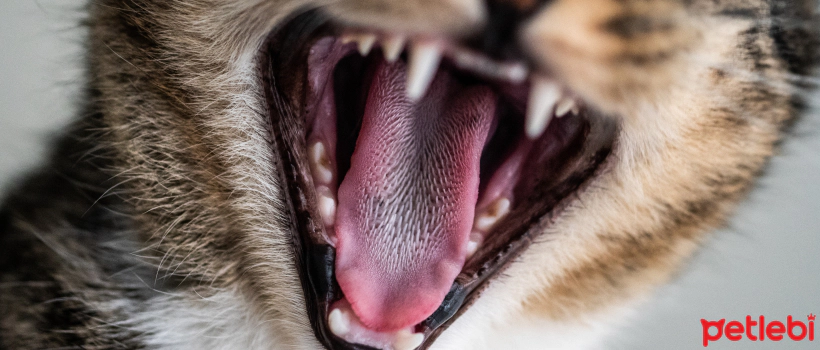
Adult cats are expected to have 30 adult teeth. However, tooth loss can occur due to reasons such as cats not being receptive to daily oral and dental care, genetic factors, and unhealthy diets. Tooth loss in cats can occur naturally in kittenhood, or it can occur in adulthood due to various reasons.
Advertisement
Adult cats are expected to have 30 adult teeth. However, tooth loss can occur due to reasons such as cats not being receptive to daily oral and dental care, genetic factors, and unhealthy diets. Tooth loss in cats can occur naturally in kittenhood, or it can occur in adulthood due to various reasons. Depending on when and how tooth loss occurs in cats, a veterinary examination may be necessary. In this article, you can find answers to your questions about tooth loss in kittens and adult cats.

Tooth Loss in Kittens
Cats, like humans, have two sets of teeth throughout their lives. These teeth are called kitten teeth and adult teeth. In kittens, milk teeth begin to erupt at 2-4 weeks of age. From the 6th week onwards, a kitten has 26 milk teeth in its mouth. These teeth are called incisors, canines, and premolars. A total of 26 teeth, 12 incisors, 4 canines, and 10 premolars, erupt during kittenhood. Tooth loss in kittens is usually not noticed. These teeth are usually lost during mealtimes or playtime. Because the teeth are very small and cats are quite reserved about showing their teeth, tooth loss is not easily noticed. Adult teeth erupt in kittens between 4 and 7 months of age. A kitten should have 30 adult teeth before reaching one year of age. Four permanent molars are added to the 26 baby teeth, resulting in 30 teeth in adulthood.
In kittens, tooth loss is considered normal when it comes to baby teeth. However, in some cases, just like in humans, retention of baby teeth occurs. Retention of baby teeth causes permanent teeth to erupt in abnormal positions, bite problems, tartar, plaque, or abscess formation. The affected baby tooth should be removed by a veterinarian.
Tooth Loss in Adult Cats
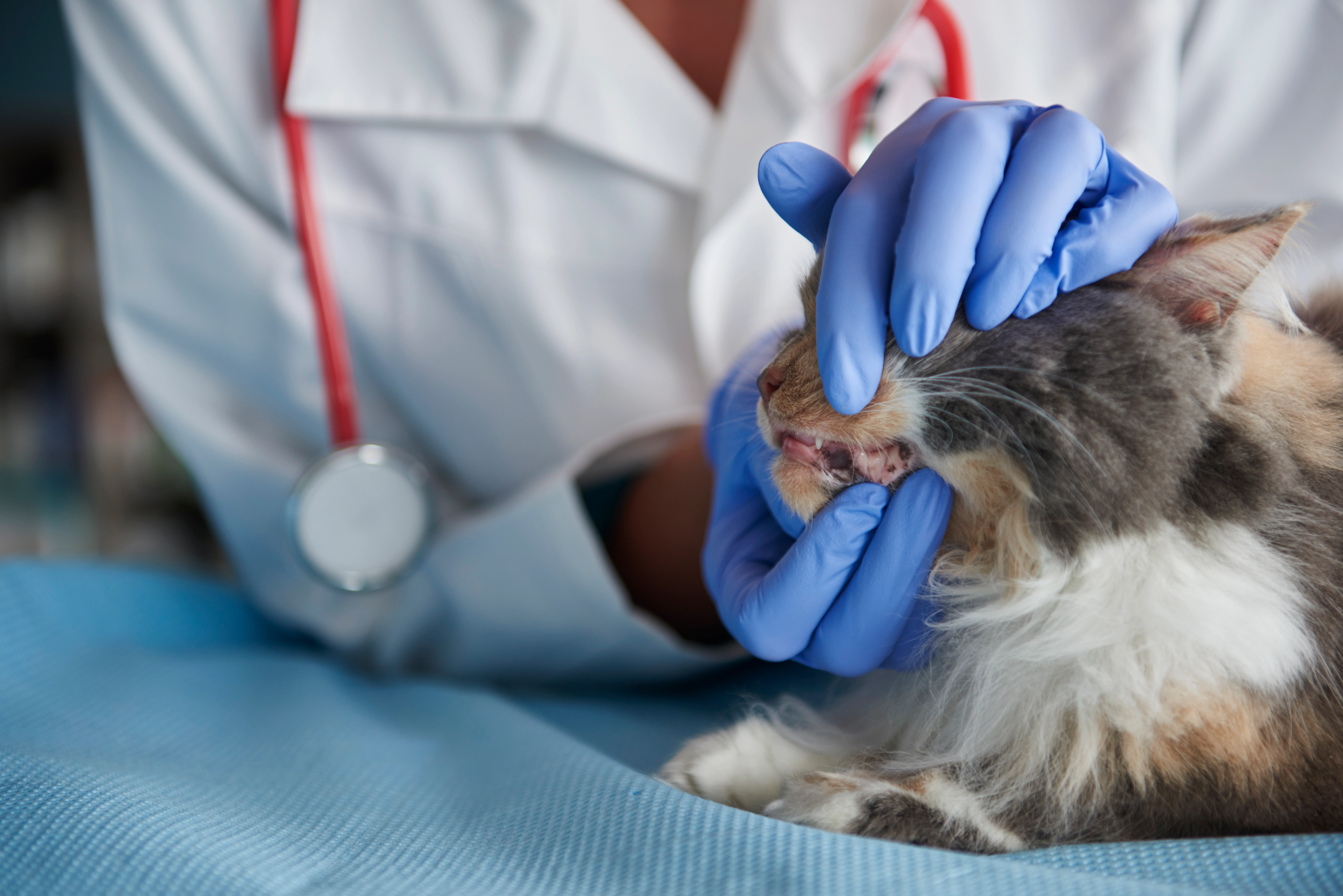
Tooth loss in adult cats is not normal, therefore, a veterinary examination is necessary as soon as tooth loss is noticed. Tooth loss in adult cats may be due to trauma, but this is rare. Tooth loss is most likely due to an oral and dental health problem. The most common dental problems in cats are gum disease and periodontal disease, which develops as a result of the progression of this disease. In the early stages of gum disease, plaque buildup occurs in the gums due to neglect of oral and dental hygiene. Plaque buildup leads to problems such as gum sensitivity and bleeding. If plaque buildup is not treated, these structures turn into tartar and progress deep into the pockets where the gums surround the teeth. This progression can lead to reduced tooth retention and ultimately tooth loss. Tartar buildup on the teeth causes problems such as infection and inflammation, leading to tooth loss. In adult cats, tooth loss leads to biting and feeding problems, so intervention is necessary as soon as tooth loss is noticed in cats. In the long term, it is very important to pay attention to oral and dental care to prevent feeding problems.
What are the Symptoms of Oral and Dental Health Problems in Cats? Oral and dental health problems in cats that cause tooth loss can be easily treated if diagnosed early. Tooth extraction may be necessary if a cat has any problems with its teeth. Oral and dental health problems in cats can manifest with symptoms such as: Bad breath, Excessive drooling, Decreased appetite, Red gums, Mouth lesions, Inability to close the mouth completely. It is usually understood that cats have a problem with their teeth because chewing is very painful, causing them to not eat dry food, or because of severe bad breath.
Oral and dental health problems that cause tooth loss in cats can be easily treated if diagnosed early. If cats have any problems with their teeth, tooth extraction may be necessary. Oral and dental health problems in cats;
- Bad breath,
- Normalden fazla salya,
- Decreased appetite,
- Red gums,
- Mouth lesions,
- Inability to close the mouth completely. It is usually understood that cats have a problem with their teeth because chewing is very painful, causing them to not eat dry food, or because of severe bad breath.
Preventive Dental Care in Cats
Studies have shown that if cats and dogs do not receive regular oral and dental care during adulthood, oral and dental health problems are commonly observed. It has been observed that 80% of cats and dogs who have not had any oral and dental health check-up or care until the age of 3 have oral and dental health problems. Oral and dental health, which is so common and ultimately leads to serious problems in the quality of life of cats, must be given attention. You can access care products you can use for oral and dental health in cats by clicking here.
Regular care is necessary to prevent problems such as tooth loss in cats. If plaque is observed on the cat's teeth during regular check-ups, specially formulated and shaped dry foods that will help clean the teeth can be preferred. Oral and dental care can be started for kittens as soon as their milk teeth come in. It is not easy to convince cats to brush their teeth. Therefore, it is necessary to use oral and dental health products specifically formulated for them. Toothpastes used by humans are absolutely harmful to cats. These toothpastes should definitely be avoided because the foaming agents create a structure that cats cannot spit out. Brushing a cat's teeth can be made a habit in a few stages. First, it is necessary to get the cat used to having something in its mouth. A finger dipped in wet food or treats can be run over the teeth. Afterwards, the cat is accustomed to the process with gauze and a toothbrush. You can find liquid treats that cats enjoy and that you can use while establishing a brushing routine by clicking here. Using toothpastes with flavors that cats like during brushing helps turn brushing into an enjoyable game. By performing oral and dental care twice a week, you can reduce the risk of common oral and dental health problems in cats. Do Cats Understand What We Say?
Using toothpastes with flavors that cats like during brushing helps turn brushing into an enjoyable game. By performing oral and dental care twice a week, you can reduce the risk of common oral and dental health problems in cats. Do
Advertisement
Advertisement
Keep exploring
Continue reading

Cat Lifestyle & Guides
What is Cat Soup? Is it Beneficial for Cats?
If your cat rarely visits its water bowl, is sometimes reluctant to eat dry food, or shows interest in different textures, liquid products may catch…
Read guide →
Cat Lifestyle & Guides
How to Give Rewards and Snacks to a Neutered Kitten?
The Feline Veterinary Medical Association supports neutering kittens until they are five months old.
Read guide →
Cat Lifestyle & Guides
Benefits of Colostrum for Cats and Dogs
Colostrum is the first milk produced by mother cats and dogs after birth. Thanks to its antibodies and high nutrient content, it responds to the…
Read guide →
Cat Lifestyle & Guides
Why is Gut Health Important in Cats?
In cats, bowel health is linked to many areas, from digestive regularity and immune system-related processes to energy levels and daily comfort.
Read guide →