What are the Benefits of Keeping a Cat at Home for Children?
Cats, with their captivating cuteness, noble demeanor, and free spirit, add so much beauty to our lives as both pets and companions. This is also true when it comes to living with children.

Advertisement
Cats, with their captivating cuteness, noble demeanor, and free spirit, add so much beauty to our lives as both pets and companions. This is also true when it comes to living with children. However, as responsible parents and pet owners, doing the necessary research beforehand is extremely important for both your children and the cat you will bring home. You can find more details on the benefits of keeping a cat at home for children in the rest of our article.
Experts generally recommend waiting until children are 6 years old before bringing a new pet home. Children who haven't yet fully learned self-control may harm cats, and as a result, cats may react in ways that could harm them. You can also learn which cat breeds are the most docile in our article "What are the Docile Cat Breeds?". If you already have a cat at home and are expecting a child, you should also ensure that the interaction between them is developed in a controlled manner. You can find more information on this topic in our content titled "How Should the Relationship Between Cats and Babies Be Established?".
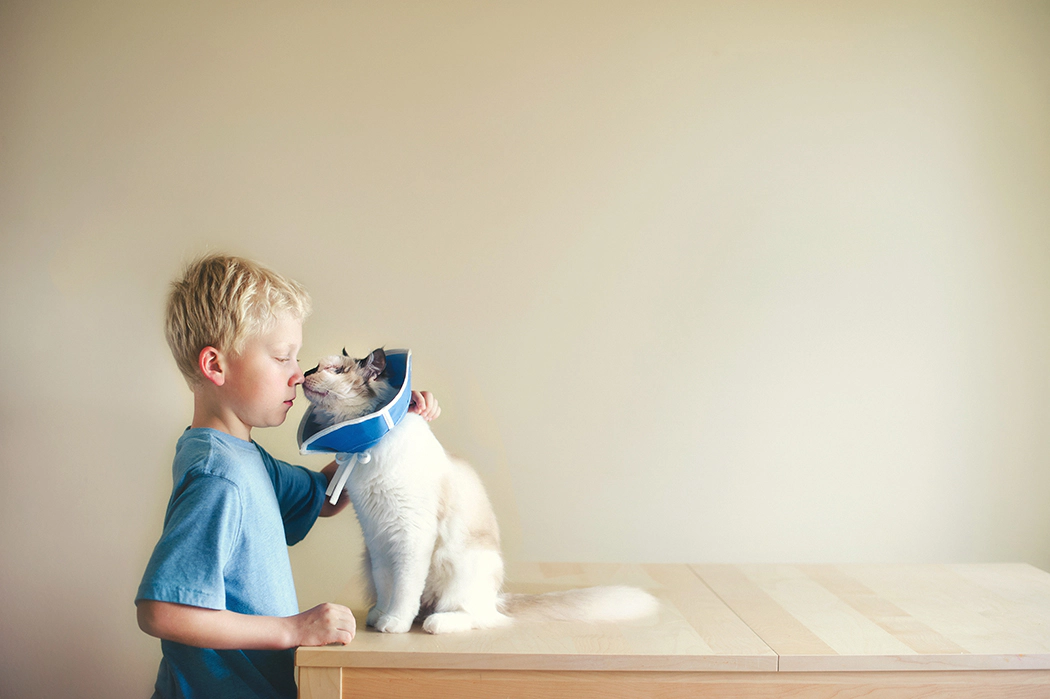
Empathy Development and Responsibility
One of the first benefits of keeping a cat at home is its contribution to the development of empathy in children. Valuing and loving an animal can affect the supramarginal gyrus, a region in the brain that plays a role in our interactions with others. It is believed that one of the main factors contributing to children becoming more empathetic is this effect.
An energetic and playful cat is a good companion for your child. A child who bonds with a cat can better understand social concepts like friendship in their later life. Furthermore, taking responsibility for the cat, or sharing that responsibility with you, requires them to put themselves in the cat's shoes. They will learn to understand the cat's physical needs such as hunger and cold, and its psychological needs such as fear, anxiety, and boredom; they will try to help the cat in the face of negative situations.
Taking responsibility for cats is also beneficial for instilling a sense of responsibility in children. Checking and changing the cat's food and water bowls when necessary, brushing its fur, playing with it carefully, and even training it can teach children the importance of fulfilling their responsibilities, helping them develop good habits for later life. However, your child's interaction with the cat can help the cat respect them and see them as a leader, thus helping your child develop leadership skills. You can browse various toys that will help your children play with cats more safely by clicking here.

Emotional Bonding and Self-Confidence
Pets are friends with whom children form emotional bonds and share their love. They can talk to them, play games, cuddle, and spend a large part of the day together. A child who shares a cat's affection also learns how to express their love for it. Moreover, they do this freely, without being subjected to the judgments of the other party. In this way, the child's self-confidence is built, and they learn to form emotional bonds and do so in the right way. Stress Reduction and Relaxation According to research, keeping cats is a factor that reduces stress in people. Taking care of cats, petting and loving them, and playing with them can become a source of relaxation for both you and your child. Moreover, research has shown that cats understand people's stress levels from their expressions. In fact, some cats can come to us and show us affection when we are stressed. The reason cats reduce stress and relax us is that they help lower the level of cortisol, a stress hormone. You can find more about the benefits of cats for human health, such as stress reduction and immune system support, in our article titled "What Are the Benefits of Cats for Human Health?".
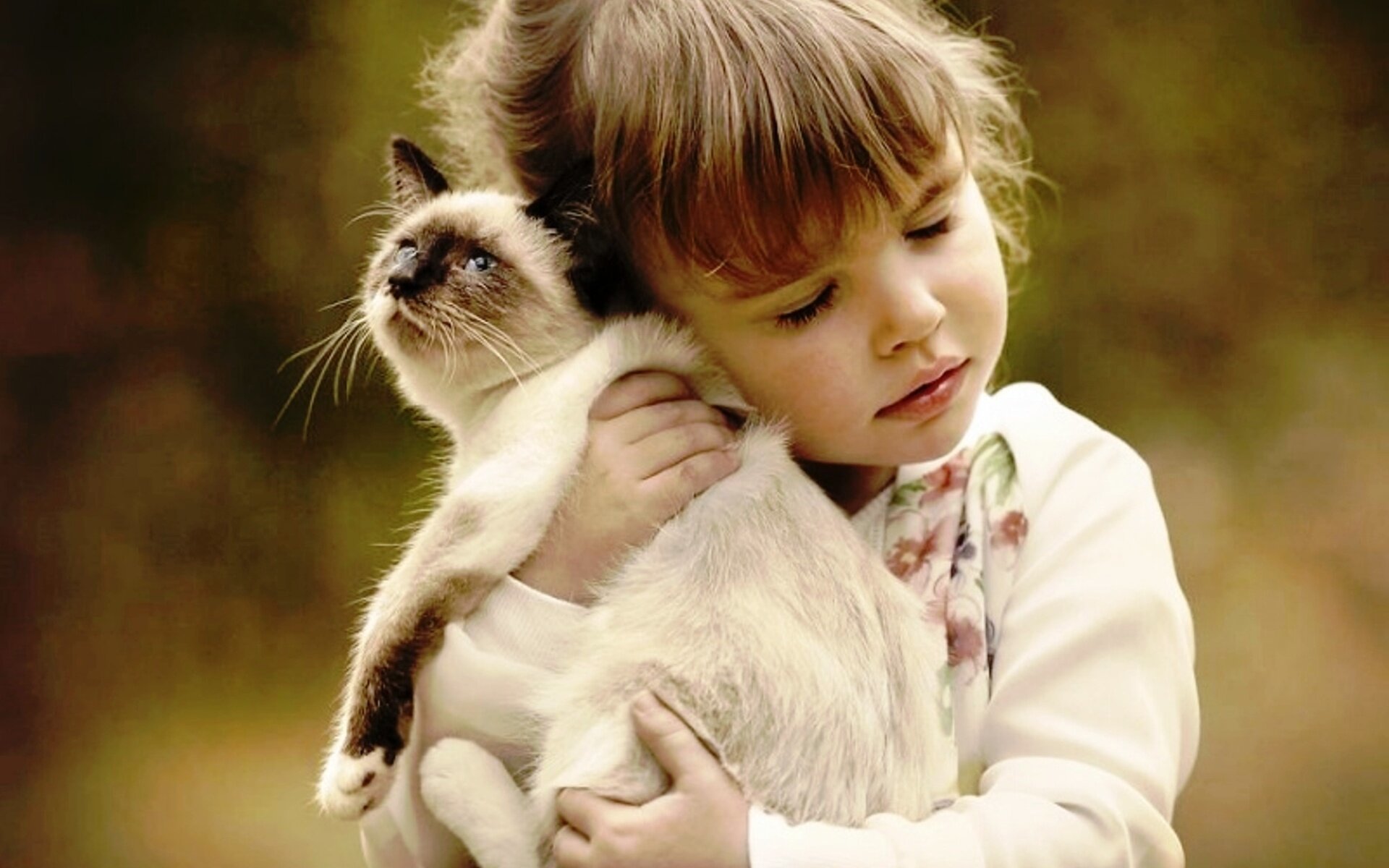
Stress Reduction and Relaxation
According to research, owning a cat is a stress-reducing factor in humans. Interacting with cats, petting and loving them, and playing with them can become a source of relaxation for both you and your child. Moreover, research has shown that cats understand people's stress levels from their expressions. In fact, some cats can come to us and show us affection when we are stressed. The reason cats reduce stress and relax us is that they help lower cortisol levels, a stress hormone. You can find more about the benefits of cats for human health, such as stress reduction and immune system support, in our article titled "What Are the Benefits of Cats for Human Health?".
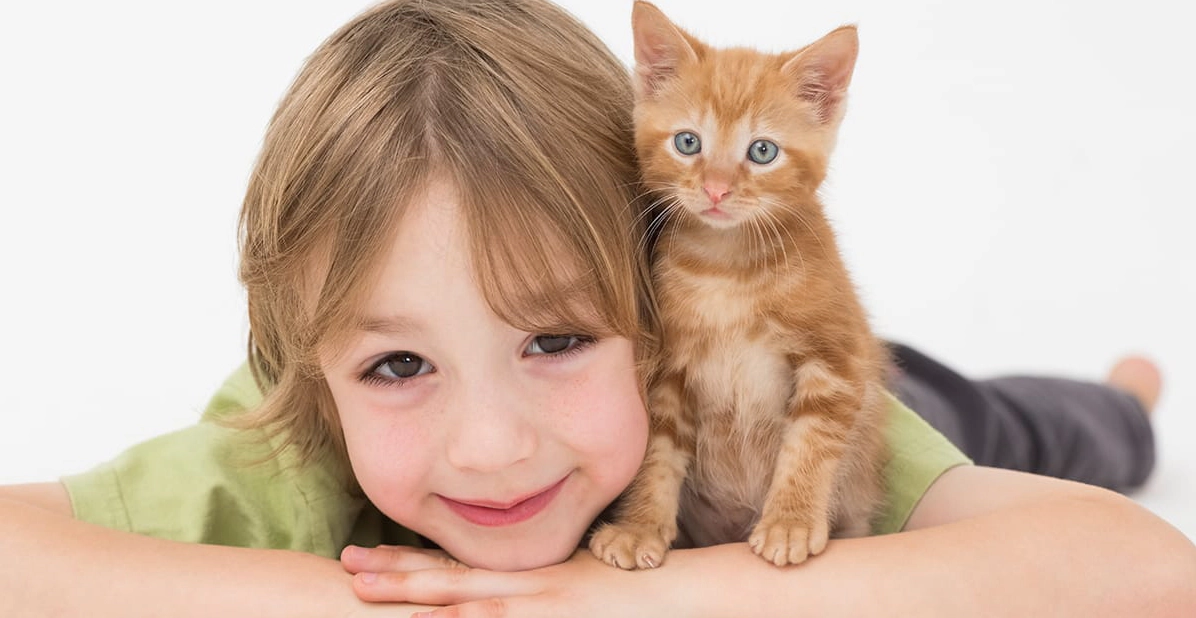
Development of Social Skills
Among the benefits of owning a cat for a child is the development of their social skills. Children gain many different experiences from their relationships with cats, and these contribute to the development of their social skills. Cats, like other pets, don't always behave as we want them to. They may act in ways that we can describe as mischievous, damaging children's belongings, or demanding attention while simultaneously avoiding it, acting contrary to what children want. Accidents such as scratching and biting can also occur. Children who learn patience, carefulness, thoughtfulness, and forgiveness in the face of such situations will use these qualities in their human relationships later in life.
Advertisement
Advertisement
Keep exploring
Continue reading

Cat Lifestyle & Guides
What is Cat Soup? Is it Beneficial for Cats?
If your cat rarely visits its water bowl, is sometimes reluctant to eat dry food, or shows interest in different textures, liquid products may catch…
Read guide →
Cat Lifestyle & Guides
How to Give Rewards and Snacks to a Neutered Kitten?
The Feline Veterinary Medical Association supports neutering kittens until they are five months old.
Read guide →
Cat Lifestyle & Guides
Benefits of Colostrum for Cats and Dogs
Colostrum is the first milk produced by mother cats and dogs after birth. Thanks to its antibodies and high nutrient content, it responds to the…
Read guide →
Cat Lifestyle & Guides
Why is Gut Health Important in Cats?
In cats, bowel health is linked to many areas, from digestive regularity and immune system-related processes to energy levels and daily comfort.
Read guide →