What are the Causes of Rapid Breathing in Cats?
Since showing signs of health problems can mean becoming more vulnerable to attacks and increasing the potential to be prey in nature, cats tend to normalize their illnesses or health problems out of survival instinct.
Advertisement
Since showing signs of health problems can mean becoming more vulnerable to attacks and increasing the potential to be prey in nature, cats tend to normalize their illnesses or health problems out of survival instinct. It is important to closely observe the symptoms of illness that they try to mask with lethargy, hiding, changes in meowing tone, and behavioral changes. One of the signs to watch out for in cats is rapid breathing. In this article, you can find answers to the most frequently asked questions by those who have complaints such as "my cat is breathing very fast" and "my cat is breathing rapidly with its mouth open".
The Observation "My Cat is Breathing Rapidly" Should Be Taken into Account
The complaint "My cat is breathing rapidly" is a serious symptom that should be taken into account. The reason for the change in the cat's breathing rate may be a malfunction in the respiratory system. Respiratory system problems in cats can lead to a decrease in the oxygen in their bodies, and the decrease in the amount of oxygen in the body can fall to a life-threatening level. Therefore, when the question "what should I do if my cat is breathing very fast?" arises, it should be known that cats should be taken to veterinarians. Although stress and allergies, which are more easily manageable situations, may be behind the statement "my cat is breathing very fast," the fact that there may be serious health problems should not be ignored.
What is the Normal Respiratory Rate in Cats?
Cats breathe 16-40 times per minute while sleeping or resting. There is a slight movement in their chest during breathing. If the cat's chest area moves significantly during breathing, the possibility of respiratory distress should be investigated. In addition to rapid breathing, respiratory problems in cats can also manifest as wheezing or very slow breathing during respiration.
Symptoms of Rapid Breathing in Cats
Under normal circumstances, it is normal for cats to breathe 16-40 times per minute while at rest. In some cases, the breathing rate of cats may increase gradually, and in other cases, suddenly. If such a symptom is observed, urgent medical intervention may be required.
The following symptoms may be observed due to an increase in respiratory rate in cats; If your cat's chest rises and falls rapidly during breathing, If your cat breathes with its mouth open, If your cat coughs, If your cat makes a rattling sound while breathing, If your cat has difficulty breathing, If your cat has a bluish discoloration in its gums, If your cat avoids movement, then you should consider the possibility of respiratory problems requiring prompt intervention. Why is my cat breathing rapidly?
- If your cat's chest rises and falls rapidly during breathing, if your cat breathes with its mouth open, if it coughs, if it makes a rattling sound while breathing, if it has difficulty breathing, if a bluish discoloration is observed in its gums, or if it avoids movement, then you should consider the possibility of respiratory problems in your cat that require prompt intervention.
- If your cat is breathing rapidly, if it is breathing with its chest rising and falling rapidly during breathing, if it is breathing with its mouth open, if it is coughing, if it makes a rattling sound while breathing, if it has difficulty breathing, if a bluish discoloration is observed in its gums, or if it avoids movement, then you should consider the possibility of respiratory problems in your cat that require prompt intervention.
- If your cat is breathing rapidly, if it is breathing very rapidly, what should I do?
- When the question arises, it is crucial to contact a veterinarian as quickly as possible.
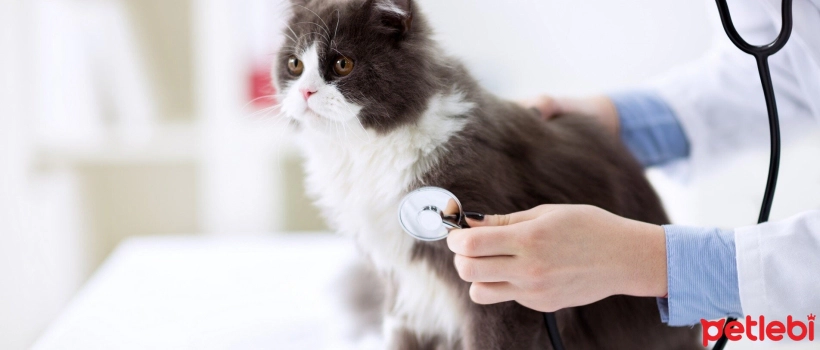
- During the visit, veterinarians will assess the cat's respiratory system, check for heart rate abnormalities, examine the gums, and perform a general examination.
- They will ask questions about the cat's medical history to determine the necessary tests to clarify the diagnosis.
- Accordingly, an ultrasound or blood test may become necessary to determine the underlying cause.

Treatment for rapid breathing in cats varies depending on the underlying problem.
Rapid breathing in cats can be a symptom indicating many different health problems. Anemia, allergies, asthma, emotional stress, heart disease, fever, pain, pleural effusion (characterized by fluid accumulation in the chest cavity), pulmonary edema, foreign objects in the trachea or airways, respiratory infections, trauma, and the presence of tumors in the throat or chest can all cause an increased respiratory rate in cats.
Some of these problems can be controlled over time with the right treatment methods. For example, asthma in cats can be successfully managed with medication prescribed to control inflammation in the airways. You can access our content on "What is Asthma in Cats? Symptoms and Treatment Processes" here. Similarly, if anemia is diagnosed in cats, the treatment of the underlying problem causing the anemia can also be spread over time. You can find detailed information on this topic in our content on "What You Need to Know About Anemia in Cats". Treatment of the underlying cause of rapid breathing cannot always be spread out over time; in cases such as foreign objects in the airways or changes in breathing due to trauma, urgent medical assistance is necessary. Diagnosis and Treatment Process When the question "My cat is breathing very fast, what should I do?" arises, it is important to contact a veterinarian as quickly as possible. During the visit, veterinarians evaluate the cat's airways, check for anomalies in heartbeats, examine the gums, and perform a general examination. They ask questions about the cat's medical history to determine the necessary tests to clarify the diagnosis. Accordingly, an ultrasound or blood test may become necessary to determine the underlying cause. The treatment of rapid breathing in cats may vary depending on the underlying problem causing this complaint. If cats are having difficulty breathing, they should first be given oxygen support and the necessary medications administered. If pleural effusion is determined as the cause of rapid breathing in cats, fluid should be removed from the chest cavity via thoracentesis. If heart problems are the cause, heart functions are evaluated once the cat's condition is stabilized. If infections or respiratory diseases are diagnosed, anti-inflammatory drugs or antibiotics may be prescribed. It is important not to start antibiotic treatment in cats unless prescribed by a veterinarian. For details on this topic, you can read our article titled "What Should We Pay Attention to When Using Antibiotics in Cats?". Besides all these negative scenarios, cats may also start breathing rapidly when they are stressed. Situations such as moving, traveling, veterinary visits, being left alone at home for a long time, and neglect can cause cats to become stressed. In such a situation, it may be necessary to spend more time with cats and, if necessary, use supplements with a calming effect as recommended by a veterinarian. You can review cat vitamins and supplements here. In conclusion, if you observe that your cat is breathing rapidly, unlike usual, it is best to play it safe. Yes, it may not be an emergency, but if your cat is experiencing a serious health problem that increases its respiratory rate, it is best to be cautious. You should observe your cat from the moment you first notice the symptoms, record any symptoms that appear, and be able to give the most comprehensive answers to any questions that may be asked during a possible visit to a veterinarian. This will facilitate the diagnostic process and help your pet recover.
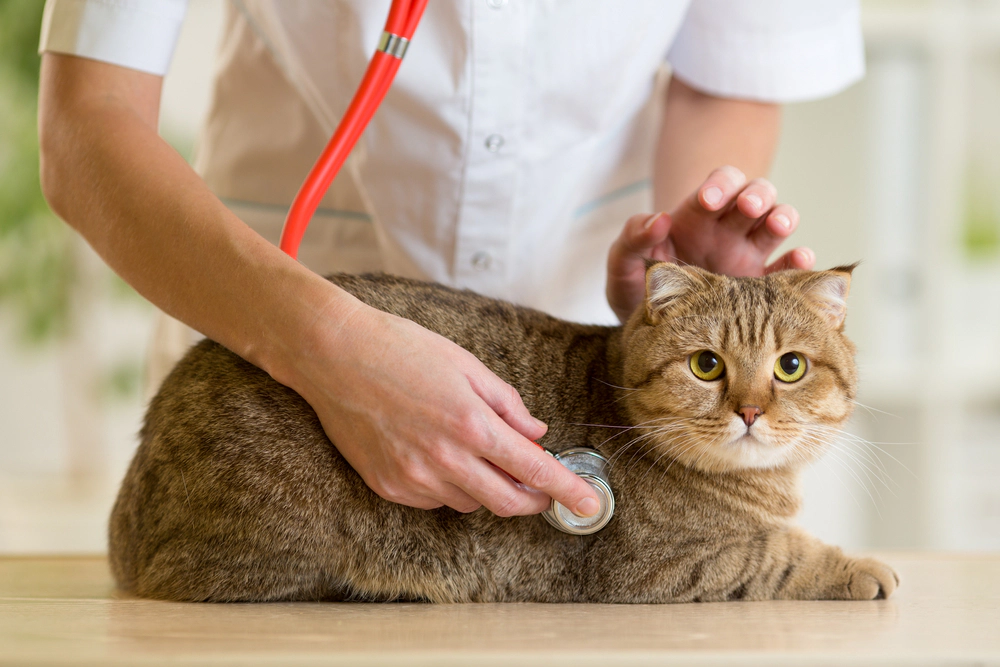
If cats are having difficulty breathing, they may first need oxygen support and necessary medication.
If pleural effusion is identified as the cause of rapid breathing in cats, thoracentesis to remove fluid from the chest cavity is necessary.
If heart problems are the cause, heart function is assessed once the cat's condition is stabilized.
If infections or respiratory diseases are diagnosed, anti-inflammatory drugs or antibiotics may be prescribed. It is important not to start antibiotic treatment in cats unless prescribed by a veterinarian. For more details on this topic, you can read our article titled "What Should We Pay Attention to When Using Antibiotics in Cats?".
Besides all these negative scenarios, cats can also start breathing rapidly when they are stressed. Moving, traveling, veterinary visits, being left alone at home for long periods, and neglect can all cause cats to become stressed. In such a situation, it may be necessary to spend more time with your cat and, if necessary, use supplements with a calming effect as recommended by your veterinarian. You can review cat vitamins and supplements here.
In conclusion, if you observe that your cat is breathing rapidly in a way that is different than usual, it is best to play it safe. Yes, it may not be an emergency, but if your cat is experiencing a serious health problem that increases its respiratory rate, it is best to be cautious. You should observe your cat from the moment you first notice the symptoms, record any symptoms that appear, and be able to give the most comprehensive answers to any questions that may be asked during a possible veterinary visit. This will facilitate the diagnostic process and help your pet recover.
Advertisement
Advertisement
Keep exploring
Continue reading

Cat Lifestyle & Guides
What is Cat Soup? Is it Beneficial for Cats?
If your cat rarely visits its water bowl, is sometimes reluctant to eat dry food, or shows interest in different textures, liquid products may catch…
Read guide →
Cat Lifestyle & Guides
How to Give Rewards and Snacks to a Neutered Kitten?
The Feline Veterinary Medical Association supports neutering kittens until they are five months old.
Read guide →
Cat Lifestyle & Guides
Benefits of Colostrum for Cats and Dogs
Colostrum is the first milk produced by mother cats and dogs after birth. Thanks to its antibodies and high nutrient content, it responds to the…
Read guide →
Cat Lifestyle & Guides
Why is Gut Health Important in Cats?
In cats, bowel health is linked to many areas, from digestive regularity and immune system-related processes to energy levels and daily comfort.
Read guide →