What Breed is My Cat? Learning Cat Breeds
Cats have been a part of human life for thousands of years. The bond we form with them cannot be limited to their appearance or breed-specific qualities. Yet, many cat owners frequently ask themselves, "What breed is my cat?

Advertisement
Cats have been a part of human life for thousands of years. The bond we form with them cannot be limited to their appearance or breed-specific qualities. Yet, many cat owners frequently ask themselves, "What breed is my cat?" Behind this curiosity lies an effort to better understand the needs of our feline friends.
Classifying cat breeds is a relatively new approach in modern science. As a study published in ScienceDirect in 2012 states, the domestication of cats dates back approximately 9,000 years. The current breed diversity, however, emerged much more recently. This genetic diversity brings with it the character and behavioral traits of cats.
An important point to note here is not to view the concept of "breed" as a tool of superiority or discrimination. Every cat is unique; whether hairless, long-haired, tabby, or purebred. Their personalities, behaviors, and the bond they form with their owners are far more valuable than their genetic origins.
The point to be aware of is that breed information can be useful for learning about your cat's potential health risks, determining a suitable diet, and creating a living environment that suits its character. Especially when it comes to health problems with genetic predisposition, feeding the cat according to its breed is important. The aim of this article is to contribute to this awareness. Here are the details…
How Do I Know What Breed My Cat Is?

Determining what breed a cat belongs to is more difficult than you might think. A large percentage of cats adopted from the street or shelters are "moggies," meaning mixed-breed cats. These cats do not belong to a single purebred; they are formed by the combination of different genetic heritages.
While purebred cats have a specific lineage and characteristics passed down from generation to generation, most cats living in homes do not fall into this category. Not being included in the purebred group does not make them worthless; on the contrary, it makes each one unique.
To estimate and determine your cat's breed, physical characteristics, behavioral patterns, and sometimes genetic testing are primarily used. Appearance clues such as eye color, fur length, tail structure, or facial features are an important starting point in understanding which breed your cat resembles.
However, appearance alone is not always a definitive answer. Many mixed-breed cats can exhibit characteristics of more than one breed simultaneously.
Your cat's temperament also offers clues about breed. For example, social, energetic, and playful cats may be closer to certain breeds, while quiet and independent personalities may point to a different breed group. For those seeking certainty, the most reliable method is veterinary support and genetic testing. This allows for a reliable assessment and provides information about potential future health risks your cat may face.
Physical Characteristics
The first criteria to look at in determining your cat's breed are its visible physical characteristics. These include fur length, color patterns, ear shape, eye structure, and tail form.
For example, a long-haired cat may resemble breeds such as Persian or Maine Coon, while a short-haired and tricolored cat may be more of a "calico" patterned moggie.
Fur texture and pattern are among the most noticeable factors in breed identification. As stated in Cat Fanciers’ Association sources, each breed has its own unique fur colors and patterns. For example, Siamese cats have dark masks, while Bengal cats have leopard-like spotted patterns.
In addition, eye color and body type provide important clues about your cat's health. For example, scientific studies have emphasized that hearing problems are more common in cats with blue eyes and white fur. Long, muscular bodies generally indicate Abyssinian or Oriental breeds, while short and rounded bodies are seen in breeds such as British Shorthair. By paying attention to these similarities, the genetic predispositions of the relevant breeds can be examined.
Character Analysis
To determine your cat's breed, you need to look at its appearance and behavioral characteristics simultaneously. Although every cat has individual differences, some breeds have more distinct characters. Siamese cats are known for being quite vocal and social, while British Shorthairs have a calmer and more independent nature.
Character analysis can be done by observing the cat's daily behavior. Energy level, willingness to interact with people, play habits, or reaction to being left alone can provide insights into the breed.
For example, if you have a cat that constantly craves cuddles, is talkative, and playful, these traits often point to Siamese or Oriental breeds. Quieter, more reserved, and attentive cats, on the other hand, are often similar to breeds like the Russian Blue or the Chartreux, one of the most popular grey cat breeds.
Mixed-breed cats can exhibit characteristics of more than one breed simultaneously. Therefore, character analysis alone is not considered sufficient for a definitive breed diagnosis.
Leverage Technology: The Best Cat Breed Learning Apps
Thanks to advancing technology, it's now much easier to guess your cat's breed than before. Cat identification apps downloadable to smartphones can usually offer predictions about which breed your cat resembles based on a photo.
These apps generally use artificial intelligence and image processing technologies to perform facial features, coat patterns, and color analysis. The biggest advantage of such tools is that they allow cat owners to obtain information quickly and practically.
When you upload a photo of your cat, the system lists similar breeds within seconds. In addition, some apps can also offer suggestions about your cat's general health or care needs.
However, it should be noted that these applications can only offer predictions. While AI-based systems often have a high accuracy rate, veterinary support and, if necessary, genetic testing are required for a definitive result. In short, technology can satisfy your curiosity and provide insights. However, it is not a 100% reliable diagnostic tool on its own.
Consult a Veterinarian to Determine Your Cat's Breed
If you want to definitively determine your cat's breed, the most reliable way is to consult a veterinarian. Veterinarians can professionally assess your cat's physical structure and behavior to determine which breed it is closer to. In addition, they can recommend DNA testing in doubtful cases to provide a definitive result.
Some cat breeds are more susceptible to certain health problems due to their hereditary predispositions. For example, hypertrophic cardiomyopathy (HCM), a thickening of the heart muscle, is more common in some breeds, especially Maine Coons.
If You're Going to Adopt a Cat, Ask the Cat Owner

If you're going to adopt a cat, the person who knows its history best is often its current owner. Even if you don't have precise information about your cat's breed, small clues from the owner can guide you about its character and habits. This information is especially important for cats looking for a new home.
Empathy is key here. Knowing your cat's temperament, socialization style, and how well it adapts to your lifestyle will help it adapt more quickly and peacefully to its new home. Indeed, a cat that gets along well with children will be happier in a family environment, while a cat that prefers tranquility may live more comfortably in a quiet home.
One of the most important benefits of this approach is that it reduces the likelihood of abandonment after adoption. Knowing about a cat's needs and character beforehand makes it easier to establish a healthier and more secure bond in the long run for both the new owner and the cat. Ultimately, the goal is for the cat to find a loving family.
I Love My Pet, No Matter Its Breed

The breed of a cat may certainly be a source of curiosity, but this information is not the criterion for determining love. The most important fact to remember when searching for an answer to the question "What breed is my cat?" is that every cat is unique. Their characters, small habits, and the bond they form with their humans are far more valuable than their genetic origins.
For many cat owners, the most meaningful moments are their cat snuggling up next to them in the mornings, the cheerful sounds they make while playing, or the silent support they offer during difficult times. These behaviors cannot be reduced to a pedigree or official documents. Therefore, whether purebred or mixed breed, every cat deserves love.
Frequently Asked Questions

Curiosity strengthens our bond with cats. Learning which breed they belong to means getting to know the world of our little friend more closely. So, what are the most frequently asked questions at this point? Let's take a look together.
I don't know my cat's breed, what should I do?
The first step in learning your cat's breed is observation. Details such as fur length, patterns, ear structure, eye color, and general body form can give you clues. However, these characteristics can often resemble more than one breed. Therefore, to get a definitive result, you can consult your veterinarian and, if necessary, have a genetic test done. In this way, you can both satisfy your curiosity and obtain important information about your cat's health.
How can I tell a cat's breed from its appearance?
Your cat's coat texture, color combination, tail shape, and facial features can indicate which breed it resembles. A round face and short fur might suggest a British Shorthair, while long fur might suggest a Persian. However, mixed-breed cats often carry physical characteristics of more than one breed. Therefore, making a definitive classification based solely on appearance may not be accurate. For more reliable information, it is beneficial to consult a veterinarian.
How should I choose a cat breed that suits my lifestyle?
Energetic, social, and talkative breeds are more suitable for active families, while quieter and more independent cats may be preferred by busy people or those seeking tranquility. Talkative breeds like Siamese cats require constant interaction, while cats like British Shorthairs don't mind spending time alone. Knowing the needs of the breed you choose beforehand will ensure both you and your cat's peace of mind in the long run.
How do I know what breed a cat is when adopting one?
If you are going to adopt a cat, information you get from a shelter or its current owner is valuable for a start. The cat's behavior, habits, and general appearance can also give an idea about the breed. However, this information does not provide a definitive diagnosis; getting help from a veterinarian is the most accurate method.
Kaynaklar:
https://www.rover.com/blog/what-breed-is-my-cat
https://felinefancy.co.uk/blogs/news/what-breed-is-my-cat
https://www.rover.com/blog/what-breed-is-my-cat/
https://www.alleycat.org/resources/cat-identification-guide/
https://www.petplan.co.uk/cat-insurance/cat-care-and-advice/moggie-cat-pedigree-cat-difference.html
https://cfa.org/breeds/
https://www.thesprucepets.com/what-breed-is-my-cat-554697
https://www.petsradar.com/advice/what-breed-is-my-cat
https://www.ovrs.com/blog/cat-breeds/
Advertisement
Advertisement
Keep exploring
Continue reading
Cat Breeds
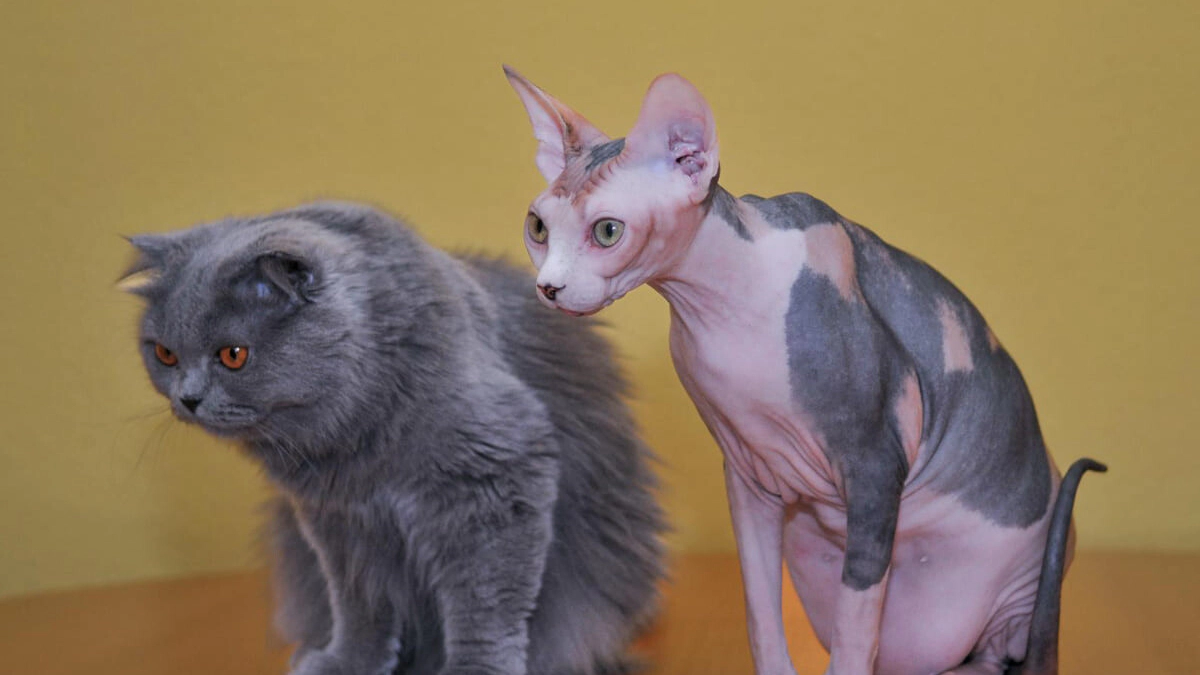
Non-Shedding and Hairless Cat Breeds
Many people love cats and feel their hearts warm when they see a cat approaching them. However, dealing with cat fur is difficult.
Read guide →Cat Breeds
Non-Shedding and Hairless Cat Breeds
Many people love cats and feel their hearts warm when they see a cat approaching them. However, dealing with cat fur is difficult.
Read guide →
Cat Breeds
The 10 Smartest Cat Breeds
It is well known that cats are unique companions that beautify our lives. But is the fact that they are so intelligent sufficiently known?
Read guide →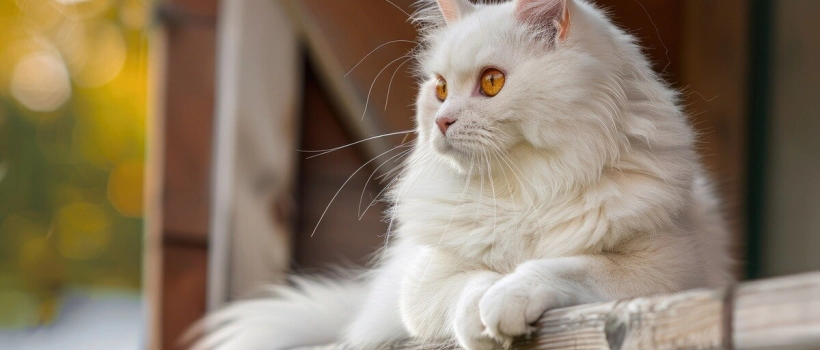
Cat Breeds
White-Furred Cat Breeds and Characteristics
Cats have been one of the most adorable and fascinating companions in human life for thousands of years.
Read guide →