What is Canine Distemper? Causes, Symptoms, and Treatment Methods
For dog owners, it can be worrying when they notice their pets becoming lethargic, losing their appetite, or suddenly showing symptoms such as runny nose and cough. However, such situations are not always just a common cold or a temporary illness. One cause for concern is distemper.

Advertisement
For dog owners, it can be worrying when they notice their pets becoming lethargic, losing their appetite, or suddenly showing symptoms such as runny nose and cough. However, such situations are not always just a common cold or a temporary illness. One cause for concern is distemper. Distemper, which has a very high risk of occurring especially in puppies and unvaccinated dogs, is associated with a virus that can have much more serious consequences.
This infection, known in medicine as Canine Distemper Virus (CDV), is a highly contagious disease that directly affects the immune and nervous systems of dogs and can unfortunately have fatal consequences. Vaccination of dogs is one of the most important requirements for prevention.
Treatment for canine distemper is not always successful, but this disease can be prevented with the right steps. In this article, you can find vital information about canine distemper.
What is Canine Distemper?

Canine distemper, medically known as Canine Distemper Virus (CDV) infection, is a viral disease that causes serious health problems in dogs. This virus, belonging to the Paramyxoviridae family, affects the respiratory, digestive, and nervous systems, showing multifaceted symptoms. Puppies, especially those with weakened immune systems and unvaccinated dogs, are at high risk for this disease. CDV initially affects the upper respiratory tract after entering the dog's body. It then spreads to the immune system via the bloodstream. In the advanced stages of the disease, the central nervous system can be damaged. Damage to the central nervous system means both life-threatening and permanent damage. Several factors determine the course and severity of the disease: the dog's age, immune status, and whether it has been previously vaccinated against distemper. As stated in the VCA Animal Hospitals source, distemper virus is an infection that affects a wide variety of systems and can leave permanent damage if not treated in time. Early diagnosis and supportive care play a critical role in determining the course of the disease. What are the Causes of Distemper in Dogs?
CDV, after entering the dog's body, initially affects the upper respiratory tract. It then spreads to the immune system via the bloodstream. In advanced stages, the central nervous system can be damaged. Damage to the central nervous system is both life-threatening and can lead to permanent damage.
Several factors determine the course and severity of the disease: the dog's age, immune status, and whether it has been previously vaccinated against distemper.
As stated in the VCA Animal Hospitals source, distemper virus is an infection that affects a wide variety of systems and can leave permanent damage if not treated in time. Early diagnosis and supportive care play a critical role in determining the course of the disease.
What are the Causes of Distemper in Dogs?
The primary cause of canine distemper is a single-stranded, enveloped RNA virus called Canine Distemper Virus. This virus belongs to the Morbillivirus genus of the Paramyxoviridae family and shares similar structural characteristics with the measles virus, which is dangerous to humans.
Transmission routes are among the most critical factors determining the prevalence of the disease. Canine distemper can be transmitted to other dogs through direct contact with the respiratory secretions, nasal and eye discharge, saliva, urine, or feces of an infected dog. Airborne transmission is also quite common; droplets released into the environment when an infected animal coughs or sneezes pose a serious risk to healthy individuals.
High risk factors for canine distemper infection can be listed as follows:
Unvaccinated dogs: The group most frequently affected is dogs that have never been vaccinated or have not completed their vaccination schedule.
Undefeated immune system: Dogs with suppressed immunity due to reasons such as malnutrition, stress, or fighting other diseases may be vulnerable to the virus.
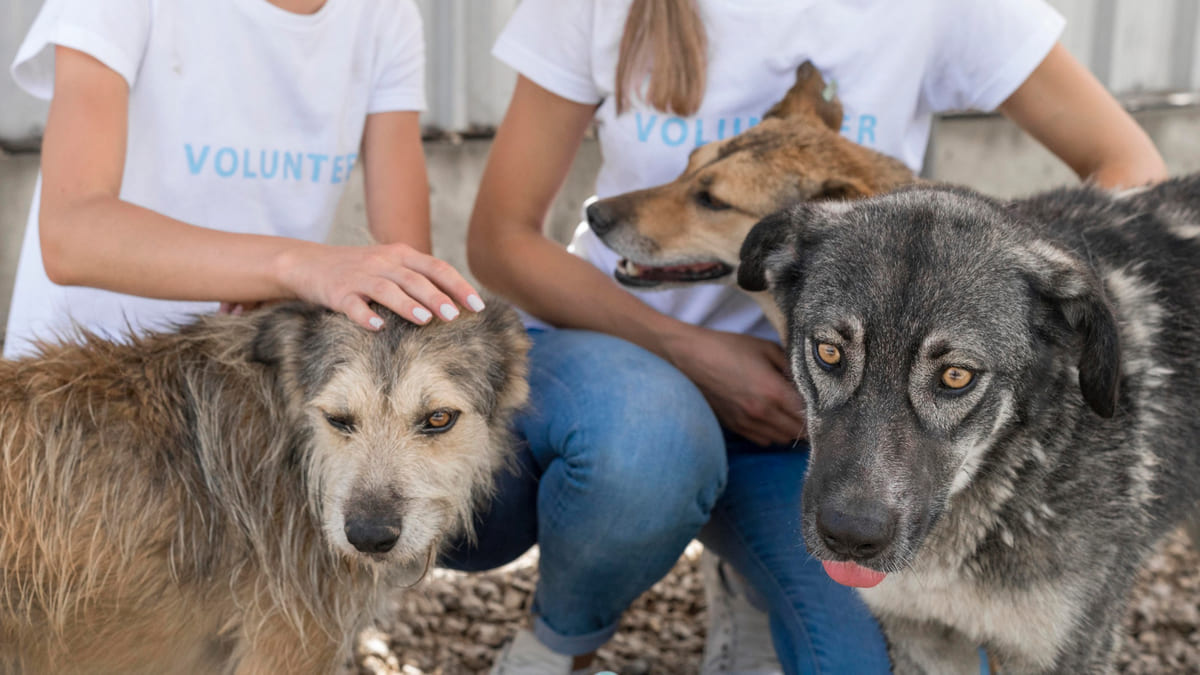
Shelters and communal living spaces: The risk of infection is very high in crowded environments with poor ventilation and low hygiene standards.
Puppies: Puppies, especially those aged 2 to 6 months, are at high risk if they have not received sufficient antibodies from their mothers.
AVMA emphasizes that transmission can occur not only through direct contact but also through items such as food and water bowls and toys. Since an infected dog can continue to shed the virus for months, controlling the disease can be difficult.
Symptoms of Canine Distemper in Dogs
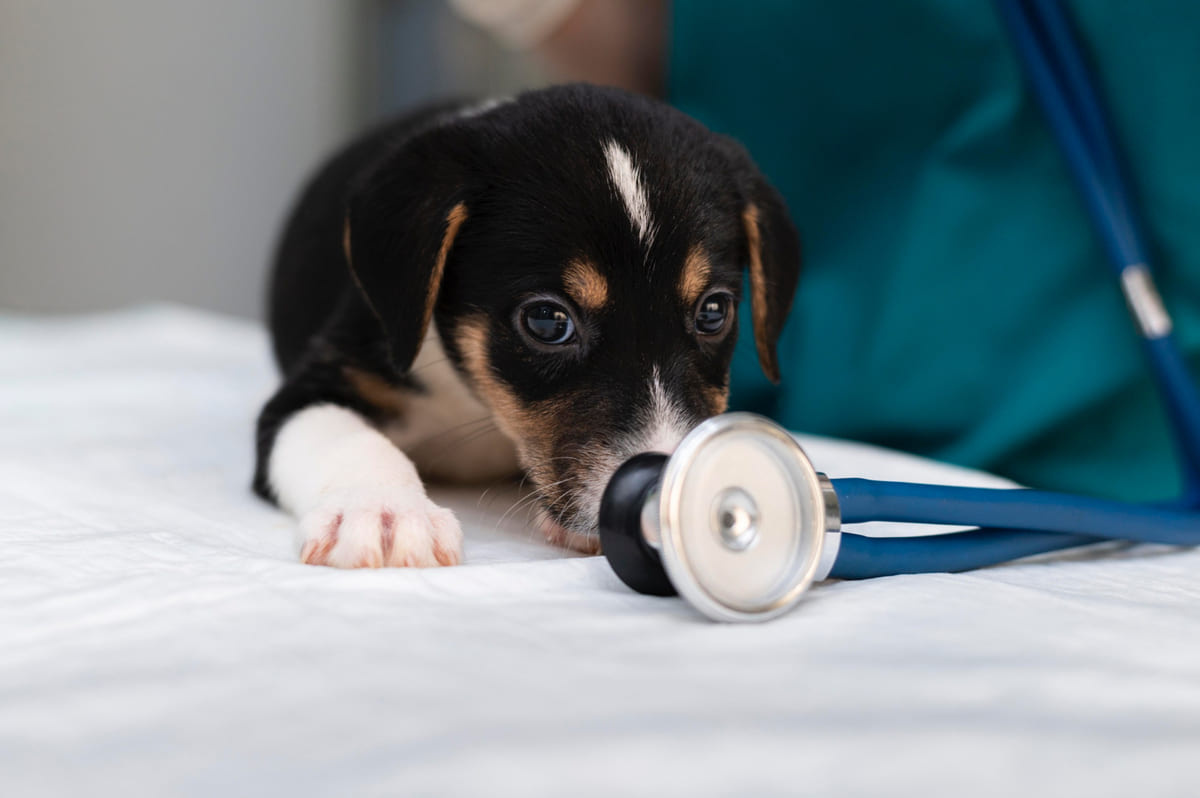
The symptoms of canine distemper vary depending on how advanced the disease is. In a dog infected with the canine distemper virus, the virus first multiplies in the lymphatic tissue of the respiratory tract before spreading to other areas. As a result of this multiplication, the symptoms progress gradually.
The first and most common symptom of canine distemper in dogs is watery eyes and a purulent discharge from the eyes. The discharge from the eyes is accompanied by a short-term fever, loss of appetite, and runny nose. Fever in dogs begins to rise 3 to 6 days after infection. How the process progresses after the initial symptoms in an infected dog usually depends on the severity of the infection and the dog's overall health.
Initial symptoms of canine distemper include:
Symptoms may include fever, runny nose, eye discharge, anorexia, coughing, diarrhea, encephalitis (inflammation of the brain and spinal cord), and dermatitis. Dogs that contract distemper and survive the acute phase develop a condition called hyperkeratosis on their paws and noses. This causes the pads on the dog's paws to enlarge and harden.
In some cases, a secondary bacterial infection may occur during distemper, attacking the immune system. In these cases, symptoms such as pneumonia, changes in respiratory rate, difficulty breathing, vomiting, and diarrhea may also appear.
In the second stage of the disease, the virus attacks the central nervous system, and neurological symptoms appear. At this stage:
• Head held low,
• Partial or complete paralysis,
• Seizures,
• Repetitive eye movement (nystagmus),
• Muscle twitching,
• Increased chewing and spitting movements,
• Death may occur.
The severity and duration of symptoms can vary from dog to dog. While the disease may be mild in some dogs, others may experience a sudden deterioration. Especially when nervous system involvement develops, the likelihood of recovery decreases despite supportive treatment.
Treatment Methods for Canine Distemper
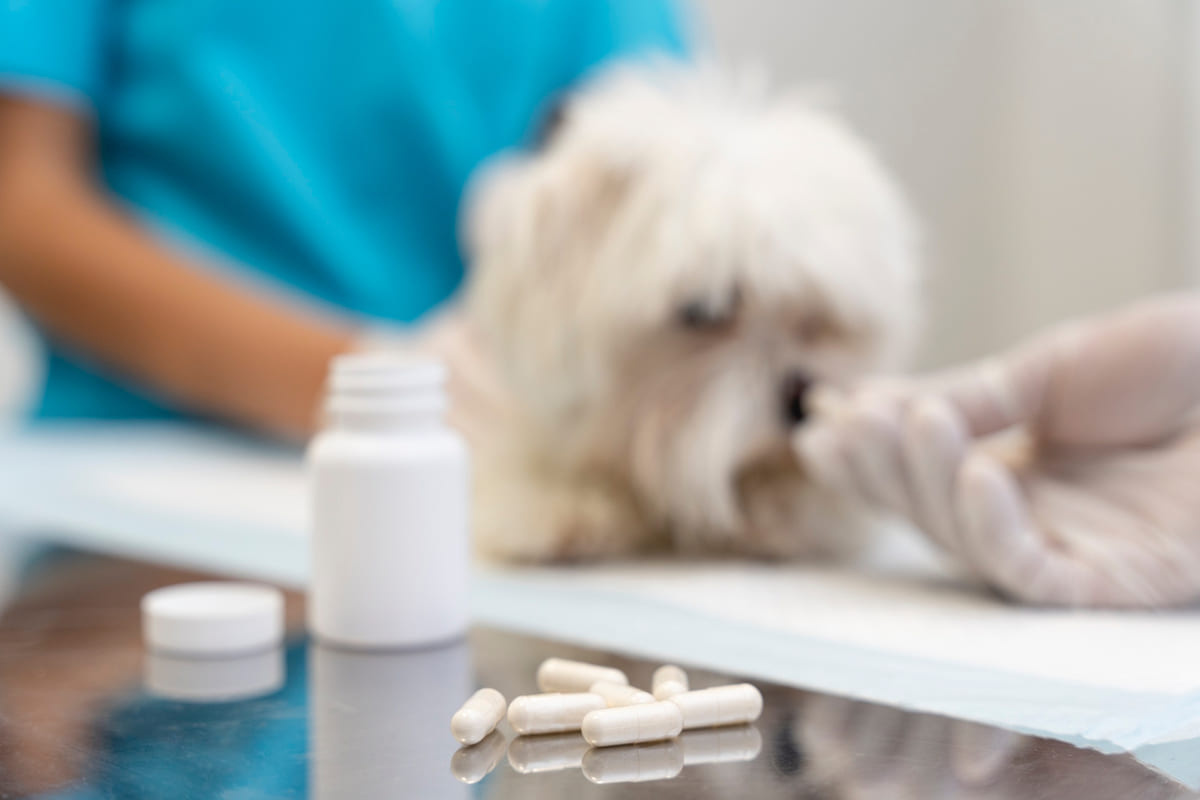
There is no treatment for canine distemper that directly targets the virus. Therefore, clinical intervention is aimed at alleviating symptoms and limiting secondary damage caused by the infection. Supportive care forms the basis of the treatment process.
VeterinaryPartner states that fluid therapy can be administered to balance body fluids as part of supportive treatment. In addition, antibiotic support can be given against bacterial infections that develop due to the virus weakening the immune system.
Respiratory system treatments for lung complications, antiemetics for nausea and vomiting, steroids to reduce inflammation, and anticonvulsant drugs for neurological symptoms such as seizures may be preferred. The treatment plan is tailored to the individual dog depending on which organ systems the infection affects.
The course of the disease, or prognosis, depends on the viral subtype causing the infection and the dog's immune response. Adult dogs with strong immune systems may sometimes show no symptoms, while puppies with weak immune responses may develop more severe symptoms.
The same source also emphasizes that the prognosis is closely linked to symptoms related to the nervous system. In dogs that develop infections in the brain, spinal cord, or peripheral nerves, the recovery process is quite uncertain, and the mortality rate in such cases can approach 50%. Dogs that recover from the disease can often acquire long-term, even lifelong, immunity against the virus.
Frequently Asked Questions About Canine Distemper
Every medical intervention for canine distemper requires awareness and attention that races against time. Due to its complex nature, the disease can be managed more effectively with responsible owners equipped with accurate information, in addition to veterinary intervention.
Can canine distemper be cured?
Yes, some dogs can recover from this disease. Recovery varies depending on the strength of the immune system and which organs are affected by the disease. While symptoms may be mild in adult dogs with strong immune systems, the disease can be severe in puppies and weak individuals. If neurological involvement develops, the recovery process becomes more difficult and may leave permanent nervous system damage.
How can canine distemper be prevented?
The vaccination schedule should be followed: The most effective way to prevent the disease is to vaccinate dogs against distemper. For detailed information, you can read our content titled "Vaccination Schedule for Puppies and Adult Dogs".
Protect unvaccinated puppies: Puppies whose immunity is not yet fully developed should not be exposed to crowded environments. During this period, puppy food that supports immunity can be used.
Avoid contact with sick animals: Since the saliva, urine, feces, or toys of infected dogs can carry the virus, contact with dogs showing symptoms should be avoided.
Maintain hygiene conditions: Items such as food bowls, toys, and beds used by your dog should be cleaned and disinfected regularly. Since the distemper virus is sensitive to many cleaning agents, maintaining a hygienic environment is of great importance.
Support the immune system: A healthy immune system builds resistance to disease. Quality nutrition, low stress levels, and regular veterinary checkups should be provided, and the immune system should be strengthened with canine vitamins and supplements if necessary. Newly adopted dogs should undergo a health check: Dogs adopted from shelters or the street must be taken for a health check and necessary tests and vaccinations before being introduced to other animals in the home. When should the distemper vaccine be given? Canine distemper is spread by a virus that can become stronger over time and can affect many different animal species. Therefore, early vaccination, especially for puppies, is very important. Puppies are usually vaccinated starting at 6 weeks old and repeated every 3-4 weeks until 16 weeks.
Newly adopted dogs should undergo a health check: Dogs adopted from shelters or the street should be examined and given necessary tests and vaccinations before being introduced to other animals in the home.
When should the distemper vaccine be given?
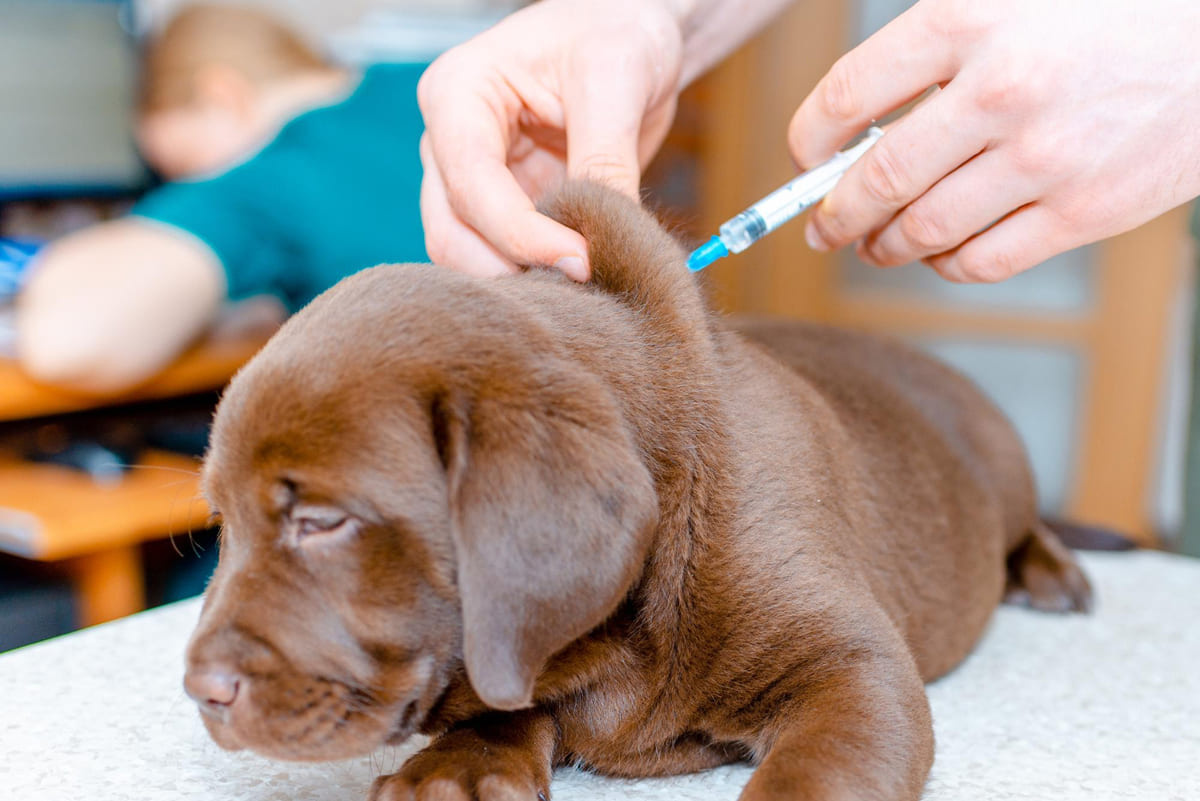
Canine distemper is spread by a virus that can become stronger over time and can affect many different animal species. Therefore, early vaccination, especially for puppies, is very important. Puppies are usually vaccinated starting at 6 weeks old and repeated every 3–4 weeks until they reach 16 weeks.
Timely vaccination allows the puppy to develop its own immunity while protective antibodies passed from the mother decrease. These types of vaccinations are not recommended towards the end of pregnancy or at the beginning of lactation. Rarely, some side effects may develop after vaccination in dogs with weakened immunity. You can find recommendations to strengthen your dog's immune system here.
The MSD Veterinary Manual contains the following information: In the past, the distemper vaccine was repeated annually. Now, scientific research shows that these vaccines provide strong protection for at least 3 years. However, booster vaccination decisions should be made in consultation with your veterinarian, depending on how prevalent the disease is in your area and your dog's overall health.
What happens if a dog is not vaccinated against distemper?
Unvaccinated dogs are completely defenseless against distemper. In puppies, the disease progresses very rapidly, and organ damage and death can occur before the immune system can develop a defense. In high-risk environments, every unvaccinated dog is at serious risk. Is canine distemper fatal? Unfortunately, yes. The mortality rate is quite high, especially when the disease affects the nervous system. Overall mortality varies depending on age, immune status, and strain. It may be milder in dogs with strong immunity, but it is generally a serious disease. Does canine distemper leave permanent damage? Yes, especially if the disease affects the central nervous system. Symptoms such as paralysis, loss of balance, involuntary muscle movements (tics), or jaw spasms may be permanent. These dogs may require special care for life. Early diagnosis and intervention play a critical role in preventing this damage.
Is canine distemper fatal?
Unfortunately, yes. The mortality rate is quite high, especially when the disease affects the nervous system. Overall mortality varies depending on age, immune status, and strain. It may be milder in dogs with strong immunity, but it is generally a serious disease.
Can canine distemper cause permanent damage?
It is possible, especially if the disease affects the central nervous system. Symptoms such as paralysis, loss of balance, involuntary muscle movements (tics), or jaw spasms may be permanent. These dogs may require lifelong specialized care. Early diagnosis and intervention play a critical role in preventing these damages.
How long does canine distemper last?
The duration of the illness varies depending on the dog's immune response and the severity of the disease. Typically, the first symptoms appear 6–9 days after infection. Clinical signs can last from 10 days to several weeks. However, if nervous system involvement develops, symptoms can last for weeks or even months.
Is canine distemper contagious?
Canine distemper is highly contagious. The virus spreads through the respiratory secretions, saliva, urine, and feces of infected animals. While it can be transmitted through the air, shared items such as water and food bowls and toys also play a role in transmission. An infected dog can continue to spread the virus for months.
Is home treatment for canine distemper possible?
No. Canine distemper cannot be treated at home. Because the virus affects multiple organ systems, comprehensive supportive treatment should only be administered under the supervision of a veterinarian. Home intervention can lead to disease progression and reduce the chances of recovery.
What is the incubation period for canine distemper?
The incubation period for canine distemper is generally between 6 and 9 days. During this time, the virus replicates, but may not show symptoms. Afterwards, early symptoms such as fever, loss of appetite, and runny nose begin. Depending on the course of the disease, symptoms can be mild or very severe.
What happens if canine distemper is not treated?
If left untreated, the virus weakens the immune system and spreads rapidly. Initially, the respiratory and digestive systems are affected; It can then reach the nervous system. In this case, serious consequences such as muscle twitching, seizures, paralysis, and death become inevitable.
What medications are given for canine distemper?
There is no specific treatment. The medications used are supportive. Treatment may include fluid replacement, antibiotics for secondary infections, respiratory treatments, anti-vomiting and anti-nausea medications, anti-seizure medications, and steroids. The treatment plan is tailored to the dog's clinical condition.
If my dog has had canine distemper, will it get sick again?
Most likely no. Dogs that recover from canine distemper usually develop permanent immunity to the virus. This immunity can last a lifetime, and the likelihood of reinfection is considered low.
Kaynaklar:
https://www.msdvetmanual.com/infectious-diseases/canine-distemper/canine-distemper
https://www.avma.org/resources-tools/pet-owners/petcare/canine-distemper
https://vcahospitals.com/know-your-pet/distemper-in-dogs
https://sheltermedicine.wisc.edu/library/resources/canine-distemper-cdv
https://veterinarypartner.vin.com/default.aspx?pid=19239&id=11692001
https://www.webmd.com/pets/dogs/canine-distemper
https://cwhl.vet.cornell.edu/disease/canine-distemper
Advertisement
Advertisement
Keep exploring
Continue reading
Dog Health
7 Mistakes Made in Dog Training and Correct Approaches
A dog's failure to respond immediately to commands is often interpreted as stubbornness or disobedience.
Read guide →
Dog Health
Symptoms, Causes and Treatment of Enlarged Heart in Dogs
Your dog stops earlier than usual during walks, stops playing quickly, has noticeably faster breathing when climbing stairs, or If your dog has a dry…
Read guide →
Dog Health
Causes, Symptoms, and Treatment Methods of Oral Melanoma in Dogs
Imagine you notice a small lump in your dog's mouth one morning. This lump, which might be mistaken for an insignificant wound or gum problem, could…
Read guide →
Dog Health
Beyond the Itch: Causes and Treatment Methods of Skin Diseases in Dogs
Skin diseases in dogs should not be perceived as merely negative changes in aesthetic appearance.
Read guide →