What is Catnip? What are the Benefits of Catnip?
Catnip is a perennial plant belonging to the mint family, with hairy, fragrant leaves and white or purplish flowers. Although it is actually called "cat mint," it is popularly known as "cat grass" because it is used for cats.
Advertisement
Catnip is a perennial plant belonging to the mint family, with hairy, fragrant leaves and white or purplish flowers. Although it is actually called "cat mint," it is popularly known as "cat grass" because it is used for cats. The plant known as catnip in botany is another plant belonging to a different family, also called "valerian root."
Important Note: Valerian root extracts can be used for calming purposes in cats, but it should be remembered that the amount, form, and methods of use of this plant are not the same as catnip, which we will discuss in this article.
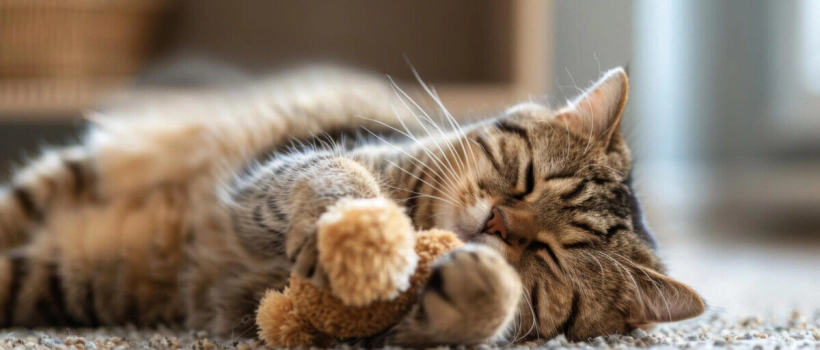
Catnip can generally grow to a height of 50-100 cm. Most cats (70-80%) are sensitive to catnip. Cats that smell catnip exhibit playful reactions such as rolling, jumping, purring, and playing. However, this effect is usually short-lived; after 10-15 minutes, cats lose interest. In this article, you can find details about the benefits of catnip as well as its effects on cats.
Why is Catnip Attractive to Cats?
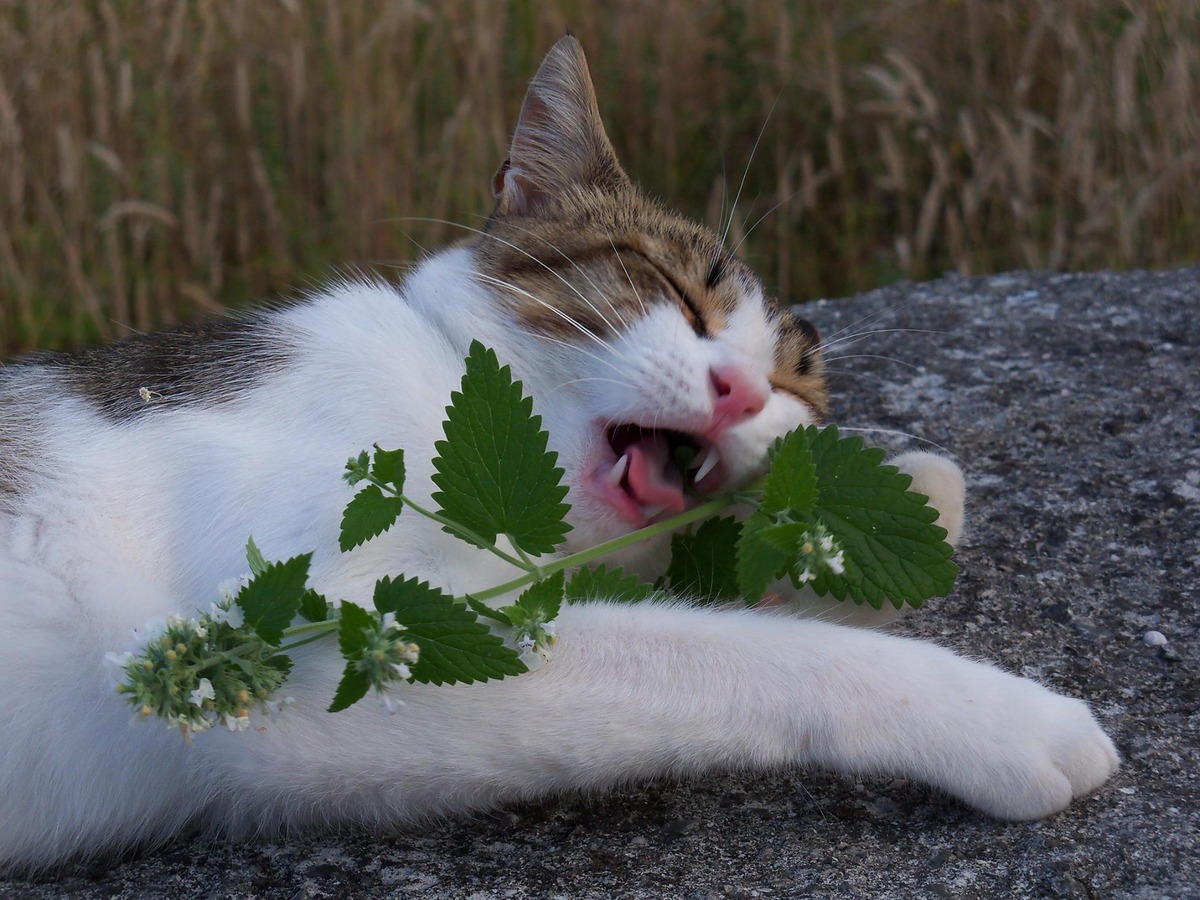
Nepetalactone Compound: The key to catnip's appeal is the volatile oil called nepetalactone, found in the plant's leaves, stems, and flowers. Cats are very sensitive to this compound. When they smell catnip, nepetalactone molecules bind to special olfactory receptors in their noses. This binding triggers a series of chemical reactions in the cat's brain, making the cat feel pleasant.
Pheromone-Like Effect: Nepetalactone has a pheromone-like effect on cats. This temporarily alters their behavior, resulting in pleasurable responses such as rolling, purring, jumping, and playing.
Genetic Factors: Some cats have a gene that determines their sensitivity to catnip, which is why these cats show a strong interest in it. Not every cat will react to catnip. This is related to the genetic makeup of cats. Approximately 20-30% of cats may be insensitive to catnip and show no reaction at all. This is completely normal and related to genetic factors.
Kedilerin Kedi Otuna Tepkisi
The effect of catnip on cats usually lasts 10-15 minutes. During this time, cats may be quite stimulated. However, after this effect passes, cats usually remain indifferent to catnip for several hours.
A number of behavioral changes are typically observed in cats that smell catnip. These include:
- Rolling and Purring: Cats may roll on the ground and purr loudly after smelling catnip. This is a pleasant state triggered by catnip.
- Jumping and Running: Catnip can cause a burst of energy in some cats. The cat may suddenly start jumping and running, and wandering around.
- Becoming More Social: Catnip can make some cats more social and affectionate. If your cat is normally a bit reserved, it may become more affectionate under the influence of catnip.
- Playing: Cats under the influence of catnip may show more interest in their toys, and become more energetic and active.

Benefits of Catnip for Cats
The positive effects of catnip on cats are quite beneficial for both their physical and mental health. Here are some of these benefits:
Increases the Desire to Play and Exercise
Catnip makes your cat more interested in its toys. Catnip toys prevent your cat from getting bored and give it the opportunity to have fun. This can strengthen the bond between you and your cat, as it creates opportunities for you to interact with it more.
Catnip is a great exercise stimulant for lazy or inactive cats. Cats exposed to catnip generally become more active, running, jumping, and playing. This increases your cat's daily physical activity and helps it stay healthy. It is also valuable in preventing obesity in cats. Reduces Stress and Calms Catnip can help stressed or anxious cats relax. Especially during stressful situations such as a vet visit or moving to a new home, catnip can help your cat feel more relaxed and peaceful. Improves Social Behavior Some cats become more social under the influence of catnip. Cats that are normally shy or withdrawn may behave more affectionate and friendly thanks to catnip.
Reduces Stress and Calms
Catnip can help stressed or anxious cats relax. Especially during stressful situations such as a vet visit or moving to a new home, catnip can help your cat feel more relaxed and peaceful.
Improves Social Behavior
Some cats become more social under the influence of catnip. Cats that are normally shy or withdrawn may behave more affectionate and friendly thanks to catnip.
Provides Mental Stimulation
Catnip stimulates cats mentally. Cats become more curious and interact more with their environment under the influence of catnip. This mental stimulation is especially important for indoor cats, as it motivates them to explore their surroundings and learn new things.
Training Aid
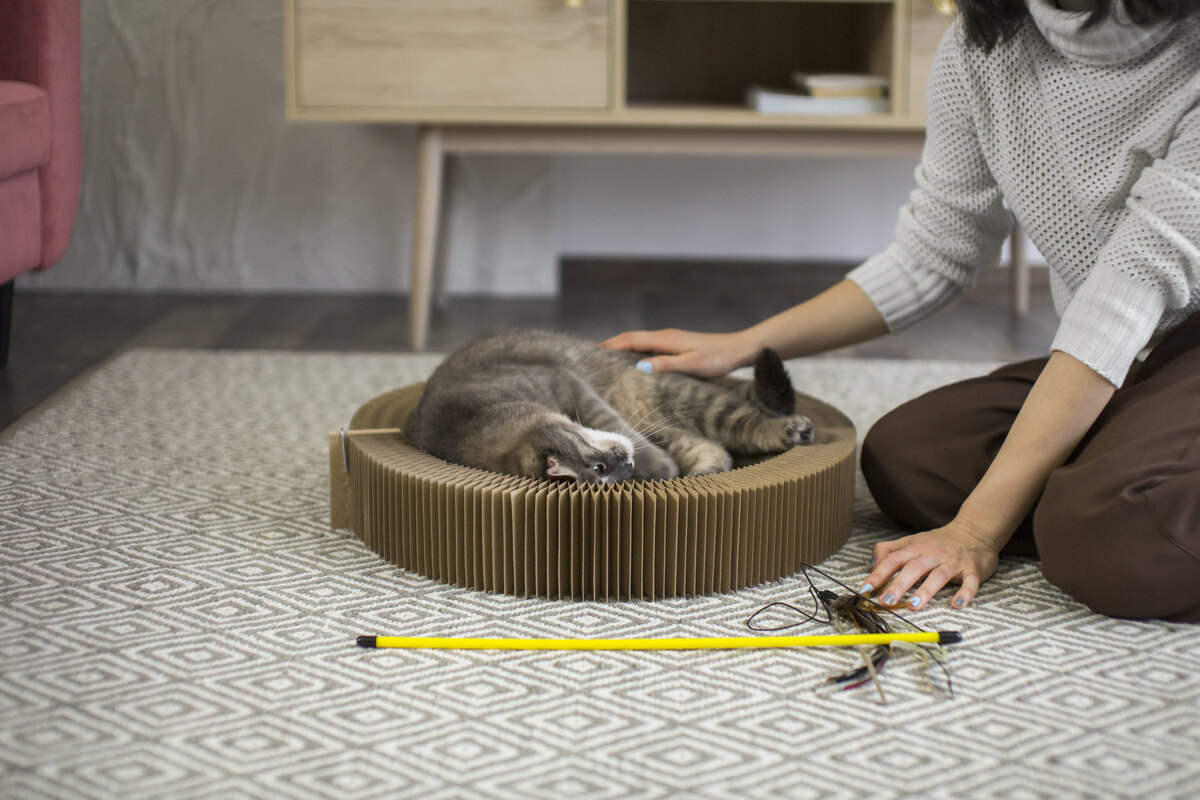
You can use catnip to encourage your cat to engage in a specific behavior. For example, if you want your cat to use a new scratching post or cat bed, sprinkling catnip on it can encourage your cat to use these objects. This can help keep your cat away from unwanted behaviors in the house.
Methods of Using Catnip
- Catnip Toys: You can sprinkle catnip inside or on toys. Your cat will have fun playing with these toys and benefit from the effects of catnip. Stuffed toys, in particular, allow you to add catnip and reuse them repeatedly. You can click here to explore catnip toys.
- Sprinkling on Scratching Posts: If you want to encourage your cat to use its scratching post or climbing tree, you can sprinkle some catnip on it. This will make your cat interested in these areas and can help prevent it from scratching your furniture.
- Catnip on Beds or Blankets: You can sprinkle catnip on your cat's bed or a frequently used area to make it more attractive. This will encourage your cat to spend more time in that area and relax.
- Catnip Spray: Catnip-infused sprays can be used as an alternative to the dry form of catnip. You can achieve the same effects by spraying these sprays on your cat's toys, scratching post, or bed. You can take a closer look at catnip sprays by clicking here.

Safety of Catnip
Catnip (Nepeta cataria) is completely safe for cats. There is no health risk when your cat plays with or sniffs catnip. However, there are a few small points to consider:
Things to Know When Using Catnip
- Avoid Excessive Consumption: Your cat may try to eat catnip. Chewing small amounts of catnip usually doesn't cause problems, but excessive consumption can cause symptoms such as mild stomach upset, diarrhea, vomiting, and dizziness in some cats. So, make sure your cat doesn't eat too much catnip. Fresh catnip is more effective than its dried form. Also, catnip oil is highly concentrated and therefore not recommended for cats.
- Insensitivity: Cats may become desensitized to catnip over time. If catnip is used too frequently, your cat's reaction may decrease or disappear completely. Therefore, using catnip occasionally, as a special treat or source of entertainment, may be more effective.
- Genetic Differences: Not every cat reacts to catnip. Some cats may be completely indifferent to catnip due to their genetic makeup. This is completely normal and does not pose a problem for your cat's health.
- Non-Toxic: Catnip is not toxic to cats. It is safe for your cat to play with, smell, or chew on catnip. However, you should always be sure of the safety of products marketed as catnip.
Frequently Asked Questions About Catnip
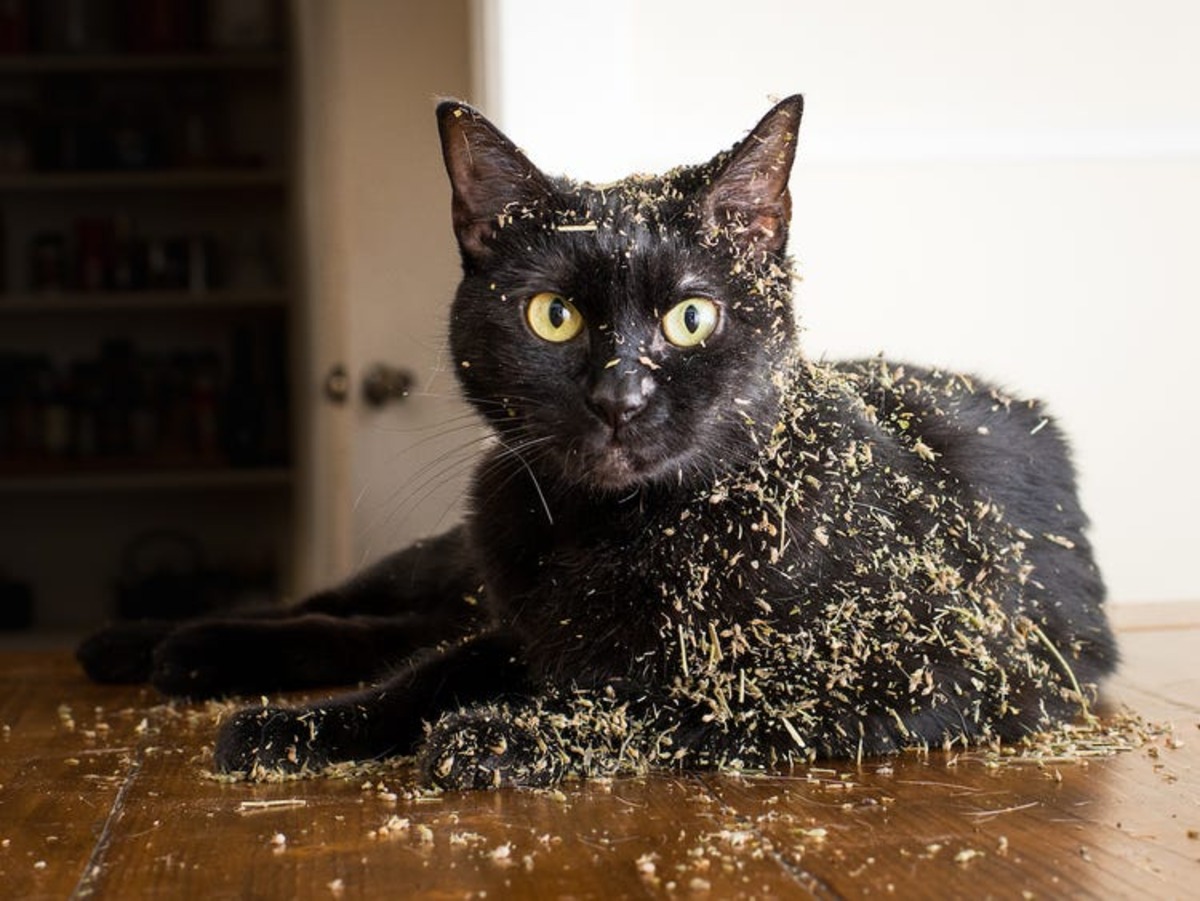
We have answered frequently asked questions about catnip, one of the plants that cat owners are most curious about.
Do all cats react to catnip?
No, not every cat reacts to catnip. While approximately 70-80% of cats react to catnip, the rest may be genetically insensitive. This is completely normal and does not indicate a health problem with your cat.
How can I give catnip to my cat?
You can use catnip in various ways. You can sprinkle catnip on toys, place it on a scratching post, or use catnip sprays. You can also offer catnip directly on the floor for your cat to enjoy. Is catnip safe for cats? Yes, catnip is perfectly safe for cats. Your cat can sniff, play with, and even chew on small amounts of catnip. However, it is not recommended to consume excessive amounts, as this may lead to mild stomach upset. Will catnip permanently change my cat's behavior? No, the effects of catnip are generally short-lived and do not lead to permanent behavioral changes. The effect of catnip creates a short-term stimulation in your cat's brain, which disappears after 10-15 minutes. After that, your cat returns to normal.
Is catnip safe for cats?
Yes, catnip is completely safe for cats. Your cat can sniff, play with, and even chew small amounts of catnip. However, it is not recommended to consume excessive amounts, as this may lead to mild stomach upset.
Will catnip permanently change my cat's behavior?
No, the effects of catnip are generally short-lived and do not lead to permanent behavioral changes. The effect of catnip creates a short-term stimulation in your cat's brain, which disappears after 10-15 minutes. Afterwards, your cat returns to normal.
How often should I use catnip?
It's best to use catnip occasionally, as a special treat. Frequent use can reduce your cat's sensitivity to catnip and cause its effect to disappear. Using it once or twice a week is usually sufficient.
Can catnip harm my cat?
Catnip is not harmful to your cat. However, ingestion in excessive amounts may cause stomach upset in some cats. You just need to make sure your cat doesn't overconsume catnip.
Kedi otunu nereden bulabilirim?
You should obtain catnip from reliable sources. For use with cats, catnip, also known as cat mint, should be preferred. You can review reliable catnip products for your cat by clicking here.
My cat is insensitive to catnip, what should I do?
Some cats may be insensitive to catnip. The reaction to catnip is a genetic factor, and not all cats have this sensitivity. Approximately 20-30% of cats do not react to catnip. This is completely normal and is not a cause for concern for your cat's health.
Which cat breeds like catnip more?
Since the reaction to catnip is genetic, there is no such thing as one particular cat breed liking catnip more than others. However, some studies suggest that purebred cats, in particular, may react more strongly to catnip. Nevertheless, each cat should be evaluated individually.
How often should I use catnip?
It is best to use catnip occasionally, as a special treat. Using it too frequently can reduce your cat's sensitivity to catnip and cause it to lose its effectiveness. Using catnip once or twice a week is usually enough to keep your cat's interest alive.
Can catnip be harmful to cats?
Catnip is not harmful to cats and can generally be used safely. However, you should be careful that your cat does not eat excessive amounts of catnip. When consumed in large quantities, it can cause stomach upset. When used in small amounts, catnip has no harmful effects.
Are catnip and valerian root the same?
Catnip and valerian root are not the same plant; they are two different plants. Both can be effective on cats, but they are derived from different plants and may have different effects on cats.
Kedi Nanesi (Catnip - Nepeta cataria)
- Plant Type: Belongs to the mint family.
- Active Compound: Nepetalactone.
- Effect: Catnip has a fun and stimulating effect on most cats. Cats may exhibit behaviors such as rolling, jumping, and purring when they smell catnip. The effect is usually short-lived, about 10-15 minutes.
Kedi Otu (Valerian Root - Valeriana officinalis)
- Plant Type: Valerian root (valeriana officinalis).
- Active Compound: Actinidin.
- Effect: Valerian root can have a calming and relaxing effect on some cats. However, a stimulating effect may also be observed in some cats. Unlike catnip, valerian root generally has a longer-lasting effect and may produce a different reaction in cats.
Advertisement
Advertisement
Keep exploring
Continue reading

Cat Lifestyle & Guides
What is Cat Soup? Is it Beneficial for Cats?
If your cat rarely visits its water bowl, is sometimes reluctant to eat dry food, or shows interest in different textures, liquid products may catch…
Read guide →
Cat Lifestyle & Guides
How to Give Rewards and Snacks to a Neutered Kitten?
The Feline Veterinary Medical Association supports neutering kittens until they are five months old.
Read guide →
Cat Lifestyle & Guides
Benefits of Colostrum for Cats and Dogs
Colostrum is the first milk produced by mother cats and dogs after birth. Thanks to its antibodies and high nutrient content, it responds to the…
Read guide →
Cat Lifestyle & Guides
Why is Gut Health Important in Cats?
In cats, bowel health is linked to many areas, from digestive regularity and immune system-related processes to energy levels and daily comfort.
Read guide →