What is Hip Dysplasia in Dogs? What are its Symptoms?
Hip dysplasia, also known as hip dislocation, is a health problem that frequently occurs in large breed dogs, reducing their quality of life and causing pain. Although hip dysplasia is more common in large breed dogs, it can also occur in small breed dogs.
Advertisement
Hip dysplasia, also known as hip dislocation, is a health problem that frequently occurs in large breed dogs, reducing their quality of life and causing pain. Although hip dysplasia is more common in large breed dogs, it can also occur in small breed dogs. Therefore, knowing the causes of this problem offers a great advantage in taking the necessary precautions. In this article, you can find detailed information about hip dysplasia in dogs.
What is Hip Dysplasia in Dogs?
Hip dysplasia in dogs can be defined as a hip deformity that occurs during the developmental process. For a healthy hip structure to develop in dogs, the joint socket in the pelvis and the rounded part of the leg bone must grow proportionally. In hip dysplasia, the bone head and the bone socket do not develop parallel and do not complement each other in a harmonious way. As a result, a stabilization problem occurs in the joint; serious deformities occur in the bone head or bone socket. The answer to the question "What happens if hip dysplasia in dogs is not treated?" is hidden in this information. If hip dysplasia in dogs is not treated, the deformities in the joint socket and/or bone head progress, and the joint loses its function over time.
What are the Causes of Hip Dysplasia in Dogs?
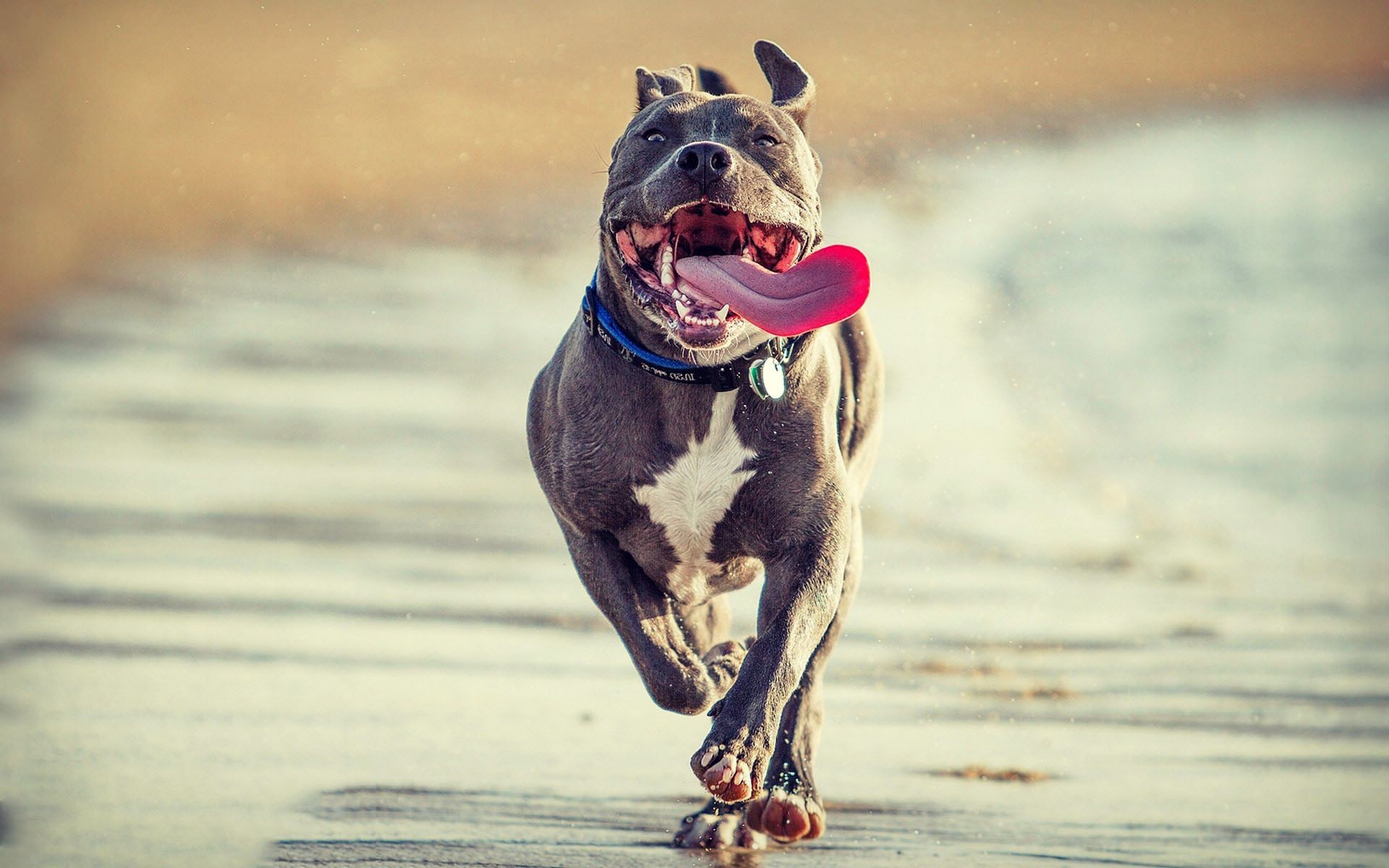
There are multiple causes of hip dysplasia in dogs. However, genetic factors are the primary cause. Hip dysplasia is a genetic disease, particularly common in large breed dogs. However, diet, exercise level, growth rate, hormones, muscle mass, and environmental factors are also thought to play a role in the development of hip dysplasia.
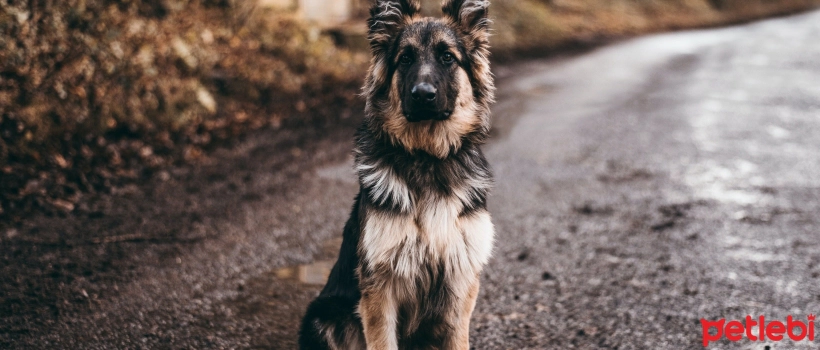
A study conducted on puppies at risk of hip dysplasia revealed that when puppies consume as much food as they want, their risk of hip dysplasia increases significantly due to weight gain. A study on German Shepherd dogs showed that overweight puppies are twice as likely to develop hip dysplasia compared to fit puppies. Therefore, large breed dogs need to be fed with foods specifically formulated for their developmental stages and needs. Foods formulated for large breed puppies contain nutrients that inhibit excessive growth to prevent various joint diseases, including hip dysplasia. By supporting the growth of joints without excessive strain, the risk of hip dysplasia can be minimized. Incorrect and unbalanced nutrition, along with too much or too little exercise, can also trigger the development of hip dysplasia in dogs.
What are the Symptoms of Hip Dysplasia in Dogs?
Symptoms of hip dysplasia in dogs can appear as early as puppyhood, around 4 months of age. In adult dogs, osteoarthritis can cause hip dysplasia as they age. In both scenarios, being aware of the symptoms of hip dysplasia in dogs is important for early intervention in hip dysplasia treatment processes.
There may not be a definitive answer to the question "How to recognize hip dysplasia in dogs?", as symptoms can vary depending on many factors. Symptoms of hip dysplasia in dogs can vary depending on the progression of the disease, the degree of laxity in the joint, how long the problem has been ongoing, and the level of inflammation. The most common symptoms include decreased movement, reduced mobility, difficulty jumping, running, and climbing, lameness in the hind leg, muscle atrophy in the thigh area, enlargement of the shoulder muscles, pain, and wobbling.
Diagnosis of Hip Dysplasia in Dogs
Hip dysplasia can be diagnosed through physical examinations performed during routine veterinary checkups. In some cases, dogs showing signs of hip dysplasia may require health checkups due to the discomfort they experience. For dogs with suspected hip dysplasia, it may be necessary to first test for joint laxity and determine the range of motion. A complete blood count can also determine whether there is inflammation due to joint disease. Radiography and X-rays are taken for a definitive diagnosis. By using imaging methods, veterinarians can determine the degree and severity of hip dysplasia and plan the most appropriate treatment.

Treatment of Hip Dysplasia in Dogs
Treatment of hip dysplasia in dogs may involve various methods, from lifestyle changes to evaluating surgical options. When developing a treatment plan, the symptoms experienced by dogs are taken into consideration. If the disease has not progressed significantly, the aim is to reduce the load on the hips by reducing weight loss, shortening exercise periods, and increasing mobility through physical therapy. In this context, the use of hip dysplasia medications in dogs may also be considered. Nonsteroidal anti-inflammatory drugs and corticosteroids can be used to reduce inflammation. If hip dysplasia medications and treatment alternatives aimed at relieving symptoms are ineffective, surgical options may be necessary. Hip dysplasia surgery in dogs can be performed using different techniques. Treatment planning should be done individually for each dog, in accordance with the recommendations of veterinarians. Methods that can be used within the scope of treatment can be listed as follows: Weight Control The dog's weight has a significant impact on rapidly developing joint pain. More weight means more pressure on the joints. Therefore, obesity is one of the main causes of joint problems in dogs. By consulting with a veterinarian, you can make changes to your dog's diet and help it return to a healthy weight. Weight loss in overweight dogs significantly relieves joint pain and also helps slow the progression of the problem. At this point, consuming light dog food may become a necessity. You can review light dog food varieties here. Exercise You can prevent early-onset hip problems by prioritizing regular exercise for your dog. Although hip problems can occur at any age, the exercise your dog does will ensure they are healthier in old age. To establish a regular and disciplined walking routine, you need to dedicate time to your dog and adhere to the routine as much as possible. On the other hand, paradoxically, not overdoing exercise is equally important. Excessive running and jumping can have a negative effect, especially on puppies, and can lead to wear and tear on the hip joint over time. Rest Like humans, dogs need to sleep and rest. Sleep should be considered a process during which the body heals. During sleep, the joint remains stable for the ideal duration. If your dog is not sleeping enough or does not have a sleep routine, this can lead to hip dysplasia. Surgery For dogs with severe hip dysplasia, surgery may be the only solution. Nowadays, hip dysplasia surgeries are quite successful. It is usually a last resort when other treatment methods have failed and the condition is progressively worsening. Can Hip Dysplasia in Dogs Be Prevented?
In dogs with hip dysplasia, if medications and treatment alternatives aimed at alleviating symptoms are ineffective, surgical options may be necessary. Hip dysplasia surgery in dogs can be performed using different techniques. Treatment planning should be done individually for each dog, in accordance with the recommendations of a veterinarian. Methods that can be used in treatment include:
Weight Control
A dog's weight has a significant impact on rapidly developing joint pain. More weight means more pressure on the joints. Therefore, obesity is one of the main causes of joint problems in dogs. By consulting with a veterinarian, you can make changes to your dog's diet and help it return to a healthy weight. Weight loss in overweight dogs significantly relieves joint pain and also helps slow the progression of the problem. At this point, consuming light dog food may become a necessity. You can review light dog food varieties here.

Egzersiz
You can prevent early-onset hip problems by prioritizing regular exercise for your dog. Although hip problems can occur at any age, the exercise your dog does will ensure they are healthier in old age. To establish a regular and disciplined walking routine, you need to dedicate time to your dog and adhere to the routine as much as possible. On the other hand, paradoxically, it is equally important not to overdo exercise. Excessive running and jumping can have a negative effect, especially on puppies, and can lead to wear and tear on the hip joint over time.
Dinlenme
Like humans, dogs need sleep and rest. Sleep should be considered a process during which the body heals. During sleep, the joint remains stable for the ideal duration. If your dog is not getting enough sleep or does not have a sleep routine, this can lead to hip dysplasia.
Ameliyat
For dogs with severe hip dysplasia, surgery may be the only solution. Nowadays, hip dysplasia surgeries are quite successful. It is usually a last resort when other treatment methods have failed and the condition is progressively worsening.
Can Hip Dysplasia in Dogs Be Prevented?
Hip dysplasia in dogs cannot always be prevented. However, there are various measures that can be taken to reduce the risk of developing this disease. To maintain the health of a dog's skeletal system, it is necessary to ensure a healthy and balanced diet from puppyhood. It is possible to protect the musculoskeletal system of dogs with food chosen according to breed, developmental stage, and specific health needs. Weight control is also very important in reducing the risk of hip dysplasia in dogs. To prevent obesity, food intake should be controlled and regular exercise should be provided. In addition to all this, not neglecting veterinary check-ups and the use of supplements that support musculoskeletal health will also provide significant benefits. You can review the types of dog vitamins and supplements by clicking here.
Advertisement
Advertisement
Keep exploring
Continue reading
Dog Health
7 Mistakes Made in Dog Training and Correct Approaches
A dog's failure to respond immediately to commands is often interpreted as stubbornness or disobedience.
Read guide →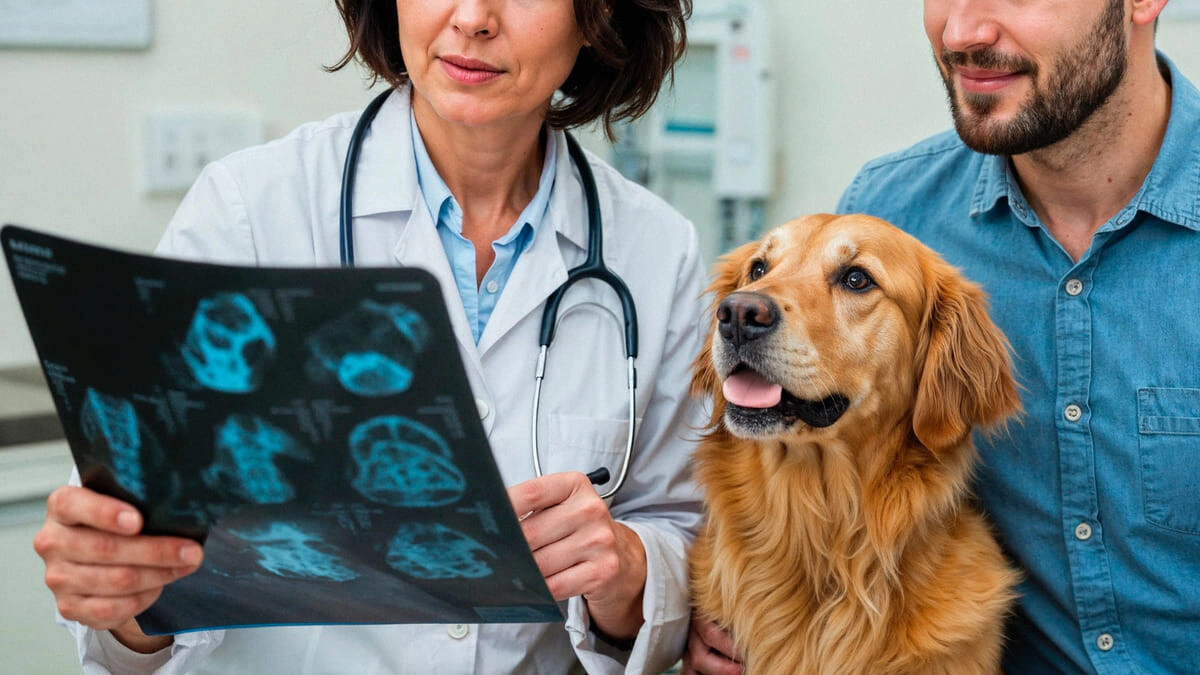
Dog Health
Symptoms, Causes and Treatment of Enlarged Heart in Dogs
Your dog stops earlier than usual during walks, stops playing quickly, has noticeably faster breathing when climbing stairs, or If your dog has a dry…
Read guide →
Dog Health
Causes, Symptoms, and Treatment Methods of Oral Melanoma in Dogs
Imagine you notice a small lump in your dog's mouth one morning. This lump, which might be mistaken for an insignificant wound or gum problem, could…
Read guide →
Dog Health
Beyond the Itch: Causes and Treatment Methods of Skin Diseases in Dogs
Skin diseases in dogs should not be perceived as merely negative changes in aesthetic appearance.
Read guide →