What is Hypothyroidism in Dogs? What are its Symptoms and How is it Treated?
Hypothyroidism in dogs is a common disease caused by an imbalance in hormones. While it can occur in all breeds, it is particularly common in Golden Retrievers, Labrador Retrievers, Doberman Pinschers, Boxers, and Cocker Spaniels.
Advertisement
Hypothyroidism in dogs is a common disease caused by an imbalance in hormones. While it can occur in all breeds, it is particularly common in Golden Retrievers, Labrador Retrievers, Doberman Pinschers, Boxers, and Cocker Spaniels. Hypothyroidism, which is more frequent in middle-aged and medium-to-large breed dogs, affects metabolic rate, so early detection of symptoms is important. In this article, you can find detailed information about hypothyroidism in dogs.
What is Hypothyroidism in Dogs?
The thyroid gland is located in the neck and produces a hormone called thyroxine, which is responsible for converting consumed food into energy. The inability to adequately secrete thyroxine is called "hypothyroidism". Conversely, when too much thyroxine hormone is produced, this condition is called "hyperthyroidism." In dogs with hypothyroidism, the metabolic rate slows down significantly. Symptoms appear as those characterized by a slowed metabolism. What are the Symptoms of Hypothyroidism in Dogs? As mentioned earlier, hypothyroidism in dogs causes a slowdown in metabolism. This slowdown in metabolic rate can affect all organs in the body. Symptoms of hypothyroidism in dogs can be listed as follows:
What are the Symptoms of Hypothyroidism in Dogs?
As we mentioned earlier, hypothyroidism in dogs causes a slowdown in metabolism. This slowdown in metabolic rate can affect all organs in the body. The symptoms of hypothyroidism in dogs can be listed as follows:
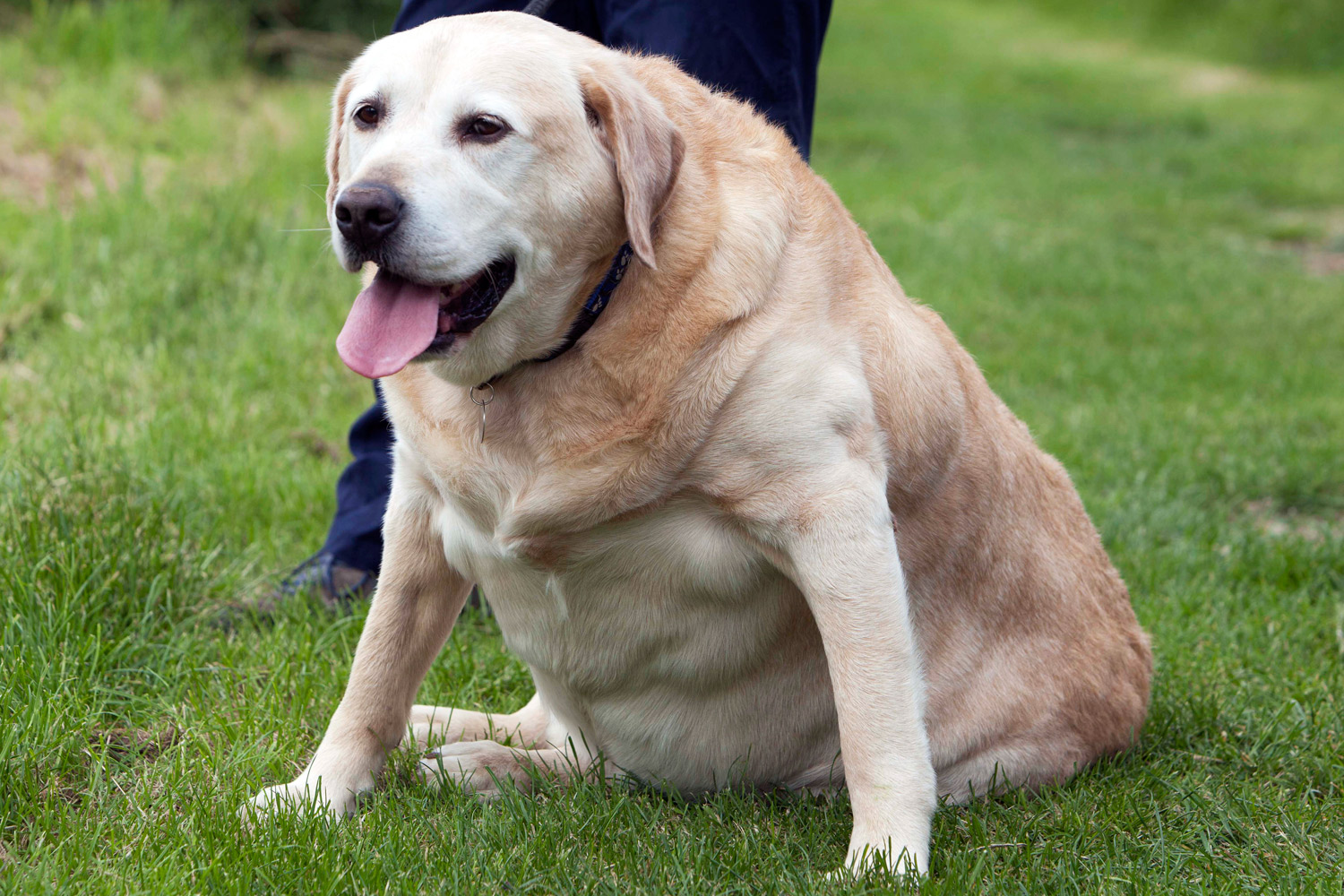
- Weight gain despite no change in appetite,
- Lethargy, low energy,
- Decreased tolerance to cold,
- Unhealthy coat, increased shedding,
- Darkening of skin color,
- Increased skin and ear infections,
- Lack of hair regrowth after grooming,
- High cholesterol levels, and
- Decreased heart rate.
In addition to all these symptoms, hypothyroidism in some dogs can lead to different anomalies. Thickening of the facial skin and a sad facial expression, lameness and lack of coordination, infertility, fat accumulation in the cornea of the eye, and dry eyes due to decreased tear production are among the symptoms that may occur due to hypothyroidism.
Causes of Hypothyroidism in Dogs
It is generally suspected that one of two diseases is behind the development of hypothyroidism in dogs. One of these diseases is lymphocytic thyroiditis, and the other is idiopathic thyroid gland atrophy. Lymphocytic thyroiditis is considered the most common cause of hypothyroidism in dogs. In such a case, the immune system perceives the thyroid glands as a threat and activates its defense mechanism by attacking the glands. Although the exact cause of this immune system response is unknown, it is thought to be influenced by genetic factors. In idiopathic thyroid atrophy, the normal thyroid gland tissue is replaced by fatty tissue. The exact cause of this disease is also not fully known. 95% of the causes of hypothyroidism in dogs are due to these two diseases. However, the remaining 5% include different health problems such as thyroid cancer. Diagnosis of Hypothyroidism in Dogs Diagnosis of hypothyroidism in dogs is usually easy. The first step to take after observing the symptoms caused by the disease is to consult a veterinarian. During the examination, a detailed medical history should be provided so that the symptoms experienced by the dogs can be understood more comprehensively. After a physical examination, it may be possible to diagnose the disease with blood tests and urine analysis.
Diagnosis of Hypothyroidism in Dogs
Diagnosis of hypothyroidism in dogs is usually easy. The first step to take after observing the symptoms caused by the disease is to consult a veterinarian. During the examination, a detailed medical history should be provided so that the symptoms experienced by the dogs can be understood more comprehensively. After a physical examination, it may be possible to diagnose the disease with blood tests and urine analysis.
Treatment of Hypothyroidism in Dogs
Hypothyroidism in dogs is a disease that cannot be completely cured, but it can be controlled and managed with the right treatments. Since hypothyroidism involves a deficiency of thyroid hormones, the priority will be to compensate for the hormone deficiency. In this regard, hormone therapy can be started for dogs. If hormone therapy is successful, it can be observed that the symptoms of hypothyroidism in dogs begin to regress and their energy levels return.
If supplement use is recommended as part of the treatment of hypothyroidism in dogs, it is necessary to adhere to the dose and frequency of use recommended by the veterinarian. Dose adjustment is usually made according to the weight of the dogs. If dogs are given more supplements than necessary, unintended results may occur and symptoms of hyperthyroidism may appear in dogs. Information about the final state of hormone balance can be obtained by going for check-ups a few weeks after the start of treatment.
Advertisement
Advertisement
Keep exploring
Continue reading
Dog Health
7 Mistakes Made in Dog Training and Correct Approaches
A dog's failure to respond immediately to commands is often interpreted as stubbornness or disobedience.
Read guide →
Dog Health
Symptoms, Causes and Treatment of Enlarged Heart in Dogs
Your dog stops earlier than usual during walks, stops playing quickly, has noticeably faster breathing when climbing stairs, or If your dog has a dry…
Read guide →
Dog Health
Causes, Symptoms, and Treatment Methods of Oral Melanoma in Dogs
Imagine you notice a small lump in your dog's mouth one morning. This lump, which might be mistaken for an insignificant wound or gum problem, could…
Read guide →
Dog Health
Beyond the Itch: Causes and Treatment Methods of Skin Diseases in Dogs
Skin diseases in dogs should not be perceived as merely negative changes in aesthetic appearance.
Read guide →