What Should We Pay Attention to When Using Antibiotics in Cats?
We always want our cats to be happy and healthy. We choose the highest quality food, meticulously follow their care procedures, and ensure they go for regular veterinary checkups to prevent possible illnesses.
Advertisement
We always want our cats to be happy and healthy. We choose the highest quality food, meticulously follow their care procedures, and ensure they go for regular veterinary checkups to prevent possible illnesses. But sometimes, despite all these efforts, we cannot prevent them from contracting various diseases.
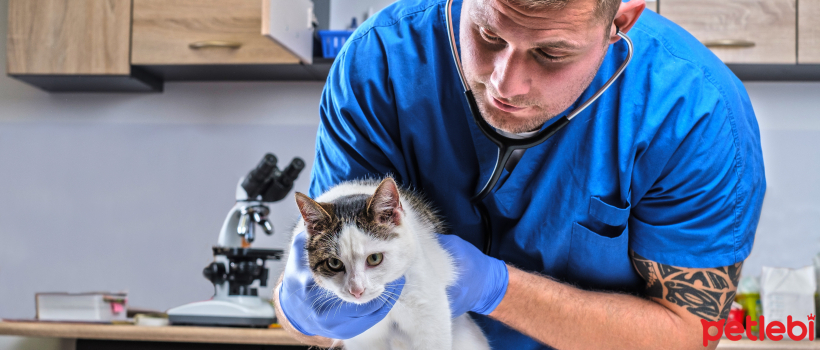
Just like humans and dogs, cats can also get infections due to bacteria and fungi. If they get an infection, antibiotic use may be necessary both to cure the infection and to prevent its spread. The decision to use antibiotics in cats must be made based on the examination and additional test results performed by veterinarians; the opinions of veterinarians regarding the method, duration, and dosage of antibiotic use in cats should be implemented. In this article, we will draw attention to what you need to know about antibiotic use in cats, .
When Are Cat Antibiotic Medications Used?
Many bacteria and fungi cause infections. Infections caused by these harmful microorganisms can affect different parts of the body, and the severity and spread of infections can vary. The most common infections in cats can be listed as skin infections, urinary tract infections, soft tissue infections, bone infections, respiratory tract infections, lung infections, liver infections, and tooth and gum infections. Along with the use of antibiotics in cats, the answers to the question "how to give antibiotics to cats?" may vary depending on the location of the infection and the effects it causes. Since each type of infection has its own characteristics, it is important to give antibiotics according to the causes.

Most Common Types of Antibiotics Given to Cats
Antibiotics are specifically developed to act on certain infections. Some antibiotics are more general and act as a broad spectrum, while others are used for more specific purposes. Therefore, before using antibiotics in cats, the specific needs of the cat should be determined as accurately as possible. In general, the most frequently prescribed types of antibiotics for cats can be listed as follows:
Amoxicillin: Amoxicillin is a broad-spectrum antibiotic. It is used to treat bacterial infections in cats. It is quite effective in many areas, from skin infections to gastrointestinal infections.
Cephalexin: Cephalexin, known to cause minimal side effects, is among the broad-spectrum feline antibiotics. It is preferred in the treatment of urinary tract infections, skin and soft tissue infections, bone and respiratory tract infections.
Clindamycin: It is successfully tolerated by the cat's metabolism and acts quickly. Therefore, it can also be preferred in the treatment of kittens. Clindamycin can be successful in treating skin, oral, and bone infections. Enrofloxacin: May be prescribed for urinary tract, skin, prostate, lung, respiratory tract, and liver infections. Metronidazole: Metronidazole is an antibiotic used to treat gum disease in cats, but it is also effective against gastrointestinal infections. How to Give Antibiotics to Cats? The answer to the question "Can antibiotic pills be given to cats?" is "yes," provided it is prescribed by a veterinarian. Antibiotics used in cats can come in different forms. Veterinarians will provide detailed information on how to use antibiotics in pill, ointment, and intravenous injection forms.
Enrofloxacin: May be prescribed in case of urinary tract, skin, prostate, lung, respiratory tract, and liver infections.
Metronidazole: Metronidazole is an antibiotic used to treat gum disease in cats, but it is also effective against gastrointestinal infections.
How to Give Antibiotics to Cats?
The answer to the question "Can cats be given antibiotic pills?" is "yes," provided they are prescribed by a veterinarian. Antibiotics used in cats come in different forms. Veterinarians will provide detailed information on how to use antibiotics in pill, ointment, and intravenous injection forms.
What are the Side Effects of Antibiotics in Cats?
As in humans, various side effects can occur in cats after antibiotic use, depending on the type of antibiotic used. Skin rash, allergy, fever, kidney and liver problems, diarrhea, vomiting, digestive problems, and infection at the injection site in cats can be given as examples of side effects.
Some side effects can be easily overcome. Taking the risk of side effects is often easier if the benefits of the antibiotic are understood. Not all cats show side effects after using antibiotics. It is important to inform veterinarians in case of any possible symptoms.
Kedilerde Antibiyotik Alerjisi
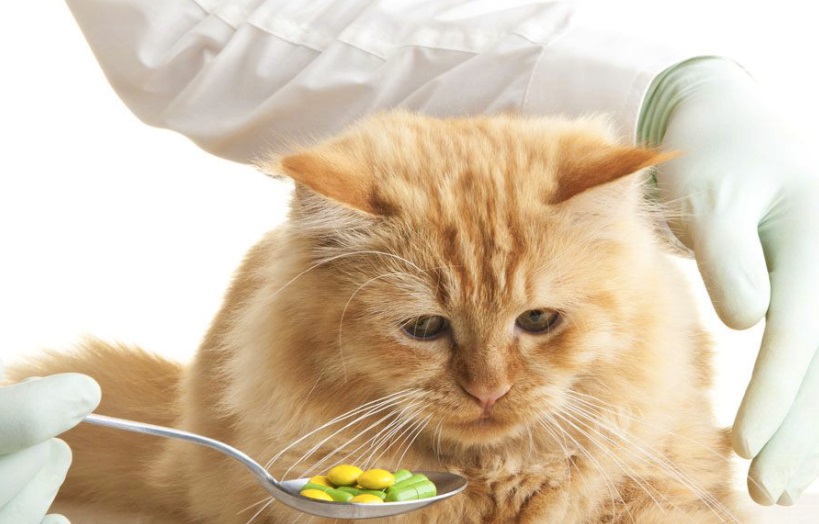
Some cats may have antibiotic allergies. Allergic reactions that occur after antibiotic use are varied; If symptoms such as rash, swelling, itching, airway constriction, diarrhea, shortness of breath, dehydration, vomiting, and fever are observed, immediate veterinary consultation is necessary. Antibiotic allergies in cats can occur due to interactions with other medications, overdosing, and an overactive immune system. When is Antibiotic Use in Cats Ineffective? Before applying antibiotics in ointment form to the skin, the wound must be cleaned. If the wound is not completely cleaned, the antibiotics may not penetrate the area, and treatment may fail. Antibiotics must be determined specifically for the type of bacteria causing the infection. Therefore, successful treatment cannot be achieved as a result of incorrect antibiotic use. Dosages that are too strong or too weak can also hinder the success of the treatment process. Therefore, it is important to use antibiotics for the correct duration, frequency, and dosage.
When is Antibiotic Use in Cats Ineffective?
Before applying antibiotic ointments to the skin, the wound must be cleaned. If the wound is not completely cleaned, the antibiotics may not penetrate the area, and treatment may fail.
Antibiotics must be determined specifically for the type of bacteria causing the infection. Therefore, incorrect antibiotic use will prevent successful treatment.
Dosages that are too strong or too weak can also hinder the success of the treatment process. Therefore, it is important to use antibiotics for the correct duration, frequency, and dosage.
Taking precautions to protect cats against possible diseases is always the best approach. In this context, it is important for cats to be under the control of a veterinarian, to consume food appropriate for their developmental stage and general health condition, and to receive vitamin and nutritional supplements as recommended by the veterinarian. You can review our vitamin and nutritional supplement products here and choose from alternatives that will strengthen your pet's immune system.
Kedilerde Antibiyotik Direnci
Antibiotics are important medications that help to cope with serious health problems and can treat bacterial or fungal infections. However, if misused or abused, bacteria and fungi can develop the ability to survive against these drugs formulated to kill them. In such a case, the antibiotics used become ineffective and unable to treat infections. Antibiotic resistance, just like in humans, can negatively affect the treatment processes of cats and dogs.
Advertisement
Advertisement
Keep exploring
Continue reading

Cat Lifestyle & Guides
What is Cat Soup? Is it Beneficial for Cats?
If your cat rarely visits its water bowl, is sometimes reluctant to eat dry food, or shows interest in different textures, liquid products may catch…
Read guide →
Cat Lifestyle & Guides
How to Give Rewards and Snacks to a Neutered Kitten?
The Feline Veterinary Medical Association supports neutering kittens until they are five months old.
Read guide →
Cat Lifestyle & Guides
Benefits of Colostrum for Cats and Dogs
Colostrum is the first milk produced by mother cats and dogs after birth. Thanks to its antibodies and high nutrient content, it responds to the…
Read guide →
Cat Lifestyle & Guides
Why is Gut Health Important in Cats?
In cats, bowel health is linked to many areas, from digestive regularity and immune system-related processes to energy levels and daily comfort.
Read guide →