Where do cats live? What is a cat house used for? What are its advantages?
The differences between cats' natural habitats and city life play a significant role in the diversification and changes in their housing needs. By nature free and curious, these animals need special shelters to cope with the challenges they face in cities.
Advertisement
The differences between cats' natural habitats and city life play a significant role in the diversification and changes in their housing needs. By nature free and curious, these animals need special shelters to cope with the challenges they face in cities.
In this article, you can find information about the real natural habitats of cats, cat houses that will meet the needs of cats that do not live in their natural habitat, and topics that will increase the comfort of cats' lives, such as the function, advantages, and how to choose these houses.
Natural Habitats of Cats
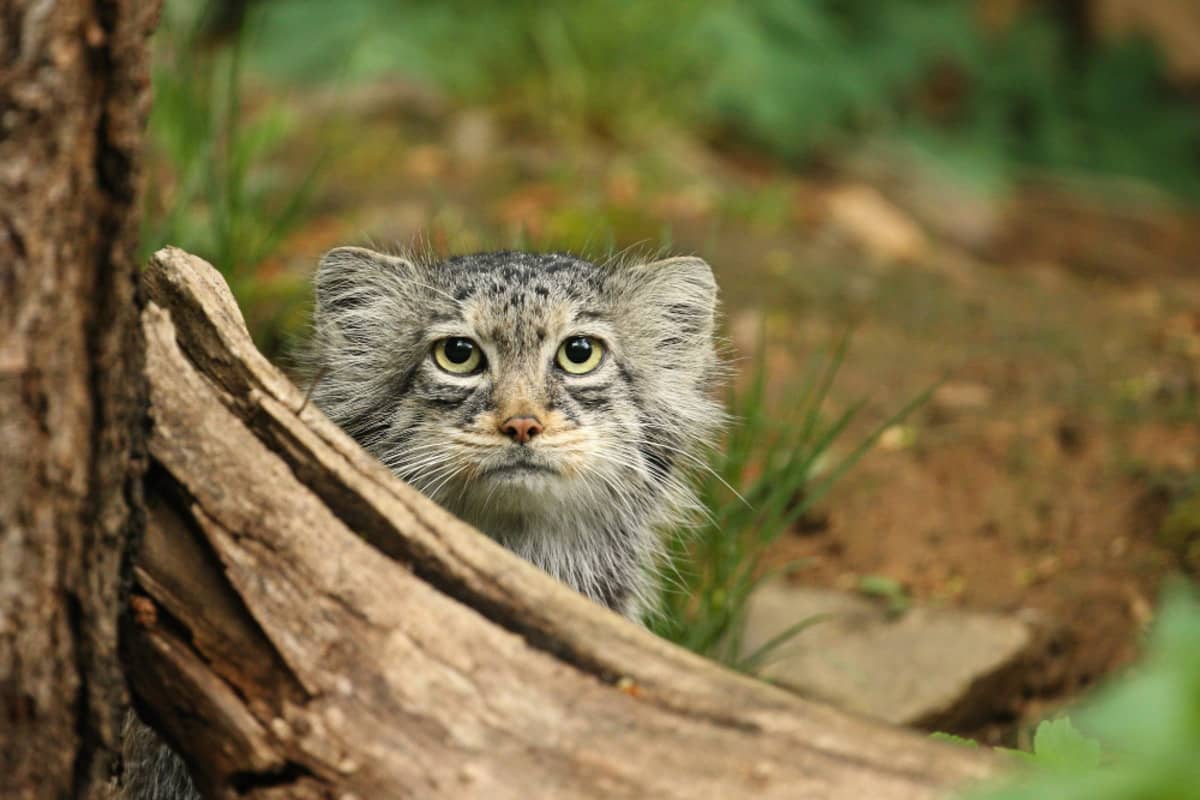
Felines living in the wild find hidden and protected shelters thanks to their hunting instincts and ability to adapt to their environment. These natural habitats offer them both hunting opportunities and help protect them from dangers. So, where are these habitats of cats?
Forest Areas
Wild cats and small felines often inhabit forested areas or thickets with dense vegetation. These areas offer opportunities for concealment while hunting and are ideal hiding places for cats. Trees allow cats to climb and escape dangers, while bushes act as natural barricades.
Rocky Areas
Natural rocky areas and caves serve as safe havens for cats. Providing protection from both the cold and other predators, these areas are particularly suitable for cats, who are more active at night, to rest. In nature, cats prefer to rest in enclosed and isolated areas such as caves.
Farms and Agricultural Lands
The ancestors of domestic cats also lived in areas close to human settlements, such as farms and agricultural lands. These areas provide cats with easier access to food sources. Since small rodents are abundant in agricultural areas, they offer a rich hunting environment for cats. In such areas, additional shelters are often provided for cats by humans, offering them additional security.
Stray Cats Living in the City
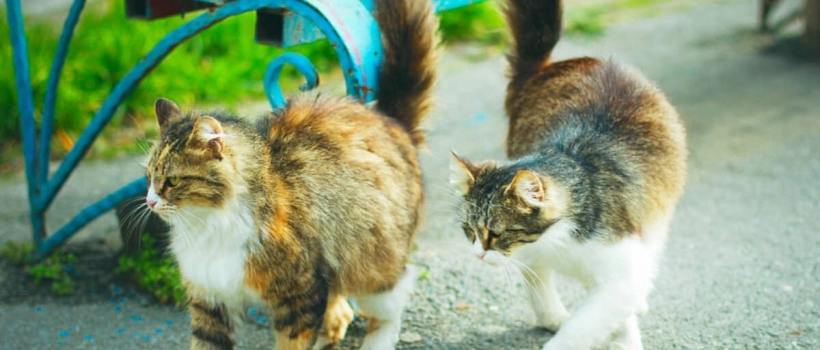
The situation of cats living in modern cities is quite different. City life makes it difficult for cats to act according to their natural instincts. Since hunting and shelter are difficult for cats in the city, they need human support. For cats who need to hunt for protection from predators and for sufficient food in the wild, there are countless dangers and difficulties in the city.
The difficulty of hunting due to urbanization is just one of these challenges. Natural shelter areas for street cats are limited in the city. Cats, especially in densely populated areas, have to find creative solutions to stay away from dangers. External factors such as traffic, other animals, and people threaten the lives of cats. Street cats may have difficulty finding sufficient food and water and may need a reliable shelter.
Stray cats may try to keep warm by hiding under cars during cold and rainy weather, but this is a dangerous shelter solution. A car with its engine recently switched off can cause cats to catch fire, and careless drivers can even injure them if they don't notice and move the vehicle. Spaces in the basements of apartment buildings or abandoned buildings are also common places where cats seek refuge. However, these are usually damp, dirty, and unhealthy, making them unsuitable for cats to live in.
For all these reasons, having weather-resistant and environmentally durable cat houses on the streets is of great importance for cats to live a more protected and healthy life, away from such dangers. Especially in winter months, specially made cat houses suitable for weather conditions help street cats survive by reducing the risk of hypothermia. What is a cat house, which is one of the basic needs for our friends living on the streets to live a healthy life, and what kind of features should it have?
What is a Cat House?
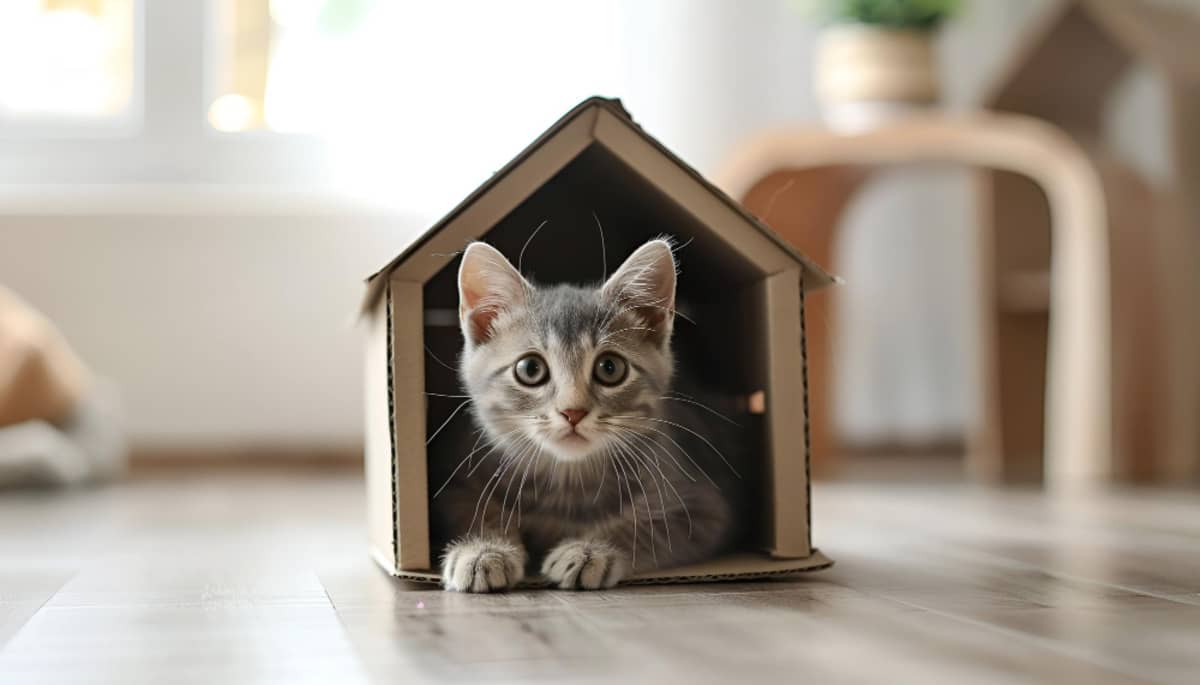
Cat houses can be defined as items where cats can shelter warmly, safely, and comfortably. Cat houses, which can be produced from different materials according to their purpose and location, have designs suitable for the needs of cats living in houses and cats living on the streets.
Cat houses are produced in different models and materials for both indoor and outdoor use. More decorative and aesthetic designs are preferred for indoor use, while waterproof and durable materials are preferred for outdoor use. These houses keep cats warm while protecting them from weather conditions such as rain, wind, snow, and cold.
The Importance of Cat Houses
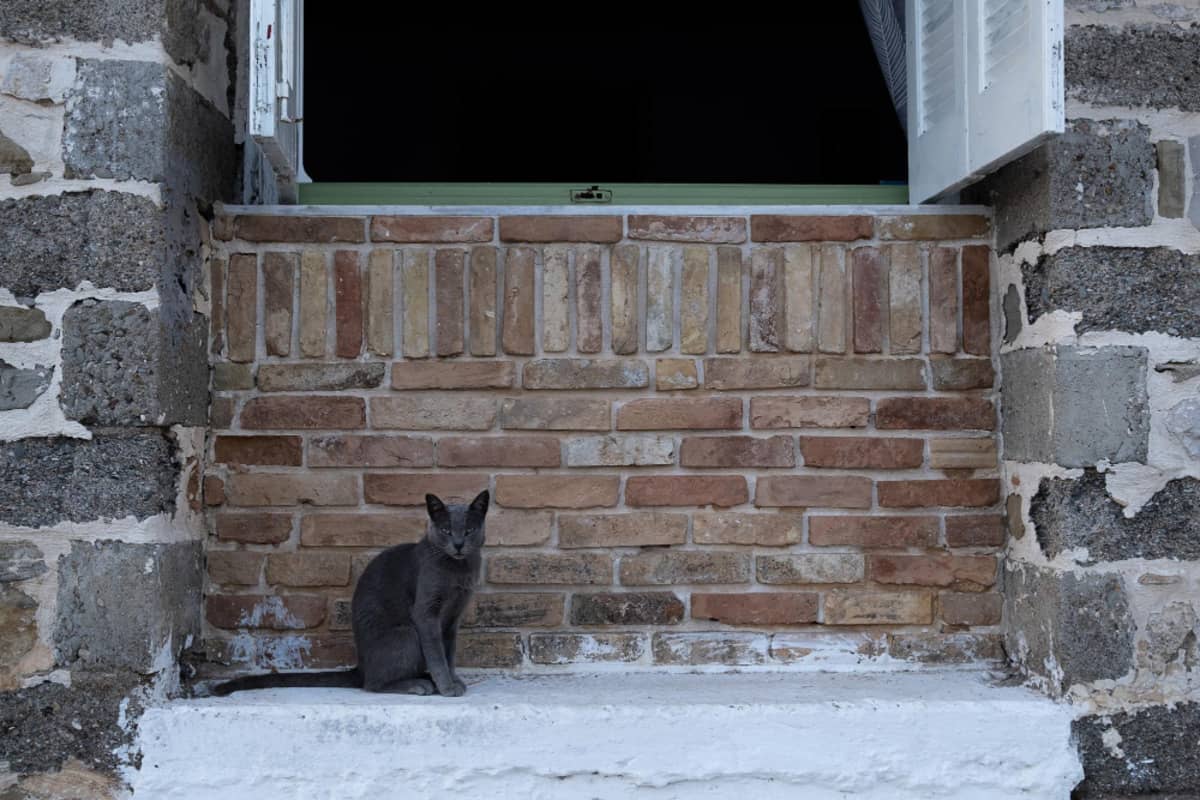
For city cats deprived of their natural habitats, cat houses are an important shelter option. Cats, seeking a space in accordance with their natural instincts, feel safe and comfortable in cat houses.
The inability of street cats to find the sheltered areas they have in their natural environments in the city necessitates that their shelter needs be met by humans. Properly placed cat houses largely compensate for this deficiency and allow cats to live in a safer environment.
Cat Houses for Street Cats
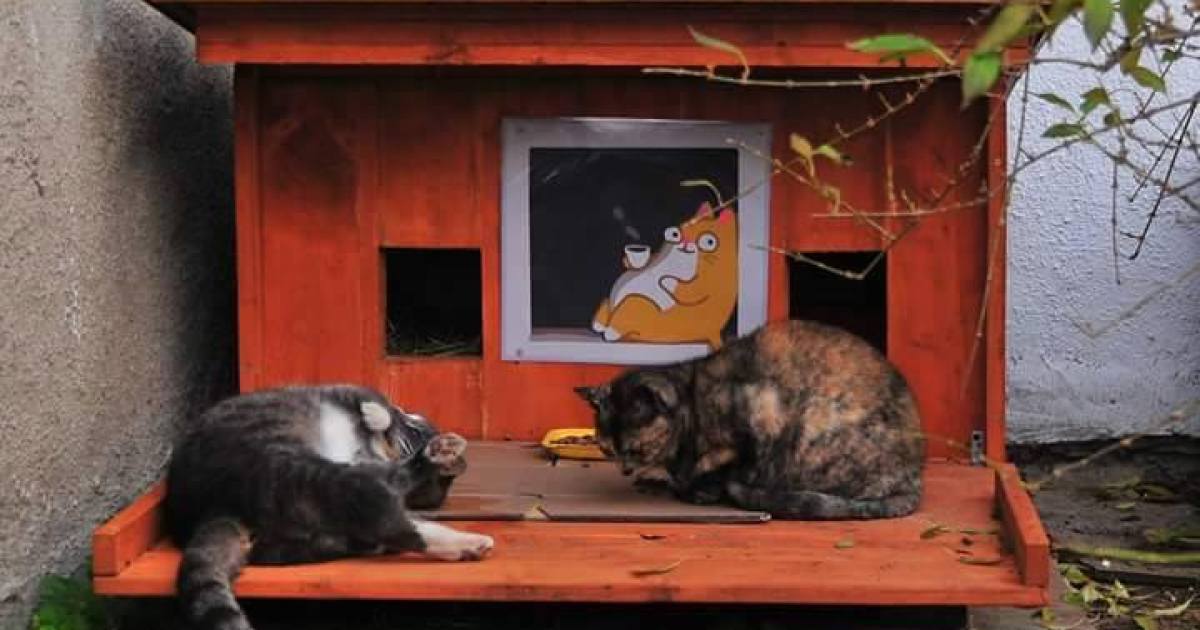
Outdoor cat houses are of great importance for the protection of street cats. While there is a risk of hypothermia in cats during the winter months, they also need to be protected from excessive heat in the summer. Cat houses designed for outdoor use are made of durable materials and are generally waterproof. They should have wide entrances so that cats can enter and exit safely.
Cat houses can be placed in parks, gardens and streets by municipalities or animal lovers to provide shelter for street cats. Thanks to these houses, an important step is taken to ensure that cats remain safe and are not affected by adverse weather conditions.
Advantages of Cat Houses for Street Cats
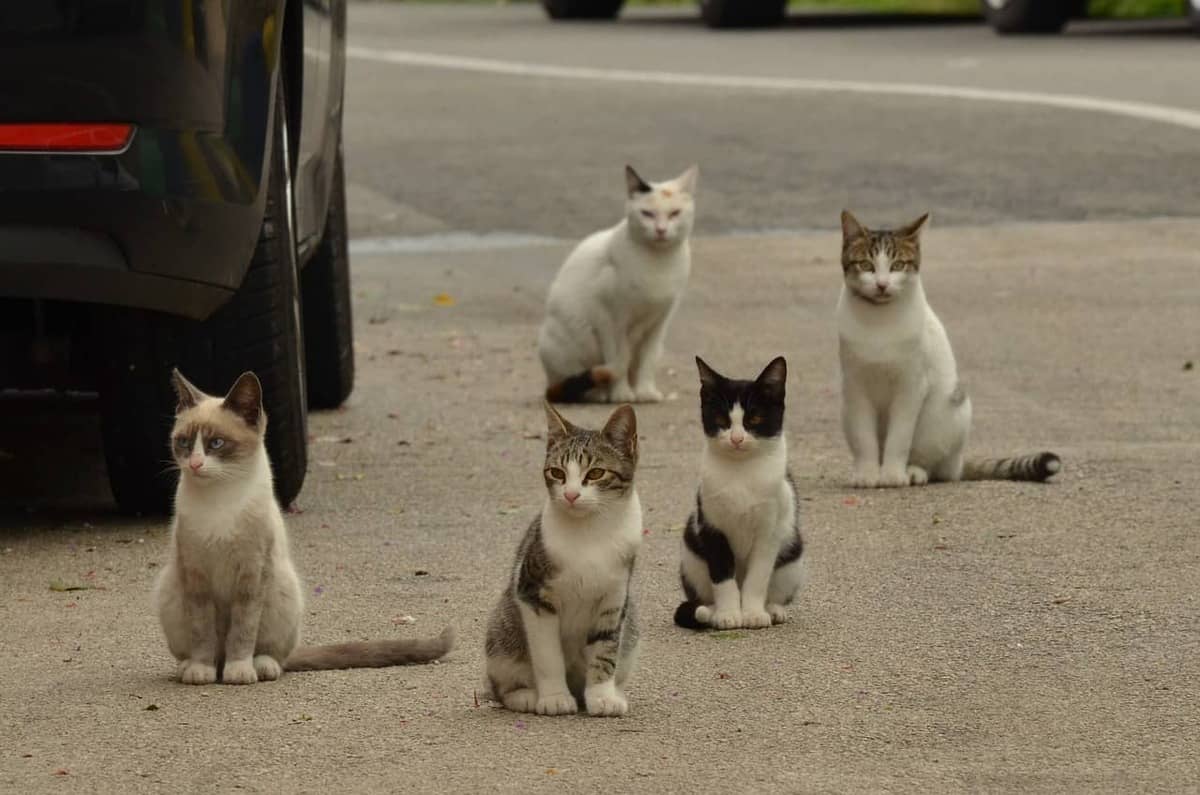
Protection Against Harsh Weather Conditions: Street cats are vulnerable to harsh weather conditions in winter months, and this can negatively affect their health. Cat houses provide shelter to protect them from rain, snow, and extreme heat. Insulated cat houses help cats maintain their body temperature, reducing the risk of hypothermia. A Safe Shelter: Street cats are vulnerable to many dangers in their environment. Other animals, people, or vehicles can pose serious threats to cats. Cat houses offer a safe shelter where cats can be protected from these dangers.
A Safe Shelter: Street cats are vulnerable to many dangers in their environment. Other animals, people, or vehicles can pose serious threats to cats. Cat houses offer a safe shelter where cats can be protected from these dangers.
Food and Water Protection Area: Cat houses provide shelter for cats while also securing their food and water sources. Food and water bowls placed at the entrance make it easier for cats to access food, preventing water from freezing and food from getting wet, especially during winter months.
Facilitates Cats Living in Groups: Street cats often live in small groups, and cat houses help these groups stay together.
Improves Health and Hygiene Conditions: Cats living in open areas may have to live in unhygienic conditions, which negatively affects their health.
Provides a Safe Environment for Kittens: Kittens born on the street face many dangers, and mother cats often look for places to hide to protect their kittens. Cat houses provide a sheltered environment where kittens can grow up safely, increasing their chances of survival, especially in cold and rainy weather.
Cat Houses for Indoor Cats
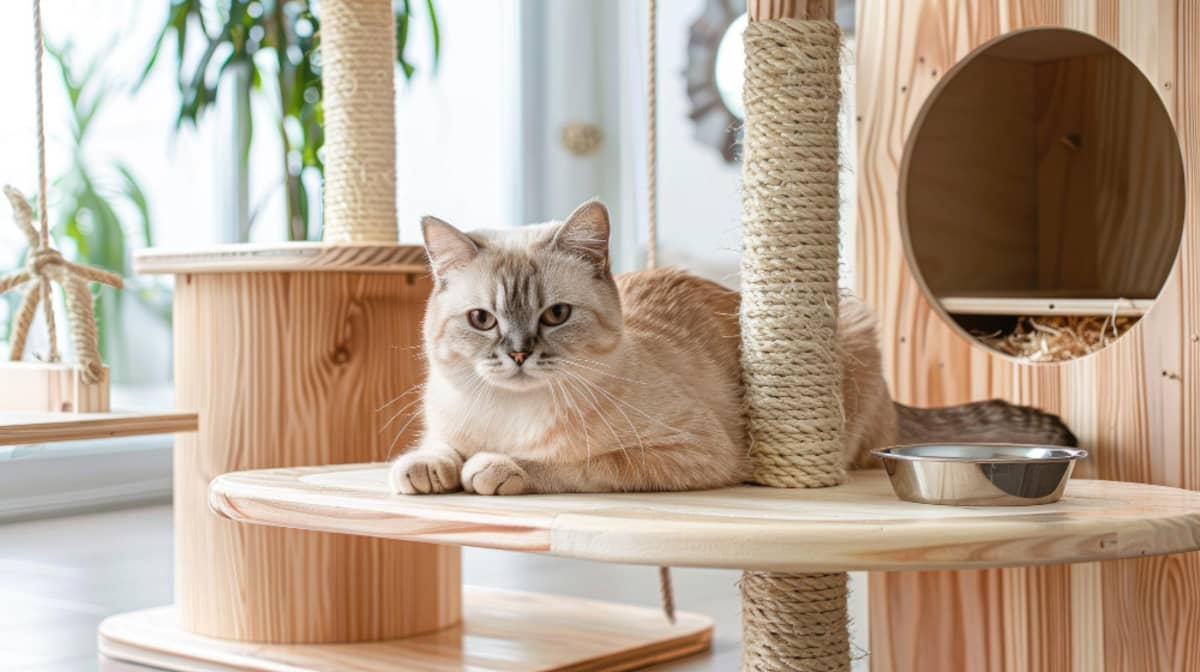
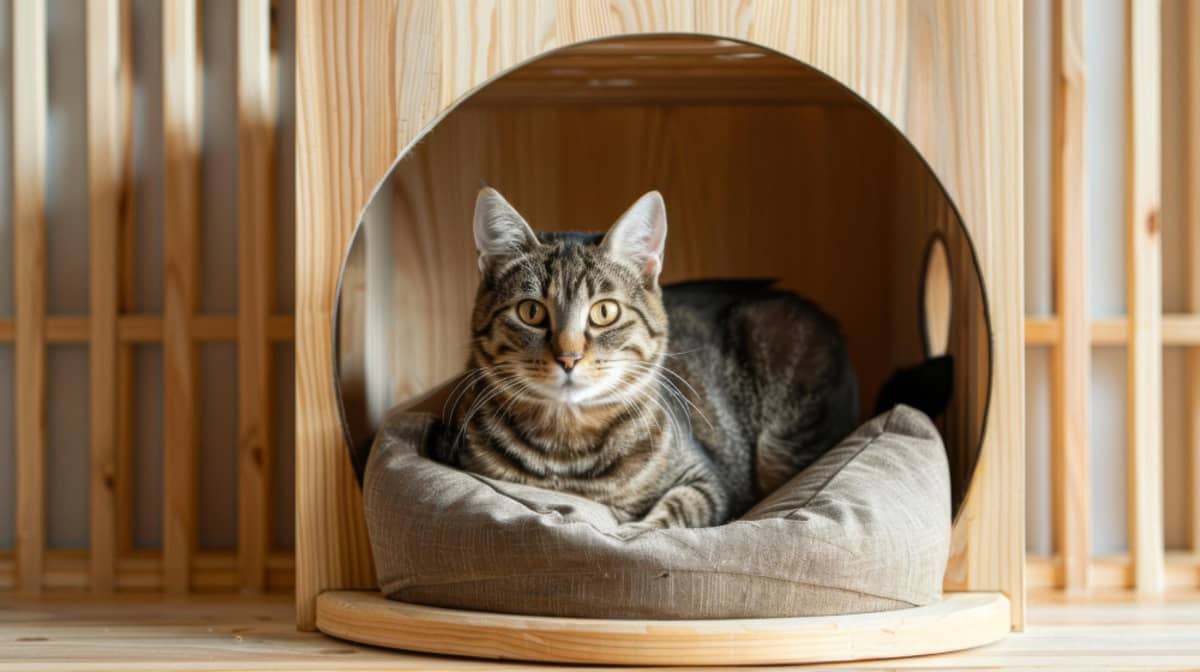
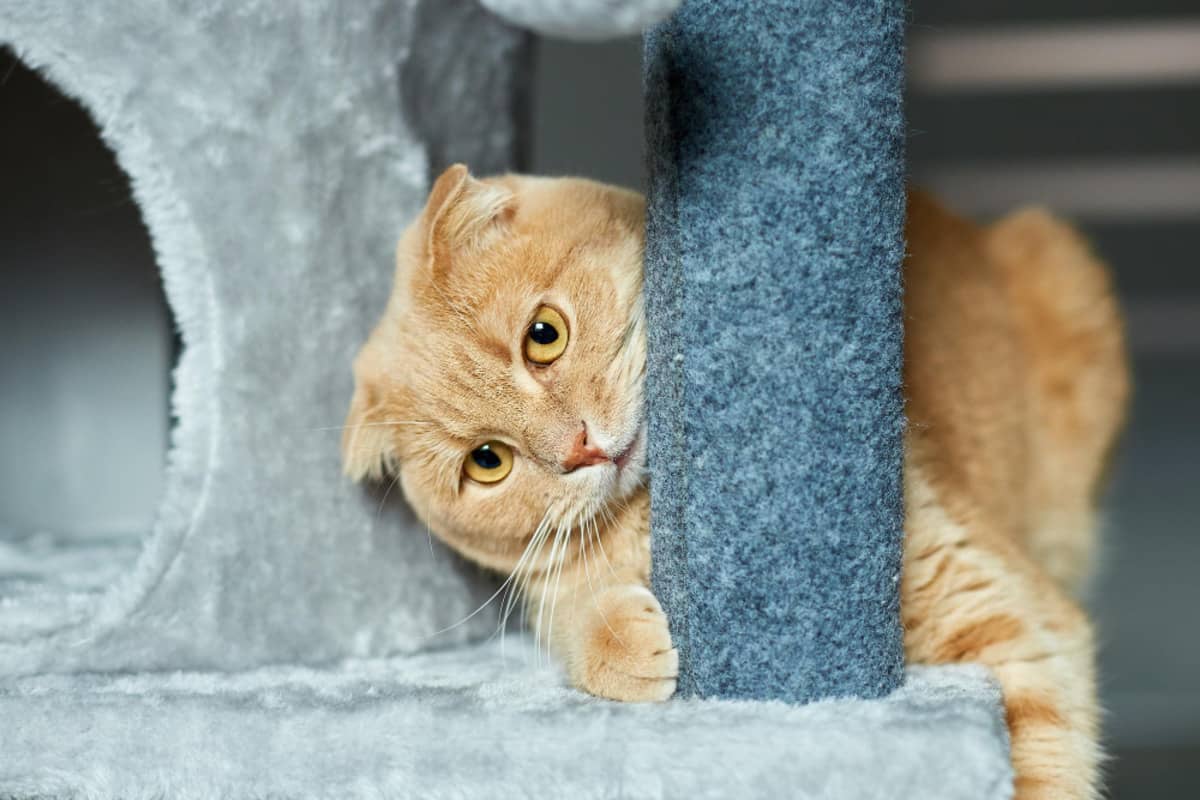
Indoor cats also need a safe and comfortable living space. Cat houses allow cats to create their own private space inside the house. These areas provide cats with both rest and the opportunity to spend time comfortably away from prying eyes. Indoor cat houses differ from outdoor cat houses in terms of aesthetics and functionality.
Advantages of Cat Houses for Indoor Cats
Reduces Stress and Anxiety: Cats are sensitive to changes in their environment. New guests, loud noises, or other pets can cause stress. Cat houses help reduce stress in cats because they offer a space where the cat can be alone and feel safe.
Encourages Physical Activity: Many cat houses have not only a sleeping area but also a climbing and play area. The platforms and climbing points inside simulate cats' natural movements. These activities help the cat stay fit and expend energy.
Satisfies the Need for Scratching: Cats naturally need to scratch. Many cat houses also have scratching posts. Scratching posts contribute to maintaining the health of cats' claws.
Encourages Socialization: In homes where multiple cats live, it offers a great opportunity for cats to interact. Cat houses strengthen bonds between cats as they create a common area for them to play and rest together.
Provides Mental Stimulation: Mental stimulation is important for cats in the home. Cat houses allow cats to explore their surroundings and play. Such activities help stimulate the cat mentally and prevent boredom.
Creates a Personal Space for the Cat: Cats love to have their own space. A cat house allows your cat to find its own area, keeping it away from other pets or people. This personal space is important for the cat to find peace and live in a happy home environment.
Things to Consider When Choosing a Cat House
There are a few important points to consider when buying or making a cat house:
Material Quality: The material from which the cat house is made should be durable and long-lasting. Especially if intended for outdoor use, cat houses made from strongly insulated, waterproof materials should be preferred. Size: It should be large enough for cats to move and lie down comfortably. A house that is not too large helps the cat(s) feel safer. Ease of Cleaning: It is very important that the cat house is easy to clean. Designs that are easy to open and close and can be cleaned practically should be preferred. Insulation: Insulation is an important factor in outdoor cat houses. To prevent cats from getting cold in cold weather, a cat house lined with materials that will keep the inside warm should be preferred. Quick-drying materials are important for cats to continue living in their homes after rain.
Size: The size should be such that cats can move and lie down comfortably. A house that isn't too large helps the cat(s) feel safer.
Ease of Cleaning: It's very important that the cat house is easy to clean. Designs that are easy to open and close and allow for practical cleaning should be preferred.
Insulation: Insulation is an important factor in outdoor cat houses. To prevent cats from getting cold in cold weather, a cat house lined with materials that will keep the inside warm should be preferred. Quick-drying materials are important for cats to continue living in their homes after rain.
Frequently Asked Questions
Do Cats Get Used to Cat Houses?
Yes, cats usually get used to cat houses quickly. Cats naturally need to create their own space. Cat houses provide them with this special space and help them feel safe. To help them get used to it initially, you can make it more attractive by placing their favorite toys or a blanket inside.
How Important is Cleaning Cat Houses?
Regular cleaning of cat houses is very important for both the cat's health and maintaining the hygiene of the house. Cat houses used for house cats should be cleaned more frequently than indoor houses. Cat houses for stray cats should be checked especially after rainy weather, and the inside should be dried if necessary.
What Materials Should Cat Houses Be Made Of?
Cat houses for outdoor use should be made of waterproof and durable materials such as wood, plastic, or durable fabric. More decorative and lightweight materials can be used for indoor use. For outdoor use, a material resistant to water, wind, and other weather conditions must be preferred.
Is It Safe to Use Cat Houses Outdoors?
Yes, it is safe to use cat houses outdoors. However, to ensure the cat's safety, the house should be placed in an area away from external factors such as wind and rain. Also, the house should be insulated and waterproof to help protect the cats' health.
Advertisement
Advertisement
Keep exploring
Continue reading

Cat Lifestyle & Guides
What is Cat Soup? Is it Beneficial for Cats?
If your cat rarely visits its water bowl, is sometimes reluctant to eat dry food, or shows interest in different textures, liquid products may catch…
Read guide →
Cat Lifestyle & Guides
How to Give Rewards and Snacks to a Neutered Kitten?
The Feline Veterinary Medical Association supports neutering kittens until they are five months old.
Read guide →
Cat Lifestyle & Guides
Benefits of Colostrum for Cats and Dogs
Colostrum is the first milk produced by mother cats and dogs after birth. Thanks to its antibodies and high nutrient content, it responds to the…
Read guide →
Cat Lifestyle & Guides
Why is Gut Health Important in Cats?
In cats, bowel health is linked to many areas, from digestive regularity and immune system-related processes to energy levels and daily comfort.
Read guide →