Why Do Fish Get Swollen Belly?
The life you keep in your aquariums is in a delicate balance. If you are looking for an answer to the question "My fish's belly is swollen, what should I do?" with this responsibility in mind, we are taking you on a quick dive into the mysterious underwater world.

Advertisement
The life you keep in your aquariums is in a delicate balance. If you are looking for an answer to the question "My fish's belly is swollen, what should I do?" with this responsibility in mind, we are taking you on a quick dive into the mysterious underwater world.
What Causes Fish to Swell?
Swelling in the belly of fish can sometimes be a simple digestive problem like "an overeating," while sometimes it can indicate a more serious condition such as fluid accumulation in the body (dropsy).
We believe it is beneficial to review the factors causing this swelling and to act by checking for urgent warning signs. We have prepared a guide for you on what to pay attention to if you encounter such a situation.
Can Overfeeding Cause Abdominal Bloating in Fish?
Let's start by considering the possibilities that could cause this bloating, specifically by questioning "excessive food consumption."
Due to the opportunistic feeding habits of many aquarium fish, increased food consumption can be observed when competition increases or when dry food is consumed quickly due to its form. In such cases, fish that eat more food than necessary may experience abdominal bloating. This will be noticed more quickly, especially in species with small stomachs, such as bettas.
We can say that overfeeding causes a kind of "traffic jam" in the digestive system of fish. When the digestive systems of fish are strained, delayed defecation, longer periods of abdominal bloating, and swimming imbalance can be observed.
This overfeeding habit also has the dimension of food that sinks to the bottom because it is not eaten. The food that sinks to the bottom breaks down over time and turns into waste, causing the formation of an "organic load" in the aquarium. When the aquarium's biological filtration is insufficient to remove this toxic load, which increases over time, values such as ammonia and nitrite, which are toxic to fish, temporarily rise. This decrease in water quality causes stress in fish; and due to the slowing of the digestive rhythm caused by stress, the duration of abdominal bloating after overfeeding may be prolonged.
Does Constipation Cause Abdominal Bloating in Fish?
Constipation in fish will also cause abdominal bloating in fish due to the slowness of bowel movements and delay in defecation. Let's examine together the reasons for this condition, which can result from the repetition of seemingly insignificant mistakes.
Especially in herbivorous or omnivorous species (livebearers like guppies, goldfish, and some cichlids), "fibrous content" is an important support for the regular functioning of the digestive system. A lack of fiber in the feed will slow down bowel movements and lead to delayed defecation and bloating in the abdominal area.
Digestive problems and constipation are also observed in fish fed with a single type of feed. Since the feeding profile of fish fed regularly with the same dry food will become "single-channel," this situation may manifest itself as "sluggish digestion" and a predisposition to constipation over time.
If dry foods are consumed too quickly or given without being softened sufficiently, the risk of constipation in fish may increase. This is because some dry foods can put more strain on the fish's digestive system.
In cases of bloating caused by constipation and overfeeding, improvement is usually seen quickly. If the bloating recurs, increases rapidly, or your fish significantly deteriorates, the situation may indicate a parasitic or bacterial problem.
Internal Parasites and Infections
Parasitic diseases in fish are disorders that affect the fish's digestive system and progress unnoticed, manifesting themselves as abdominal bloating over time. If you observe abdominal swelling along with a prolonged loss of appetite (eating less than normal or not at all), weight loss, stringy, whitish stools, or irregular bowel movements, you may be dealing with internal parasites. Bacterial infections, unlike internal parasites, can manifest as a more serious condition affecting not only the digestive system but also the overall health of the fish. In such cases, abdominal swelling is not always due to a full intestine; it can also be caused by the disruption of fluid balance in the body along with the involvement of internal organs.
Bacterial infections, unlike internal parasites, can manifest as a more serious condition affecting not only the digestive system but also the overall health of the fish. In these types of cases, abdominal bloating is not always due to a full intestine; it can also be caused by an imbalance in the body's fluid balance due to the involvement of internal organs.
If the bloating is accompanied by the following other symptoms, you should take the situation more seriously and check for “critical signs”:
- Weakness, lying on the bottom, withdrawing to a corner
- Loss of appetite and rapidly deteriorating general condition
- Popping eyes (pop-eye)
- Outward bulging of scales, “pinecone” appearance (pinecone effect)
- Pale color, rapid breathing, impaired swimming balance
Is a Swollen Belly of a Fish Dangerous?
Abdominal swelling in fish doesn't always indicate an urgent problem and can be quickly resolved with simple measures. However, some signs may indicate a more serious issue. Let's look at which situations require urgent intervention.
When is Abdominal Swelling a Serious Problem?
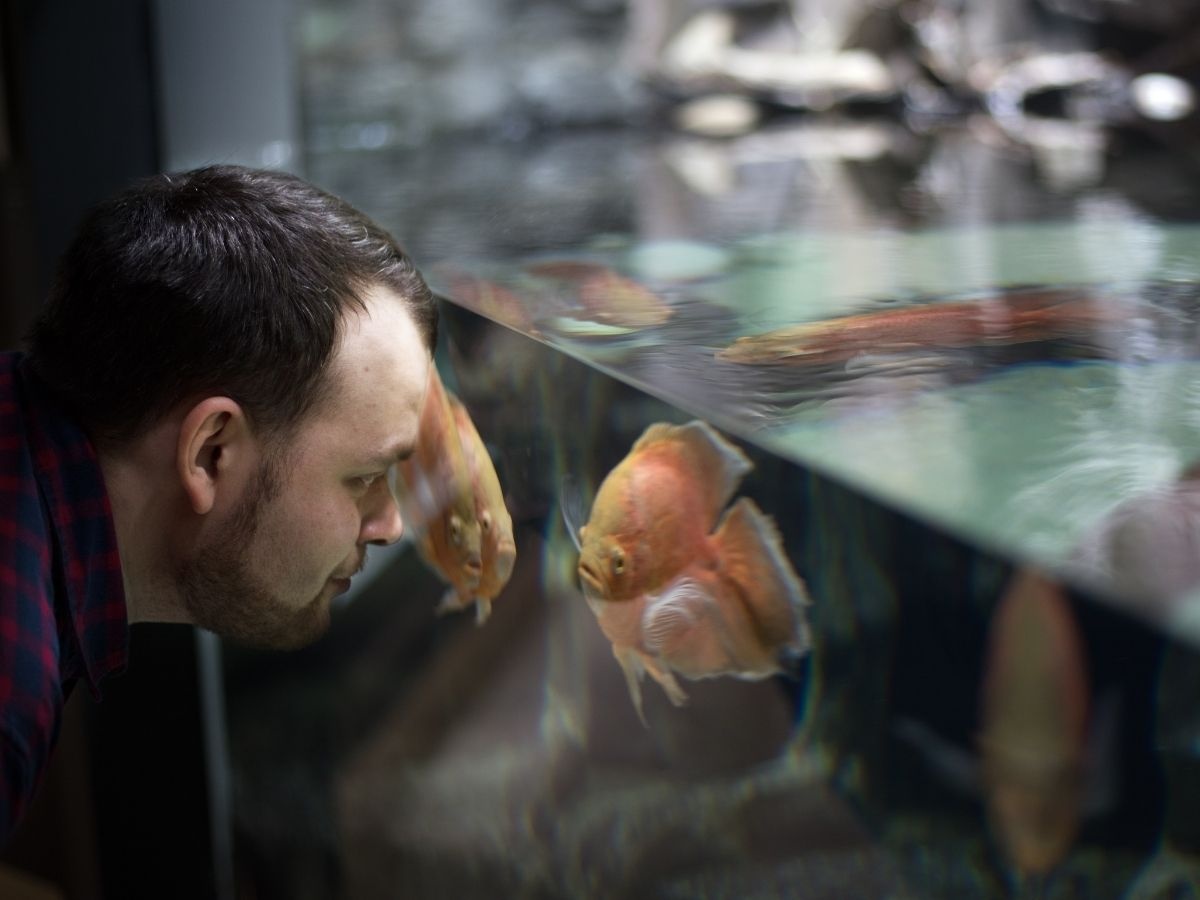
While abdominal swelling in your fish may be a temporary digestive problem in most cases, it's important not to overlook the possibility of a more serious condition when it manifests as a sudden and hard swelling. A hard, balloon-like abdomen may indicate an infection, dropsy (internal edema), or a problem with internal organs, so it's crucial to closely monitor warning signs and the fish's overall condition and take necessary action quickly.
We can add scale buildup (pinecone effect) to the top of the list of warning signs. A scale appearance that bulges outwards like a pine cone is a critical finding that can be associated with dropsy. When we observe this appearance, it usually means that a condition affecting the fish's overall health has surfaced. We can say that the fluid balance inside the fish's body has been disrupted and the situation has become serious. Another important sign we can add to the list is immobility. If abdominal swelling is accompanied by symptoms such as lying motionless at the bottom, constantly withdrawing to corners, changes in swimming habits, and rapid breathing, it is vital to consider that there is a more serious underlying disease. What is Dropsy (Internal Edema)? Dropsy (internal edema) occurs in fish as a result of the accumulation of fluid inside the body that should normally be expelled. Early detection and treatment are important. Symptoms such as pinecone effect (swelling), pop-eyes, loss of appetite, general weakness, and impaired swimming balance may indicate dropsy. Dropsy is a fish disease caused by fluid accumulation in the body, straining the internal organs. Monitoring the fish's overall condition is important to differentiate it from digestive conditions such as constipation or overfeeding. If rapid deterioration, significant weakness, and ruffled scales accompany the swelling, the likelihood of dropsy is high. This condition is considered fatal because it is a serious underlying issue. Factors such as infections, kidney dysfunction, or prolonged stress can disrupt the body's fluid balance. If left untreated for a long time, the fish's internal organs are further affected, reducing its chances of recovery. It can be fatal due to the risk of organ failure. What to Do If Your Fish's Belly Swells?
Another important sign we can add to the list is inactivity. If abdominal swelling is accompanied by symptoms such as lying motionless at the bottom, constantly retreating to corners, changes in swimming habits, and rapid breathing, it is vital to consider the possibility of a more serious underlying disease.
What is Dropsy (Internal Edema)?
Dropsy (internal edema) occurs in fish when fluid that the body should normally excrete accumulates inside. Early detection and treatment are important. Symptoms such as pinecone effect, pop-eyes, loss of appetite, general weakness, and impaired swimming balance, along with swelling, may indicate dropsy.
Dropsy, a fish disease, is a condition where internal organs are strained due to fluid accumulation in the body. Monitoring the fish's overall condition is important to differentiate it from digestive conditions such as constipation or overfeeding. If rapid deterioration, significant weakness, and ruffled scales accompany bloating, the likelihood of dropsy is high.
This condition is considered fatal because it involves a serious underlying issue. Factors such as infections, kidney dysfunction, or prolonged stress can disrupt fluid balance in the body. If left untreated for a long time, the fish's internal organs are further affected, reducing the chances of recovery. It can be fatal due to the risk of organ failure.
What to Do If Your Fish Has a Swollen Belly?
Regular monitoring of the general condition of the fish is crucial for maintaining the balance of the aquarium environment. If you observe that your fish's bellies are swollen, you should assess the possible causes before panicking. If there are no critical symptoms and you are not observing a very bad scenario in the overall appearance of your fish, the first step should be to resort to methods that ease digestion.
Should Fish Be Starved?
Short-term starvation is one of the most frequently used measures to reduce bloating. If you suspect that your fish are bloated due to overfeeding and constipation, you can consider short-term starvation.
When experiencing fish constipation or overfeeding, you can observe whether the bloating decreases by starving your fish for 3 to 7 days. As a first step, you can aim to calm digestion by stopping feeding for 24-48 hours. We recommend applying this in a controlled manner, as the duration of fasting may vary depending on the species, age, and overall health of the fish.
Observation is very important to understand whether the fasting period you have applied is working and whether the abdominal swelling is due to digestion. When you observe that the fish has started to defecate and the swelling in its abdomen has decreased, you can assume that you are progressing in the right direction.
Water Parameters and Water Changes
The water parameters of the aquarium are one of the most important factors in the healthy life of fish. Deterioration in water quality can cause stress in fish, directly affecting their appetite, digestion, and overall condition. Therefore, checking water parameters should be at the top of the list of routine checks that should be done.
Imbalances in ammonia, nitrite, and nitrate in the water can stress fish, indirectly causing abdominal bloating. Biological filtration in the aquarium converts accumulated ammonia into nitrite. Nitrite, which hinders the fish's oxygen-carrying capacity, is toxic. While nitrate, formed later in the cycle, is considered less toxic, prolonged high levels can cause chronic stress in fish, weakening their immunity. If you observe bloating, it is important to keep ammonia and nitrite levels close to zero and nitrate levels under control.
If you observe elevated levels in water tests, one of the quickest actions you can take is a partial water change. A partial water change can be considered an emergency measure that dilutes the level of pollution in the water, reducing the effect of toxic substances. By changing 10-25% of the water in the tank in a controlled manner; We recommend ensuring that the chlorine in the newly added water has been removed and that its temperature is close to that of the water in the tank. It is important to monitor the water parameters again after the change.
Do Peas and Natural Solutions Work?
One of the natural solutions to support digestion in case of suspected fish constipation is peas, a source of fiber. You can give your fish, which you have briefly kept without food, a small piece of peeled and softened peas as a supplement. You should consider this not as the main food, but as a support force to regulate digestion.
It wouldn't be accurate to say that peas are the right choice for all fish species. Especially for herbivorous and omnivorous species, the rich fiber content in peas will support digestion. However, for carnivorous fish species like bettas, instead of foods rich in plant fiber, you can opt for live or frozen foods like daphnia, considering their natural feeding habits.
How to Prevent Abdominal Bloating in Fish?
Although abdominal bloating in fish is considered a sudden problem, you have a chance to prevent it from occurring by regularly maintaining your aquarium and establishing proper feeding routines. With the right food selection and feeding routine, you can provide a balanced digestive system for your fish. In addition, by preventing unnecessary water pollution, you can offer your fish a stress-free aquarium life.
Correct Food Selection and Feeding Routine
The better you know the fish living in your aquarium, the greater your chances of protecting their health. Because feeding them with foods suitable for their feeding type (herbivore, omnivore, carnivore) helps you eliminate digestive problems.
For herbivore species, you can prefer foods with fibrous and plant-based ingredients; for carnivore species, foods with high protein and ingredients similar to their natural diet; and for omnivore species, foods that generally have a balanced mixture from both groups.
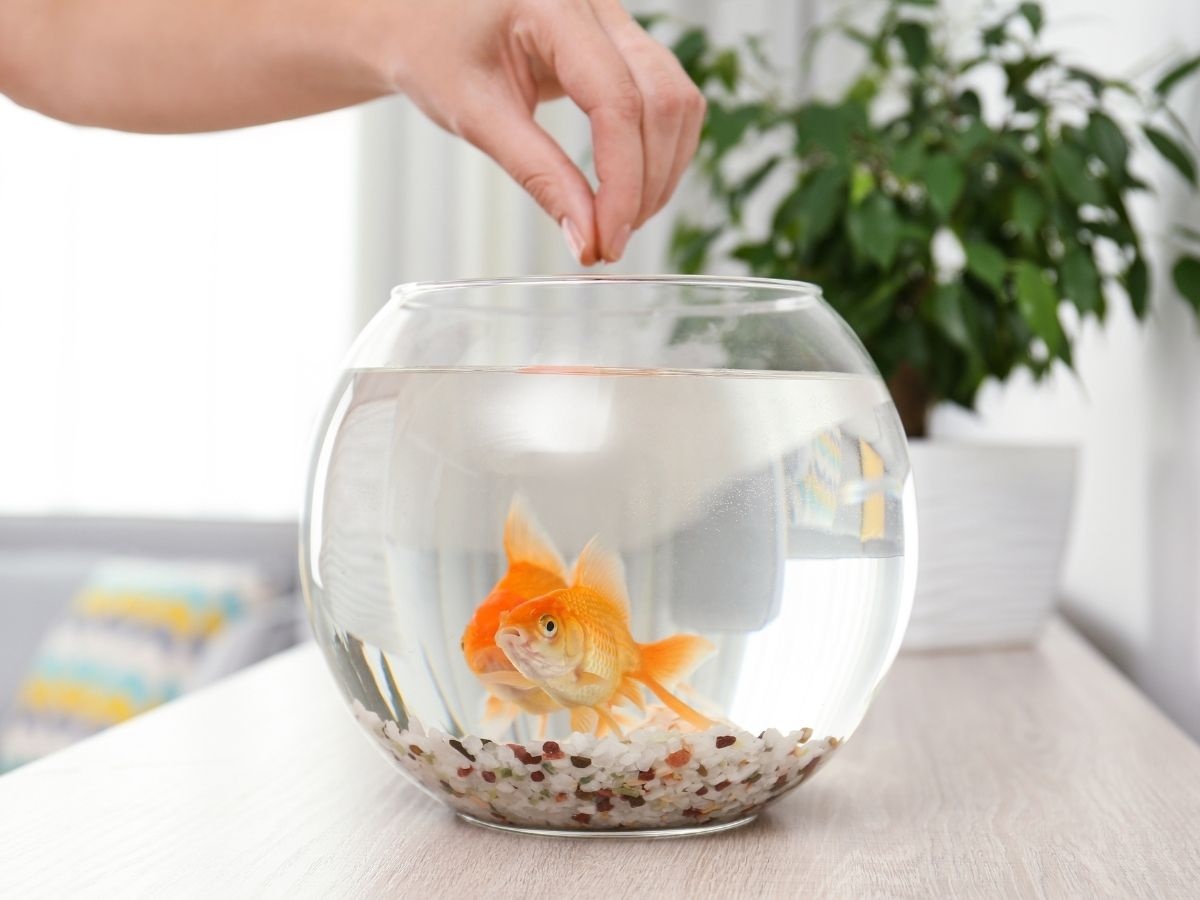
For the feeding routine, feed 1-2 times a day, giving an amount of food that can be consumed within 2-3 minutes for each meal. By establishing a feeding routine like this, you will prevent both your fish from experiencing bloating and unnecessary water pollution.
The Role of Aquarium Hygiene and Filtration
Aquarium hygiene and filtration play an important role in routine maintenance to establish a balanced underwater ecosystem. For this, the aquarium filter should be maintained regularly. Filtration collects waste in the tank, regulates the water chemistry, and creates a favorable environment for beneficial bacteria.
The most important factor to consider in filter maintenance is to perform maintenance before the water chemistry is disrupted (especially before ammonia and nitrite levels rise). Rather than making the filter sparkling clean, cleaning to remove blockages on top of the filter and maintain flow is recommended. Since rinsing with chlorinated water weakens the beneficial bacteria colonies in the filter, rinsing the filter with water taken from the aquarium, if possible, will help you maintain the vitality of the ecosystem.
Another way to maintain hygiene in the aquarium is to regularly clean the bottom during partial water changes. Excess food and waste accumulating at the bottom can worsen water quality, leading to digestive problems and weakened immunity in fish. Therefore, by cleaning the bottom during partial water changes, which you should do once a week or every two weeks depending on the tank's load, you can reduce water factors that stress your fish.

Preventive Habits for Protecting Fish Health
There are effective ways to prevent possible fish bloat, constipation, or dropsy. Perhaps the most important of these is: a quarantine tank. When you get a new fish, it is important to put it in a quarantine tank to rest before introducing it to the other fish in the tank. This measure helps reduce the risk of possible parasites and infections.
We want to mention a few factors to consider when adding new fish to your aquarium. First, new fish tend to have high stress levels. High stress can disrupt the immune balance and water quality, increasing the risk of disease. Therefore, we recommend observing your new friends in a quarantine tank for a while. Another factor is water quality. If you want to expand your population with new members without disrupting the water parameters in your aquarium, you should gradually acclimatize them. And finally, by keeping the water parameters stable, you can prevent many problems, including bloat.
Advertisement
Advertisement
Keep exploring
Continue reading
Aquarium & Fish
Why Does Aquarium Water Smell?
The water is clear, the fish appear normal. However, a strong odor is present when approaching the aquarium.
Read guide →
Aquarium & Fish
How to Choose Aquarium Lighting?
The whole atmosphere of an aquarium can change the moment you turn on the light. Colors become more vibrant, the depth of the water and movement…
Read guide →
Aquarium & Fish
What are Aquarium Filter Materials? In What Order are They Used?
The water cleaning power of an aquarium filter depends on the materials inside it performing their functions correctly.
Read guide →
Aquarium & Fish
What is an Aquarium Heater, How to Choose One? How Many Watts of Heater are Needed?
The water in the aquarium is the entire environment in which the fish live. Excessively cold water or frequent temperature changes can cause stress…
Read guide →