6 Most Frequently Asked Questions by Those Living with Dogs
Both those new to living with dogs and those who have spent years with them can have questions and even anxieties sparked by a small movement regarding their loyal companions. Even the smallest behavioral changes or physical differences in dogs raise questions for dog owners.

Advertisement
Both those new to living with dogs and those who have spent years with them can have questions and even anxieties sparked by a small movement regarding their loyal companions. Even the smallest behavioral changes or physical differences in dogs raise questions for dog owners. Questions like, "Why doesn't my dog have an appetite?", "Is my dog sick because its nose is dry?", "My dog looks lethargic?", and many more, can occupy the minds of dog owners. Then there are the endearing situations; some dog behaviors are interpreted as displays of affection while others are a source of personal curiosity. In this article, we will focus on the questions that dog owners are most curious about and that they most frequently ask veterinarians.

Why Does My Dog Always Follow Me?
There are different answers to this question. While dogs can form warm relationships with all family members, they tend to adopt one person as their leader. They may form stronger bonds with the person who cares for them the most, provides their food and water, spends the most enjoyable play sessions with them, or goes for walks with them. Their constant following of these individuals can be seen as a display of both affection and respect; after all, dogs are pack animals. It's possible for some dogs to exhibit excessive attachment to their owners. Their character and breed characteristics can contribute to this. Sometimes, the reason a dog doesn't leave a particular person's side may be a reflection of positive reinforcement. Reinforcing a dog's overly focused behavior can result in them learning that they will be rewarded by being with people. My Dog Eats Feces, How Can I Stop It? This question, frequently heard by veterinarians and discussed in forums, can cause understandable anxiety among dog owners. This common problem among dogs generally doesn't pose a threat to their health. Dogs may eat feces simply because they are curious, to eliminate evidence of fecal matter in puppies who haven't fully received toilet training, or due to nutritional deficiencies. Preventing dogs from eating feces requires firm and disciplined behavior. If the cause of the behavior is nutritional deficiency, veterinarians will replan their diet.
My Dog Eats Its Own Feces, How Can I Stop It?
This question, frequently heard by veterinarians and discussed often in forums, can cause understandable anxiety among dog owners. This common problem among dogs generally doesn't pose a threat to their overall health. Dogs may eat their own feces simply out of curiosity, to eliminate evidence of litter box defecation in puppies who haven't fully completed toilet training, or due to nutritional deficiencies. Preventing dogs from eating their own feces requires firm and disciplined behavior. If the cause is nutritional deficiency, veterinarians will replan their diet.
Why Does My Dog Smell Other Dogs' Butts?
Dogs sniffing each other's rear ends is one of their communication methods. Anal glands, which secrete a foul-smelling fluid, are the source of scents that attract dogs' attention and help them recognize the dog in front of them. Dogs frequently exhibit sniffing behavior because their noses are highly developed and they can also detect pheromones. When the need to sniff is supported by tail movements, which are an important part of body language, it is considered quite normal for dogs to sniff other dogs' rear ends.

Why Is My Dog Watching Me?
You know that feeling when you're sitting quietly and you get the sensation of a pair of eyes following you, and you unconsciously turn your head to see that you really are being watched? Dog owners often experience this. Even if they are interested in something else, be it chew bones or their favorite toys, their eyes are always on their humans. There can be many different reasons why dogs focus their gaze on people. They may be trying to communicate, they may want attention, or they may be trying to understand people's moods and feelings. Some dogs even try to shape their owners' behavior. If a dog constantly stares at its owner without looking away, we have information suggesting it may be trying to make people feel guilty in order to get more attention. Does My Dog Miss Me? Yes, dogs miss their owners when they are not around. They may even experience separation anxiety and react both psychologically and physically. A study published in Psychology Today revealed that dogs have a concept of time and miss their owners more as time passes. However, there is a limit to how much time has passed. The study found a difference in behavior between dogs who did not see their owners for 30 minutes and those who did not see them for 120 minutes; dogs that did not see their owners for 120 minutes showed greater enthusiasm when they were reunited. It has been determined that when separated for more than 2 hours, the concept of "more" longing is replaced by melancholy. Therefore, if you are wondering "Does my dog miss me?", you should know that they start missing you from the moment they are separated. You can access our blog post titled "Symptoms and Treatment Methods of Separation Anxiety in Dogs" here. Why is My Dog Losing Its Appetite? Loss of appetite in dogs is a concern for many people who live with dogs, and while it shouldn't always be considered a serious indicator, it's important to monitor it closely. The causes of loss of appetite in dogs can be quite broad. Recent vaccinations, illnesses, dental and gum problems, entering an unfamiliar environment, or getting bored with their usual food can all result in loss of appetite in dogs. If the loss of appetite persists, it is important to consult a veterinarian. Loss of appetite, a problem that can be overcome by changing dog food when necessary, by choosing from dog foods suitable for their life stages and needs, can trigger nutritional deficiencies and related health problems if it persists. You can find dog food varieties suitable for your dog's age and needs here.
Does My Dog Miss Me?
Yes, dogs miss their owners when they are not around. They may even experience separation anxiety, exhibiting both psychological and physical reactions. A study published in Psychology Today revealed that dogs have a concept of time, and they miss their owners more as time passes. However, there is a limit to how much time has passed. The study found a difference in behavior between dogs who hadn't seen their owners for 30 minutes and those who hadn't seen them for 120 minutes. Dogs that hadn't seen their owners for 120 minutes showed greater enthusiasm upon reunion. It was determined that separation for more than two hours was replaced by melancholy. Therefore, if you're wondering, "Does my dog miss me?", you should know that they start missing you from the moment they are separated. You can access our blog post titled "Symptoms and Treatment Methods of Separation Anxiety in Dogs" here.
Why is My Dog Losing Appetite?
Loss of appetite in dogs is a concern for many people who live with dogs. While not always a serious indicator, close monitoring is important. The causes of loss of appetite in dogs can be quite varied. Recent vaccinations, illnesses, dental and gum problems, entering an unfamiliar environment, or boredom with their usual food can all result in loss of appetite. It is important to consult a veterinarian if loss of appetite persists. While loss of appetite can be managed by changing dog food to suit different life stages and needs, if it continues, it can trigger nutritional deficiencies and related health problems. You can find dog food options suitable for your dog's age and needs here.
Advertisement
Advertisement
Keep exploring
Continue reading

Dog Lifestyle & Guides
The Unseen Risks of Excess Weight in Small Breed Dogs
Small breed Weight gain in dogs sometimes progresses unnoticed. Extra food added to the food bowl, treats given during the day, food offered from the…
Read guide →
Dog Lifestyle & Guides
Dental Health and Its Importance in Dogs
Dental health in dogs is often Bad breath doesn't become a concern until it's noticed. However, the problem often begins before the odor: Plaque…
Read guide →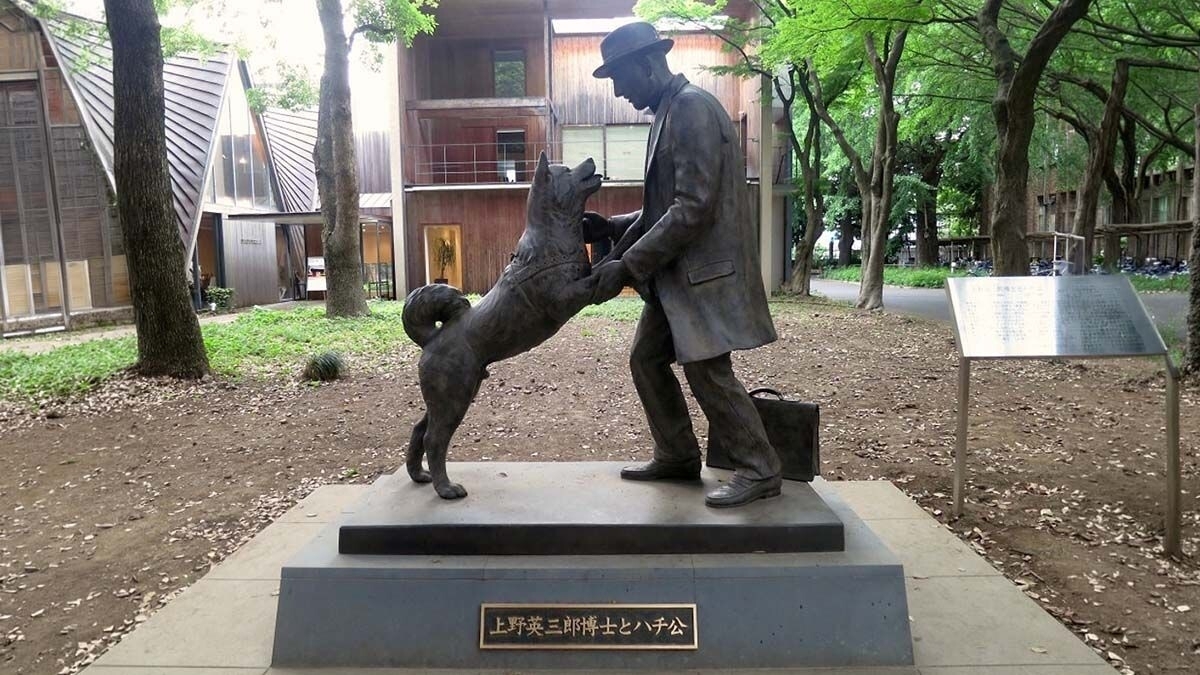
Dog Lifestyle & Guides
Hachiko: The True Story and Monument of the Dog Symbolizing Loyalty
The crowd gathered in front of the Hachiko statue in Shibuya shows that a wait that began years ago is not forgotten today.
Read guide →
Dog Lifestyle & Guides
Nasal Discharge in Dogs
If your dog has a runny nose, the first question that usually comes to mind is: Is this normal, or is there something I should be concerned about?
Read guide →