Abscesses and Treatment Methods in Cats
Abscesses are a common health problem in humans as well. Abscesses can be defined as pus-filled sacs that occur anywhere in the body. Abscesses are named according to their location. Abscess formation in cats can occur due to different reasons.

Advertisement
Abscesses are a common health problem in humans as well. Abscesses can be defined as pus-filled sacs that occur anywhere in the body. Abscesses are named according to their location. Abscess formation in cats can occur due to different reasons. In this article, you can find the answers to the questions "What is an abscess in cats?" and "How is abscess disease treated in cats?".
What is an Abscess?
An abscess can be defined as an infected sac filled with pus. The sac contains pus, white blood cells, bacteria, and other structures. Abscesses, which form as a response of the body to infection, can occur in different parts of the body and in different sizes. Abscesses can be very large or very small, and some may leak pus and rupture due to growth. In cats, abscesses usually appear as swelling under the skin. Abscesses under the skin can be noticed upon touch. However, abscesses can also occur in the mouth or in different parts of the body, areas that are not noticeable by touch.

What Causes Abscesses in Cats?
Although the most common types of abscesses in cats are those in the mouth and under the skin, it is important to remember that abscesses can occur anywhere in the body. There are different bacteria that cause abscess formation in cats. Abscess formation can occur due to many bacteria such as some Streptococcus species, E. Coli, Pseudomonas, Mycoplasma, Pasteurella multida, Nocardia, and Fusobacterium. Abscesses in cats can be examined under three groups: dental abscesses, internal abscesses, and bite wound abscesses.
Dental Abscesses in Cats
Dental abscesses in cats, as in humans, occur around diseased teeth. After the accumulation of bacteria on the tooth, gingivitis occurs. If the bacteria that cause gingivitis are not eliminated by regular dental cleaning or professional intervention, plaque and tartar formation will occur. This is the reason for abscess formation below the gum line. If bacteria in broken and diseased teeth progress to the root canal, an abscess forms in the tooth root. Tooth abscesses are quite common in cats, but they are also very difficult to detect. Regular dental cleaning and annual dental check-ups are very important to prevent tooth abscess formation in cats. You can review dental care products specifically made for cats by clicking here.
Internal Abscesses in Cats
Abscesses in cats that are not visible on the outside of the body are referred to as internal abscesses. They can occur as a result of inflammation and disease in internal organs. They are much rarer than tooth abscesses or abscesses due to bite wounds. A lung abscess can occur as a result of inhaling a harmful substance or a severe pneumonia. A brain abscess can occur as a result of an inner ear infection, sinus infection, or an infection occurring deep in the mouth.
Bite Wound Abscess in Cats
Bite wound abscesses in cats occur as a result of being bitten by another animal. After a cat is bitten, bacteria entering the wound cause abscess formation. These abscesses appear as lumps under the cat's skin and are often not noticed until the abscess bursts.
Symptoms of Abscesses in Cats
Symptoms of abscesses in cats vary depending on the type of abscess. General symptoms of abscesses in cats include: Symptoms of a dental abscess in cats may include:
- Regional swelling,
- Pus discharge,
- Bad odor in the abscess area,
- Loss of appetite,
- Halsizlik,
- Fever. Bad breath is also among the symptoms if cats have a dental abscess.

How to Diagnose an Abscess in Cats?
In diagnosing an abscess in cats, it is important to first determine the suspected type of abscess. If there is information indicating that the cat was involved in a fight, and a lump has formed under the skin, a sample should be taken from the area by a veterinarian. If it is a lump, the pus inside can be drained with a syringe. If a dental abscess is suspected in cats, pus remnants can be examined in the mouth, and an X-ray can be taken. If an internal abscess is suspected, an ultrasound examination is necessary, and surgical intervention may be necessary to definitively locate the internal abscess. Performing bacterial cultures to diagnose the bacteria causing the abscess is also of great importance for the correct treatment plan.
Treatment of Abscesses in Cats
In the treatment of abscesses in cats, the use of medications such as antibiotics is common. After the veterinarian's diagnosis, a treatment plan is made according to the condition of the abscess. Medication is preferred to dry up the abscess. If there is a tooth root abscess, tooth extraction may be necessary, and professional dental cleaning also becomes a requirement. In subcutaneous abscesses, it may be necessary to burst the abscess to drain the infection. Abscess bursting in cats must be done by veterinarians in a clinical setting.
Advertisement
Advertisement
Keep exploring
Continue reading

Cat Health
Why Do Cats Get Thinner as They Age? Symptoms and Treatment
When stroking an aging cat's back, the spine or hip bones may feel more prominent than before, which is the first change most cat owners notice.
Read guide →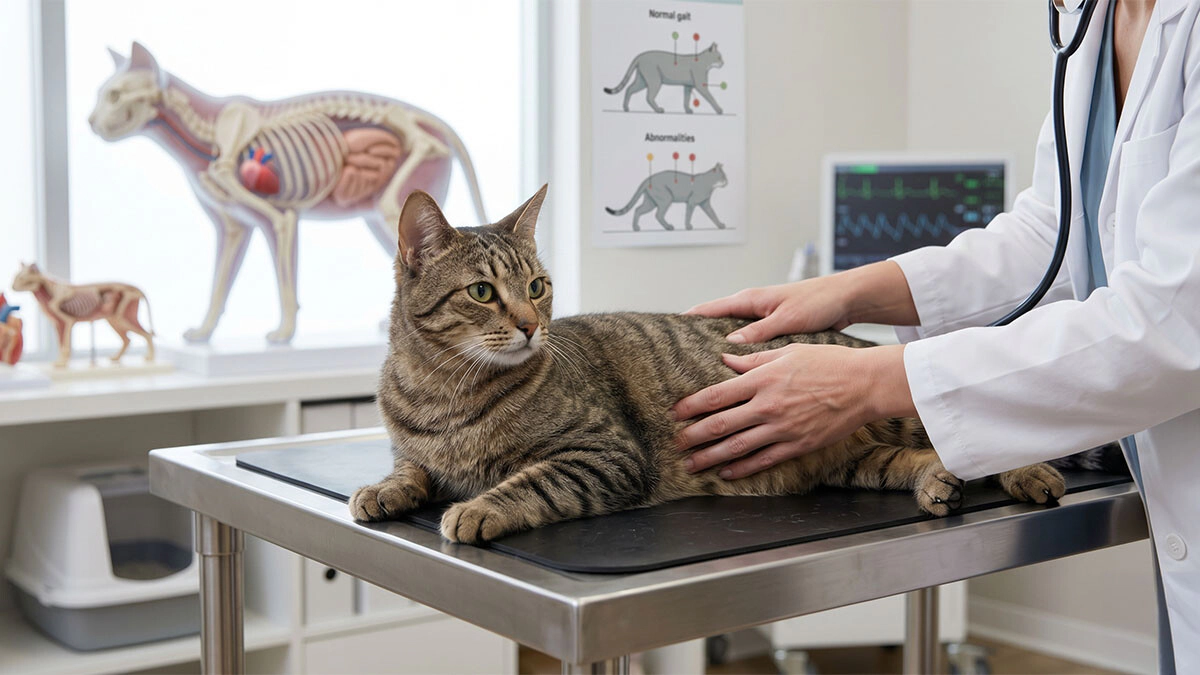
Cat Health
Cat Anatomy and Organs: Body Structure, Health Signs and Relationship with Diseases
A slight change in posture, a slight limp in gait, or a difference in litter box habits in cats can give clues about their body systems.
Read guide →
Cat Health
How to Acclimate Cats to Carrier Bags?
Does your cat hide, hiss, or resist with all its might the moment it sees the carrier? This reaction is described as carrier phobia in most homes…
Read guide →
Cat Health
What Should Be Considered After Vaccination in Cats?
Following your cat's vaccination schedule for health and a long life is one of the most critical decisions you will make as a pet owner.
Read guide →