What Should Be Considered After Vaccination in Cats?
Following your cat's vaccination schedule for health and a long life is one of the most critical decisions you will make as a pet owner. However, it should not be forgotten that this responsibility has aspects that require attention.

Advertisement
Following your cat's vaccination schedule for health and a long life is one of the most critical decisions you will make as a pet owner. However, it should not be forgotten that this responsibility has aspects that require attention.
When you return home from the veterinary clinic, you may notice that your little friend is behaving differently than usual, a little more lethargic. The post-vaccination care process for cats can be worrying, especially for first-time cat owners.
Symptoms that can be seen after vaccination in cats are generally an expected response of the immune system. The body develops a defense against the new substances introduced by the vaccine. During this process, your cat may show behavioral changes or experience physical symptoms after vaccination. The important thing is to be able to distinguish which symptoms are considered "normal" and which require urgent veterinary intervention.
Important: The information in this content is a general health guide and should never replace a professional veterinary examination. If you have any concerns about your cat's health after vaccination, you should contact your veterinarian immediately for an accurate diagnosis and the most appropriate intervention.
Normal Reactions Seen in Cats After Vaccination

The main purpose of vaccination is to protect your cat against serious diseases by stimulating its immune system. This stimulation process also answers the question, "What happens to the cat after vaccination?" Because when the immune system is stimulated, some mild side effects may be unavoidable.
As stated in the PetMD source, vaccines can cause various side effects while activating the immune system by mimicking the body's ability to recognize the disease and produce antibodies.
- Mild fever: A slight increase in body temperature may occur while the immune system is working. Attention should be paid to whether their ears are warm.
- Lethargy and drowsiness: Lethargy is the most common condition after cat vaccination; Your cat may want to spend most of the day sleeping.
- Decreased appetite: A decrease in interest in the food bowl or skipping a meal is expected.
- Mild swelling: A small, non-firm swelling or tenderness may occur at the injection site.
The symptoms listed above usually disappear spontaneously within 24 to 48 hours after vaccination. Allowing your cat to rest during this time is the healthiest medicine for the process.
Dangerous Symptoms After Vaccination: When to See a Veterinarian?
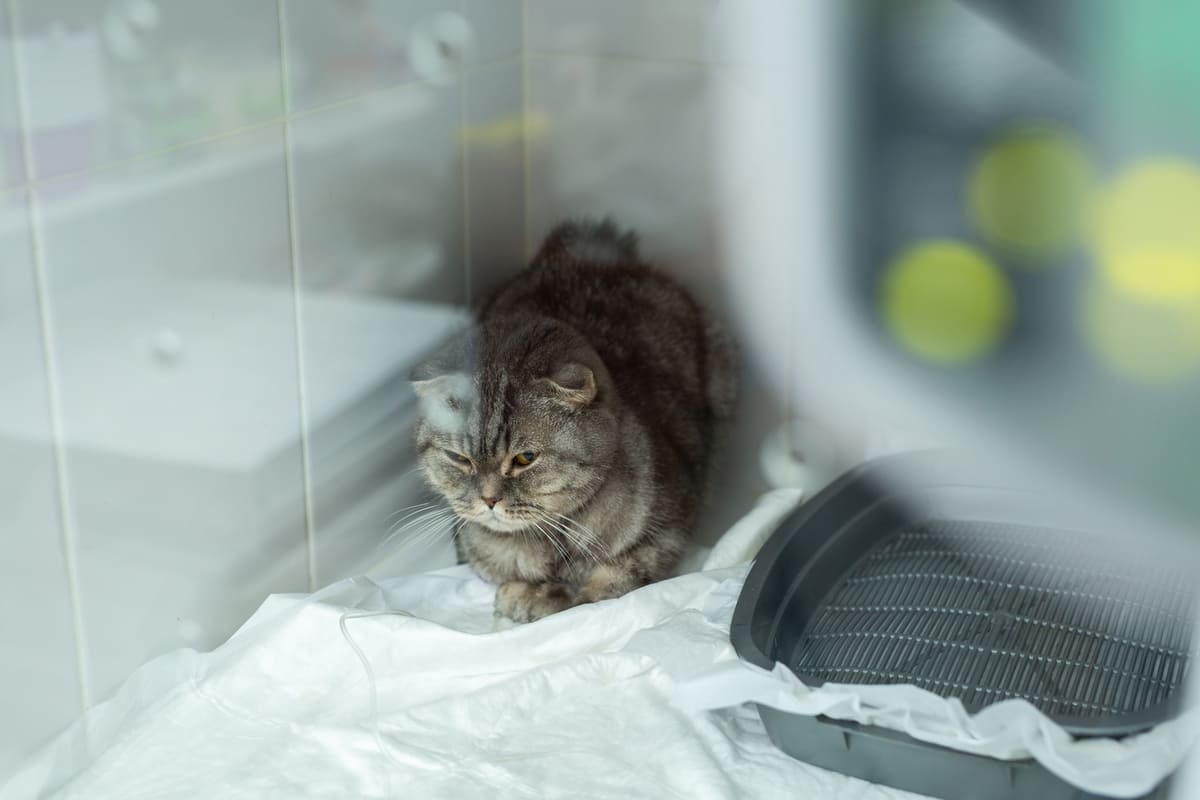
Although most side effects are mild, in some cases the immune system may overreact. Being aware of symptoms requiring emergency intervention after cat vaccination will help you prevent life-threatening situations. As highlighted in the VCA Animal Hospitals source, although rare, vaccine reactions should always be taken seriously.
If you observe any of the following symptoms in your cat, you should contact your veterinarian immediately:
Difficulty breathing: Wheezing, shortness of breath, or coughing fits.
Persistent vomiting and diarrhea: Cats may vomit after vaccination. However, it is risky if it becomes persistent.
Swelling of the face and neck: Sudden swelling around the eyes, lips, or neck.
Fainting or seizures: The cat suddenly collapsing or experiencing convulsions.
Severe Itching: An uncontrollable itching sensation throughout the body or at the injection site.
As also stated in the Boehringer Ingelheim source, these types of serious reactions usually occur shortly after vaccination. However, observation in the following hours is essential.
Post-Vaccination Home Care Steps

The environment you provide at home after returning from the clinic will speed up your cat's recovery process. The most important of the post-vaccination care recommendations is to provide a stress-free and calm space for it. Your cat will probably feel tired and want to get away from people. As also suggested in the Countryside Veterinary Hospital source, you can prepare a warm and safe bed for it in a quiet corner of the house.
The vaccination site may be sensitive for a while. It is important to be gentle with the area when checking for swelling in the cat after vaccination. You should avoid applying pressure to the vaccination site when holding or petting your cat. If the vaccination was in the leg, you may see a slight limp. This is temporary, but rough play should be avoided.
It is important not to be insistent about feeding. The best approach is to provide fresh water and their favorite food and leave them alone. If the cat is not eating after vaccination, it is best to remain calm: it is normal for them not to want to eat for the first few hours due to stomach sensitivity. Monitoring water intake is critical to prevent dehydration.
Special Points to Consider After Vaccination in Kittens

The immune system of kittens is still developing and learning. Therefore, their response to the vaccine may be more pronounced compared to an adult cat.
Their tiny bodies exert a great deal of effort trying to recognize the protective substances in the vaccine. According to Countryside Veterinary Hospital, it is a natural process that kittens are expected to spend almost the entire day after vaccination sleeping and being unresponsive to play.
To keep your kitten comfortable after vaccination and prevent risks, you can follow these steps:
Body temperature support: Kittens do not have a fully developed ability to regulate their body temperature. Therefore, slight shivering may occur after vaccination. This symptom does not always mean that they are cold, but it needs to be monitored. You can warm their nest with a blanket or a warm water bottle wrapped in a towel to keep them warm.
Beware of hypoglycemia risk: Adult cats can go a day without food, but kittens have limited energy reserves. If loss of appetite exceeds 12 hours, there is a risk of low blood sugar. If they are not eating, you should provide them with energy by offering wet food or vitamin pastes recommended by your veterinarian.
Help them calm down: The answer to the question "Why do kittens cry after vaccinations?" is usually the stinging sensation at the injection site. Since the muscle tissue is not yet fully developed, the vaccination site can become sensitive. If they meow when you pick them up, to avoid hurting them, you can temporarily stop holding them and show your affection by simply stroking their head.
Post-Vaccination Feeding, Behavior, and Toilet Monitoring
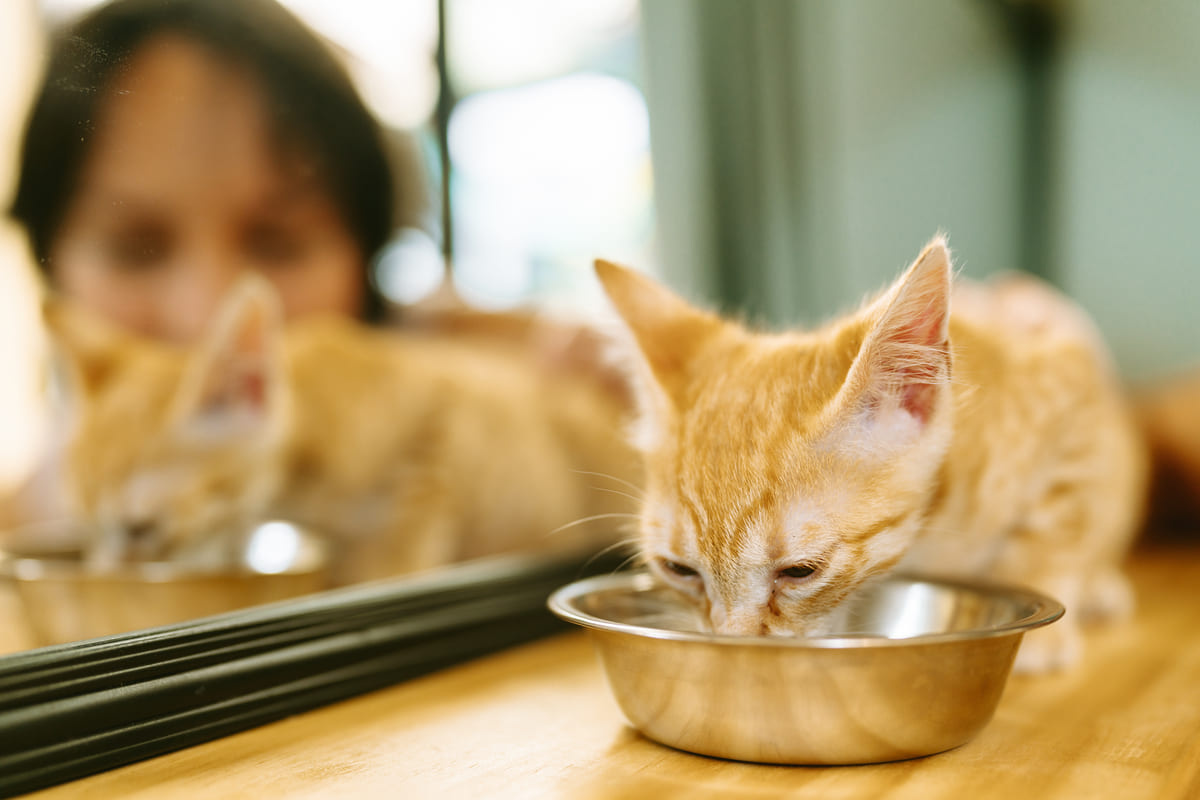
The first 24 hours after your cat returns home from the clinic are the most critical observation window for its health. During this period, you need to correctly interpret the signals its body is giving.
- It is expected that vaccinated cats will skip one or two meals due to mild nausea or fever. However, the point to be cautious about here is the duration.
Critical warning: If your cat hasn't eaten a single bite for more than 24 hours, this may pose a risk to liver health. Extra attention is needed, especially for overweight cats.
Water consumption: Not eating food for a while is tolerable, but not drinking water (especially in kittens) is dangerous. If your cat isn't going to its water bowl, you can encourage fluid intake by slightly diluting its wet food. Many cat owners overlook litter box monitoring after vaccination. However, the litter box provides the clearest information about your cat's inner world. Risk of diarrhea: Vaccines can sometimes cause temporary sensitivity in the digestive system, leading to diarrhea. Severe diarrhea can cause your cat, who already has a poor appetite, to rapidly lose fluids.
- Many cat owners overlook litter box monitoring after vaccination. Yet the litter box provides the clearest information about your cat's inner world.
Risk of diarrhea: Vaccines can sometimes cause temporary sensitivity in the digestive system, leading to diarrhea. Severe diarrhea can cause your cat, who already has a poor appetite, to rapidly lose fluids.
Inability to urinate: Vaccination stress or travel anxiety can cause urinary tract problems in some sensitive cats. If your cat goes to the litter box but cannot urinate, or if it urinates drop by drop outside the litter box, this may not be a vaccine side effect but a stress complication requiring immediate attention.
- Cats often sleep after vaccination, especially kittens. This is because the body directs all its energy to antibody production and immune defense.
Let it rest: Don't force it to play, don't insist on picking it up. If it wants to hide, let it retreat to its safe area.
Evaluate pain signals: If your cat doesn't come out of its hiding place, growls or hisses when you touch it, it may be experiencing significant pain at the injection site. Lethargy is normal, but if your cat becomes so depressed that it cannot lift its head, a veterinarian should be consulted. Warning: Unless recommended by a veterinarian, never give cats painkillers or any medication intended for humans at home. Incorrect medication and dosage choices can lead to life-threatening poisoning.
Frequently Asked Questions About the Post-Vaccination Process in Cats

Vaccination for cats is essential for maintaining health and preventing potential diseases. However, since some cats experience post-vaccination complaints, awareness on this issue should be increased.
How many days does post-vaccination lethargy last in cats and when should I worry?
Post-vaccination lethargy is a natural process indicating that the immune system has started working. This usually resolves on its own within 24 to 48 hours. During this time, your cat may sleep more than usual or may not want to play. If, after 24-48 hours, your cat is still having difficulty getting up, is unresponsive, or doesn't come out of its hiding place at all, this is not normal; you should contact your veterinarian.
What should I do if my cat doesn't eat after vaccination, how long can it go without food?
It is expected that your cat will have a loss of appetite or skip a meal during the first 12-24 hours after vaccination. It may not want to approach its food bowl due to stomach sensitivity or a general feeling of malaise. If the loss of appetite persists or your cat doesn't drink any water, it is important to seek veterinary support as this can lead to dehydration.
I feel pain when I touch the injection site on my cat after vaccination, is swelling normal?
Yes. Tenderness, mild pain, and a small swelling at the injection site are common side effects, as also stated by the American Veterinary Medical Association (AVMA). The area may become slightly hard because immune cells are gathering at the injection site. This tenderness usually decreases within a few days. If the swelling is increasing, if there is discharge from the area, or if the hardness persists for more than three weeks, you should definitely consult your veterinarian.
Do cats get a fever after vaccination, how can I tell?
A slight increase in body temperature may be observed due to the stimulation of the immune system. Mild fever is usually accompanied by lethargy and is short-lived. If you notice your cat trembling, panting, or excessive lethargy, this may indicate a high fever in cats and requires immediate attention.
Can I bathe my cat after vaccination?
Veterinarians generally do not recommend bathing in the first few days after vaccination. The main reason for this is that bathing is a source of stress for the cat, and it is not desired to create extra stress while the immune system is already preoccupied with the vaccine. In addition, the cat may experience extra pain during bathing due to the sensitivity of the vaccination area.
Kaynaklar:
https://www.avma.org/resources-tools/pet-owners/petcare/vaccines-and-sarcomas-concern-cat-owners
https://www.petmd.com/cat/general-health/cat-vaccines-most-common-reactions
https://www.boehringer-ingelheim.com/animal-health/companion-animals-horses/pets/cat-vaccination-10-things-you-should-know
https://vcahospitals.com/know-your-pet/care-for-your-pet-after-vaccination
https://countrysideveterinaryhospital.com/after-kitten-vaccines
Advertisement
Advertisement
Keep exploring
Continue reading
Cat Health
Why Do Cats Get Thinner as They Age? Symptoms and Treatment
When stroking an aging cat's back, the spine or hip bones may feel more prominent than before, which is the first change most cat owners notice.
Read guide →
Cat Health
Cat Anatomy and Organs: Body Structure, Health Signs and Relationship with Diseases
A slight change in posture, a slight limp in gait, or a difference in litter box habits in cats can give clues about their body systems.
Read guide →
Cat Health
How to Acclimate Cats to Carrier Bags?
Does your cat hide, hiss, or resist with all its might the moment it sees the carrier? This reaction is described as carrier phobia in most homes…
Read guide →
Cat Health
Pica Syndrome in Cats and Dogs
Have you noticed your pet constantly gravitating towards non-edible materials like plastic, fabric, or stone?
Read guide →