Attention to Dangers in the Home for Pet Birds
Birds' ability to fly, allowing them to go wherever they want when outside their cages, can expose them to potentially dangerous elements. Although homes are considered extremely safe for birds, small details that can be overlooked can jeopardize the safety of our feathered friends.
Advertisement
Birds' ability to fly, allowing them to go wherever they want when outside their cages, can expose them to potentially dangerous elements. Although homes are considered extremely safe for birds, small details that can be overlooked can jeopardize the safety of our feathered friends.
In this article, you can find information about simple, yet effective measures that should be taken to ensure a safe environment for pet birds at home.
There's No Limit to What They Can Chew
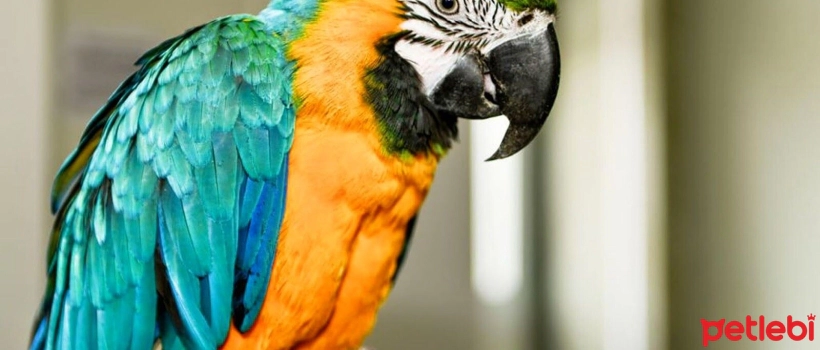
Parrots are particularly known for their fondness for chewing. Because they are extremely curious and love to use their beaks, they can adopt various household items as chewing objects. Their use of beaks and tongues for exploration makes them more vulnerable to danger.
Objects containing zinc, copper, and lead are harmful to them. Batteries and galvanized wires are harmful to their health. Bright and small objects also attract their attention. Risks can be minimized by keeping them under supervision when they are free.
Windows and Doors Should Be Kept Closed

Their ability to fly extremely well doesn't mean pet birds are immune to danger. On the contrary, this ability they possess is interpreted as the cause of the vast majority of dangers birds are exposed to. Therefore, caution is extremely important. It is necessary to protect them from numerous dangers such as soup simmering in a pot in the kitchen, a teapot brewing tea, and a wall fan used for cooling. Open windows can allow them to fly outside the house. When they fly out of open windows, it is not always easy for them to return home or stay away from dangers outside, so checking that the windows are closed is one of the most important requirements for ensuring their safety. When they are going to fly inside the house, closing all windows, including small windows in bathrooms, becomes the most reliable method. Alternatively, using protective nets is also possible. Doors are another reason that puts pet birds in danger. Since birds can perch on top of doors when released indoors, it's advisable for homeowners to be vigilant. A moment of negligence can cause serious injury to pet birds.
Open windows can cause cats to fly out of the house. When they fly out of open windows, it's not always easy for them to return home or stay away from dangers outside, so checking that windows are closed is one of the most important requirements for ensuring their safety.
When they are going to fly inside the house, closing all windows, including small windows in bathrooms, becomes the most reliable method. Alternatively, using safety nets is also an option.
One of the reasons pet birds are at risk is doors. Since they can perch on the top of doors when released inside the house, it is advisable for people living in the house to be careful. A moment of negligence can cause serious injury to pet birds.
Besides windows and doors, ceiling fans and even chandeliers can pose a risk to birds. The variety of risk factors means that birds should be monitored when they are released. They should not be released without ensuring the safety of the areas where they fly.
They are very sensitive to aerosols
Due to their unique respiratory systems, which are highly sensitive to toxins in aerosol form, extra precautions should be taken in environments where birds are present. Some candle wicks contain lead, which can become aerosolized. Volatiles such as incense, cooking fumes, and perfumes can irritate the respiratory tracts of birds.
Microbes in Human Mouths Are Dangerous

Human mouths contain bacteria, microorganisms, and microbes that can be harmful to birds. It is important to protect birds from these dangers in human mouths. It should become a habit that they do not bite the food given to them.
They Should Not Be Exposed to Cigarette Smoke
Birds are also extremely sensitive to cigarette smoke. Smoking in their environment can cause recurrent respiratory infections, difficulty breathing, and endanger their lives.
It should be known that in addition to cigarette smoke, the smoke and nicotine that cling to people's hands or clothes are also harmful to them. A bird that lands on the hand of someone who has recently smoked may experience irritation to its beak, feet, and tongue. When its feet are irritated by nicotine, birds may chew on them until they bleed.
Care Should Be Taken in Plant Selection
As mentioned earlier, birds are creatures with the potential to chew on everything around them. Birds can chew on, swallow, or perch on houseplants. Ingesting some plants can result in life-threatening situations for birds. Yew, rhododendron, calla lilies, mistletoe, philodendron, and poinsettia, also known as Atatürk flower, are among the plants that are harmful to birds.
Medications Should Not Be Left Out in the Open
Human medications left out in the open can be life-threatening not only for birds, but for the vast majority of pets. The shapes and structures of medications are attractive to birds. Birds are drawn to smooth, colorful objects with flat surfaces. They can grasp medications with their beaks and even swallow them.
When swallowed, pills are rapidly metabolized in the bodies of birds. Ingestion of medications specifically formulated for humans by birds can lead to very serious health problems and even death.
The variety of dangers requires close observation of birds. Recognizing the symptoms they experience is extremely important so that they can be taken to a veterinarian in time. To learn more about common diseases in budgies, you can read our content titled "Budgie Diseases and Treatments at Home".
Advertisement
Advertisement
Keep exploring
Continue reading
Bird Care
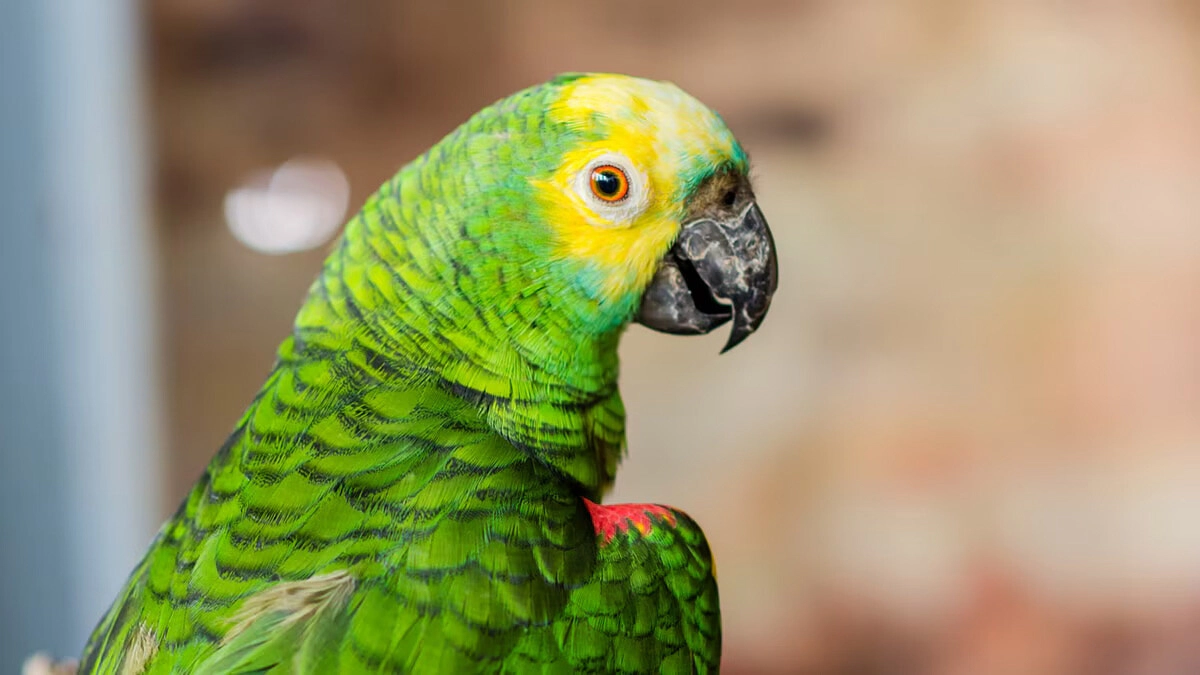
Comprehensive Guide to Amazon Parrot Care, Feeding and Training
Caring for an Amazon Parrot isn't as simple as putting food in the cage, keeping an eye on the water, and getting through the day.
Read guide →
Bird Care
Things to Consider When Choosing Bird Food
As stated in PetMD, a significant portion of errors in bird nutrition stem from not selecting feed according to the species and needs.
Read guide →
Bird Care
Canary Characteristics, Care and Feeding
If you want a cheerful, loving, and lively energy in your home, canaries can start a wonderful change in your life.
Read guide →
Bird Care
Common Misconceptions About Bird Care: Debunking Myths with Scientific Facts
We can only understand how sensitive and special pet birds are when we own them. The chirping of a budgie or the affectionate gaze of a parrot gives…
Read guide →