B Vitamin Deficiency and Symptoms in Cats
B vitamins are a group of vitamins rather than a single vitamin. B complex vitamins consist of eight separate water-soluble vitamins. These vitamins are extremely important organic compounds that play a role in essential metabolic processes in the body, including cell metabolism.
Advertisement
B vitamins are a group of vitamins rather than a single vitamin. B complex vitamins consist of eight separate water-soluble vitamins. These vitamins are extremely important organic compounds that play a role in essential metabolic processes in the body, including cell metabolism. B vitamins can be found in many different foods, and cat foods formulated to meet the needs of cats also include B group vitamins in cat vitamins. In this article, you can find answers to your questions such as "What are the symptoms of vitamin deficiency in cats?" and "How can vitamin deficiency be detected in cats?" Vitamin B1 Deficiency in Cats, Causes and Symptoms Vitamin B1, also called thiamine, plays a role in the carbohydrate metabolism of cats. Symptoms of vitamin deficiency in cats can include serious neurological symptoms. Symptoms of vitamin B1 deficiency in cats may include bowing of the neck, circling around, dilated pupils, seizures, lethargy, backward curvature of the neck and spine, excessive salivation, decreased appetite, vomiting, and weight loss. Prolonged loss of appetite, diseases that hinder nutrient absorption, excessive urination, consumption of foods preserved with sulfur dioxide, feeding with foods where vitamin B1 is destroyed during processing, and the breakdown of vitamin B1 by certain bacteria can all lead to vitamin B1 deficiency in cats. If a cat is diagnosed with vitamin B1 deficiency, vitamin supplementation treatments via injection or oral administration may be necessary to correct the deficiency. The main way to prevent vitamin B1 deficiency is to ensure that cats are fed high-quality cat food varieties suitable for their life stages and health conditions. You can learn about cat food alternatives by clicking here. Vitamin B2 Deficiency in Cats, Causes and Symptoms Vitamin B2, also called Riboflavin, is very important for cats. Vitamin B2, which acts as a coenzyme in carbohydrate, protein, and fat metabolism, is a component of enzymes involved in the metabolism of glutathione, a very powerful antioxidant. In addition, vitamin B2 plays important roles in skin, coat, and muscle health. Vitamin B2 deficiency in cats can result from deficiencies in their diet or in the food they consume. Chronic diseases that reduce absorption, such as diabetes and kidney disease, can also cause vitamin B deficiency in cats. If your cat has a vitamin deficiency, symptoms such as loss of appetite, fatty liver, hair loss in the head and neck area, and testicular shrinkage in male cats may occur.

Vitamin B1 Deficiency in Cats, Causes and Symptoms
Vitamin B1, also called thiamine, plays a role in the carbohydrate metabolism of cats. Symptoms of vitamin deficiency in cats may include serious neurological symptoms. Symptoms of vitamin B1 deficiency in cats include a drooping neck, circling, dilated pupils, seizures, lethargy, backward curvature of the neck and spine, excessive salivation, decreased appetite, vomiting, and weight loss. Prolonged loss of appetite, diseases that impair nutrient absorption, excessive urination, consumption of food preserved with sulfur dioxide, feeding foods where vitamin B1 is destroyed during processing, and the breakdown of vitamin B1 by certain bacteria can all lead to vitamin B1 deficiency in cats. If a cat is diagnosed with vitamin B1 deficiency, treatment with vitamin B1 supplements via injection or oral administration may be necessary. The primary way to prevent vitamin B1 deficiency is to ensure that cats are fed high-quality cat food suitable for their life stage and health status. You can learn about cat food alternatives by clicking here.
If a cat is diagnosed with vitamin B1 deficiency, treatment may require injections or oral vitamin supplements. The main way to prevent vitamin B1 deficiency is to ensure that cats are fed high-quality cat food varieties suitable for their life stage and health status. You can learn about cat food alternatives by clicking here.
Vitamin B2 Deficiency in Cats: Causes and Symptoms
Vitamin B2, also called riboflavin, is very important for cats. Acting as a coenzyme in carbohydrate, protein, and fat metabolism, vitamin B2 is a component of enzymes involved in the metabolism of glutathione, a very powerful antioxidant. In addition, vitamin B2 plays important roles in skin, coat, and muscle health. Vitamin B2 deficiency in cats can result from nutritional deficiencies in their diet or the food they consume. Chronic diseases that reduce absorption, such as diabetes and kidney disease, can also cause vitamin B deficiency in cats. If your cat has a vitamin deficiency, symptoms such as loss of appetite, fatty liver, hair loss in the head and neck area, and testicular shrinkage in male cats may occur.
Vitamin B3 Deficiency in Cats: Causes and Symptoms
Vitamin B3, also known as niacin, is produced in very small amounts in cats. Therefore, it is important to introduce it into their diet through nutrition. Niacin plays a role in the amino acid and carbohydrate metabolism of cats. Vitamin B3 is among the important vitamins for the health of the central nervous system, bones, joints, digestive system, and skin. In cats, vitamin B3 deficiency can occur due to inadequate nutrition or the consumption of food lacking sufficient vitamin B3. Loss of appetite, decreased coat quality, weight loss, digestive system disorders, and growth retardation are among the symptoms of vitamin B3 deficiency in cats. The severity of symptoms may vary depending on the degree of vitamin deficiency. Pantothenic acid, also known as vitamin B5, is an important vitamin that helps cats convert proteins, fats, and carbohydrates into energy. Vitamin B5 deficiency is generally considered a condition that occurs in kittens. In kittens, vitamin B5 deficiency affects the intestines and liver. It can occur due to the consumption of food that does not contain the ideal amount of vitamin B5 or due to the failure to preserve vitamin B5 during food production. After diagnosis, veterinarians may usually recommend supplementation for the kitten. You can review vitamin supplements for cats here.
Vitamin B5 Deficiency in Cats: Causes and Symptoms
Pantothenic acid, also known as vitamin B5, is an important vitamin that helps cats convert proteins, fats, and carbohydrates into energy. Vitamin B5 deficiency is generally considered a condition that occurs in kittens. In kittens, vitamin B5 deficiency affects the intestines and liver. It can occur due to consuming food that does not contain the ideal amount of vitamin B5 or due to the failure to preserve vitamin B5 during food production. After diagnosis, veterinarians may usually recommend supplementation for kittens. You can review vitamin supplements for cats here.

Vitamin B6 Deficiency in Cats, Causes and Symptoms
Vitamin B6 deficiency in cats can often lead to serious problems such as growth retardation, anemia, and weight loss. This vitamin, which plays important roles in the nervous system and protein metabolism of cats, can cause various symptoms such as nervous system disorders, weakened immune system, weight loss, neurological disorders, and behavioral problems if not taken in ideal amounts. If veterinarians diagnose vitamin B6 deficiency in cats, they may recommend the use of various supplements and adherence to special feeding programs.
Vitamin B7 Deficiency in Cats, Causes and Symptoms
Vitamin B7, also known as biotin, is one of the essential vitamins needed for skin and coat health in cats. Vitamin B7 plays a role in the conversion of nutrients into energy and cell metabolism, in addition to skin and coat health. Its deficiency can cause various complaints in cats, such as hair loss, skin problems, dull fur, behavioral changes, and decreased appetite. Long-term antibiotic use, genetic disorders, and nutritional deficiencies can cause vitamin B7 deficiency in cats.
Vitamin B9 Deficiency in Cats, Causes and Symptoms
Vitamin B9 deficiency, which plays a role in DNA synthesis and repair in cats, supports cell growth in growing kittens and fetuses in the womb, and is involved in the production of red blood cells and neurotransmitter synthesis, is not a common condition. If present, slowed growth in cats is one of the most common symptoms. Folic acid deficiency in cats can sometimes also lead to anemia.

Vitamin B12 Deficiency in Cats: Causes and Symptoms
Vitamin B12, also known as cobalamin, is one of the most important vitamins for the health of cats. Found in animal protein sources such as liver, kidney, red meat, white meat, and eggs, vitamin B12 works together with folic acid, or vitamin B9, during the metabolism of fats, proteins, and carbohydrates. Vitamin B12 deficiency in cats usually occurs in the presence of intestinal diseases that affect vitamin absorption. Vitamin B12 plays a role in important processes such as supporting the immune system, bone and neurological health of cats, the production of red blood cells, and DNA synthesis. In case of deficiency, cats may experience negative consequences such as loss of appetite, weight loss, anemia, digestive system problems, and nervous system disorders. Since vitamin B12 is a vitamin taken into the body through food, it is extremely important that cats are fed with high-quality cat food suitable for their life stages and general health status.
In conclusion, cats need a balanced diet to maintain their health. Vitamins are important organic compounds for cats. Early detection of vitamin deficiencies in cats and initiation of necessary treatment processes means ensuring the continued health of the cat.
Advertisement
Advertisement
Keep exploring
Continue reading
Cat Health
Why Do Cats Get Thinner as They Age? Symptoms and Treatment
When stroking an aging cat's back, the spine or hip bones may feel more prominent than before, which is the first change most cat owners notice.
Read guide →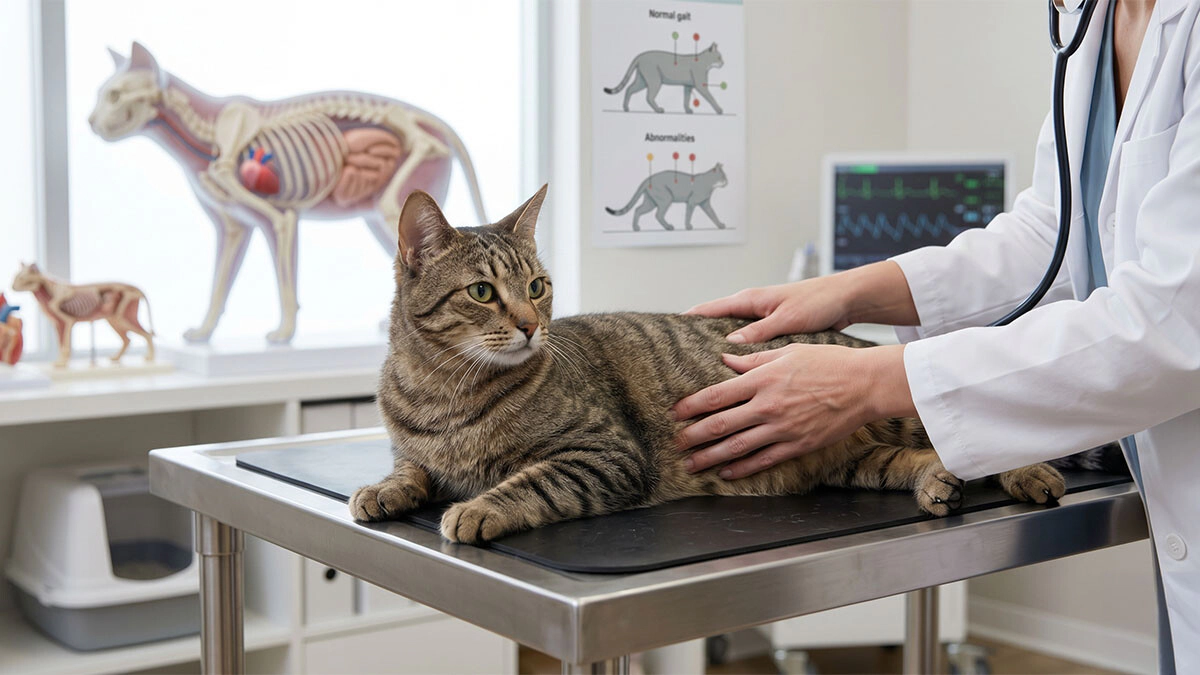
Cat Health
Cat Anatomy and Organs: Body Structure, Health Signs and Relationship with Diseases
A slight change in posture, a slight limp in gait, or a difference in litter box habits in cats can give clues about their body systems.
Read guide →
Cat Health
How to Acclimate Cats to Carrier Bags?
Does your cat hide, hiss, or resist with all its might the moment it sees the carrier? This reaction is described as carrier phobia in most homes…
Read guide →
Cat Health
What Should Be Considered After Vaccination in Cats?
Following your cat's vaccination schedule for health and a long life is one of the most critical decisions you will make as a pet owner.
Read guide →