Balinese Cat Characteristics, Care and Temperament
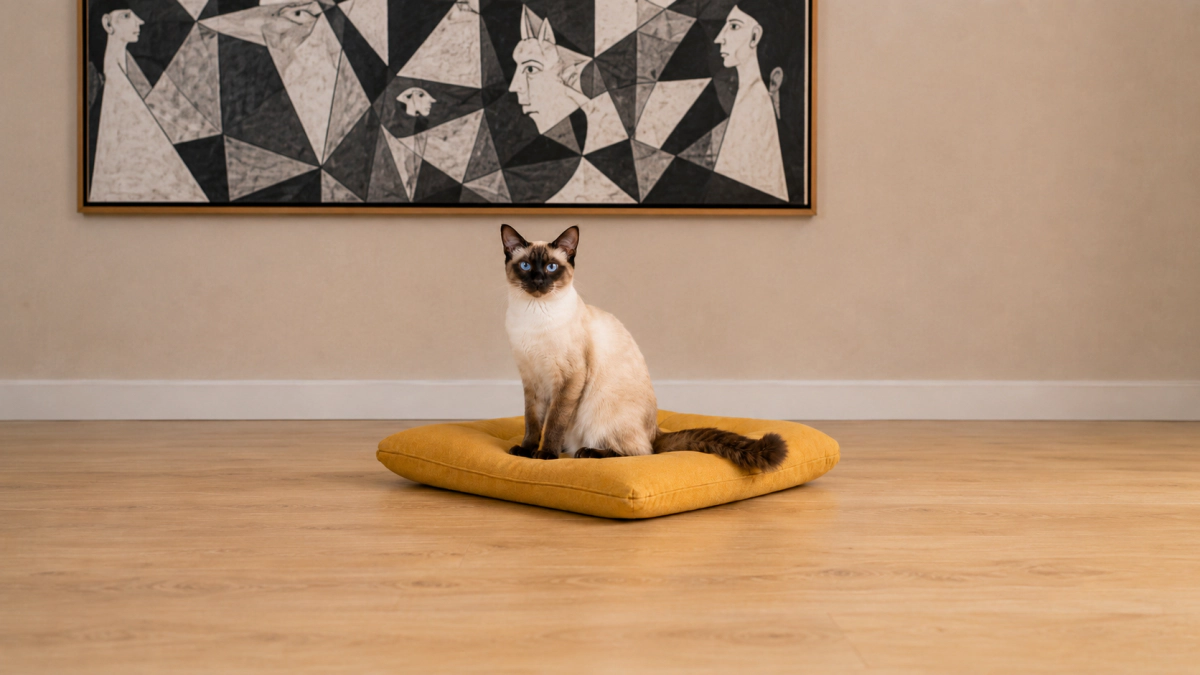
Take the elegance of a Siamese cat, add long, silky fur, and you have a Balinese. This cat is like your shadow in the house. It appears at your feet every time the door opens, on the keyboard, or under the blanket.
Advertisement
Take the elegance of a Siamese cat, add long, silky fur, and you have a Balinese. This cat is like your shadow in the house. It appears at your feet every time the door opens, on the keyboard, or under the blanket. It uses its voice generously, chats with you all day long, and analyzes your moments of distress with surprising sensitivity.
We're talking about an intelligent, athletic, and very affectionate breed. The Balinese is happy as long as it receives attention, and in return, it offers a loyal friendship that lasts for years. It lives happily in an apartment or a large house. Its only expectation is to find that one person to share its time with and keep its mind occupied.
Let's explore the characteristics of the Balinese cat together.
Warning: This content is for general information purposes only. This information does not replace a veterinary examination or individual medical assessment. For a definitive assessment of your cat, please consult a veterinarian.
Balinese Cat General Characteristics
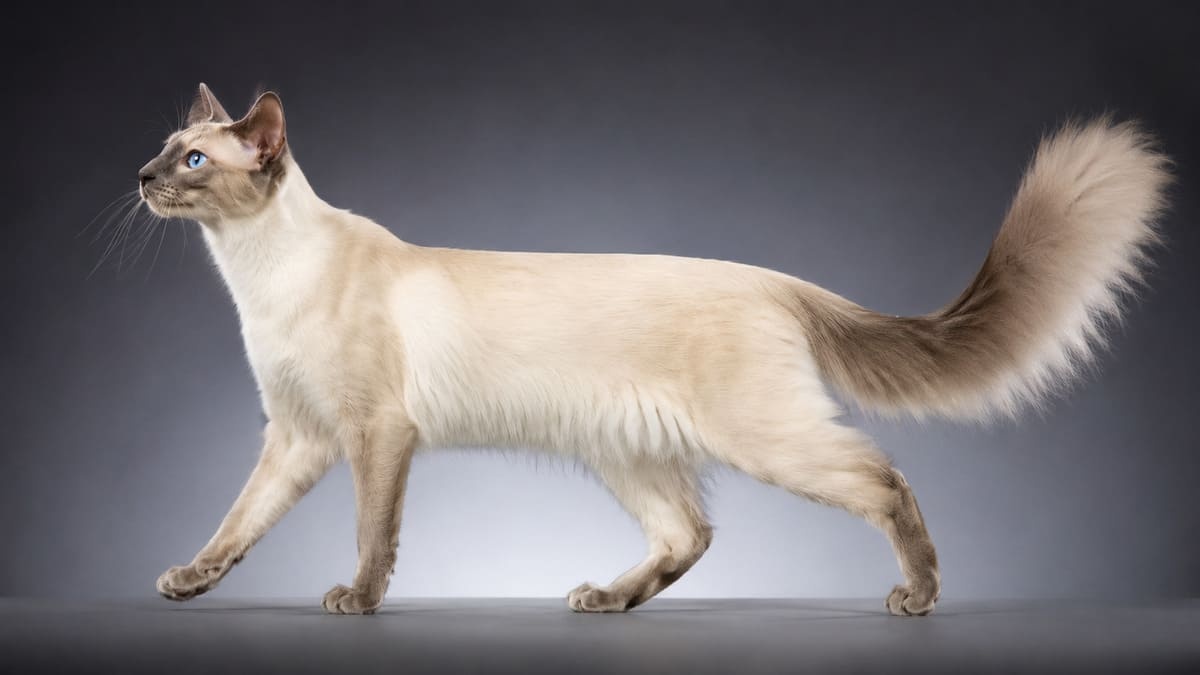
The Balinese is a long-haired variety of the Siamese cat and shares the same elegant body structure. Its name is inspired by the graceful dancers of Bali, Indonesia. However, the breed itself developed in the United States, not Bali.
Puppy carrying the long-haired gene occasionally appeared among Siamese kittens, and from the 1950s onwards, it began to be developed as a separate breed. According to TICA, kittens mature slowly and complete their development only at 18-24 months.
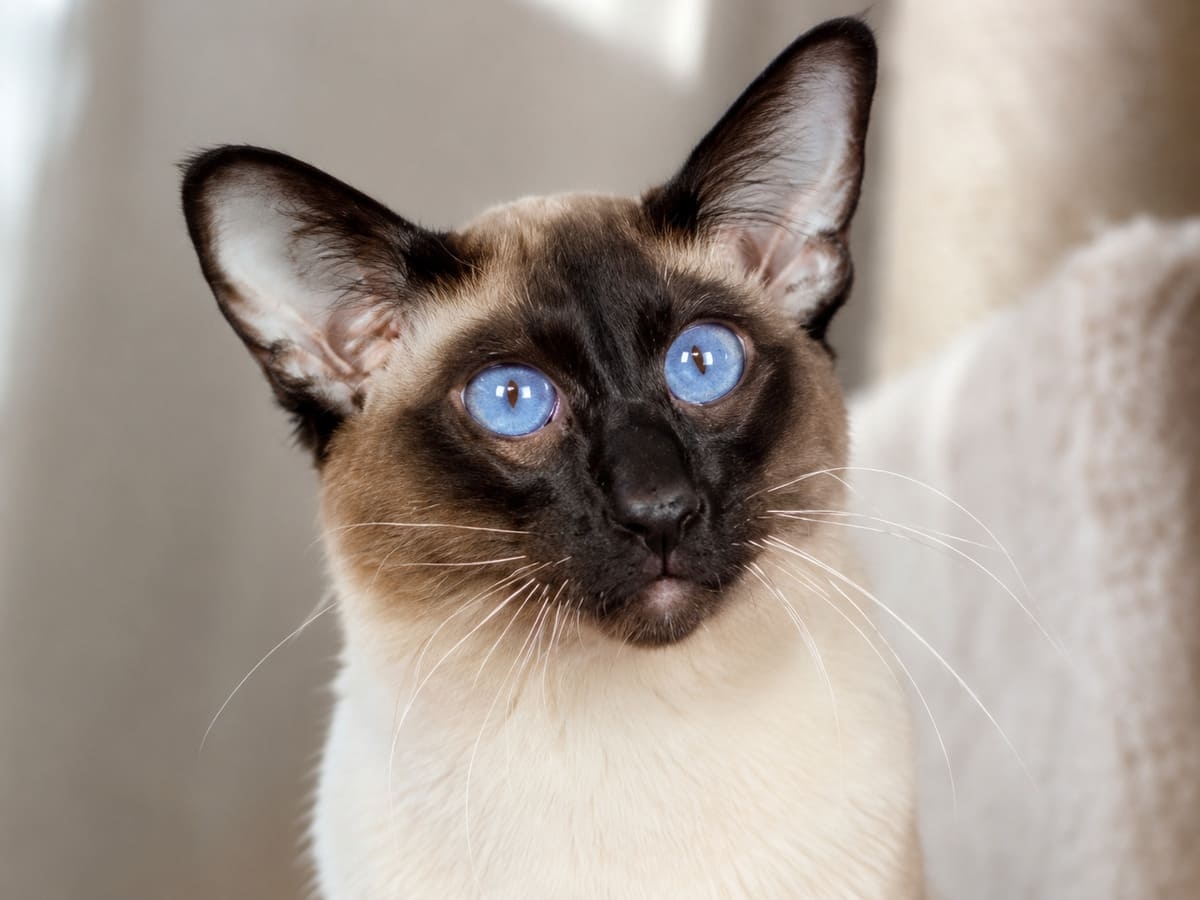
The body is finely bony but distinctly muscular. The head is a long triangle shape, tapering from the nose to the ear tips. The eyes are almond-shaped and a deep, vibrant blue.
Its most distinctive feature is its coat. The Balinese has a single-layered coat without an undercoat; this structure reduces the tendency of the coat to matt. The feathers are approximately 1 to 5 cm long on the body and reach 12 cm at the tail, creating a showy appearance. Females can weigh approximately 2.3–3.6 kg, and males approximately 3.6–5.4 kg.
The color palette is quite wide. In the colorpoint pattern, also known as the spotted pattern, the color is concentrated on the mask, ears, legs, and tail, while the body remains lighter. The most well-known shade is seal point; however, chocolate, blue, lilac, cinnamon, red, and cream spots, as well as striped and tortie variations, can also be seen.
Balinese Cat Character and Temperament

The Balinese is a highly social and talkative cat that becomes deeply attached to its owner. Unlike Siamese cats, its voice is slightly softer and less insistent.
According to the CFA, Balinese cats can play for a long time, then curl up and fall asleep in your lap. Their intelligence is remarkable. They easily learn fetch and find their way to open the drawer where you've hidden their toy.
They are generally friendly towards dogs and become a devoted member of the family. It is said that older children keep up with this energetic pace more easily than very young children.
They have a high energy level, and it is essential that this energy is released during the day.
When not receiving mental and physical stimulation, it gets bored, and when bored, it may turn to mischief. Climbing areas, puzzle toys, and regular interactive play sessions ensure that this intelligence flows in a healthy direction.
It is sensitive and emotional by nature. It notices the atmosphere in the house, the tone of your voice, and how your day went. This intuition is one of the most prominent characteristics that makes it a warm companion.
Is the Balinese Cat Suitable for Home Life?
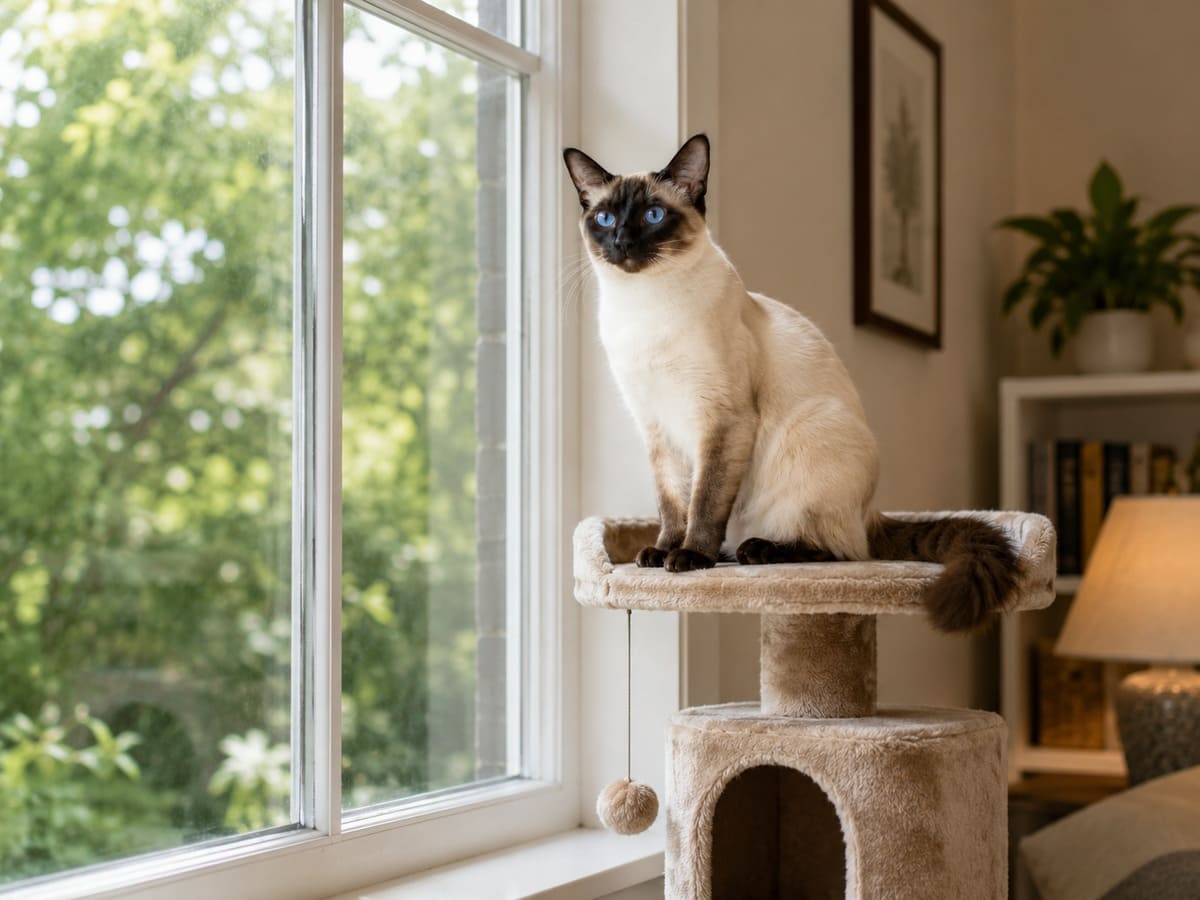
If given the ideal amount of attention, the Balinese will live happily in both an apartment and a house. What matters is not the square footage, but the vertical space and richness of interaction. Cat trees, wall shelves, and scratching areas that it can climb are necessary for it to release its energy. When it finds sufficient stimulation, it becomes a calm, compliant, and extremely pleasant housemate.
Their relationship with children is generally positive. When the right conditions for introduction are provided and children are taught how to interact with the cat, the Balinese reveals its playful side. They can show the same adaptability to dogs and other cats that are friendly with them.
Their most sensitive point is loneliness. Balinese cats do not like being left alone for long periods and can become restless if their social needs are not met. A routine where no one is home all day is not ideal for this breed. In such a case, a second pet or an enriched environment can help alleviate the burden of loneliness.
Important: The Balinese is not a "self-sufficient" cat. It is best suited for owners who spend most of the day at home or who can dedicate regular time to their cat. If you are on a schedule where you cannot meet their social needs, it is worth thinking twice before choosing this breed.
How to Care for a Balinese Cat?
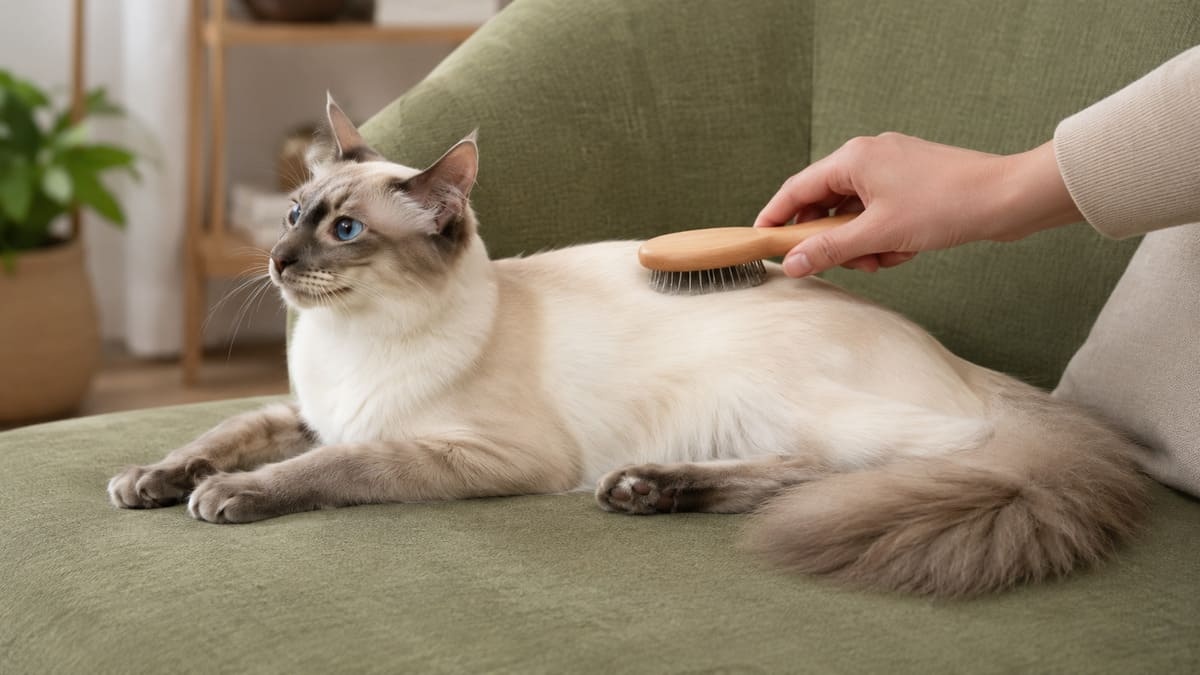
Despite its long-haired appearance, the Balinese is one of the relatively easy cats to care for. Its single-layered coat significantly simplifies the daily routine. However, it still requires regular attention in three areas: fur, teeth, and exercise.
Balinese Cat Fur Care
Because it has no undercoat, its fur is not prone to matting and knotting, and shedding is minimized. Brushing once a week with a wide-toothed comb is often sufficient to remove dead hairs and maintain the showy coat shape of the tail.
Balinese Cat Oral and Dental Health
Dental health is the most neglected yet critical aspect of Balinese care. The WSAVA Global Dental Health Guidelines list oral and dental diseases among the most common medical problems in pets. According to the guidelines, untreated dental disease is a serious welfare issue that can lead to significant pain, local and eventually systemic infection.
Like all cats, Balinese can develop gingivitis, also known as gum inflammation, periodontal disease affecting the gums and surrounding tissue, and bad breath. The most effective way to prevent these is regular brushing at home.
While home care is invaluable, dental health should be regularly checked by a veterinarian. Professional dental cleaning may be recommended when necessary. According to the guidelines, proper assessment and cleaning should be done under general anesthesia and with dental X-rays. Because many problems are hidden under the gums.
Balinese Cat Exercise Needs
The Balinese's exercise needs are both physical and mental. As a high-energy and intelligent cat, it needs not only a space to run and jump, but also activities that stimulate its mind. Puzzle toys, toys that can hide food, and interactive hunting toys can help meet its need for mental stimulation.
In addition to all this, as part of Balinese cat care, nails should be checked and trimmed weekly, and ears and eyes should be cleaned at regular intervals. If redness, odor, or discharge is noticed in the ears, it is best to consult a veterinarian. Keeping the litter box clean and accessible is also an important part of daily comfort.
Balinese Kedisi Beslenmesi

Choosing a complete and balanced food appropriate for your cat's life stage is a good start. It is appropriate to feed an adult Balinese at least two small meals a day, while kittens need three to four meals a day as they burn calories faster.
Although they are an active breed, like any cat, they can gain weight if overfed. Treats are an enjoyable part of feeding, but should not exceed 10 percent of daily calories.
When planning a Balinese cat's diet, daily fluid intake is as important as choosing the right food. Fresh, clean water should always be available.
Especially during the summer months, consuming wet or canned food can increase daily fluid intake and be part of a diet that supports urinary system health. Portion sizes should be planned in consultation with a veterinarian, taking into account the cat's age, weight, and body condition.
Common Diseases in Balinese Cats

Balinese cats are generally a healthy and long-lived breed. However, according to PetMD, they may be susceptible to certain hereditary conditions and general health problems that can affect any cat.
Some of the following diseases are associated with predispositions reported in Siamese breeds. Others are general health problems that can be seen in all cats.
Amyloidosis
Amyloidosis is a systemic disease in which an abnormal protein called amyloid accumulates in tissues, impairing organ function. According to VCA Animal Hospitals, in Siamese and Oriental cats, the condition primarily affects the liver. The most critical risk is that amyloid accumulation makes the liver fragile, leading to rupture and intra-abdominal bleeding.
Kidney involvement can also occur and may predispose to chronic kidney failure. The hereditary form can appear at a young age; symptoms usually appear between 1 and 7 years of age, sometimes earlier. In addition to subtle signs such as weakness, loss of appetite, vomiting, and abdominal swelling, symptoms such as pale gums, rapid breathing, abdominal pain, and sudden collapse can be indicative of internal bleeding.
Caution: Pale gums, a swollen abdomen, rapid breathing, or sudden collapse may indicate an emergency situation such as internal abdominal bleeding and require immediate veterinary attention. These symptoms alone do not constitute a diagnosis; the overall picture must be evaluated.
Progressive Retinal Atrophy
Also called progressive retinal atrophy, PRA is a hereditary disease that can lead to progressive blindness. Affected Balinese kittens usually begin to show signs of vision loss around the seventh month. Most cats lose their sight completely between the ages of 3-5 years.
However, it is important to raise awareness. Cats who cannot see can also live a full life with a little support from their owners.
Hipertrofik kardiyomiyopati
This is a serious heart disease in cats characterized by thickening of the heart muscle. In some cats, it can progress without symptoms for a long time. In advanced cases, difficulty breathing, sudden weakness, weakness in the hind legs, or paralysis-like conditions due to blood clots may occur.
Therefore, heart health in Balinese cats should be evaluated in regular veterinary check-ups. Especially before procedures requiring anesthesia, advanced check-ups such as blood tests, heart examination, and echocardiography may be planned if deemed necessary by the veterinarian.
Dental Disease
Dental disease can affect cats of all ages, and can also occur in Balinese cats. In addition to gingivitis, periodontal disease, and bad breath, some cats may also develop a severe oral inflammation called chronic gingivostomatitis. These problems can make eating difficult and reduce quality of life. Regular brushing, veterinary checkups, and professional dental care when necessary are valuable for early diagnosis. Important: Some symptoms should not be ignored. Take your cat to the vet immediately if it is breathing with its mouth open or has significant difficulty breathing, inability to urinate, sudden lethargy, or loss of appetite. Asthma Feline asthma is a chronic disease affecting the lower respiratory tract and can manifest as coughing, wheezing, or difficulty breathing. It is reported to be more common in Siamese cats, so this predisposition should be kept in mind in Balinese cats of Siamese descent.
Important: Some symptoms should not be ignored. Take your cat to a veterinarian immediately if it is breathing with its mouth open or has significant difficulty breathing, inability to urinate, sudden lethargy, or loss of appetite.
Asthma
Feline asthma is a chronic disease affecting the lower respiratory tract and can manifest as coughing, wheezing, or difficulty breathing. Since it is reported to be more common in Siamese cats, this predisposition should also be kept in mind in Balinese cats of Siamese descent.
Important: Chronic coughing can sometimes be mistaken for "hairball expulsion" behavior. If rapid breathing, wheezing, or open-mouth breathing is noticed, a veterinarian should be consulted immediately.
Things to Know Before Adopting a Balinese Cat
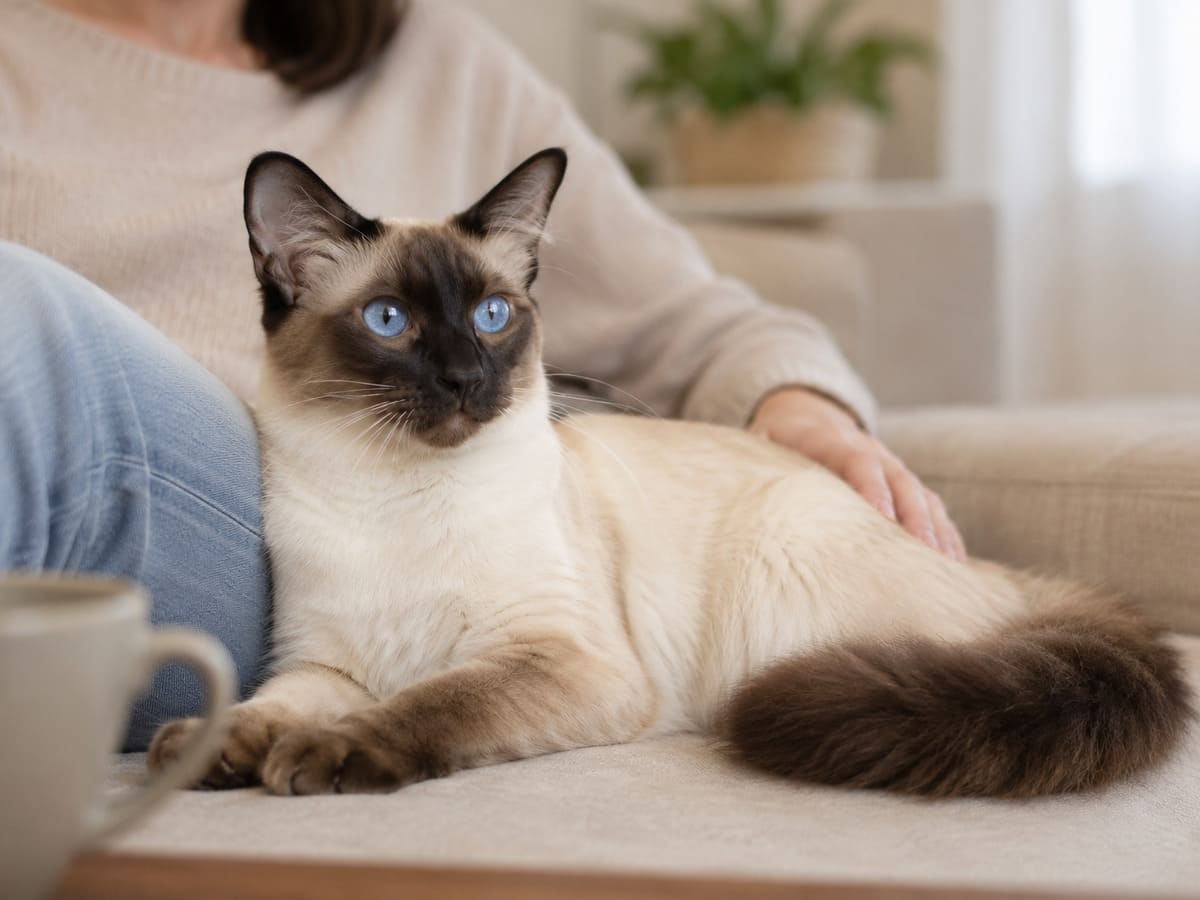
A Balinese can be a wonderful companion with the right owner, but an unhappy cat in the wrong living arrangement. There are a few questions you should honestly ask yourself before adopting. The following headings may help you clarify your decision:
- Balineses require a lot of attention and do not like being left alone for long periods. If you spend a significant part of your day at home or can dedicate regular time to them, you can create a routine that makes them happy.
- This intelligent cat; They need a mind nourished by puzzle toys, play sessions, and climbing areas. If you can't provide an enriched environment, boredom can turn into mischief.
- Grooming is easy, but weekly brushing, regular teeth brushing, and nail checks should not be neglected.
- Regular veterinary checkups and a balanced diet are fundamental to maintaining the health of the Balinese cat breed.
- A budget should be set aside for quality food, regular health checkups, and possible treatment costs.
Frequently Asked Questions
Do Balinese cats shed?
Shedding is generally manageable in Balinese cats that are fed a healthy diet and brushed regularly. A slight increase may be observed during seasonal changes.
Is the Balinese cat different from the Siamese cat?
The main difference is in fur length and tail structure. The Balinese is distinguished by its long, silky fur and full, bushy tail. The Siamese has short, fine fur and a tapering tail. Both share the same colorpoint pattern, blue eyes, and wedge-shaped face. Their personalities are also largely similar.
Can the Balinese cat be trained?
Yes, Balinese cats are a very trainable breed. Thanks to their high intelligence, they quickly learn commands; they can learn to play fetch and even walk on a leash. The best results are obtained with positive reinforcement based on rewards and praise.
Can a Balinese cat be left alone at home?
The Balinese cat is one of the least tolerant breeds of prolonged loneliness. Its social and affectionate nature can lead to restlessness and undesirable behaviors if left alone all day.
Do Balinese cats get along well with children?
The Balinese cat breed generally gets along well with children when properly introduced. Its playful and patient nature allows for a pleasant rapport with children who have learned how to interact with the cat. It is said that older children adapt more easily to its high energy level. Interaction with younger children should always be under supervision. This ensures the safety of both the cat and the child.
How long do Balinese cats live?
Different sources provide information on the average lifespan of Balinese cats. For example, according to PetMD, the average lifespan can reach up to 20 years, while the PDSA source highlights 13 years. Routines such as early monitoring of hereditary health problems and dental care directly affect the cat's quality of life. Years spent with good care make a long and healthy life possible for this breed.
Who are Balinese cats suitable for?
They are happy with people who can dedicate time to their cat and enjoy interaction. They get along well with family members who spend a lot of time at home, are enthusiastic about play and training, and are looking for a social companion. A home environment that provides climbing and play areas complements the happiness of this energetic cat. However, Balinese cats are generally not the right choice for those looking for a quiet, independent, and solitary cat.
Kaynaklar
https://tica.org/breed/balinese/
https://cfa.org/breed/balinese/
https://www.gccfcats.org/getting-a-cat/choosing/cat-breeds/balinese/
https://www.thesprucepets.com/balinese-cat-full-profile-history-and-care-4686126
https://www.petmd.com/cat/breeds/balinese
https://wsava.org/global-guidelines/dental-guidelines/
https://vcahospitals.com/know-your-pet/amyloidosis-in-cats
https://www.vet.cornell.edu/departments-centers-and-institutes/cornell-feline-health-center/health-information/feline-health-topics/feline-dental-disease
https://www.ufaw.org.uk/cats/siamese-chronic-bronchial-disease
https://www.pdsa.org.uk/pet-help-and-advice/looking-after-your-pet/kittens-cats/balinese
Advertisement
Advertisement
Keep exploring
Continue reading

Cat Care
Is My Cat Coughing or Trying to Pass a Hairball?
Seeing your cat crouch down, stretching its neck, and trying to expel something with a strange sound can be unsettling.
Read guide →
Cat Care
York Chocolate Cat Characteristics, Care and Temperament
With its dark brown fur, watchful eyes, and observant demeanor, the York Chocolate is a cat that sparks curiosity at first sight.
Read guide →
Cat Care
Tiffanie Cat Characteristics, Care and Temperament
Silky fur, on its neck With its frilly mane and large, curious eyes, the Tiffanie cat immediately catches the eye.
Read guide →
Cat Care
Snowshoe Cat Characteristics, Character and Care
The Snowshoe cat is a unique breed developed by the controlled mating of Siamese cats and American Shorthair cats.
Read guide →