Behavioral Changes in Cats That Should Not Be Ignored
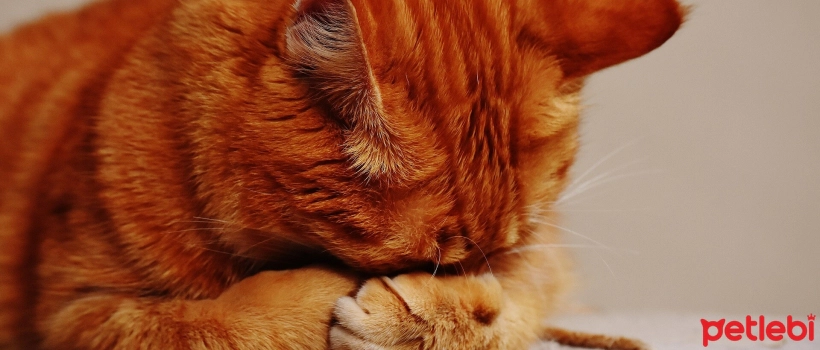
Cats are quite unique and special creatures. Therefore, it is possible to say that the behaviors of cats are also unique from each other. However, some behavioral changes should definitely give cat owners a message.
Advertisement
Cats are quite unique and special creatures. Therefore, it is possible to say that the behaviors of cats are also unique from each other. However, some behavioral changes should definitely give cat owners a message. Behavioral changes in cats can be considered a sign of a health problem or a situation that makes the cat restless. Behavioral changes should definitely be observed in cats that live by carefully following their routines throughout the day. If you also find yourself thinking "my cat has changed", "why is my cat grumpy", you may need to observe your furry friend a little more carefully. In this article, we will talk about behavioral changes that occur in cats and should not be ignored.
Normal Behavioral Patterns of Cats
To notice behavioral changes in cats, it is necessary to first become familiar with their normal behaviors and not to perceive their normal behaviors as abnormal. Because cats are creatures with their own unique characters and habits, their behavior may seem strange, especially to someone who is adopting a cat for the first time. Cats may sleep all day, watch events that aren't there on the walls or curtains with rapt attention, stay awake all night playing with shadows, eat the plants in their living space, or suddenly jump on you and start giving you a massage. While these behaviors may seem unusual, they should all be considered normal when it comes to cats.
Face Rubbing: If your cat rubs its face against you, it's a sign of affection. Glands on cats' cheeks and corners of their mouths are used to leave their scent. If your cat rubs its face against you, it means you've received a significant compliment from the feline world, and this behavior is completely normal.
Unwanted Gifts: Cats are tiny and adorable hunters. Therefore, they may want to teach their owners how to hunt, or bring them prey for their owners to eat "healthily" since they can't hunt themselves. This behavior is quite gentle, thoughtful, and normal. If your cat offers you a fly or insect it caught in your house, you should be proud that you have a hunter with impressive instincts.
Drinking Water from the Toilet: A cat drinking water from the toilet is often misunderstood. It's often thought that a cat's behavior changes because it's dehydrated or dislikes its water bowl. However, cats drinking from the toilet is a common behavior, although the exact reason isn't fully understood. Frequent changes in the toilet water can make cats feel that the water is fresher, and they prefer fresh water to stagnant water. In short, unless you're using chemicals in the flush, there's no need to worry seriously, but you can close the lid as a precaution. It's possible that cats don't prefer stagnant water, and this could cause problems. In such a case, you can opt for water bowls that provide a constant supply of fresh water. You can check out automatic water dispensers that provide your cat with a constant supply of fresh water by clicking here.
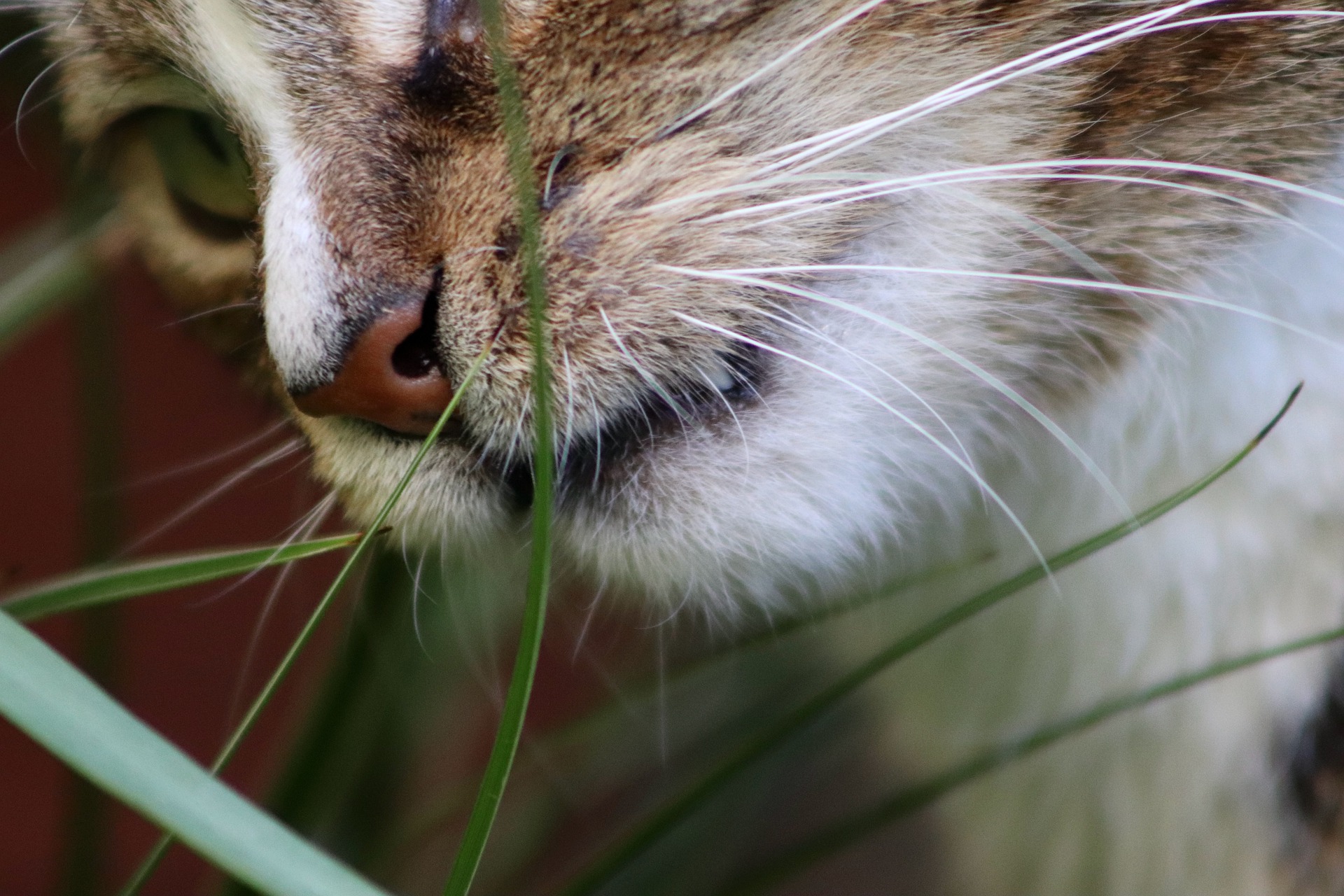
Eating Plants: Cats are hunters and naturally need to eat carnivores. A person with this knowledge might be surprised to see cats eating plants. Cats eating plants shouldn't be perceived as a behavioral change. Cats can eat plants; the important thing is that the plants they eat aren't harmful to them. Cats' plant-eating habits need to be guided. If your cat is eating your houseplants, you can offer cat grass as an alternative, which is quite beneficial for cats. You can click here to review cat grass products that support cats' digestive systems.
Eating Wool: While eating inedible things is fundamentally a behavioral disorder, it is a common occurrence in house cats. Accepting this behavior as normal and not preventing it can lead to health problems. However, this type of situation should not be perceived as a behavioral change in cats.
Long Sleeping Periods: While cats evolved in the wild, they became accustomed to living with a focus on energy conservation. This resulted in a routine where cats hunt for a short part of the day and sleep for the rest of the time. Even if house cats don't hunt, they can sleep for very long periods because they continue this routine.
Speaking: You may witness that cats also speak in their own language. Speaking in cats can be expressed as meowing in specific tones. Some cats are so talkative they meow all day long, while others are quiet and reserved. A cat known for its taciturnity suddenly becoming talkative can be considered a behavioral change, but if your cat is always sociable, this is normal.
Behavioral Changes in Cats
Knowing which cat behaviors are normal is the easiest way to clearly understand behavioral changes in cats. After discussing cat behaviors that are considered normal but can be surprising, we can examine behaviors that are not considered normal in cats and discuss what kinds of situations behavioral changes in cats indicate.
Aggressive Behavioral Changes
Some cats have an instinctively strong hunting instinct, and in this case, they may exhibit aggressive behavior towards children or other pets. It is natural and normal for a cat to be aggressive. However, there is always a reason why a cat that is not normally aggressive might suddenly change its behavior. A cat may exhibit aggressive behavior when it is scared, anxious, or does not feel safe. If the cat's behavioral change is sudden, environmental factors must be addressed. In addition, cats may behave aggressively because they are in pain. Since pain in cats can be related to trauma or a health problem, aggressive behavioral changes should always be carefully considered. Changes in Eating Behavior Cats are attached to their routines and habits. They usually know their mealtimes and try not to miss them. If there is a change in your cat's eating speed or the amount of food it eats, this may indicate a problem. If your cat is eating more than usual but not gaining weight, it may have hyperthyroidism. This is a common problem, especially in older cats. When cats start eating less, dental problems or stress are the first health problems to consider. Changes in a cat's appetite, vomiting, and lethargy indicate a health problem and require immediate veterinary examination.
Changes in Eating Behavior
Cats are attached to their routines and habits. They usually know their mealtimes and try not to miss them. If there is a change in your cat's eating speed or the amount of food it eats, this may indicate a problem. If your cat is eating more than usual but not gaining weight, it may have hyperthyroidism. This is a common problem, especially in older cats. When cats start eating less, dental problems or stress are the first health problems to consider. In addition to decreased appetite, changes such as vomiting and lethargy in a cat indicate a health problem and should definitely be checked by a veterinarian.
Changes in Play Habits
Some cats are playful, while toys mean nothing to others. Cats' personalities determine their approach to play. A change in behavior in cats can be considered as a playful cat no longer wanting to play. A cat may stop playing because it is in pain while playing, or it will react similarly when it has difficulty moving. If a playful cat suddenly stops playing and this situation lasts for more than a few days, it should be considered a change in behavior in cats.
Hiding Behavioral Changes
Cats may behave differently than humans when it comes to their health. When a cat has a health problem, its need to hide increases. Although cats are generally known for entering unexpected places and disappearing for long periods, there are times when their need to hide may increase. A cat may hide if it is feeling unwell, has a health problem, or is afraid. If the sudden, prolonged hiding is related to a momentary event, it is expected to return to normal within a few days. Especially when guests arrive for an extended period, a cat's prolonged absence is considered normal hiding behavior, but hiding that occurs suddenly and without any change in environmental conditions may indicate a problem. If hiding that lasts longer than a few days and is not part of the cat's routine, it should be carefully observed and a veterinarian should be consulted. Changes in Toilet Habits Changes in toilet habits are usually indicative of a problem, as cats are known for their cleanliness and routines. Behavioral changes such as not using the litter box, frequent litter box use, prolonged use of the litter box, prolonged digging, and urinating in places other than the litter box are likely indicative of a health problem. In some cases, cats may be uncomfortable with their litter box, litter, or the location of their litter box. Litter boxes in noisy or unsettling places may be protested by cats. Additionally, if your cat can't fit comfortably in the litter box, has difficulty getting in and out, or dislikes a new litter, it may react by changing its litter habits. It's normal for your cat to have difficulty fitting in the litter box or to have trouble getting in and out due to age. In this case, it may be necessary to get a new litter box and continue observing. You can review litter box models suitable for your cat's needs by clicking here. Aside from disliking the litter box or litter, changes in a cat's litter habits can indicate a health problem. Urinary tract problems, especially common in neutered male cats, should always be considered.
Changes in Toilet Habits
Cats are known for their cleanliness and routines, so changes in their litter box habits usually indicate a problem. Behavioral changes such as not using the litter box, using the litter box too frequently, staying in the litter box for a long time, digging for extended periods, or urinating in places other than the litter box, should be considered as highly likely to indicate a health problem. In some cases, cats may be uncomfortable with their litter box, litter, or the location of their litter box. Litter boxes in noisy or unsettling places may be protested by cats. Additionally, if your cat can't fit comfortably in the litter box, has difficulty getting in and out, or if you've tried a new litter and they don't like it, they may show their reaction by changing their litter box habits. It's normal for your cat to have difficulty fitting in the litter box or to have trouble getting in and out due to age. In this case, it may be necessary to get a new cat litter box and continue observing. You can review cat litter box models suitable for your cat's needs by clicking here. Apart from disliking the litter box or litter, changes in a cat's litter box habits can indicate a health problem. Urinary tract problems, which are particularly common in neutered male cats, must be considered.
Changes in Scratching and Grooming Habits
Scratching and grooming are among the most normal behaviors for cats. While these habits, which are a large part of a cat's daily routine, are considered completely normal, situations where the behavior becomes excessive must be observed. Scratching is a marking behavior, and if cats start scratching more than usual, this is considered an indication that the cat is stressed.
Cats are popular for being clean and spend a large part of the day, after sleep, grooming themselves. If a cat's grooming habit becomes obsessive, if there is shedding of fur and sores in the areas they groom, this must be reported to a veterinarian.
Changes in Sleep Habits
Although cats normally love to sleep a lot, you can easily understand when there are changes in this behavior thanks to the awareness gained from living with them. If your cat suddenly starts sleeping longer than normal, or if there is an increase in what appears to be rest and they are much less active than normal, you need to observe them more closely. If this situation continues for a long time, you can consult a veterinarian.
Changes in Meowing Habits
Cats express their health problems in different ways, so every change in a cat's behavior must be evaluated. Even if your cat likes to talk to you and call out to you during the day, changes in the tone of their meows may indicate a health problem. If meowing becomes mixed with or similar to sounds like crying, howling, or moaning, this should be considered a sign of a health problem. If your cat makes hissing or snoring sounds when you approach or touch it while it's meowing, this may indicate that it is in pain or fear. Some cats may become quiet when they have health problems. If you have a normally talkative cat and it suddenly becomes quiet, you should not ignore the possibility of a reason and consult a veterinarian as soon as possible.
Advertisement
Advertisement
Keep exploring
Continue reading

Cat Behavior & Training
Cat Sounds and Meanings: A Guide to Understanding Cat Communication from Meowing to Purring
When you start living with a cat, one of the first things you notice is how different their sounds are.
Read guide →
Cat Behavior & Training
Constant Meowing and Crying in Cats: Causes and Solutions
Constant meowing and crying in cats is one of the most common behavioral changes noticed by cat owners.
Read guide →
Cat Behavior & Training
Fecal Defecation Behavior Disorder
Defecation behavior disorder in cats is a common problem faced by many cat owners, naturally causing them concern.
Read guide →
Cat Behavior & Training
Cat Behaviors and Meanings According to Monthly Development
As cats go through life stages, their behaviors and needs also change. Living with kittens and witnessing their development is both enjoyable and…
Read guide →