Fecal Defecation Behavior Disorder
Defecation behavior disorder in cats is a common problem faced by many cat owners, naturally causing them concern. It can be quite stressful if your beloved cat suddenly stops using the litter box, defecates in different corners of the house, or experiences problems like constipation and diarrhea.

Advertisement
Defecation behavior disorder in cats is a common problem faced by many cat owners, naturally causing them concern. It can be quite stressful if your beloved cat suddenly stops using the litter box, defecates in different corners of the house, or experiences problems like constipation and diarrhea. This is also a clear sign that your cat is trying to tell you something.
Your cat often experiences emotional or physical discomfort silently. Defecation disorder in cats is one of these silent cries for help. When detected early and the right steps are taken, it is possible for your cat to return to its health and old toilet habits.
In this article, you can find answers to the most frequently asked questions about defecation behavior disorder in cats and increase your awareness about your pet's health.
What is Defecation Behavior Disorder in Cats?
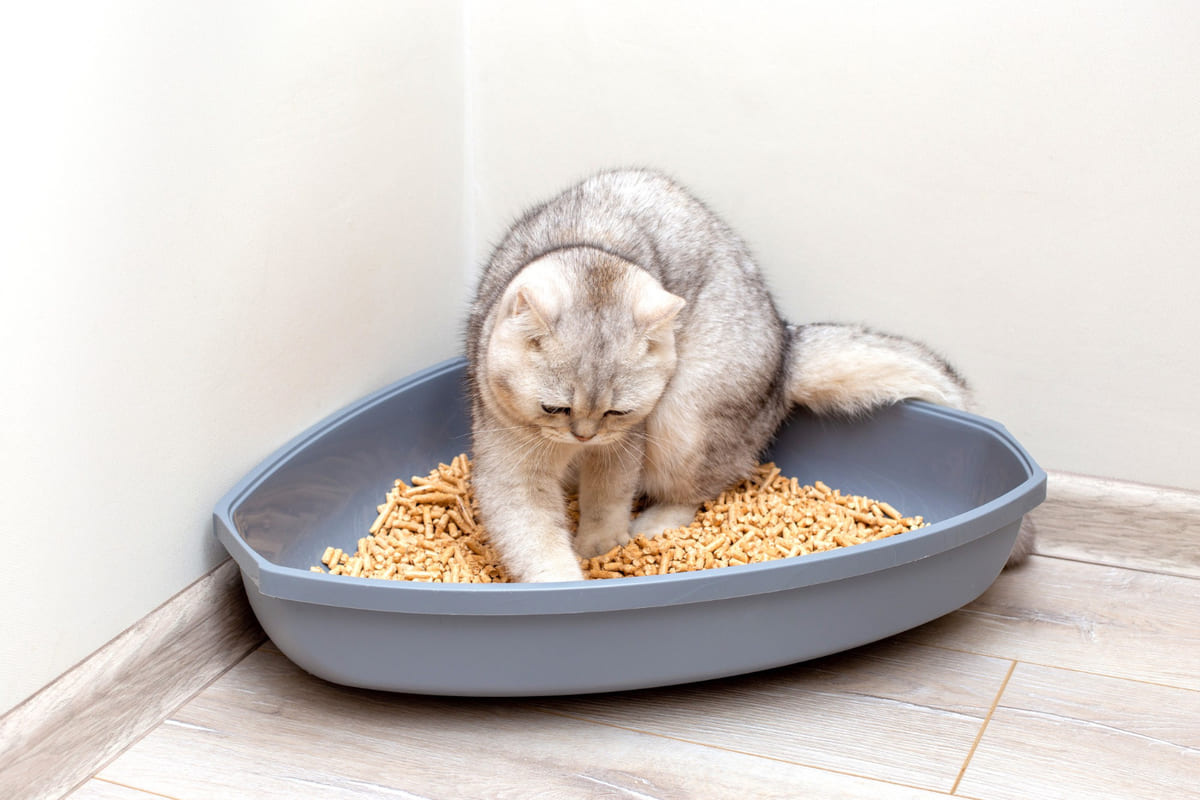
Defecation behavior disorder in cats encompasses any change in a cat's normal toilet habits. Cats that usually use their litter box regularly and meticulously will tell us through their behavior that something is wrong when this habit changes. The most common signs of this disorder are a cat ceasing to use the litter box, defecating less or more frequently, or defecating in different corners of the house.
Changes in a cat's defecation behavior are often misinterpreted. Some cat owners may think the cat is doing it "on purpose." However, this behavior is not a voluntary choice; it can also be a sign that the cat is uncomfortable, stressed, or unhappy.
Of course, even small details such as a dirty litter box, a new smell in the house, or a change in furniture can affect a cat's toilet habits. As stated in the VCA Animal Hospitals source, cats often express physical discomfort or emotional stress by ceasing to use the litter box and defecating in different places. Therefore, any change in defecation behavior should be considered an important signal about the cat's health and mood.
Common Symptoms of Defecation Problems in Cats

The most common symptoms are your cat not wanting to go to the litter box, defecating in different parts of the house, sudden changes in defecation frequency, or abnormalities in stool consistency. Often, additional behaviors such as restlessness, a tendency to hide, and loss of appetite are also observed. Common symptoms can be listed as follows:
Defecation Outside the Litter Box
Defecating in different parts of the house is one of the clearest signs of a cat's discomfort. This often occurs due to the cat not liking the litter box, hygiene problems, or stress. Data from The Cat Behavior Clinic also supports these claims: When cats find the litter box uncomfortable or when changes in the home stress them, they may react by urinating in different areas. Avoiding Going to the Litter Box One of the most common symptoms of defecation behavior disorders in cats is avoiding going to the litter box. If your cat, who is normally meticulous and tidy, doesn't approach the litter box, it indicates that there is something uncomfortable in this environment for them. The litter box being dirty, the smell or texture of the litter used, or even changing the location of the box can cause this behavior. Some cats only stay away from the litter box when they are stressed or have health problems. Avoiding the litter box can also indicate that the cat is experiencing pain or sensitivity. Conditions such as constipation, diarrhea, or intestinal infections can cause a cat to associate the litter box with pain. The Cat Clinic source states that cats may unconsciously perceive an environment where they previously experienced pain as dangerous, and therefore avoid going to the litter box. In this case, it is recommended to investigate underlying health issues and take the right steps to help the cat re-establish a positive relationship with the litter box.
Avoiding the Litter Box
One of the most common signs of defecation behavior disorders in cats is avoidance of the litter box. If your cat, who is normally meticulous and tidy, doesn't approach the litter box, it indicates that there is something uncomfortable in that environment for them. A dirty litter box, the smell or texture of the litter used, or even moving the box can all cause this behavior.
Some cats only avoid the litter box when they are stressed or have health problems. Avoiding the litter box can also indicate that the cat is experiencing pain or sensitivity. Conditions such as constipation, diarrhea, or intestinal infections can cause the cat to associate the litter box with pain.
The Cat Clinic resource states that cats unconsciously perceive an environment where they have experienced pain in the past as dangerous, and therefore may avoid going to the litter box. In this case, it is recommended to investigate underlying health issues and take the right steps to help the cat re-establish a positive relationship with its litter box.
Frequent or Infrequent Defecation
Defecation behavior disorders in cats are not limited to not using the litter box. Significant changes in defecation frequency are also an important warning sign. If a cat that normally defecates once a day defecates less frequently or, conversely, more frequently, it may indicate a digestive system or nutrition-related problem.
Infrequent defecation is often among the signs of constipation in cats and can be caused by reasons such as lack of fiber, insufficient water intake, or intestinal obstruction. Frequent defecation or diarrhea, on the other hand, may develop due to intestinal infections, food intolerance, or changes in food.
Causes of Defecation Behavior Disorders in Cats

Defecation behavior disorders in cats are often not caused by a single factor. Many behavioral, environmental, and health-related factors can trigger this problem. If your cat stops using the litter box or changes in its defecation habits, it is actually a sign of an underlying disorder or discomfort.
The most common causes include stress and anxiety, errors in litter box cleaning and placement, improper feeding, health problems such as constipation or diarrhea, and environmental changes. Understanding these causes correctly is the first and most important step in solving the problem.
Stres ve Anksiyete
Cats are very sensitive creatures and can have emotional responses to environmental changes. A new home, a different smell, the addition of a new family member, or the arrival of another animal can create stress in your cat. This stress can lead to behavioral problems such as avoiding the litter box or defecating in different parts of the house.
Litter Box Cleaning and Usage Problems
In most cats experiencing defecation behavior problems, the issue is related to the litter box. Cats are very fastidious creatures and do not want to use a dirty or foul-smelling litter box. Situations such as not changing the litter frequently enough, the box not being deep enough, or the litter being uncomfortable for the cat's paws negatively affect the cat's toilet habits.
Some cats may also avoid using the litter box because they don't like its location. A litter box placed in a noisy, crowded area or one where people constantly pass by prevents the cat from feeling safe. This can cause it to defecate in different areas.
How to Clean Cat Litter? Cleaning Methods and Frequency: You can find important information to improve your cats' comfort in this article.
Health Problems
As we mentioned earlier, defecation behavior disorders in cats can also be an indicator of underlying health problems. Constipation, diarrhea, intestinal infections, or problems causing pain in the anal area can lead to the cat avoiding using the litter box. When cats feel pain during defecation, they associate the litter box with this pain and express their discomfort by defecating in different areas.
Constipation usually occurs due to insufficient water intake, a diet low in fiber, or inactivity. Diarrhea, on the other hand, can develop due to intestinal parasites, food allergies, or sudden changes in food. As highlighted in the Merck Veterinary Manual, cats experiencing defecation disorders may also exhibit additional symptoms such as decreased appetite, lethargy, or vomiting, and these conditions should be taken seriously. Diet and Feeding Mistakes Your cat's diet directly affects its toilet habits. Incorrect feeding, low-fiber or difficult-to-digest foods are among the most common causes of defecation problems in cats. Insufficient water intake can also cause hard stools and constipation. Water consumption is even more important for cats fed dry food. A balanced and fiber-rich diet supports the cat's digestive system and helps maintain regular bowel habits. Adding wet food to the diet of cats who do not drink enough water can help improve the health of their digestive system. At this point, it is also extremely important to choose from high-quality cat foods with sufficient fiber content. Environmental Changes and Moving Stress Cats are creatures of habit and react very sensitively to environmental changes. Situations such as moving to a new house, changing furniture, or the presence of a new animal or person in the house can cause cats to experience stress. This stress can lead to behavioral changes such as refusing to go to the litter box or defecating in different areas of the house. Changing the location of the cat's litter box during a move or changes in the house can also negatively affect their habits. Your cat will not want to use the litter box in an environment it does not find safe, and this can lead to temporary defecation problems.
Diet and Nutritional Mistakes
Your cat's diet directly affects its toilet habits. Incorrect feeding, low-fiber or difficult-to-digest foods are one of the most common causes of defecation problems in cats.
Insufficient water intake can also cause hard stools and constipation. Water consumption is even more important for cats fed dry food. A balanced and fiber-rich diet supports the cat's digestive system and helps it maintain regular bowel habits.
Adding wet food to the diet of cats that do not drink enough water can help their digestive system function more healthily. At this point, choosing from high-quality cat foods with sufficient fiber content is also extremely important.
Environmental Changes and Moving Stress
Cats are creatures of habit and react very sensitively to environmental changes. Situations such as moving to a new house, changing furniture, or the presence of a new animal or person in the house can cause cats to experience stress. This stress can lead to behavioral changes such as refusing to go to the litter box or defecating in different areas of the house.
Changing the location of the cat's litter box during a move or changes in the house can also negatively affect their habits. Your cat will not want to use the litter box in an environment it does not find safe, and this can lead to temporary defecation problems.
Situations Requiring Veterinary Check-up

Defecation behavior disorders in cats are not always caused by simple reasons. Certain situations can be indicative of serious health problems and should be evaluated by a veterinarian. If you notice sudden and significant changes in your cat's litter box habits or abnormal signs such as blood in its stool, you should seek professional help immediately.
If your cat suddenly stops using the litter box regularly, this should be taken seriously. Especially if it meows as if in pain during defecation, doesn't want to go to the litter box, or is unable to defecate despite frequent attempts, this is a sign of digestive system disorders or a health problem causing pain.
Noticing blood or mucus in your cat's stool indicates an infection, parasite, or inflammation in the digestive system. This is not a simple stress response and requires immediate veterinary intervention. Bloody stools can be caused by colitis, irritation in the anal area, or more serious digestive system diseases.
VCA Hospitals emphasizes that stools containing blood or mucus are a sign of a serious health problem that needs to be diagnosed without delay.
Home Remedies for Defecation Behavior Disorders in Cats

Except in exceptional cases, defecation behavior disorders in cats can be controlled at home with the right measures. For example, environmental causes such as stress, incorrect litter box use, or feeding errors can often be corrected, resolving the problem quickly.
Simple but effective home measures will contribute to your cat's physical and psychological well-being. Regular cleaning of the litter box, choosing the right food, and creating an environment that reduces your cat's stress are among the most important measures. A fiber-rich and balanced diet regulates the digestive system and prevents defecation problems. Avoiding sudden changes in food and ensuring your cat drinks enough water are also important for digestive health. Stress management and environmental adjustments play a major role in resolving defecation disorders. Noise, loud noises, or conflicts with other animals in the home can disrupt a cat's toilet habits. Creating areas where the cat feels safe, arranging regular play sessions, and using stress-reducing toys support this process. Not frequently changing the litter box and creating safe zones with blankets or beds that the cat likes makes it easier for the cat to adapt, especially during stressful periods.
A fiber-rich and balanced diet regulates the digestive system and prevents defecation problems. Avoiding sudden changes in food and ensuring your cat drinks enough water is also important for digestive health.
Stress management and environmental adjustments play a major role in resolving defecation disorders. Noise, loud noises, or conflicts with other animals in the house can disrupt a cat's toilet habits.
Creating areas where the cat feels safe, scheduling regular play sessions, and using stress-reducing toys support this process. Not frequently changing the litter box and creating safe zones with blankets or beds that the cat likes, especially during stressful periods, makes it easier for the cat to adapt.
Training and Acclimatization Techniques for Behavioral Disorders
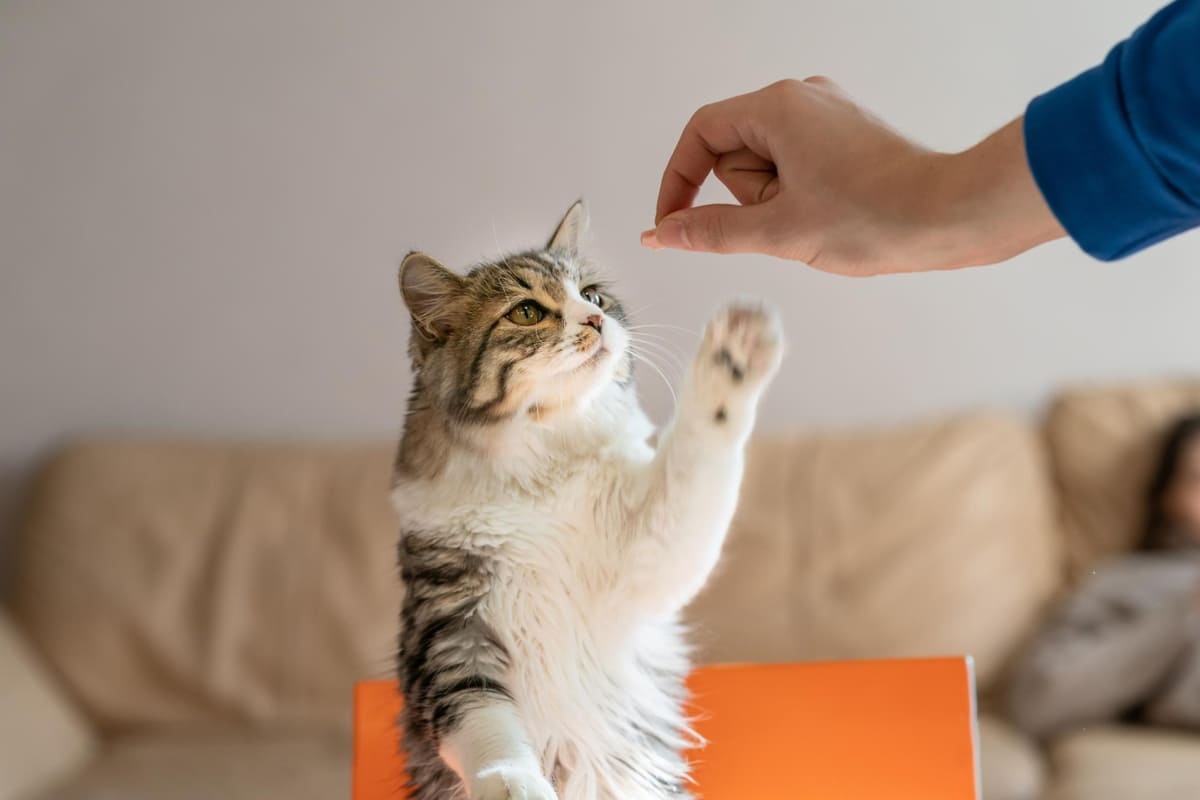
Defecation behavior disorders in cats can be largely corrected with the right training and acclimatization techniques, depending on the cause. Positive reinforcement is one of the most effective methods in this process.
Rewarding your cat when it uses the litter box correctly will encourage it to repeat this behavior. During the litter box acclimatization process, the location of the box should not be changed, and a quiet environment where the cat feels comfortable should be provided.
It is also possible that your cat's avoidance of using the litter box is related to a negative experience. Therefore, punishing or frightening it will only worsen the situation. Patience is needed to help the cat get used to the litter box again, and games involving toys or interaction with the litter can be tried to help the cat establish a positive bond with the litter.
Veterinary-Supported Treatment and Medication Options

In cases of defecation disorders in cats that do not improve with home remedies or are caused by underlying serious health problems, treatment must be carried out under the supervision of a veterinarian. The treatment process varies depending on the cause of the problem.
For health problems such as constipation, diarrhea, or intestinal infections, the veterinarian may recommend medications that regulate the digestive system, laxatives, or probiotic supplements. In some cases, dietary changes and special diet foods are also included in the treatment.
For defecation disorders caused by stress or anxiety, the veterinarian may recommend calming supplements or pheromone-based products if deemed necessary.
Frequently Asked Questions About Defecation Behavior Disorders in Cats
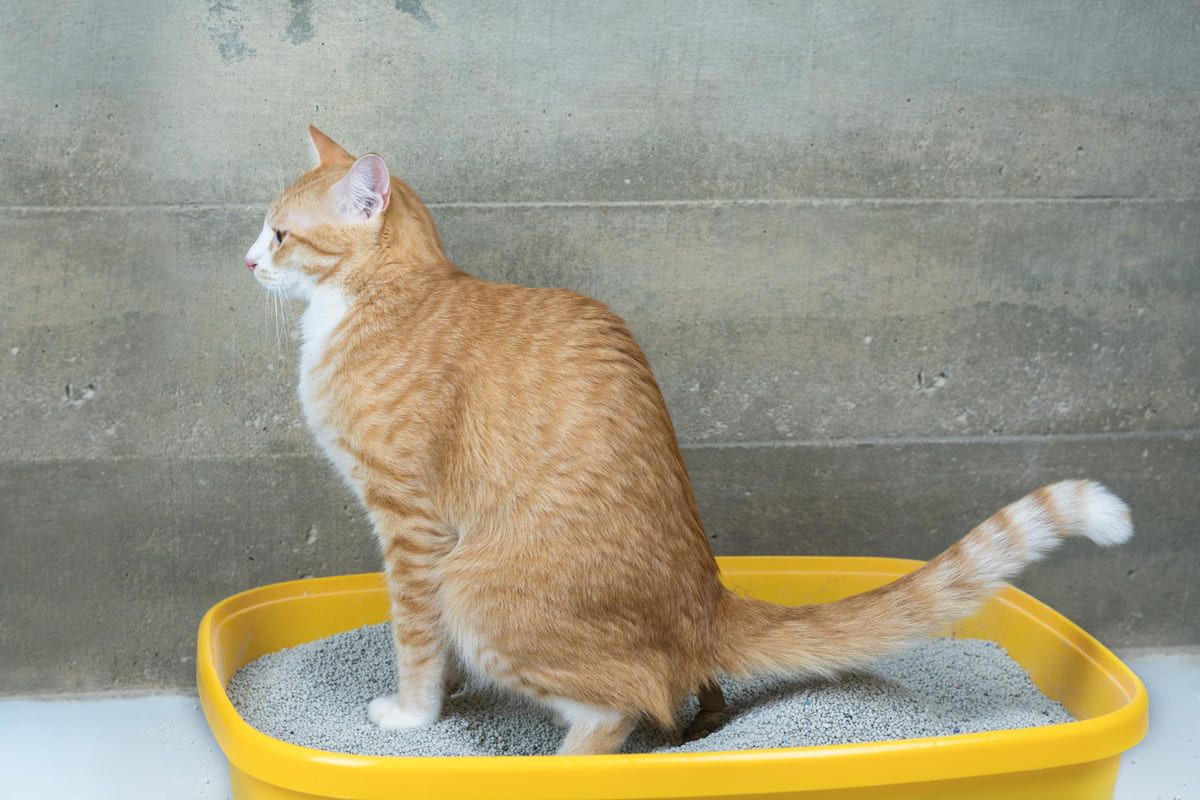
In this section of our content, you can find important information to support the health and quality of life of cats with defecation behavior disorders.
What should I do if my cat defecates outside the litter box?
If your cat defecates outside the litter box, you should first consider underlying causes such as stress, litter box cleanliness, or diet. Placing the litter box in a clean, quiet, and safe area often solves the problem. If the problem persists, a veterinary check-up is recommended as there may be an underlying health problem.
Can defecation problems in cats be caused by stress?
Yes, defecation problems in cats are often caused by stress and anxiety. Changes such as moving, or the presence of a new pet or person in the home, can create stress in your cat. While this is usually temporary, if it persists, a specialist should be consulted.
How many days should constipation last before I take my cat to the vet?
Normally, cats defecate once a day. Constipation in cats lasting longer than two days should be taken seriously and evaluated by a veterinarian.
Can a change in food cause defecation problems?
Yes, sudden changes in food can negatively affect a cat's digestive system and lead to problems such as diarrhea or constipation. Food changes should be done slowly and in a controlled manner.
Why doesn't my cat want to go to the litter box? If your cat doesn't want to go to the litter box, it's usually due to environmental factors such as a dirty litter box, the wrong type of litter, or an uncomfortable location. The litter box should be cleaned and tidied, and if the problem persists, a veterinary examination should be sought to rule out any potential health issues.
If your cat doesn't want to go to the litter box, it's usually due to environmental reasons such as a dirty litter box, the wrong type of litter, or an uncomfortable location. The litter box should be cleaned and tidied, and if the problem persists, a veterinary examination should be sought to rule out any potential health problems.
Kaynaklar:
https://www.petmd.com/cat/conditions/digestive/fecal-incontinence-cats
https://www.vet.cornell.edu/departments-centers-and-institutes/cornell-feline-health-center/health-information/feline-health-topics/feline-behavior-problems-house-soiling
https://vcahospitals.com/know-your-pet/inappropriate-elimination-disorders-in-cats
https://veterinarypartner.vin.com/default.aspx?pid=19239&catId=254050&id=12434709
https://vcahospitals.com/know-your-pet/cat-behavior-problems-house-soiling
https://www.catclinic.net/inappropriate-elimination-behavior
https://www.drelseys.com/2015/05/08/defecation-issues-with-cats-2/
https://www.merckvetmanual.com/cat-owners/behavior-of-cats/behavior-problems-in-cats
https://clinicalaveterinaria.it/en/cat-behavioral-disorders-pee-and-feces-scattered-around-are-an-example-if-you-think-they-are-spiteful-know-that-you-are-wrong-they-are-signs-of-discomfort-or-discomfort-heres-how-to-help-your-k/
https://www.thecatbehaviorclinic.com/cat-pooping-outside-litter-box/
https://wofainc.com/blog/why-is-my-cat-pooping-on-the-floor/
https://www.merckvetmanual.com/behavior/normal-social-behavior-and-behavioral-problems-of-domestic-animals/behavioral-problems-of-cat
Advertisement
Advertisement
Keep exploring
Continue reading

Cat Behavior & Training
Cat Sounds and Meanings: A Guide to Understanding Cat Communication from Meowing to Purring
When you start living with a cat, one of the first things you notice is how different their sounds are.
Read guide →
Cat Behavior & Training
Constant Meowing and Crying in Cats: Causes and Solutions
Constant meowing and crying in cats is one of the most common behavioral changes noticed by cat owners.
Read guide →
Cat Behavior & Training
Cat Behaviors and Meanings According to Monthly Development
As cats go through life stages, their behaviors and needs also change. Living with kittens and witnessing their development is both enjoyable and…
Read guide →
Cat Behavior & Training
Postpartum Behavioral Changes in Cats
For those who learn their cat is pregnant, an exciting and worrying process begins. After a cat becomes pregnant, the responsibilities of cat owners…
Read guide →