Constant Meowing and Crying in Cats: Causes and Solutions
Constant meowing and crying in cats is one of the most common behavioral changes noticed by cat owners. A cat's prolonged meowing at night, waiting by its food bowl and meowing, making constant noises when you come home, or barking for no apparent reason often raises the question, "Is something…

Advertisement
Constant meowing and crying in cats is one of the most common behavioral changes noticed by cat owners. A cat's prolonged meowing at night, waiting by its food bowl and meowing, making constant noises when you come home, or barking for no apparent reason often raises the question, "Is something wrong?" Cats communicate with humans by meowing. Meowing can occur for various reasons, including greeting, seeking attention, expecting food or water, loneliness, stress, hormonal changes, or health problems. While adult cats mostly use this sound to communicate with humans, kittens meow to their mothers when they are hungry or cold. Besides meowing, cats can also make longer, louder sounds similar to howling. This vocalization, known as yowling, is more common, especially during mating season. However, when these sounds are considered a problem varies depending on each cat's habits and environment. Some cats communicate more vocally; Some breeds, such as Siamese, may have a more pronounced tendency to meow and howl. Warning: The information shared in this content is for general informational purposes only. The suggestions here do not replace examination, diagnosis, and treatment procedures performed by your veterinarian. For definitive and reliable steps regarding your cat's health, you must consult your veterinarian's professional opinion. Why Do Cats Meow? There is no single answer to the question, "What does it mean when cats meow constantly?" They may meow for a wide variety of reasons, from a simple need for attention to a serious illness. Illness and Pain Many illnesses in cats can cause constant meowing. Moreover, some illnesses cause cats to become more hungry, thirsty, or in pain more frequently. All of these situations can result in excessive meowing. Overactive thyroid and kidney diseases in cats can also be among the causes of excessive meowing.
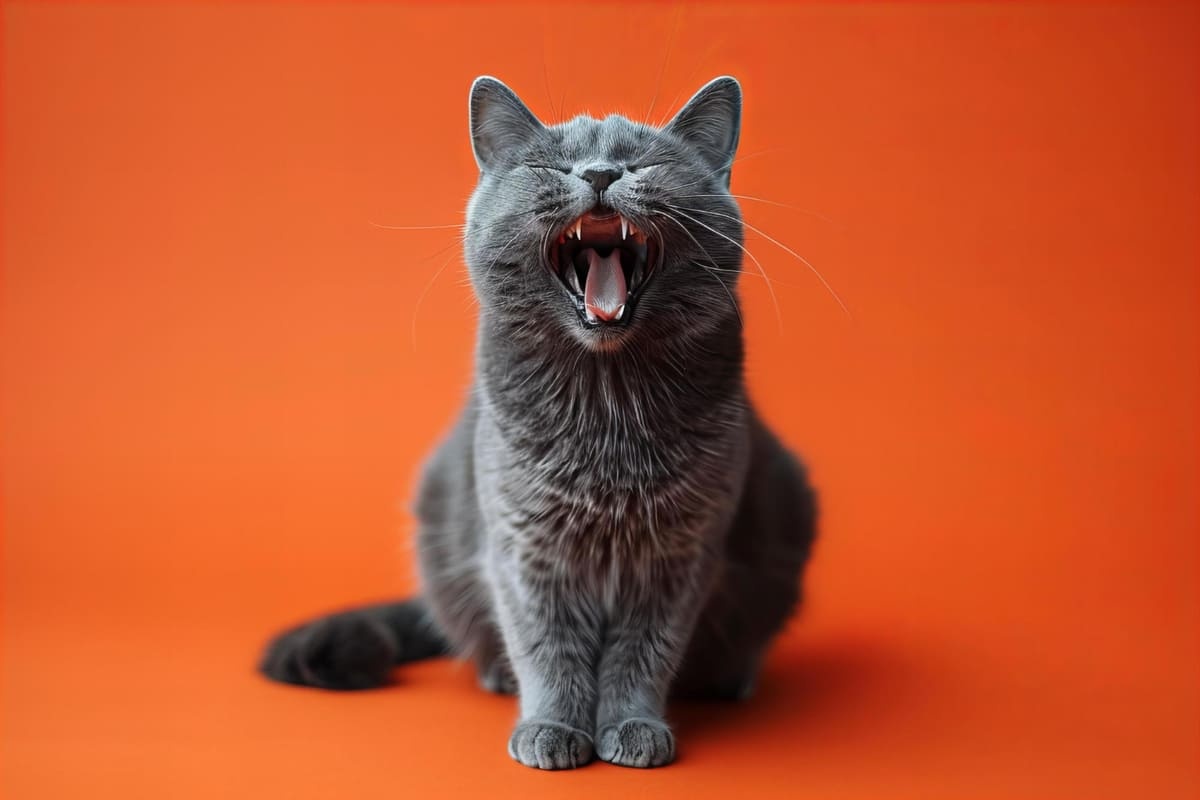
Cats communicate with humans by meowing. Meowing can occur for various reasons, such as greeting, seeking attention, expecting food or water, loneliness, stress, hormonal changes, or health problems. While adult cats mostly use this sound to communicate with humans, kittens meow to their mothers when they are hungry or cold.
Besides meowing, cats can also make longer, louder sounds similar to howling. This vocalization, described as meowing or yowling, is especially common during mating season. However, when these meows are considered a problem varies depending on each cat's habits and environment. Some cats communicate more vocally; some breeds, such as Siamese, may have a more pronounced tendency to meow and howl.
Warning: The information shared in this content is for general informational purposes only. The suggestions here do not replace examination, diagnosis, and treatment procedures performed by your veterinarian. For definitive and reliable steps regarding your cat's health, you must consult your veterinarian's professional opinion.
Why do cats meow?
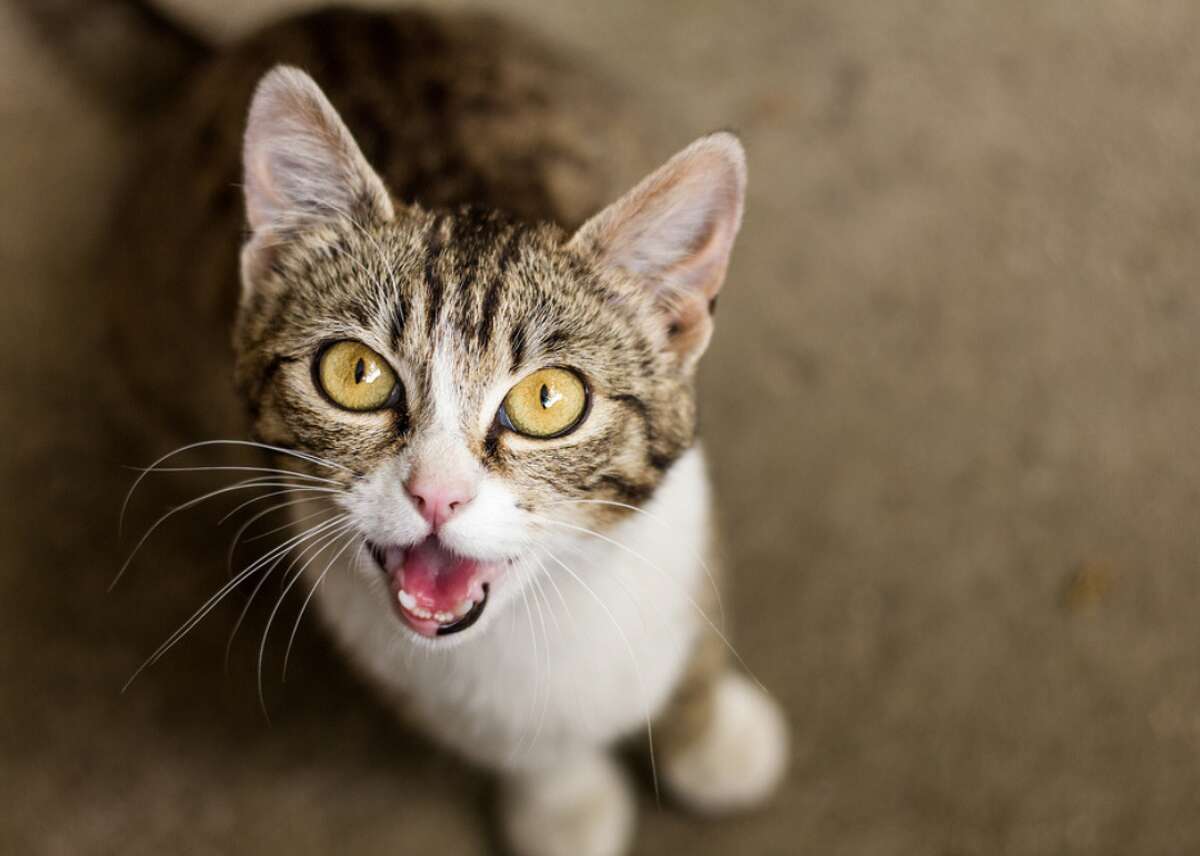
There is no single answer to the question, "What does it mean when cats meow constantly?" They may meow for a wide variety of reasons, from a simple need for attention to a serious illness.
Illness and Pain
Many illnesses in cats can cause constant meowing. Moreover, some illnesses cause the cat to become more hungry, thirsty, or in pain more frequently. All of these situations can result in excessive meowing. In cats, overactive thyroid and kidney diseases can also be among the causes of excessive meowing.
Bleating can sometimes be associated with health problems that can cause pain, such as toothache, urinary tract infection, joint pain, or arthritis. If your cat's meowing tone changes, the frequency of vocalizations increases, or you hear a sound that seems to be in pain, a veterinary check-up is necessary.
Seeking Attention and Seeking Careful Attention
Some people think that cats enjoy being alone and prefer to keep to themselves. However, cats may not enjoy being alone and may want people to show them attention. They may meow frequently to be petted, to play, and to talk to you.
Cats who are left alone for long periods during the day or who don't get enough opportunities to play may express their need for attention and stimulation more loudly. If a cat waits by the door, scratches furniture, or shows noticeable changes in behavior after prolonged loneliness, loneliness, stress, or other health-related reasons should also be considered.
Expectations for Food, Water, and Routine
Some cats want to eat several pieces of their food whenever they are awake. However, excessive meowing may also be observed in cats as mealtime approaches. Irregular mealtimes can cause your cat to meow or cry restlessly. An empty or dirty water bowl can also cause vocal reactions in cats. Foods that your cat dislikes or that are not suitable for it can increase the sounds of restlessness mixed with the desire for food.
If you want this to stop being a problem, you shouldn't feed your cat every time it meows. Waiting for it to stop meowing before feeding will, over time, make it meow less when hungry. Not giving treats every time it meows can also help stop the meowing.
If you can't find a solution to this problem, automatic food dispensers are an alternative. Food dispensers that open at the appointed time or dispense food from their container allow your cat to get its food without meowing. Establishing a daily feeding schedule, keeping the water bowl clean, and providing fresh water can also help reduce meowing caused by hunger or thirst.
Selamlama
Cats may meow to greet those living in the house when they come in from outside. Although this may not sound like constant meowing, some cats may develop this habit, and preventing it isn't always possible. However, what the cat wants to do is show the person who comes to the house that they are happy to see them. As mentioned earlier, in some cats, this welcoming behavior may be accompanied by expectations of routine. Expectations such as food, playtime, or litter box cleaning can increase the meowing at the entrance. Therefore, it may be a better approach to avoid exaggerating the reaction as soon as you enter and to interact with the cat when it has calmed down. Loneliness and Lack of Stimulation During the Day Cats may also meow constantly when they are left alone at home for too long. This is an indication that they are bored of being alone. When your cat is going to be left alone for a long time, leaving their favorite toys around will help them feel more comfortable and avoid boredom. This way you can prevent excessive meowing due to loneliness. You can browse toys that cats love to play with by clicking here.
As mentioned earlier, some cats may also have routine expectations accompanying this welcoming behavior. Expectations such as food, playtime, or litter box cleaning can increase the meowing upon entering the door. Therefore, it may be a better approach to avoid an exaggerated reaction as soon as you enter and to interact with the cat when it has calmed down.
Loneliness and Lack of Stimulation During the Day
Cats may also meow constantly when they are left alone at home for too long. This is an indication that they are bored with being alone. When your cat is going to be left alone at home for a long time, leaving its favorite toys around will help it feel more comfortable and prevent it from getting bored. In this way, you can prevent excessive meowing due to loneliness. You can examine the toys that cats love to play with by clicking here.
Some cats may also exhibit louder barking behavior instead of meowing when left alone. This may be related to a need for social attachment, seeking attention, or restlessness due to being alone. If prolonged meowing is accompanied by waiting at the door, scratching furniture, changes in appetite, or significant behavioral changes, health-related possibilities should be evaluated in addition to behavioral causes.
Stress, Fear, and Environmental Changes
Stress can cause cats to meow more. Bringing a new pet or baby home, moving, illness, or the loss of a loved one can cause stress in cats. Cats start meowing more due to stress. In this case, it is necessary to find the source of the stress in the cat. In addition, it may be necessary to keep the cat calm and quiet, show a little more attention to help it adjust, and in some cases, wait for this stress to subside on its own. Loud noises, unfamiliar guests, another animal newly arriving in the house, or changes in living space can also trigger fear-related meowing in some cats. In such cases, creating a safe area where the cat can hide, preparing a quiet room, providing a comfortable bed, and keeping items with the cat's own scent nearby can help it relax. Aging Like humans, cats can experience various health problems as they age. Confusion or cognitive dysfunction are some of these. In such cases, they may start crying for no reason, especially in the evenings. Veterinarians can recommend various medications to alleviate these symptoms.
Loud noises, unfamiliar guests, another pet arriving at the house, or changes in living space can also trigger fear-related meowing in some cats. In such cases, creating a safe area where the cat can hide, preparing a quiet room, providing a comfortable bed, and keeping items with the cat's own scent nearby can help it relax.
Aging
Like humans, cats can experience various health problems as they age. Confusion or cognitive dysfunction are some of these. In such cases, they may start crying for no reason, especially in the evenings. Veterinarians can recommend various medications to alleviate these symptoms.
In older cats, loss of orientation at night, changes in vision or hearing, and illnesses that can cause pain can also increase vocalizing behavior. Hyperthyroidism may be associated with excessive excitability, and osteoarthritis pain may be associated with increased meowing or barking.
Low nighttime lighting, easily accessible litter boxes, and resting areas that the cat can easily reach can provide support indoors. However, if older cats meow or bark continuously, a veterinary evaluation for medical screening is necessary.
Mating Period and Hormonal Reasons
Unspayed cats are much more prone to meowing. Female cats, especially when in heat, and male cats when they smell a female, will make constant sounds. If you are not planning to breed your cat and there are no contraindications for neutering, you can discuss the option of neutering with your veterinarian.
Long, loud meows during heat can sometimes be perceived as screaming. While this behavior may be related to hormonal reasons, it should not be assumed that every screaming behavior is due to heat. If the vocalizing behavior starts suddenly, intensifies, or is accompanied by other symptoms, a veterinary check-up is necessary.
Reasons for My Cat's Nighttime Meowing or Screaming

Many cat owners notice that their cat meows or screams more, especially at night. A cat that seems calmer during the day may be more active and vocal at night. This may be related to the cat's biological characteristics, its activity level during the day, and its home environment.
Cats are naturally more active at dusk and at night. Therefore, it is possible for them to become active, want to play, or make sounds while their owners are sleeping. The silence of the environment at night can also cause the cat's meowing to be heard more intensely than it should be.
Cats that are left alone during the day or do not have enough opportunities to play may try to attract attention at night. Cats that can't expend their energy during the day may exhibit behaviors such as running, waiting at the door, calling for play, and meowing loudly. To reduce nighttime meowing, it's necessary to help the cat expend its energy during the day. Establishing a short, interactive play routine before bedtime, followed by a regular feeding schedule, can reduce nighttime meowing in some cats. Since older cats may experience disorientation at night, leaving a dim night light and placing the litter box in an easily accessible location will make things easier for the cat. When Should Constant Meowing or Bleaking in Cats Be Taken Seriously? Meowing in cats doesn't always indicate a health problem. However, in some cases, changes in vocalization behavior should be evaluated more carefully. If your cat starts meowing in a different tone than usual, if barking behavior appears suddenly, or if the sounds suggest the cat is in pain, a veterinary check-up is necessary.
To reduce nighttime meowing, it is necessary to help the cat expend its energy during the day. Establishing a short and interactive play routine before bedtime, followed by a regular feeding time, can reduce nighttime meowing in some cats. Since older cats may experience disorientation at night, leaving a dim night light and placing the litter box in an easily accessible location will make things easier for the cat.
When Should Constant Meowing or Crying in Cats Be Taken Seriously?
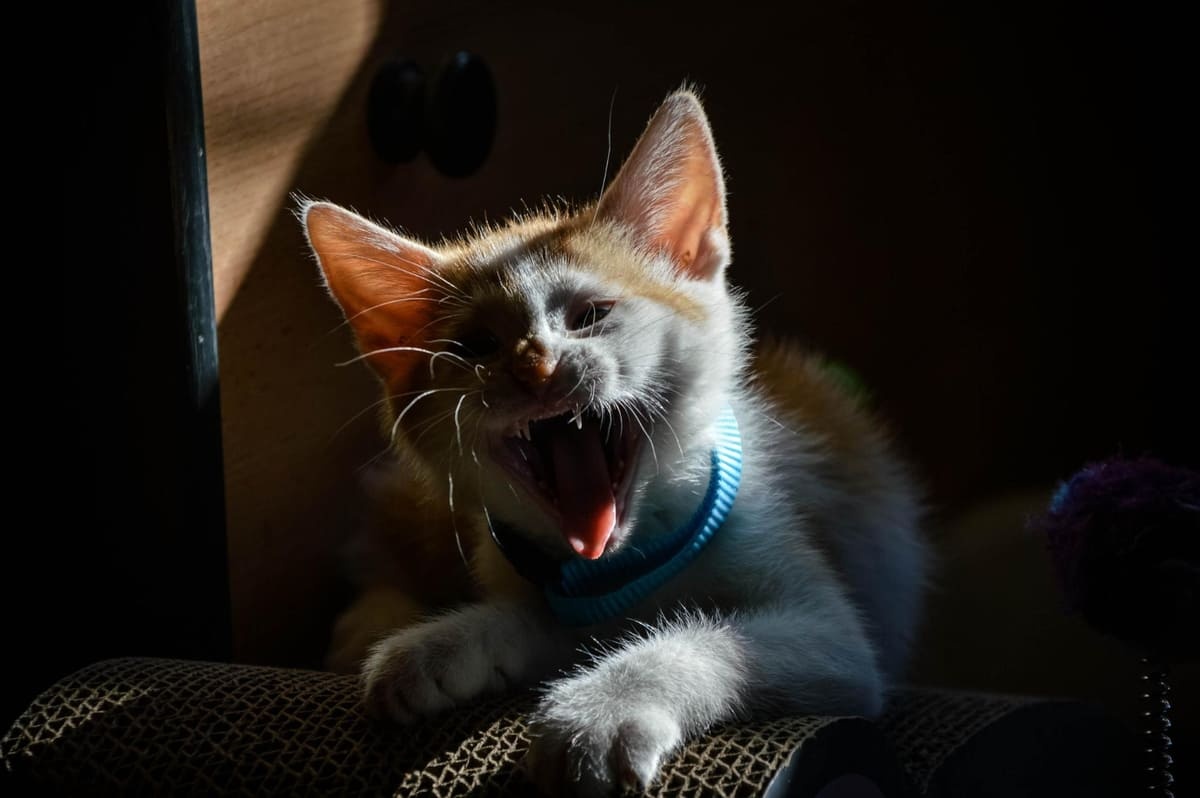
Meowing in cats doesn't always indicate a health problem. However, in some cases, changes in vocalization behavior should be evaluated more carefully. If your cat starts meowing in a different tone than usual, if the crying behavior appears suddenly, or if the sounds suggest the cat is in pain, a veterinary check-up is necessary.
Sudden Onset or Changes in Tone of Sounds
If your cat makes a sound that is louder, sharper, longer, or more restless than it has ever made before, this should be taken into consideration. If the tone of meowing changes, if barking becomes more frequent, or if the cat hides, appears restless, or doesn't want to be touched while barking, the possibility of underlying pain or illness should be evaluated.
Accompanying Symptoms
If constant meowing or barking is accompanied by loss of appetite, refusal of food, lethargy, inactivity, changes in toilet habits, frequent use of the litter box, difficulty urinating, or noticeable restlessness, a veterinarian should be consulted immediately.
Conditions to Consider in Older Cats
Increased meowing or barking at night in older cats may be related to disorientation, pain, sensory changes, or certain systemic diseases. If this behavior has recently started or is becoming increasingly frequent, it should not be attributed solely to old age; the underlying cause should be investigated with a veterinary evaluation.
My Cat is Constantly Meowing or Barking, What Can I Do?
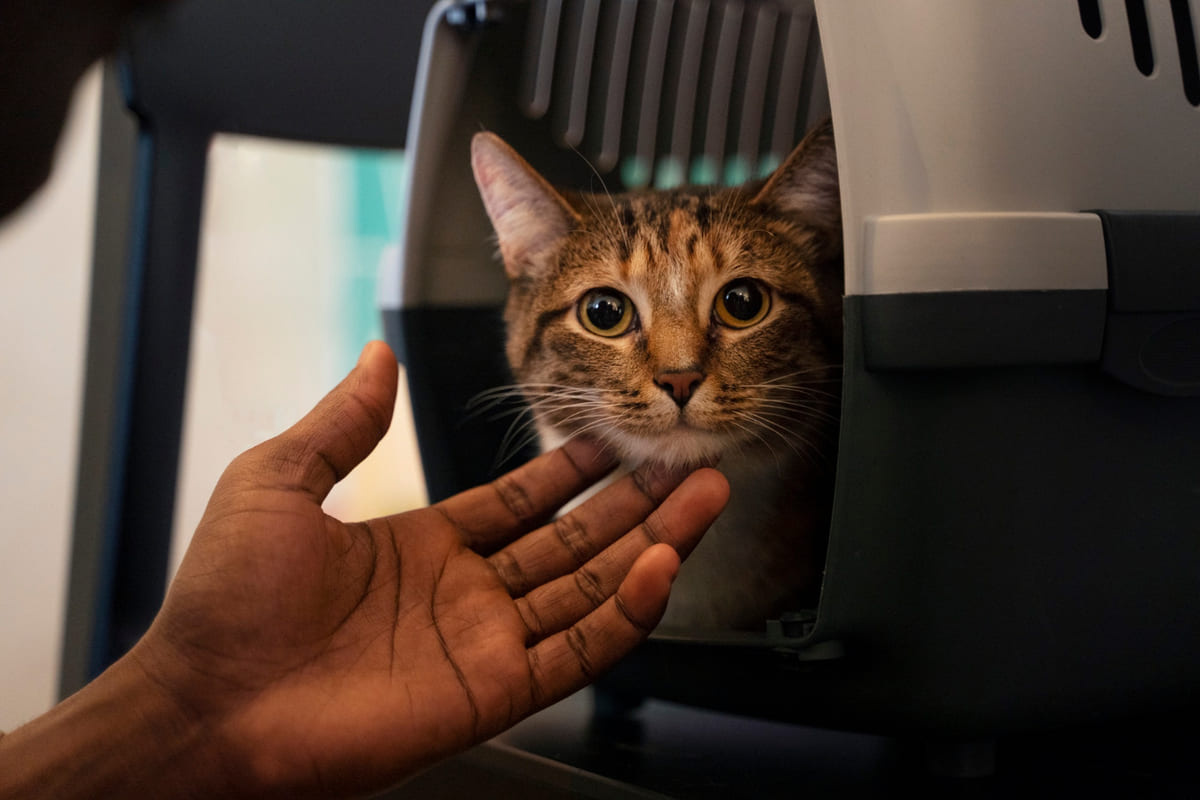
When your cat is constantly meowing or barking, it's important to first observe the situations in which this behavior occurs. Catching behavior can be related to hunger, loneliness, a desire to play, stress, hormonal changes, or health problems. Therefore, instead of a single solution, steps should be taken to understand your cat's needs.
Establish a Daily Routine
Cats may feel more secure when their daily routines are predictable. Having specific feeding times, keeping the water bowl clean, regularly cleaning the litter box, and adding playtime to the daily routine can help reduce meowing caused by hunger, thirst, or anticipation.
Help Them Burn Off Their Energy
Cats that don't get enough exercise during the day may be more active and vocal at night. Fishing rod toys, moving balls, scratching posts, and toys that can hold treats can help a cat use its energy in a healthier way. A short, interactive play routine, especially before bedtime, can help reduce nighttime meowing in some cats.
Create a Safe and Calm Space
For cats that meow due to stress, fear, or changes in environment, it is necessary to create a calm space. A quiet room, a comfortable bed, a blanket or toys that carry the cat's own scent can help the cat feel safer. It should be remembered that if a new pet has arrived in the house, if there has been a move, or if the household routine has changed, the cat may need time to adjust.
Evaluate Sterilization with Your Veterinarian
In unspayed cats, meowing and barking behavior may increase during their heat cycle. If your cat's vocalizations are related to hormonal reasons, you can evaluate the option of sterilization with your veterinarian. However, since not all barking behavior is due to heat, health and behavioral reasons should be considered together.
Don't Delay Health Check-ups
If meowing or barking starts suddenly, increases significantly, changes in tone of voice, or if your cat shows signs such as loss of appetite, lethargy, or changes in toilet habits, a veterinary check-up is necessary. Pain, urinary tract problems, dental diseases, thyroid problems, or age-related changes can affect vocalization behavior.
What Not to Do When Your Cat Meows Excessively
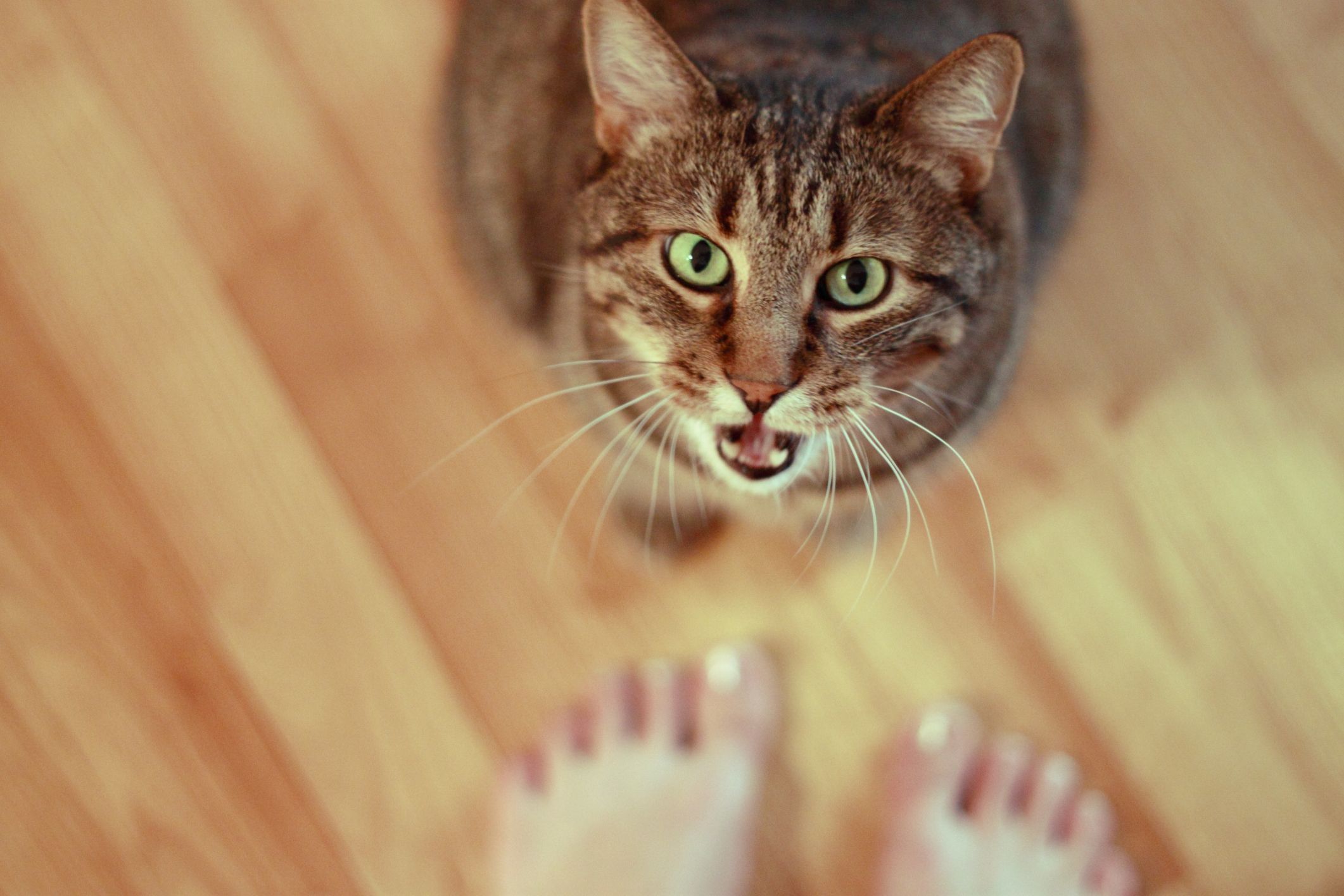
First, make sure there isn't an underlying health problem causing the excessive meowing. If it's psychological, giving the cat food or attention every time it meows will only reinforce the behavior. During this process, it's important to stop seeing meowing as a means of expressing a need, but also not to completely sever the overall bond with the cat.
If your cat is meowing or barking because it wants something, responding immediately every time may lead to an increase in meowing over time. Therefore, it's necessary to observe when, under what circumstances, and with what needs the cat makes sounds. The goal should not be to silence the cat, but to understand the underlying reason for the behavior.
The first point to note is that the cat should not be punished for constantly meowing. While yelling, hitting, or spraying water may seem like effective solutions, it can cause your cat to fear you. This can lead to stress and more behavioral problems.
No rewards should be given when cats meow constantly. Rewards are not just food. If your cat meows when it wants to go outside, and you take it outside every time to make it stop meowing, it will eventually learn to meow whenever it wants to go outside. Giving food every time it meows will also cause your cat to develop meowing as a way of asking for food.
Interacting with your cat when it is calm, rewarding it when it is quiet, and regularly meeting its daily needs can help manage its meowing behavior more effectively. However, if meowing or barking starts suddenly, increases gradually, or is accompanied by other symptoms, the behavior should not be considered merely a habit. Frequently Asked Questions Why does my cat bark at night? Your cat may bark at night because it is more active, wants attention, needs to play, or has orientation problems. Cats that don't get enough exercise during the day may be more vocal at night. If there is increased barking at night in older cats, pain, changes in vision or hearing, or cognitive problems should also be evaluated. Why does my neutered cat still bark? In neutered cats, barking behavior may continue due to reasons such as hunger, stress, need for attention, pain, aging, or environmental changes. Not every instance of barking should be explained by hormonal reasons. If the behavior has just started or is accompanied by other symptoms, a veterinary check-up is necessary.
Frequently Asked Questions
Why does my cat meow at night?
Your cat may be barking at night because it is more active, craves attention, needs to play, or is experiencing orientation problems. Cats that don't get enough exercise during the day may be more vocal at night. If there is increased barking at night in older cats, pain, vision or hearing changes, or cognitive problems should also be evaluated.
Why does a neutered cat still bark?
In neutered cats, barking behavior may continue due to hunger, stress, a need for attention, pain, aging, or environmental changes. Not every instance of barking should be explained by hormonal reasons. If the behavior has recently started or is accompanied by other symptoms, a veterinary check-up is necessary.
My cat meows when it sees me, why?
Your cat may be meowing when it sees you to greet you, to ask for attention, or to remind you of an expectation in its daily routine. Expectations such as food, play, or litter box cleaning can increase this behavior. Interacting with your cat when it is calm will prevent meowing from becoming a habit.
My elderly cat is constantly barking, what should I do?
Constant barking in elderly cats may be caused by pain, cognitive changes, sensory loss, or certain systemic diseases. Night lights, easily accessible litter boxes, and comfortable resting areas can provide support indoors. However, new or increasing barking in elderly cats should be evaluated by a veterinarian.
We just moved, my cat won't stop meowing. What does it mean?
Constant meowing or barking after moving may be related to your cat trying to adjust to a new environment. Unfamiliar smells, sounds, and room layouts can create stress for your cat. Creating a quiet area, keeping familiar items nearby, and maintaining a routine as much as possible can help your cat relax.
My cat meows when left alone, is this normal?
Your cat may be meowing when left alone due to a need for attention, security, or social attachment. This behavior can be seen in some cats; however, if it is accompanied by waiting at the door, scratching furniture, changes in appetite, or intense restlessness, the situation should be evaluated more carefully. Daily play, environmental enrichment, and a regular routine can provide support.
Kaynaklar:
https://lacvets.com/blog/cat-meowing-excessively
https://www.splootvets.com/post/excessive-cat-meowing-crying-why-it-happens-what-to-do
https://www.aspca.org/pet-care/cat-care/common-cat-behavior-issues/meowing-and-yowling
https://cats.com/what-does-it-mean-when-a-cat-is-screaming
https://www.catster.com/cat-behavior/cat-screaming/
Advertisement
Advertisement
Keep exploring
Continue reading

Cat Behavior & Training
Cat Sounds and Meanings: A Guide to Understanding Cat Communication from Meowing to Purring
When you start living with a cat, one of the first things you notice is how different their sounds are.
Read guide →
Cat Behavior & Training
Fecal Defecation Behavior Disorder
Defecation behavior disorder in cats is a common problem faced by many cat owners, naturally causing them concern.
Read guide →
Cat Behavior & Training
Cat Behaviors and Meanings According to Monthly Development
As cats go through life stages, their behaviors and needs also change. Living with kittens and witnessing their development is both enjoyable and…
Read guide →
Cat Behavior & Training
Postpartum Behavioral Changes in Cats
For those who learn their cat is pregnant, an exciting and worrying process begins. After a cat becomes pregnant, the responsibilities of cat owners…
Read guide →