Behavioral Disorders in Older Cats
As cats age, various skills begin to decline, and cognitive skills are also affected by this decline. This disorder, called feline cognitive impairment or feline behavioral disorder, affects 55% of cats aged 11-15 and 80% of cats aged 16-20.

Advertisement
As cats age, various skills begin to decline, and cognitive skills are also affected by this decline. This disorder, called feline cognitive impairment or feline behavioral disorder, affects 55% of cats aged 11-15 and 80% of cats aged 16-20. In older cats, behavioral disorders begin with a decline in memory, learning ability, awareness, vision, and hearing. This decline leads to changes in their sleep patterns, balance, and activity levels. They may even begin to forget things they previously knew very well, such as the location of their litter box or food bowl. Along with this, they become more prone to anxiety and aggressive behavior. These changes can also alter the cat's interaction with its owner, other people in the house, or other animals. To help your cat through these changes, you first need to understand what is happening. In this article, we will discuss how behavioral disorders manifest in older cats and the behaviors that characterize them.
Differentiating Age-Related Behavioral Disorders
Some effects of aging are not related to behavioral disorders. Sometimes these effects are quite similar to changes brought about by cognitive decline and can be easily confused. To be sure of the source of the changes, it is necessary to describe all the changes that have occurred in detail to the veterinarian. These changes should not always be considered a natural process of aging. Because some of the changes that occur are treatable disorders. Also, some therapies can alleviate the symptoms seen in your cat, make it more comfortable, and even reduce the pain it may experience.
Behavioral Disorder Checklist in Cats
There is a checklist that you can use to observe the changes that occur in your cat and get an idea of the source of these changes. In this way, you can better understand your cat in situations such as anxiety and approach it in the most appropriate way.
Learning and Memory Problems
- Fecalization in places other than the toilet.
- Forgetting eating and sleeping places.
- Inability to recognize people and animals previously known.
Confusion and Spatial Disorientation
- Getting lost in familiar places.
- Staring blankly at an object or empty space.
- Wandering aimlessly.
- Inability to overcome or navigate around various obstacles.
Changes in Relationships and Social Behavior
- Lack of interest in being loved, playing, and interacting with people and other animals.
- Becoming a constant craving for touch and attention.
Loss of Activity and Insensitivity
- Decreased interest in the environment, less exploration of the surroundings, and less reaction to events.
- Kendini daha az temizleme.
- Daha az yemek yeme.
Worry and Anxiety
- Fidgety and excited behavior.
- Daha fazla miyavlama.
- Exhibiting more disruptive behaviors than normal.
Ruling Out Physical Illnesses
If your cat shows any of the above symptoms or changes, the first thing you should do is take it to a veterinarian. In older cats, it is essential to investigate whether behavioral changes are caused by an illness. Pain, loss of movement, and discomfort caused by various conditions such as arthritis, dental diseases, thyroid disorders, or cancer can cause behavioral changes. Such illnesses can also cause anxiety and aggressive behavior. Once it is determined that the symptoms are not caused by medical problems or primarily age-related health issues, it can be concluded that these symptoms are a result of the effects of aging on the brain.
Treatment of Behavioral Disorders in Cats
When it is understood that the changes in the cat's behavior are due to cognitive impairments, the next step is to evaluate therapy options. Treatment of behavioral disorders in cats is usually planned by changing the cat's living environment in a way that will help the cat and helping the cat to adapt to its daily routine. For cognitive impairment treatments, supplementary foods or medications to prevent anxiety, such as sedatives, may also be used. The veterinarian recommends the use of these medications when deemed appropriate.
Suggestions for Defecation Problems
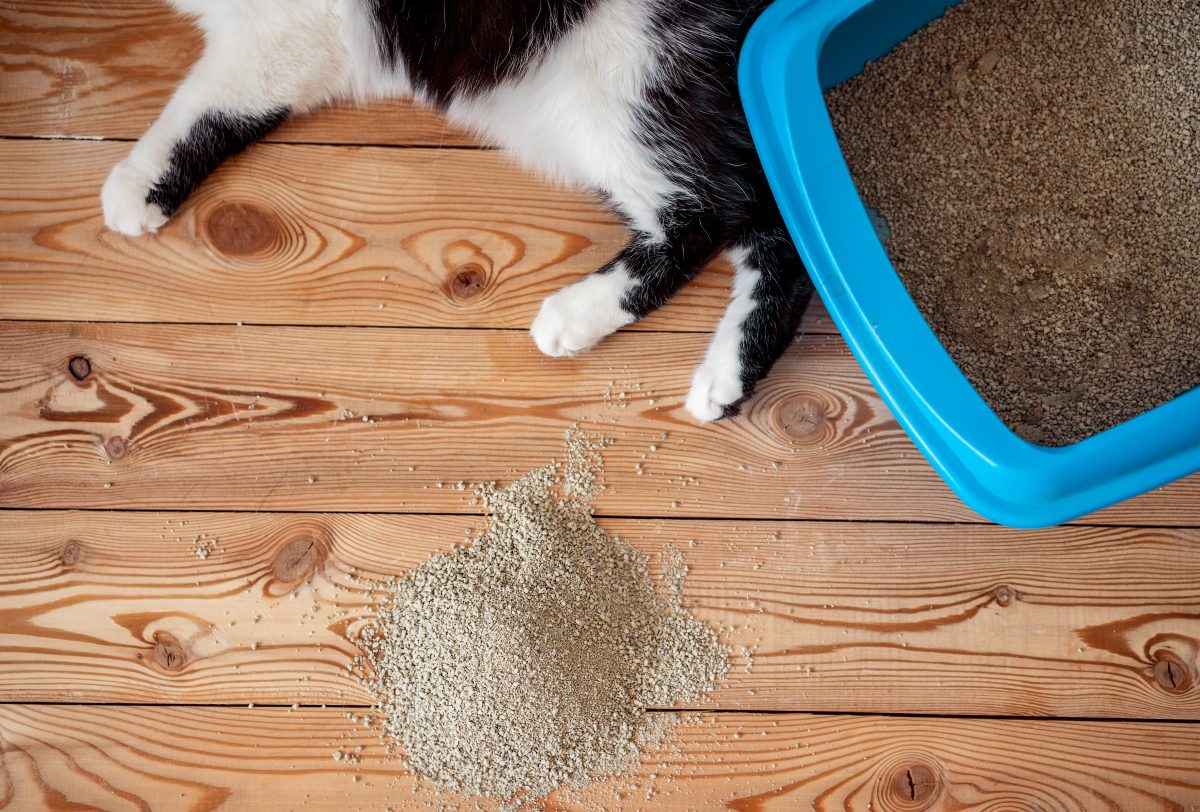
In cases where defecation behavioral disorders occur in cats, increasing the number of litter boxes in the house or placing a litter box on each floor in multi-story houses will help them soil the house less. However, the litter boxes should be placed in easily accessible locations. Because as cats age, they may forget where their litter box is. You can place an extra litter box in a very visible location without changing the location of the existing litter box. You should make sure that the entrances to these litter boxes are low. Because older cats may experience pain or discomfort in their joints when trying to enter litter boxes with high walls. You can examine the different sizes and features of cat litter boxes designed for cats by clicking here.
Suggestions for Confusion
Confusion or spatial disorientation is often one of the first behavioral disorders noticed in cats. This disorder is seen in 40% of cats aged 17 and over. Changing your cat's food and water spots, the location of its toys, or its litter box is harmful in this situation. To prevent confusion, it is necessary to keep its daily routine as consistent as possible. In such cases, dedicating a room in the house to it and keeping its daily needs such as food, water, and litter box closer together than usual helps make life easier for it.
Suggestions for Sleep Pattern Disruption
One of the behavioral changes seen in cats with aging is sleep pattern disruption. Cats generally sleep more during the day and are more active at night during this process. Changes in vision and hearing cause cats to be unable to sleep deeply. In such cases, you can tire it out by playing with it and spending time with it during the day, and help it sleep at night. Anxiety disorder in cats is another cause of nocturnal activity. The most common form of geriatric anxiety in cats is nocturnal anxiety. Being away from people in the house while sleeping or wandering around the house in the dark can cause anxiety in cats. In such situations, cats usually try to wake you up by coming to you, making noises, or hitting you with their paws. Various sedatives can help cats have a restful night's sleep by treating anxiety in cats.
Advertisement
Advertisement
Keep exploring
Continue reading

Cat Behavior & Training
Cat Sounds and Meanings: A Guide to Understanding Cat Communication from Meowing to Purring
When you start living with a cat, one of the first things you notice is how different their sounds are.
Read guide →
Cat Behavior & Training
Constant Meowing and Crying in Cats: Causes and Solutions
Constant meowing and crying in cats is one of the most common behavioral changes noticed by cat owners.
Read guide →
Cat Behavior & Training
Fecal Defecation Behavior Disorder
Defecation behavior disorder in cats is a common problem faced by many cat owners, naturally causing them concern.
Read guide →
Cat Behavior & Training
Cat Behaviors and Meanings According to Monthly Development
As cats go through life stages, their behaviors and needs also change. Living with kittens and witnessing their development is both enjoyable and…
Read guide →