Birman Cat Characteristics, Care and Feeding
A sentence that people who live with Birman cats often hear is: “How can such an elegant and docile cat be so social?” Indeed, the Birman is known for its people-oriented nature, soft voice, and unique, dignified play style.

Advertisement
A sentence that people who live with Birman cats often hear is: “How can such an elegant and docile cat be so social?” Indeed, the Birman is known for its people-oriented nature, soft voice, and unique, dignified play style. Its ability to follow you around the house like a shadow, yet never be domineering, makes it unique.
Mystical accounts of the Birman cat's origins are quite common. According to some legends, this elegant breed was considered sacred in temples in Burma, now called Myanmar. The foundations of the modern Birman breed were truly laid in France in the early 20th century. Developed by crossbreeding Siamese and long-haired local breeds, the Birman became known in France in the 1920s and gained popularity in America in the 1960s.
In this article, we will discuss in detail the characteristics of the Birman cat, its care and nutritional requirements, common health problems, and what you need to know during the adoption process.
Other Names: Sacred Burmese Cat
Character: Docile, social, affectionate, quiet
Weight: 3 – 5.5 kg
Shoulder Height: 22 – 28 cm
Eye Color: Bright blue
Coat Length: Medium length, silky
Coat Colors: Cream background with various color point patterns
Coat Patterns: Colorpoint (dark on face, ears, paws and tail) color)
Shedding: Moderate
Hypoallergenic?: No
Care Requirements: Medium
Compatibility with Children: High
Compatibility with Other Pets: Compatible, especially with calm animals
Energy Level: Low - Medium
Average Lifespan: 12 – 16 years
Origin: Originating from Southeast Asia, developed in France
What Do Birman Cats Eat, How Should They Be Fed?

Birman cats can maintain their ideal weight and live a long and healthy life with a balanced diet. Although this breed is naturally less prone to excessive weight gain, a sedentary lifestyle can make weight control difficult over time. Therefore, when it comes to nutrition, cat food selection, portion control, and meal schedules should be considered together.
Cats are carnivores, and animal protein is their primary energy source. Therefore, when choosing food, products with a high protein content and easily digestible ingredients should be preferred. It is important that sources such as chicken, turkey, salmon, or lamb are at the top of the ingredient list. Low-grain or grain-free cat foods are more suitable for cats with sensitive digestive systems, according to veterinarians' opinions.
Birman kittens can consume three to four meals a day during their rapid growth period. During this period, their development can be supported with kitten food. Once they reach adulthood, two meals a day, usually morning and evening, are sufficient. While free feeding works for some cats, establishing a meal schedule with controlled portions reduces the risk of obesity. To maintain the shiny and silky coat of Birman cats, foods containing omega-3 and omega-6 fatty acids can be preferred. A diet supported by a cat grooming routine can reduce shedding and dullness. In addition, prebiotic ingredients that support the digestive system of cats are effective in improving the digestive comfort of this breed. Fresh water should always be available alongside food, and water intake should be encouraged, if possible, by supplementing with wet food. The amount of food may vary depending on age, weight, activity level, and possible health conditions. Therefore, it is best to follow individual feeding recommendations from a veterinarian.
For Birman cats, foods containing omega-3 and omega-6 fatty acids are preferable to maintain a shiny and silky coat. A diet supported by a cat grooming routine can reduce shedding and dullness. Additionally, prebiotic ingredients that support the cat's digestive system are effective in improving digestive comfort for this breed.
Fresh water should always be available alongside food, and water intake should be encouraged, preferably supplemented with wet food.
The amount of food may vary depending on age, weight, activity level, and potential health conditions. Therefore, following individual feeding recommendations from a veterinarian is the most appropriate approach.
Grooming is also key in the care of a Birman cat.
Common Diseases in Birman Cats

Although known as a healthy and hardy breed, Birman cats may experience some genetic and structural health problems more frequently than other breeds. Regular veterinary check-ups and early diagnosis can reduce the impact of these problems.
Hypotrichosis (Hair Loss Skin Disease)
Hypotrichosis is a congenital hair growth disorder seen in Birmans of certain genetic lines. In this disease, kittens are born hairless, and later develop fine, short, and sparse hairs and wrinkled, oily-looking skin. Congenital hypotrichosis, associated with a rare mutation in the FOXN1 gene, can cause hair growth disorders in some Birman cats. Since this condition may occur with immune system deficiency, carrier status should be determined by genetic testing.
The mode of inheritance is autosomal recessive; that is, there is a 25% chance that the disease will appear in the offspring of only two carrier individuals, 50% will be carriers, and 25% will be completely healthy. Genetic tests can definitively determine whether a cat is a carrier or has the disease.
Polycystic Kidney Disease (PKD)
This inherited disease can occur, albeit rarely, in Birman cats. Cysts that grow in the kidneys over time can impair organ function and lead to chronic kidney failure. Symptoms include increased water consumption, frequent urination, loss of appetite, and weight loss. It can be diagnosed by ultrasound; progression can be slowed with diet and medication.
Heart Diseases (HCM)
Some Birman cats may be predisposed to heart diseases such as hypertrophic cardiomyopathy (HCM). This condition causes thickening of the heart muscle and consequently a decrease in the heart's pumping capacity. Regular cardiological check-ups are important for early diagnosis.
Gum Diseases
Birman cats may be prone to gingivitis and tartar formation. Especially in older age, if oral health is neglected, tooth loss becomes inevitable. Regular brushing and health check-ups can reduce this risk.
Being attentive to these health problems is crucial in increasing the lifespan and comfort of a Birman cat. Early diagnosis of conditions, especially those with a genetic predisposition, can prevent complications later on.
Physical Characteristics and Appearance of the Birman Cat

The Birman cat is notable for its elegant and balanced appearance. Its medium size, silky fur, and deep blue eyes give it a characteristic silhouette. The physical characteristics of the Birman cat can be listed as follows:
- It has a medium-sized, muscular but not heavy body structure. Its body is balanced and proportionate.
- Height varies between 22 – 28 cm in females and males.
- Females generally weigh between 3 – 4.5 kg; males between 4 – 5.5 kg.
- Its eyes are large, almost round, and bright blue. Its blue eyes are one of the most distinctive features of the breed.
- It has a broad, rounded head. It has a smoothly transitioned forehead and prominent cheekbones.
- It has medium-sized ears with slightly rounded tips and widely spaced.
- It has medium-length, abundant fur. The fur appears more voluminous at the tail.
- The hind legs are slightly longer than the front legs. The paws are rounded and have symmetrical white markings described as "white gloves".
- The fur is silky in texture, medium length, and slightly tangled. It is dense but not excessively voluminous.
- It has a cream-colored body with dark "point" patterns (on the ears, face, tail, and paws). Variations such as blue, seal color, chocolate, and lilac are available.
Birman Kedisi Karakteri

The Birman cat is a balanced housemate in terms of both appearance and character. Those who know it often say: "Neither too quiet nor too talkative; neither too clingy nor too distant." Indeed, the Birman exhibits a controlled but sincere approach in its bond with humans. It wants attention but requests it gently. It may find a corner and quietly observe, or it may come and curl up in your lap.
The prominent character traits of the Birman cat can be listed as follows:
- It does not react impulsively and generally has a peaceful state of mind.
- Attached to the household; may follow you from room to room but isn't overly possessive.
- Gentle meowing; usually communicates through eye contact and body language.
- Playful but not overly energetic. Playful but not at a tiring pace. Prefers quiet toys.
- Compatible with children. Its gentle nature allows it to establish a safe and peaceful relationship with children.
- Thanks to its calm nature, it can live harmoniously with other cats and even dogs.
- Intelligent and eager to learn. Quickly learns basic rules. Adapts easily to household routines.
- Their independence balance is well-established. They enjoy spending time alone but cannot tolerate being alone indefinitely.
- They have a high stress threshold. Although they are bothered by noise and sudden changes, they adapt to their environment easily.
- They love to be held. They are open to physical contact with people they know; they can stay in your lap for a long time, purring.
Birman Cat Care and Tips

When discussing all cat breeds, it is important to first mention that regular veterinary check-ups should not be neglected. In addition, it is important to follow the vaccination schedule planned by veterinarians. In this way, cats can live a healthier and happier life.
When it comes to cats and their health, another important point is nutrition. A cat's diet directly affects their health. Therefore, they need to be fed complete and balanced dry cat food formulated for cats. Birman cats, who need to eat kitten or adult food according to their developmental stage, will also have their neutering/sterilization status as a determining factor in food selection. Of course, meeting their taste preferences is also necessary to support their happiness and food consumption. You can browse complete and balanced cat foods to choose from for your cat by clicking here. In addition to dry food, ensuring they always have access to fresh, clean water and supplementing with wet food a few times a week is important to increase their water intake.
Because Birman cats are prone to weight gain, you should pay attention to the daily amount of food written on the packaging of your chosen food and divide this amount into meals. You can consult your veterinarian to learn about your cat's specific needs and get clear information regarding feeding adjustments. Playing games with your cat can also help keep it active, provide mental stimulation, and allow you to have fun together. Brushing is also key in caring for a Birman cat. Because cats groom themselves by licking, they swallow fur, and over time, this fur can form hairballs in their digestive system, causing problems. Regular brushing helps them shed less fur and swallow less. Birman cats, known for their long fur and moderate shedding, should have their fur brushed and combed daily. Without brushing, their fur risks tangling and clumping. However, they shed moderately and their single-layered fur generally doesn't become matted.
Because cats clean themselves by licking, they swallow hair, and over time, this hair can form hairballs in their digestive system, causing problems. Regular grooming reduces shedding and ingestion. Birman cats, known for their long fur and moderate shedding, should have their fur brushed and combed daily. Without brushing, their fur risks tangling and clumping. However, they shed moderately and their single-layered fur generally does not become matted.
Birman Cat Training

Birman cats are a breed that is open to training thanks to their gentle character and intelligence. Since they are generally quiet and compliant, it doesn't take them long to learn basic rules. They adapt quickly to the routine in the house and do not resist commands.
Toilet training is almost instinctive for most Birman kittens. They easily adopt the litter box and take care of its cleanliness. However, it is necessary to use positive reinforcement methods in the training process. Treats, a gentle tone of voice, and routine repetitions are effective in this process.
Some Birman cats can learn small skills such as opening doors, retrieving toys, or responding to simple commands. Such activities contribute to the cat's mental development and strengthen the bond between you and it.
The most important point to remember when training your Birman cat is to avoid punishment and always be patient. Harsh behavior can cause this breed to become withdrawn or lose interest in learning.
Birman Kedisi Sahiplenirken Bilinmesi Gerekenler
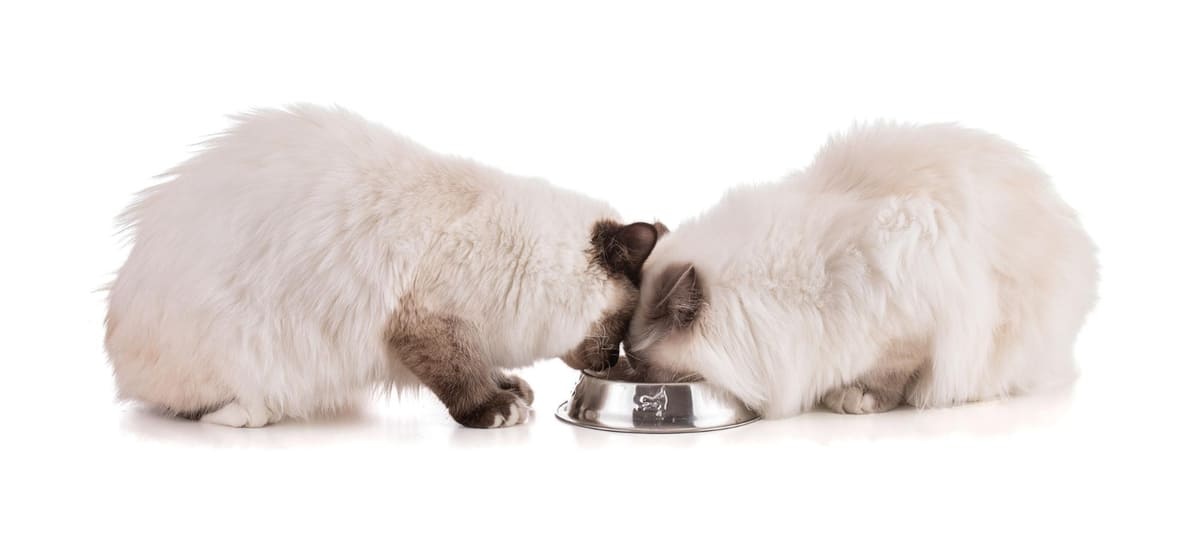
The following points must be considered before adopting a Birman cat:
- They need attention. Although they appear quiet, Birman cats are social creatures. They love to be with their owners; it is not recommended to leave them alone for long periods. When left unattended, they may become withdrawn or exhibit depressive behavior. Establishing an emotional bond is important for their development.
- They can live comfortably in homes with children. They are tolerant of sudden movements, but they should be taught to be gentle with children.
- They tend to get along well with other cats or dogs, especially those with calm temperaments. Early introduction is important for a harmonious home environment.
- Although their silky fur doesn't tangle easily, it can become matted if not brushed a few times a week. This process can be facilitated with cat grooming products.
- They need daily playtime. However, unlike high-energy breeds, they don't demand constant attention.
- They can easily adapt to apartment living. They are quiet and not aggressive. They have a profile of a house cat that doesn't need to go outside.
- They don't like harsh commands or sudden behaviors. Positive reinforcement is always more effective in training.
Frequently Asked Questions About Birman Cats

For those considering adopting a Birman cat, the scattered and contradictory information on the internet sometimes makes the decision-making process difficult. Below, we have compiled the most frequently asked questions with clear, reliable, and user-focused answers.
Are Birman cats intelligent?
Yes, Birman cats are remarkably intelligent. Their intelligence manifests itself not in a flashy or playful way, but in a calmer and more observant manner. They easily learn household routines and quickly understand what needs to be done where. Behaviors such as trying to figure out a closed door by watching you or pulling their favorite blanket to its place show how skillfully they apply their intelligence to daily life.
Can a Birman cat live in an apartment?
Birman cats are among the cat breeds that can easily adapt to apartment living. This breed, which loves silence, peace, and order, can easily adapt to small spaces. They don't meow loudly, don't have sudden movements, and generally don't disrupt the environment as they adopt certain areas of the house. They can also become an ideal housemate for individuals living in crowded cities or office workers who spend time alone.
Do Birman cats get along well with children?
Absolutely yes. Birman cats enjoy spending time with children, but they do so in a gentle, kind, and controlled way. While they tolerate sudden movements, it is always important to teach children to respect an animal's boundaries.
How long do Birman cats live?
The average lifespan of Birman cats is between 12 and 16 years. The lifespan of a Birman cat depends on quality of life, food preference, exercise opportunities, and health checkups. Birmans living in a loving, peaceful home with regular health checkups can live a long and happy life.
Birman kedileri hipoalerjenik midir?
Birman cats are not hypoallergenic. The risk of allergies can be reduced with measures such as regular brushing, ventilating your living space, and using air purifiers.
Do Birman cats shed a lot?
The level of shedding is moderate. Because their fur is silky and resistant to tangling, shedding is generally easily manageable. Regular brushing reduces shedding and keeps the fur healthy. Shedding may increase during seasonal changes; increasing the frequency of grooming during these periods is beneficial. Does a Birman cat bite? Birman cats are not aggressive. The tendency to bite is usually observed in unusual situations such as intense stress, sudden fear, or physical discomfort. Its nature is to retreat, not defend. Therefore, it almost never shows behavior such as biting when being petted or playing. Are Birman cats very expensive? The cost of care is above average but not excessive. High-quality dry and wet food, appropriate products for grooming, veterinary checkups, and possible health tests require a regular budget. However, with regular care, these costs become more economical in the long run. Moreover, a healthy Birman cat does not burden its owner financially or emotionally; on the contrary, it improves their quality of life.
Do Birman cats bite?
Birman cats are not aggressive. A tendency to bite is usually observed in unusual situations such as intense stress, sudden fear, or physical discomfort. Their nature is to retreat, not defend. Therefore, they almost never exhibit biting behavior when being petted or playing.
Are Birman cats very expensive?
The cost of care is above average but not excessive. High-quality dry and wet food, appropriate grooming products, veterinary checkups, and possible health tests require a regular budget. However, with regular care, these costs become more economical in the long run. Moreover, a healthy Birman does not burden its owner financially or emotionally; on the contrary, it improves their quality of life.
Can a Birman cat be kept indoors?
A Birman is a true house cat. It does not need to spend time outdoors; even watching the outside from a window is enough for it. Having limited space does not make it unhappy. If a suitable environment is provided, it can spend its entire life safely and peacefully indoors.
Kaynaklar:
https://www.thesprucepets.com/birman-cat-breed-profile-characteristics-and-care-5220182
https://www.purina.co.uk/find-a-pet/cat-breeds/birman
https://cfa.org/breed/birman/
https://www.petmd.com/cat/breeds/birman
https://cfa.org/wp-content/uploads/2024/05/birman-presentation.pdf
https://tica.org/breed/birman/
https://www.gccfcats.org/getting-a-cat/choosing/cat-breeds/birman/
https://www.webmd.com/pets/cats/what-to-know-birman
https://www.agriapet.co.uk/guides-and-advice/birman-owners-guide/
https://bowwowinsurance.com.au/cats/cat-breeds/birman/
https://thelittlecarnivore.com/en/blog/what-are-the-differences-ragdoll-birman-cat
Advertisement
Advertisement
Keep exploring
Continue reading

Cat Nutrition
The Importance of Fiber in Cat Food: Its Role in Digestion, Hairballs, and Weight Control
Most people just glance at the "crude cellulose" line in the analysis table on the cat food packaging.
Read guide →
Cat Nutrition
The Importance of Wet Food Consumption in Cats During Summer
When temperatures rise, cats, just like us, may have difficulty maintaining their fluid balance.
Read guide →
Cat Nutrition
Mineral Balance in Dry Cat Foods: The Role of Calcium and Phosphorus
The suitability of cat food for a cat in the long term is not determined solely by protein, fat, or calories.
Read guide →
Cat Nutrition
Essential Cat Food Ingredient Terms for Cat Owners
If you are a cat parent with at least one cat eagerly awaiting your return and nourished by your love in addition to the food you provide, this…
Read guide →