British Shorthair Cat: Characteristics, Care and Things to Know
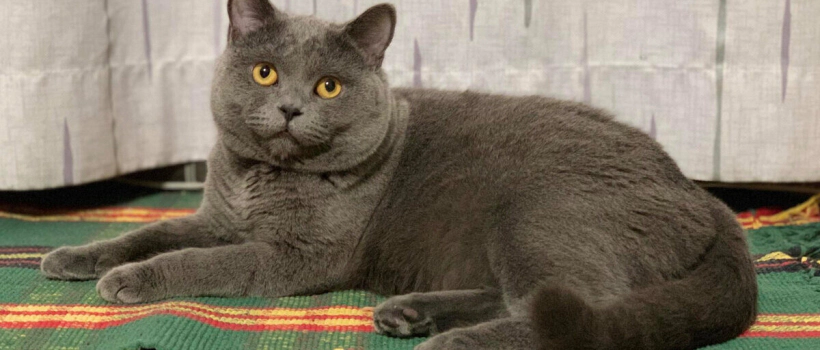
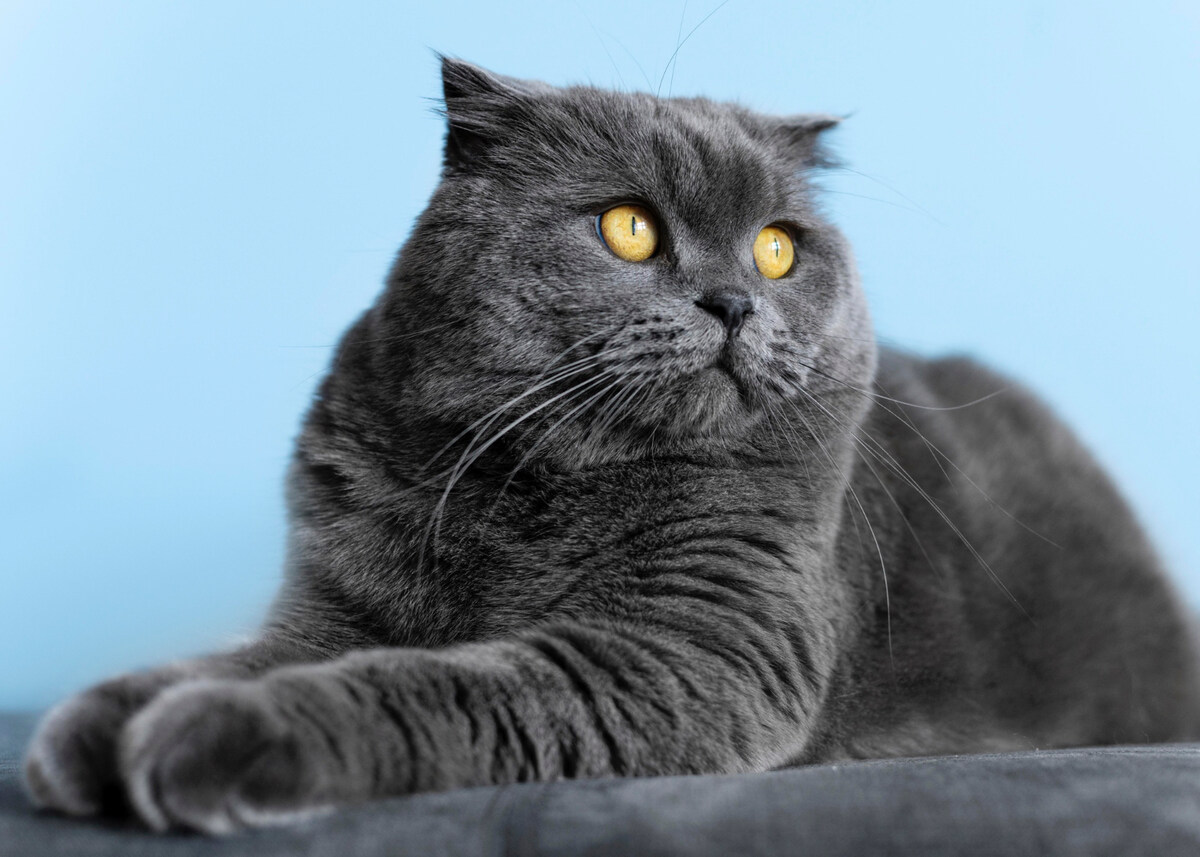
The British Shorthair cat is one of the most popular breeds with its calm temperament and uniquely charming expression. Its facial features, often smiling due to its whisker pads, strong body structure, short and dense fur, and round face are among the distinguishing characteristics of this breed.
Advertisement
The British Shorthair cat is one of the most popular breeds with its calm temperament and uniquely charming expression. Its facial features, often smiling due to its whisker pads, strong body structure, short and dense fur, and round face are among the distinguishing characteristics of this breed.
British Shorthair cats generally adapt very well to home life; they are known for their quiet nature, peaceful bond with humans, and relatively manageable grooming needs. However, each cat's temperament and behavior can vary depending on their experiences. Therefore, it is not correct to consider all British Shorthair cats equally quiet or calm.
In this article, you can find information about British Shorthair characteristics, character, care, nutrition, and essential points to know before adopting.
British Shorthair Cats at a Glance
Other Names: British Blue
Character: Calm, independent, affectionate, less active
Weight: 4-8 kg (males heavier)
Shoulder Height: 30-35 cm
Coat Length: Short, dense and plush
Coat Colors: Various colors including blue-grey, white, black, cream, chocolate and silver
Coat Patterns: Solid, striped, double Color
Eye Color: Copper, gold, blue, green, amber
Average Lifespan: 12-20 years
Origin: United Kingdom
Hypoallergenic?: No
British Shorthair Cat Origin and History

The British Shorthair cat is known as a descendant of cats brought to England by the Romans, and this origin increases their historical significance. Initially employed as mouse hunters due to their impressive abilities, the British eventually gained great popularity as pets among the public.
Towards the end of the 1800s, renowned pet breeder Harrison Weir created this magnificent breed by crossbreeding different cat breeds with the aim of improving the British Shorthair. His efforts were considered significant steps towards improving the physical characteristics and temperament of these cats. In 1871, a British Shorthair achieved great success by winning the "best" award at the first cat competition held at London's Crystal Palace.
In the 1970s, the British Shorthair breed gained international recognition and began to attract more attention worldwide. Today, the British Shorthair continues to bring joy to the lives of animal lovers with its affectionate nature, majestic appearance, and calm disposition. And of course, it continues to be an inspiration. It is known that the fictional characters Cheshire Cat in Alice in Wonderland and Puss in Boots in the Shrek films were created inspired by this breed.
Physical Characteristics and Appearance of the British Shorthair Cat
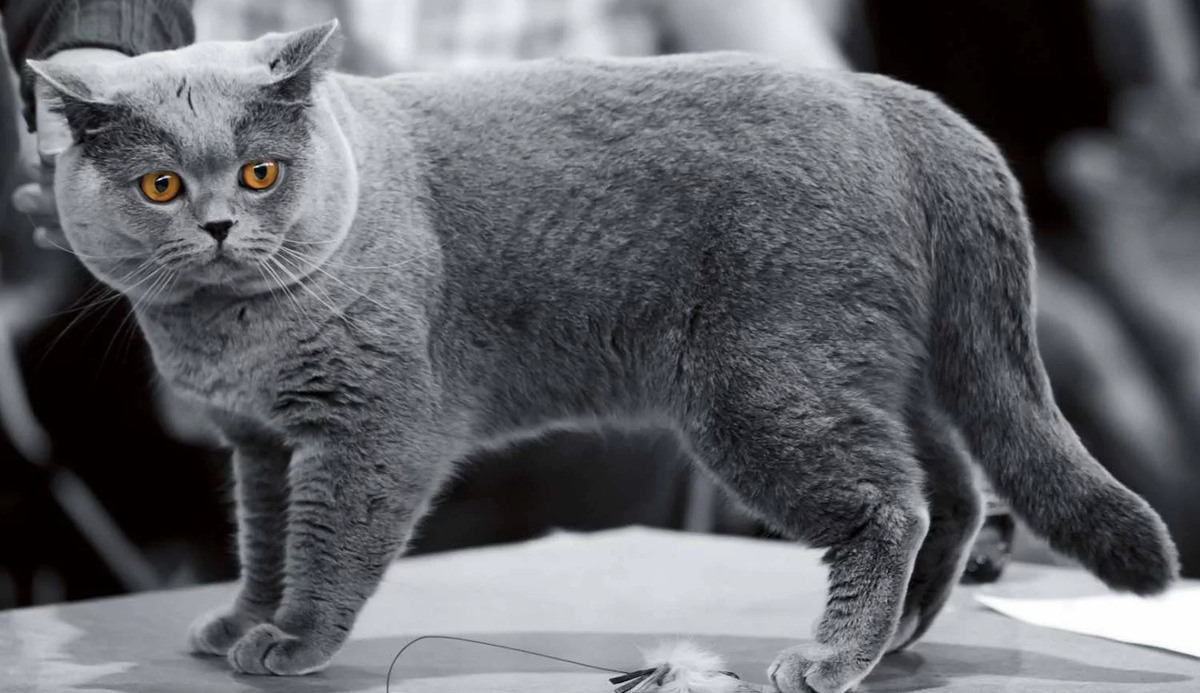
Our feline friends from the British Shorthair breed have various distinctive physical and character traits. British Shorthair cats, which are described as large in some sources and medium-sized in others, have short, dense, thick, and soft fur. Although their fur is short, it should be remembered that they need regular brushing.
Contrary to popular belief, their fur is not only gray: White, black, brown, silver, and different color combinations can also be seen in this breed. Although amber eyes are frequently mentioned, eye color can vary depending on the fur color. Blue, green, copper, and brown are examples of eye colors frequently seen in British Shorthair cats.
Their bodies are extremely robust. Their thick legs, strong muscles, and robust skeletons give them a well-built appearance. Female British Shorthairs are smaller than males. The important physical characteristics associated with the breed are not limited to their body structure: They have round and large heads, medium-sized ears, and large, round eyes. Their prominent whisker pads often give their faces a smiling expression. British Longhair cats, which have similar characteristics, are distinguished by their long fur, as the name suggests. This cat breed, a genetically long-haired variation of the British Shorthair, has dense and silky fur. The nature of their fur means they require more regular brushing and grooming. For detailed information, you can read our article titled "British Longhair Cat Characteristics, Care, and Feeding".
Important physical characteristics associated with the breed are not limited to their body structure: They have round and large heads, medium-sized ears, and large, round eyes. Their prominent whisker pads also often give their faces a smiling expression.
British Longhair cats, which have similar characteristics, stand out with their long fur, as the name suggests. This cat breed, a genetically long-haired variation of the British Shorthair, has dense and silky fur. Their unique coat structure means they require more regular brushing and grooming. For detailed information, you can read our article titled "British Longhair Cat Characteristics, Care and Feeding".
British Shorthair Karakteri

The character of a British Shorthair will vary from cat to cat. Since each cat has its own unique behavioral patterns, it is not really possible to talk in detail about specific character traits. However, we can mention the common attitudes of British Shorthairs, who have been living in our homes for a very long time.
They generally get along well with children, other cats, and family members. In order to establish good relationships with other pets and people, they need to receive a stable and loving approach in the post-adoption period. Known for their sociability and cute behavior, British Shorthair cats do not have very high energy levels. They enjoy playing, but their fondness for games remains at an average level.
Unlike other cats such as Siamese, they are not very talkative; it can be said that their voices are only heard when necessary. Their relatively low energy levels are one of the factors behind their ability to live comfortably even in small apartments.
Although they enjoy spending time with their owners, they also like to create their own special moments. Many British Shorthairs often prefer being with their owner or in the same room rather than being held. Therefore, it should be known that their displays of affection may be calmer and more distant. They may feel more comfortable in calm, predictable, and not overly busy home environments.
The prominent characteristics of British Shorthair cats can be listed as follows:
- They are calm, balanced, and peaceful cats. Interestingly, however, they have a very loud purr. In fact, in 2011, a British Shorthair named Smokey broke the world record for the loudest purr. Smokey, who holds the record for purring at up to 67.7 decibels, has also been measured to purr at up to 90 decibels.
- They are generally independent and enjoy spending time alone.
- They also enjoy being with their owners. However, they are still reserved: they prefer sitting side-by-side to being held.
- They exhibit a curious but cautious approach to their surroundings, approaching new objects carefully.
- They are notable for their quiet nature, they don't meow much and generally express their needs silently.
- They enjoy socializing with children and other animals. However, they expect their own space to be respected.
- Although intelligent, they can be a little stubborn in training. Puzzles and brain games are among their interests.
British Shorthair Cat Care and Tips
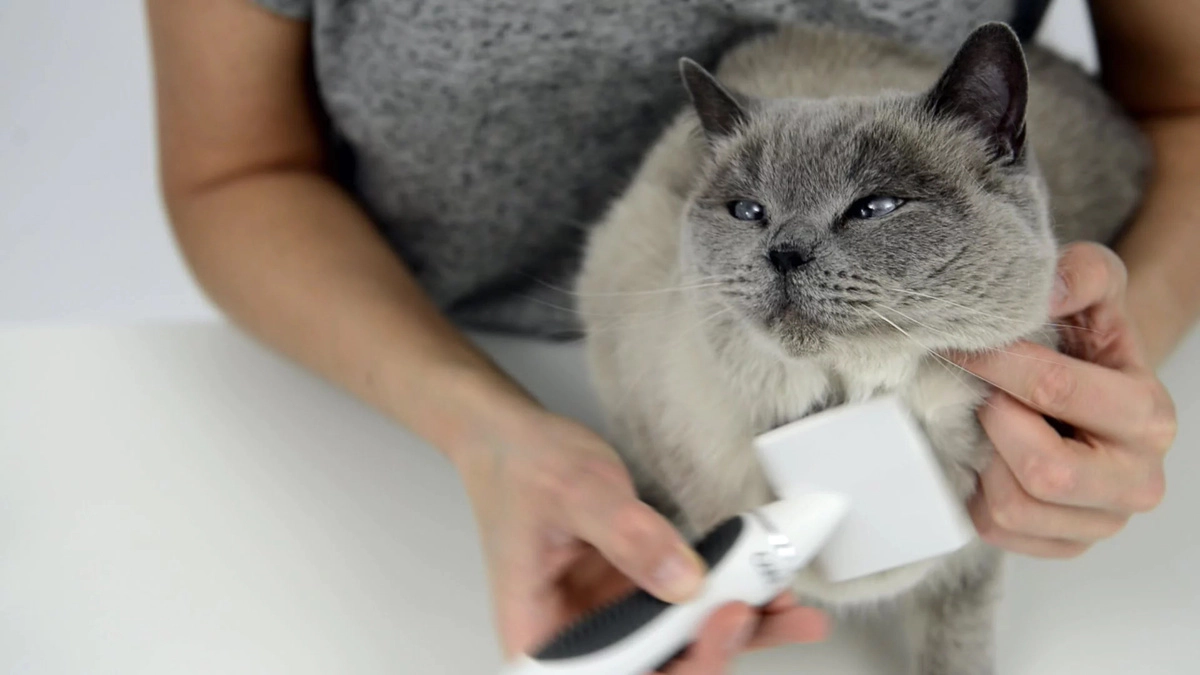
Compared to many other pets, British Shorthair care can be described as quite easy. Because their fur is short and they shed relatively little unless there is a special situation, they do not need to be brushed very often. Brushing them 2-3 times a week during seasonal changes and once a week at other times is considered ideal. You can find cat combs and brushes that help you brush your cats without damaging their skin here.
Trimming their nails is important in British Shorthair care. Under normal circumstances, it is recommended to trim their nails every 2-3 weeks. Their ears should be checked regularly, and cleaning the inside of their ears with special wipes should not be neglected. If the inside of their ears are red and excessively dirty, it is best to consult a veterinarian. If there is a possible ear infection, a treatment plan should be made. It would not be entirely accurate to say that our British Shorthair cat friends are good with water. Therefore, controlling them in the bath can become a difficult experience. If they get very dirty, they should be introduced to water as early as possible so that they can be easily washed. When bathing, only cat shampoos formulated for cats' skin sensitivities should be used. British Shorthair cats, who have large, round eyes, also have eye cleaning in their grooming routine. Wiping their eyes at regular intervals is important both to prevent hygiene problems and to protect eye health. You can find care products that you can use during eye cleaning here.
It wouldn't be entirely accurate to say that our British Shorthair feline friends are very fond of water. Therefore, controlling them in the bath can become a difficult experience. They should be introduced to water as early as possible so they can be easily washed if they get very dirty. Only cat shampoos formulated for cats' sensitive skin should be used during bathing.
British Shorthair cats, with their large, round eyes, also require eye cleaning as part of their grooming routine. Wiping their eyes at regular intervals is important both for preventing hygiene problems and protecting eye health. You can find care products you can use during eye cleaning here.
Regular cleaning of their litter box is extremely critical for their happiness, health, and comfort. Ideally, the litter box should be cleaned at least once a day. Litter boxes that haven't been cleaned for a long time can reduce their comfort, cause odors in homes, and lead to health problems for cats.
As with other pets, regular veterinary checkups are essential for British Shorthair cats. Although this breed is generally considered healthy, it is known that they have a genetic predisposition to certain diseases. Hypertrophic cardiomyopathy is one such example. You can find detailed information on this topic in our article on Heart Diseases and Treatment Methods in Cats. Also, like many other cat breeds, their urinary tract health can be compromised after neutering. Therefore, providing our neutered feline friends with a special diet is necessary to reduce the risk of potential health problems.
Common Diseases in British Shorthair Cats

Generally considered a healthy breed, British Shorthair cats are prone to certain health problems. The disorders that may occur in British Shorthair cats can be listed as follows:
Hipertrofik Kardiyomiyopati
This heart disease, common in British Shorthair cats, is characterized by the thickening of the heart muscle. The thickening of the heart wall can reduce the heart's pumping capacity, making it difficult to deliver enough blood to the body. Some symptoms of the disease include sudden signs such as rapid breathing, lethargy, and paralysis in the legs.
This disease, which can be diagnosed with a heart ultrasound, can be managed with heart medication in some cases. However, there is no definitive cure. Regular veterinary checkups and early diagnosis can improve a cat's quality of life. Obesity Obesity, which can be briefly defined as excessive weight gain, is among the common diseases in British Shorthairs. Known for their extremely calm nature and tendency to gain weight, weight control is extremely important in this cat breed. If obesity in cats is not prevented, their health can be seriously affected and their quality of life can significantly decrease. Portion control, a low-calorie diet, and daily play or exercise are very important to prevent obesity. Your veterinarian can create a suitable feeding plan to keep your cat's weight at a healthy level. The power of play should not be underestimated in maintaining ideal weight in cats. Interactive games and cat toys chosen to suit their personalities can increase their desire to move.
Obezite
Obesity, which can be briefly defined as excessive weight gain, is among the common diseases seen in British Shorthairs. Known for their extremely calm nature, this cat breed is prone to weight gain, making weight control extremely important. If obesity is not prevented in cats, their health can be seriously affected, and their quality of life will significantly decrease.
Portion control, a low-calorie diet, and daily play or exercise are crucial in preventing obesity. Your veterinarian can create a suitable feeding plan to keep your cat's weight at a healthy level. The power of play in maintaining ideal weight in cats should not be underestimated. Interactive games and cat toys chosen to suit their personalities can increase their desire to move.
Polycystic Kidney Disease
Polycystic kidney disease is a genetically inherited kidney disorder in some cat breeds, including the British Shorthair. It can lead to the formation of fluid-filled cysts in the kidneys, weakening kidney function and eventually causing kidney failure.
It usually does not cause any symptoms in kittens. As they get older, it manifests itself with symptoms such as thirst, frequent urination, loss of appetite, and weight loss. Treatment involves a low-protein diet that encourages water intake and supports kidney health.
How Should a British Shorthair Be Fed?

Important: When creating a feeding plan for British Shorthair cats, activity level and body condition should be considered in addition to age and neutering status. Portion control may require more attention, especially in cats that are calmer in indoor environments. All cats have changing needs at different stages of life, such as kittenhood, adulthood, and old age. It should not be overlooked that each stage of life and a process that causes radical changes in metabolism, such as neutering, changes nutritional needs. All these statements also apply to British Shorthair cats. Known for their highly muscular and robust bodies, this breed needs to maintain its ideal weight while keeping its muscles strong. Since they are not excessively active and enjoy playing at a moderate level, the right food choice should be made to prevent weight gain. Consulting a veterinarian during food selection will ensure the most suitable options are evaluated. You can find high-quality cat food varieties here. British Shorthair Cat Training The British Shorthair breed is known as an intelligent and easily trainable breed. They have the ability to respond quickly to human commands. Learning simple commands is quite easy for them, and they generally respond positively to short training sessions. With a patient approach, they can easily learn basic commands. Using games and treats to attract their attention during the training process can make the learning process more enjoyable.
Because they are not excessively active and enjoy playing at a moderate level, the right food choice should be made to prevent weight gain. Consulting a veterinarian during food selection will ensure the most suitable options are evaluated. You can find high-quality cat food options here.
British Shorthair Cat Training
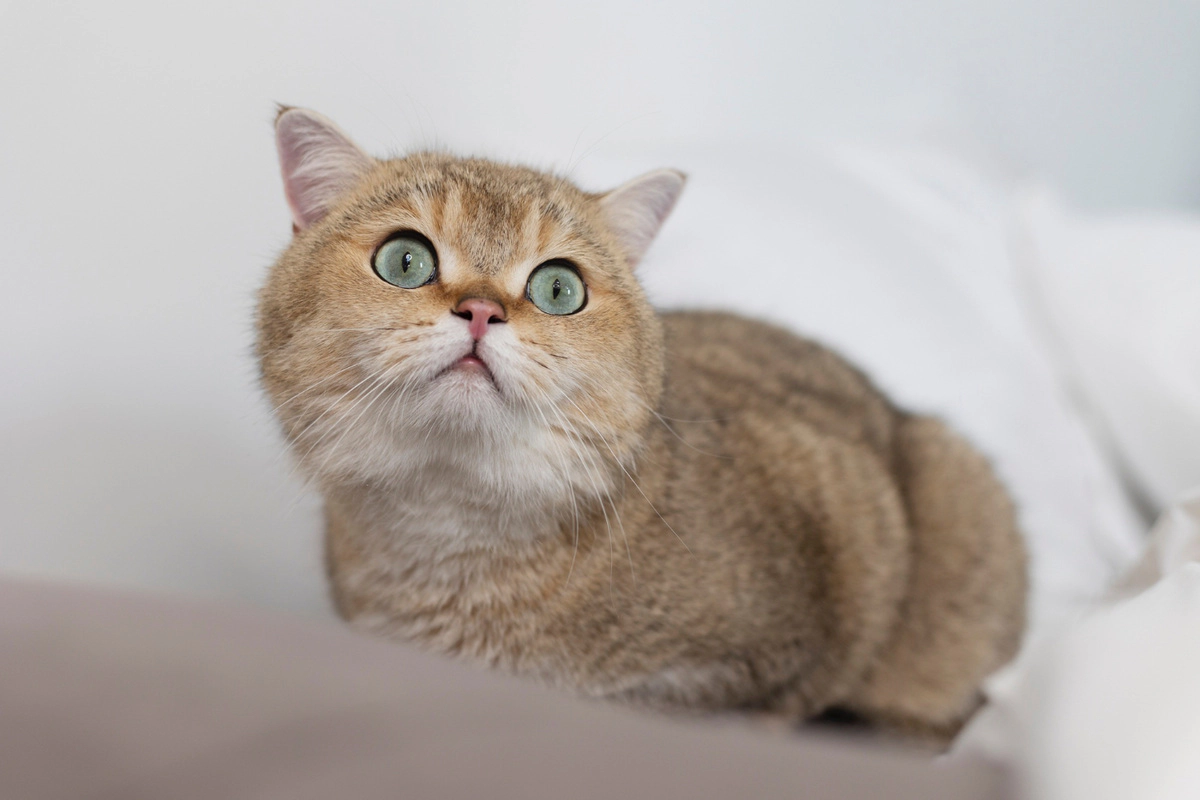
The British Shorthair breed is known as an intelligent and easily trainable breed. They have the ability to respond quickly to human commands. Learning simple commands is quite easy for them, and they generally respond positively to short training sessions. With a patient approach, they can easily learn basic commands. Using games and treats to attract their attention during the training process can make the learning process more enjoyable.
Due to their independent nature, they should not be pressured during training sessions. A loving approach is important. Observing the cat's mood and reactions during training is beneficial for a more effective training process. In this way, you can build a strong bond with your British Shorthair cat and develop better communication with it.
British Shorthair Kedisi Sahiplenirken Bilinmesi Gerekenler

Those considering adopting a British Shorthair cat are advised to know the following:
- With their calm and quiet nature, they can become ideal companions, especially for first-time cat owners.
- It can be said that they can live up to 20 years if their basic needs such as regular veterinary checkups and healthy nutrition are met. Therefore, we can reiterate the usual warning: those considering adopting a cat should be prepared for a long-term responsibility.
- They are moderately playful and curious. They love spending time with their family. They are strongly attached to their family and are known to have a social nature, although not excessively so.
- They can form bonds with people, but this bond is often in the form of calm companionship rather than an excessive demand for contact. They don't spend all day in laps demanding constant attention.
- Grooming at least once a week is sufficient. They are generally easy to care for.
- They are happy in a comfortable home environment, do not need large spaces, and can even live comfortably in small spaces.
- They can get along well with children who don't disturb them too much.
- They can be left alone for short periods and are the perfect housemate for those who embrace a quiet lifestyle.
- Although they love their independence, they need attention and, like all cats, nutrition tailored to their age, general health, and whether or not they have been neutered.
Frequently Asked Questions About British Shorthair Cats
In this section of our content, you can find answers to frequently asked questions from those who want to adopt a British Shorthair or who are already living with one.
Are British Shorthair cats intelligent?
Quite! They stand out with their problem-solving and advanced observation skills. While they can make tremendous progress in training, their generally independent nature can hinder the process. Indeed, British Shorthair cats are known to be an intelligent breed, but they can also act when they want to.
Can a British Shorthair cat live in an apartment?
Yes, compared to many other cat breeds, British Shorthairs are known for their calmness. They can quickly adapt to apartment life and become accustomed to their living space. However, like all cats, it is essential that they do not neglect their daily exercise in order to live a calm, happy, and peaceful life. This way, they can exhibit the tranquility that comes from being physically and mentally stimulated.
Do British Shorthair cats get along well with children?
One of the breed's prominent characteristics is their ability to get along with children. Their indoor harmony can be stronger when their space is respected and contact is not forced. Therefore, it is important for children to notice the cat's need to retreat.
How long do British Shorthair cats live?
It is known that British Shorthair cats can live 12-20 years if their care is not neglected, they go to regular veterinary check-ups, they get ideal exercise, and they are provided with a diet tailored to their needs.
British Shorthair kedileri hipoalerjenik midir?
No. British Shorthairs are not hypoallergenic. Therefore, it is possible for people with cat allergies to experience various symptoms. However, allergen levels can be minimized with regular brushing and proper nutrition.
Do British Shorthair cats shed a lot?
British Shorthair cats do not shed excessively. Brushing once a week is usually sufficient. They experience seasonal shedding in spring and autumn. Brushing more frequently during these periods is important to keep their fur healthy and reduce the amount of hair in the house. Brushing increases blood circulation in your cat's skin, contributing to its overall health. Regular brushing helps keep your cat's fur shiny and vibrant, while also strengthening your bond. Do British Shorthair cats bite? British Shorthair cats have a calm and friendly nature, so they rarely bite. Like any cat, they may bite when they feel threatened or disturbed. Making them feel comfortable and respecting their boundaries are effective ways to reduce the likelihood of biting. Are British Shorthair cats very expensive? It should be remembered that, like all pets, owning a British Shorthair has its own costs. Routine health checkups, high-quality food, necessary cat products for routine grooming, and regular vaccinations are all expenses that constantly add to the budget.
Does a British Shorthair cat bite?
British Shorthair cats have a calm and friendly nature, so they rarely bite. Like any cat, they may bite when they feel threatened or disturbed. Making them feel comfortable and respecting their boundaries are effective ways to reduce the likelihood of biting.
Are British Shorthair cats very expensive?
It should be remembered that, like all pets, owning a British Shorthair has its own costs. Routine health checkups, high-quality food, necessary cat products for routine grooming, and regular vaccinations are all expenses that constantly add to the budget.
Can a British Shorthair cat be kept as a pet at home?
The British Shorthair cat is one of the ideal cats for keeping as a pet at home. Known for its calm and adaptable nature, it is considered a perfect companion for people living in a home environment. Structurally strong and durable, it generally requires little maintenance. Thanks to its low energy levels, it is suitable for those living in small apartments or houses.
Kaynaklar:
https://www.thesprucepets.com/british-shorthair-5219450
https://cfa.org/breed/british-shorthair/
https://www.hillspet.com/cat-care/cat-breeds/british-shorthair
https://www.purina.co.uk/find-a-pet/cat-breeds/british-shorthair
https://www.dailypaws.com/cats-kittens/cat-breeds/british-shorthair
https://www.webmd.com/pets/cats/what-to-know-about-british-shorthair
https://www.petmd.com/cat/breeds/british-shorthair
https://vcahospitals.com/know-your-pet/kidney-disease-polycystic-kidney-disease-in-cats
Advertisement
Advertisement
Keep exploring
Continue reading

Cat Care
Is My Cat Coughing or Trying to Pass a Hairball?
Seeing your cat crouch down, stretching its neck, and trying to expel something with a strange sound can be unsettling.
Read guide →
Cat Care
York Chocolate Cat Characteristics, Care and Temperament
With its dark brown fur, watchful eyes, and observant demeanor, the York Chocolate is a cat that sparks curiosity at first sight.
Read guide →
Cat Care
Tiffanie Cat Characteristics, Care and Temperament
Silky fur, on its neck With its frilly mane and large, curious eyes, the Tiffanie cat immediately catches the eye.
Read guide →
Cat Care
Snowshoe Cat Characteristics, Character and Care
The Snowshoe cat is a unique breed developed by the controlled mating of Siamese cats and American Shorthair cats.
Read guide →