Budgie Breeds and Care Tips
While some birds are more docile and easily trained, others stand out with their lively and playful nature. Some offer a visual feast with their bright colors, while others give a more natural impression, closer to nature.
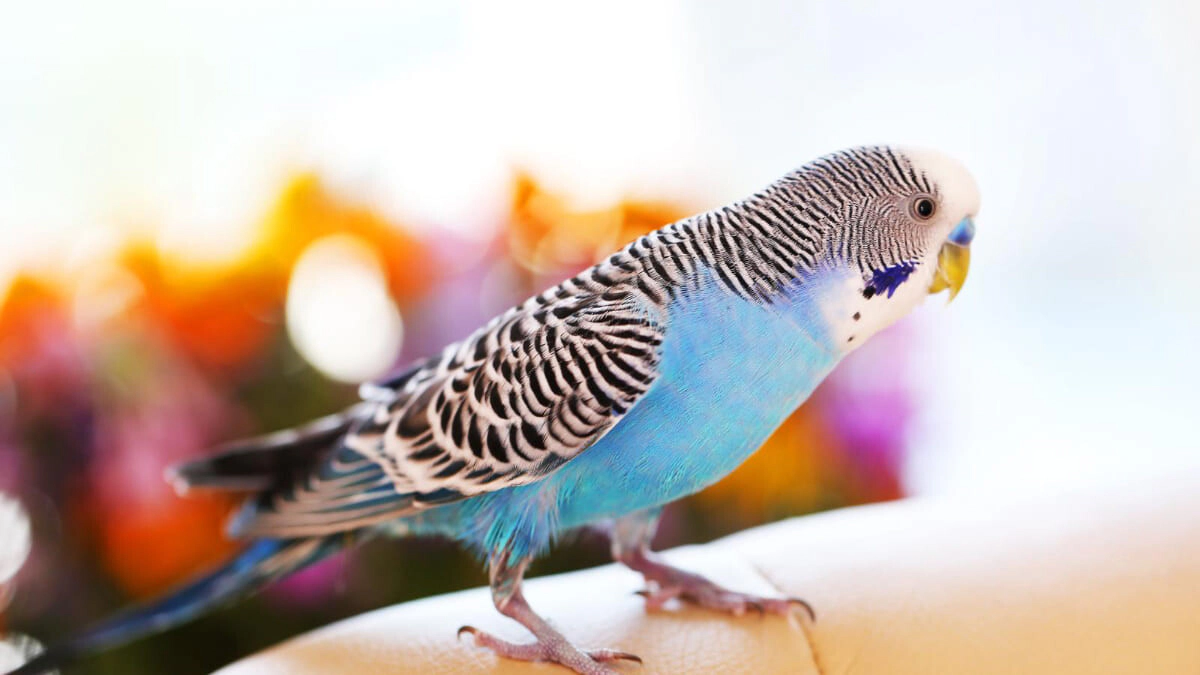
Advertisement
While some birds are more docile and easily trained, others stand out with their lively and playful nature. Some offer a visual feast with their bright colors, while others give a more natural impression, closer to nature. That's exactly why learning the right information about budgie characteristics helps you build a healthy bond with your bird and improve its quality of life.
In this article, you will find detailed information about different budgie species and their care. We will cover all aspects of the subject, from color mutations to characteristic features, from care tips to the selection process. If you're ready, let's take flight into the details. .
Warning: This content is prepared for general information purposes only regarding budgie breeds and care. If you notice loss of appetite, lethargy, sudden changes in feathers, difficulty breathing, changes in stool, or unusual behavior in your bird, it is recommended to consult a veterinarian.
The Origin and History of Budgies

The scientific name of budgies is "Melopsittacus undulatus". This name, of Latin origin, is derived from the words “melos,” meaning song, “psittacus,” meaning parrot, and “undulatus,” meaning wavy line. This bird species is known for its melodic song and the wavy patterns in its feathers. Native to Australia, these colorful birds were first brought to Europe in the 1800s, and different color and type variations were developed through selective breeding, especially in England.
These tiny wanderers, which are mostly found in shades of green in nature, have been transformed into a color palette by human hands.
How to Identify Budgie Breeds?

When distinguishing budgie breeds, it is not enough to look at a single characteristic. Size, feather structure, color, pattern, and behavior should be evaluated together. Natural type budgies of Australian origin are known for their smaller and more agile structure. English or show budgies are distinguished by their larger bodies, bigger heads, and fluffy feathers. Color is also a distinguishing clue. Natural budgies often feature a green body, yellow face, and black wing stripes. Colors like blue, white, yellow, gray, opal, spangle, and rainbow are variations in color and pattern seen in pet budgies. Therefore, it is not correct to interpret color alone as a breed determinant. Behavioral characteristics can also provide insight during the selection process. Larger show budgies often exhibit a calmer temperament. Standard types and agile birds, on the other hand, may be more active, playful, and exploratory. However, each bird's character can vary depending on its age, level of socialization, care conditions, and the bond it forms with humans.
Color is also one of the distinguishing clues. In natural budgies, a green body, yellow face, and black wing stripes stand out. Blue, white, yellow, gray, opal, spangle, and rainbow are variations in color and pattern seen in pet budgies. Therefore, it is not correct to interpret color alone as a breed determinant.
Behavioral characteristics can also provide insight into the selection process. Larger show-type budgies often exhibit a calmer temperament. Standard types and agile birds, on the other hand, may be more active, playful, and open to exploration. However, each bird's character can vary depending on its age, level of socialization, care conditions, and the bond it forms with humans.
Things to Consider When Caring for a Budgie
Regular checks are important when sharing your home with these colorful birds. You should establish routines for daily, weekly, and monthly care, including cleaning, feeding, behavior, and mood checks. We have compiled a basic list of the most important checks you should perform regularly. Be sure to note them down.
Daily care checklist:
- Has fresh water been provided and weekly cleaning been done?
- Has the food bowl been checked? Have the husks been removed?
- Does its general condition (appetite, movements, singing) appear normal?
- Does the droppings look normal?
- Has social interaction taken place for at least 20-30 minutes?
- Is the room temperature between 21-25°C?
- Is there a risk of the cage being caught between two winds?
Weekly maintenance checklist:
- Has the cage floor been cleaned?
- Have the perches been wiped down?
- Have the feeders and waterers been washed with hot water?
- Have the toys been checked?
- Has fresh vegetable or fruit supplementation been given?
- Has the mineral block or cuttlefish bone been checked?
Monthly maintenance checklist:
- Has the cage been thoroughly disinfected?
- Has nail length been checked?
- Do the beak and cere (top of the nose) appear healthy?
- Has there been any change in weight?
- Are there any sudden feather loss or balding areas?
Feeding Routines for Budgies
Despite their small bodies, they have high energy and a very fast metabolism. One bowl of food per day in their cage will not be enough for your budgie. Instead, creating a balanced, varied, and controlled feeding plan will reveal the secret to shiny feathers, a strong immune system, and a healthy, long life.
The main food source for budgies is quality seeds. Their feed should be a mixture of quality seeds such as white millet, yellow millet, red millet, oats, and niger seed (in measured amounts). However, it should be noted that mixtures heavy in oily seeds can lead to obesity and liver problems. It is beneficial to look at foods with balanced and original ingredients for your budgie.
Their feeding should be supplemented with fresh vegetables (carrots, broccoli, cucumbers) and greens (spinach, lettuce, etc.) that have been thoroughly washed and cut into small pieces a few times a week. In addition, giving them fruits such as seedless apples, pears, and small amounts of bananas 1-2 times a week is sufficient. If you cannot provide fresh fruits and vegetables, you can opt for crackers and treats from reliable brands.
Your budgie's diet should definitely include foods that provide supplemental minerals and calcium. This support, which they can obtain from foods like cuttlefish bone and mineral blocks, is especially important for female birds during their egg-laying period. If you are considering giving vitamin supplements, we recommend that you create a plan in accordance with your veterinarian's recommendations. Please remember that unnecessary and regular vitamin use can harm your budgie's liver.
In addition, water consumption should be kept under control. Dirty water in your budgie's water bowl can cause digestive problems and infection. Therefore, you should change the water bowl with fresh water every day and wash it with hot water at least a few times a week.
It would also be beneficial to pay attention to foods that are toxic to budgies. You can protect your budgie's health by keeping it away from salty and processed foods, onions, garlic, chocolate, avocados, caffeinated and alcoholic beverages.
Budgie Training and Social Needs

Physical care alone is not enough for budgies to have a healthy life. Behavioral enrichment is also highly recommended. They generally have a very social and affectionate nature. Therefore, they need to be kept away from situations that will cause them stress, and their social needs should be met regularly. Let's look at what to pay attention to for behavioral enrichment, that is, training your budgie:
- Short social interactions should be provided every day.
- Approach with a gentle tone of voice and reinforce positive behavior with rewards.
- Especially in the morning hours, talk to them and train them about their name.
- They should not be left alone for long periods to avoid stress.
For budgies living alone in cages, the time they spend with us is very valuable. Therefore, it is necessary to act by considering your budgie's social needs. When social needs are not met, it is very likely to see behavioral problems.
Which Budgies Are Suitable for Whom?
The information in this section should be considered a general selection guide. Each bird's character is shaped by its environment, level of socialization, and daily care routine.
For many people who want to own a pet, budgies are among the first choices. Thanks to their colorful feathers, lively personalities, and affectionate nature, it is not difficult for them to become part of the family in a short time. However, like all pets, it is necessary to know about different budgie breeds before adopting a budgie.
Because each species has different character, color patterns, and care requirements. Let's take a look at the different types of budgies and what kind of life they are suitable for.
Light Green Budgies
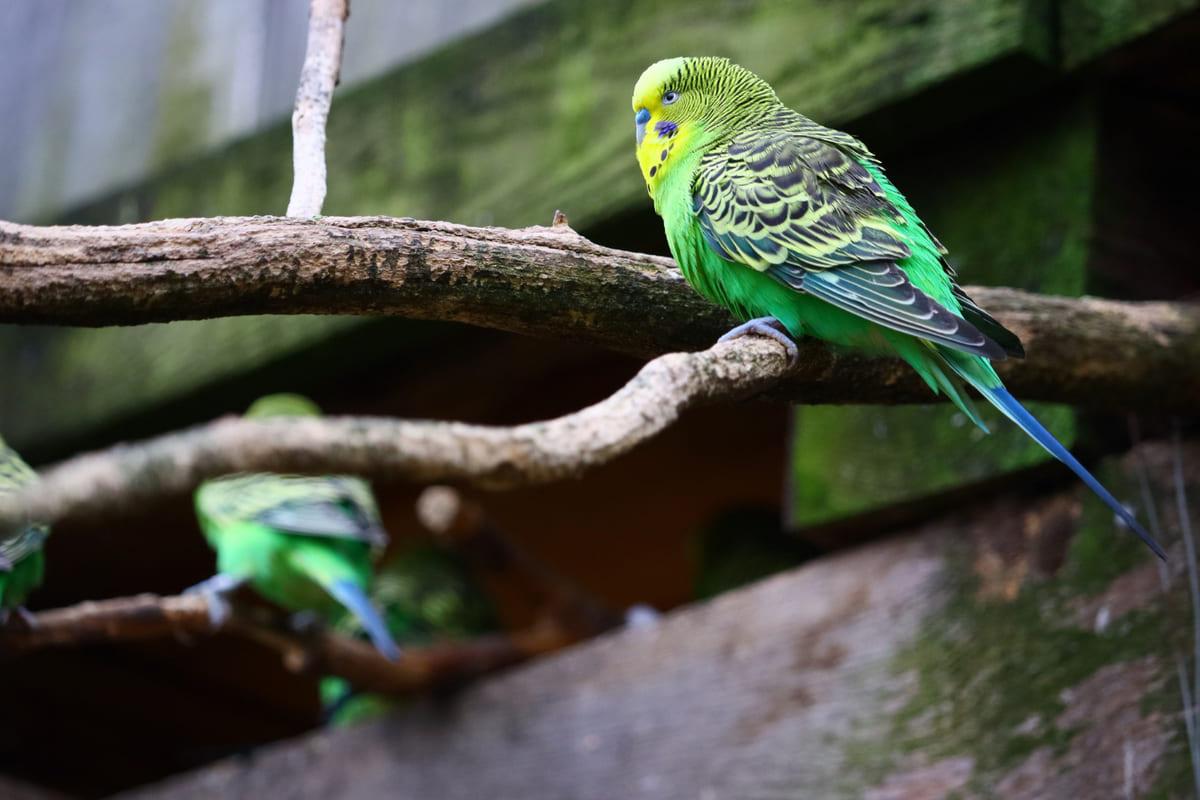
Light green budgies are the most classic and well-known type of budgie. Their natural habitat is Australia. Recognized by their bright green body, yellow face, and black wing stripes, these birds reflect the pure beauty of nature.
This species is considered ideal, especially for novice pet owners. They generally have strong immunity. With their active, energetic, and social nature, they make a pleasant companion for both children and adults.
Albino Budgies

Albino budgies are one of the most striking types of budgies with their elegant appearance. They are known for their completely white feathers and red eyes. This unique appearance results from a genetic mutation. Birds with the albino gene cannot produce melanin, the substance responsible for feather pigments. Therefore, their feathers are pure white, while their eyes are red or pink.
Albino budgies adapt easily to humans in a home environment. However, they are more sensitive to light. Due to their red eyes, they may experience eye discomfort under bright light. Therefore, dimmer and shaded areas should be preferred in budgie cage placement.
The most important point to consider in birds carrying the albino mutation is that they may be slightly more sensitive than other species due to their genetic differences. Therefore, both balanced nutrition and suitable environmental conditions should be provided during the care process.
Lutino Budgies

Lutino budgies are a striking color mutation known for their vibrant yellow feathers and red eyes. As highlighted in The Spruce Pets source, these birds, which are the yellow pigment-dominant version of the albino type, are among the favorites of budgie enthusiasts thanks to their bright appearance.
In terms of character, lutino budgies are very warm-hearted and social creatures. They can form strong bonds with their owners and, with their trainable nature, can easily learn words. However, due to their sensitive eye structure, they need to be protected from direct sunlight. Nevertheless, with a balanced diet and a clean living space, they can live healthily for many years.
Czechoslovak (Czech) Budgerigars
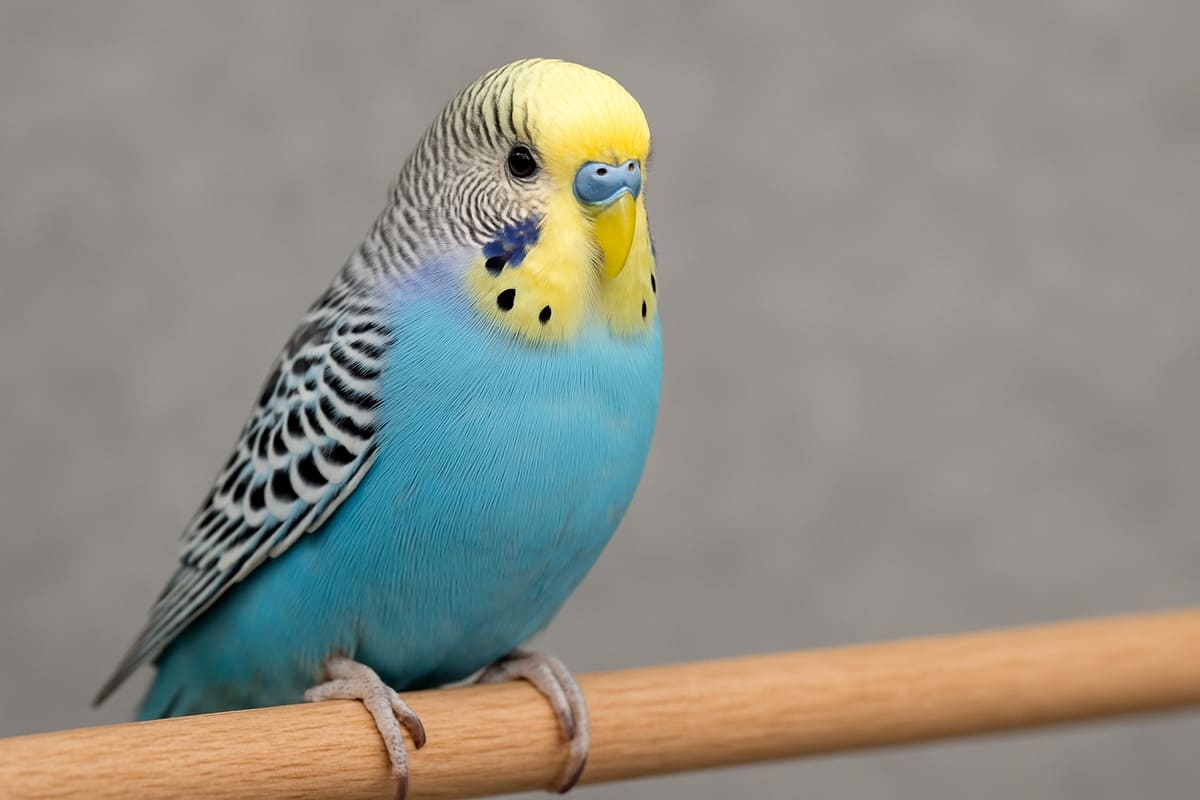
The term “Czechoslovak” is not a scientific classification. These species, commonly known as “Czech budgerigars,” are actually popular variants of standard-sized pet budgerigars. They have bright colors and are relatively small in size. Thanks to their energetic and playful nature, they are particularly preferred by families with children.
Characteristics of Czech budgerigars include their fast movements, agile structure, and energetic personalities. Because of these characteristics, it is recommended to have more bird toys in the cage and to expand their movement area.
Wild (Forest) Budgerigars
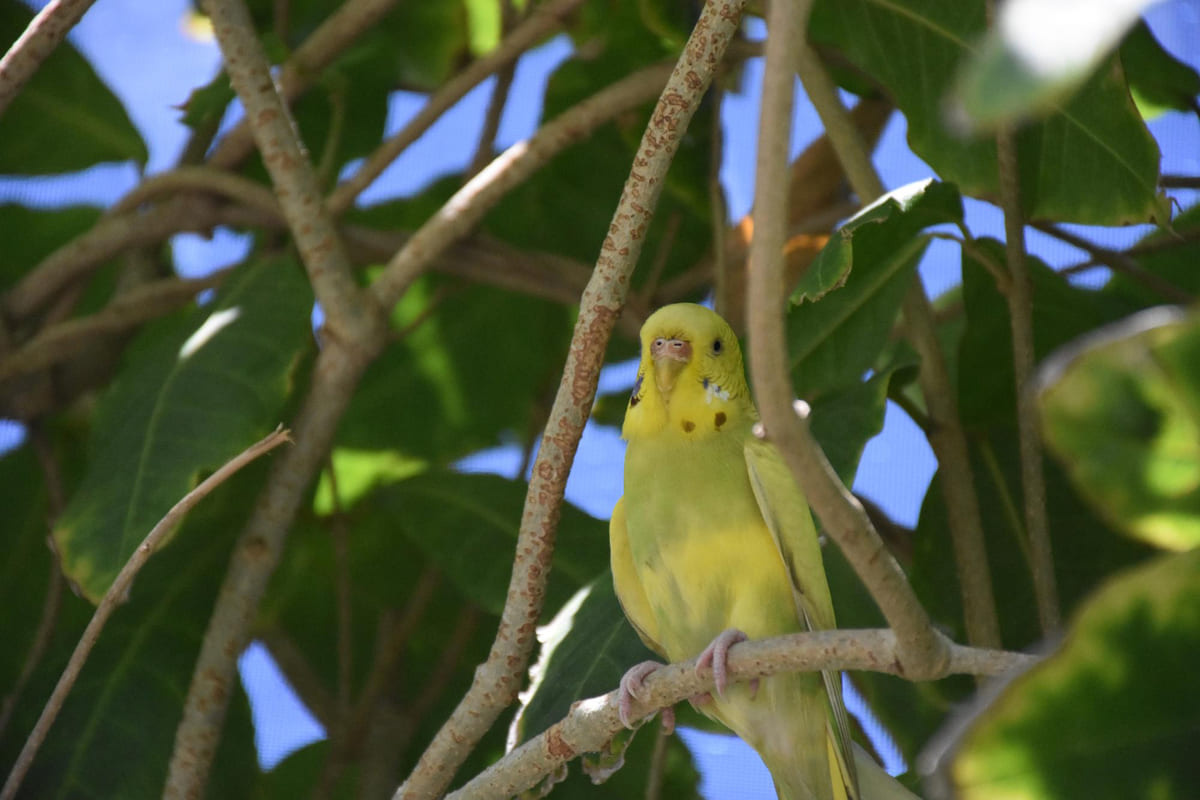
Wild budgerigars, or the wild form of Melopsittacus undulatus, are a species that lives in flocks in the arid regions of Australia. These birds generally have bright green plumage, black stripes on their wings, and yellow faces. They are easily distinguished from domesticated species thanks to their natural appearance.
Because these birds live in flocks, they have a very social structure. In the wild, they can travel long flight distances. Therefore, when they are brought into a home environment, they should be provided with large cages and regular flight opportunities so that they can expend their energy.
Wild budgerigars are an important part of the natural ecosystem. Thanks to their flock communication, migratory habits, and adaptation to the environment, they maintain the balance in nature. When brought into a domestic environment, this strong social structure makes them amenable to training and bonding with their owners.
English-Dutch (Show Jumbo) Budgerigars
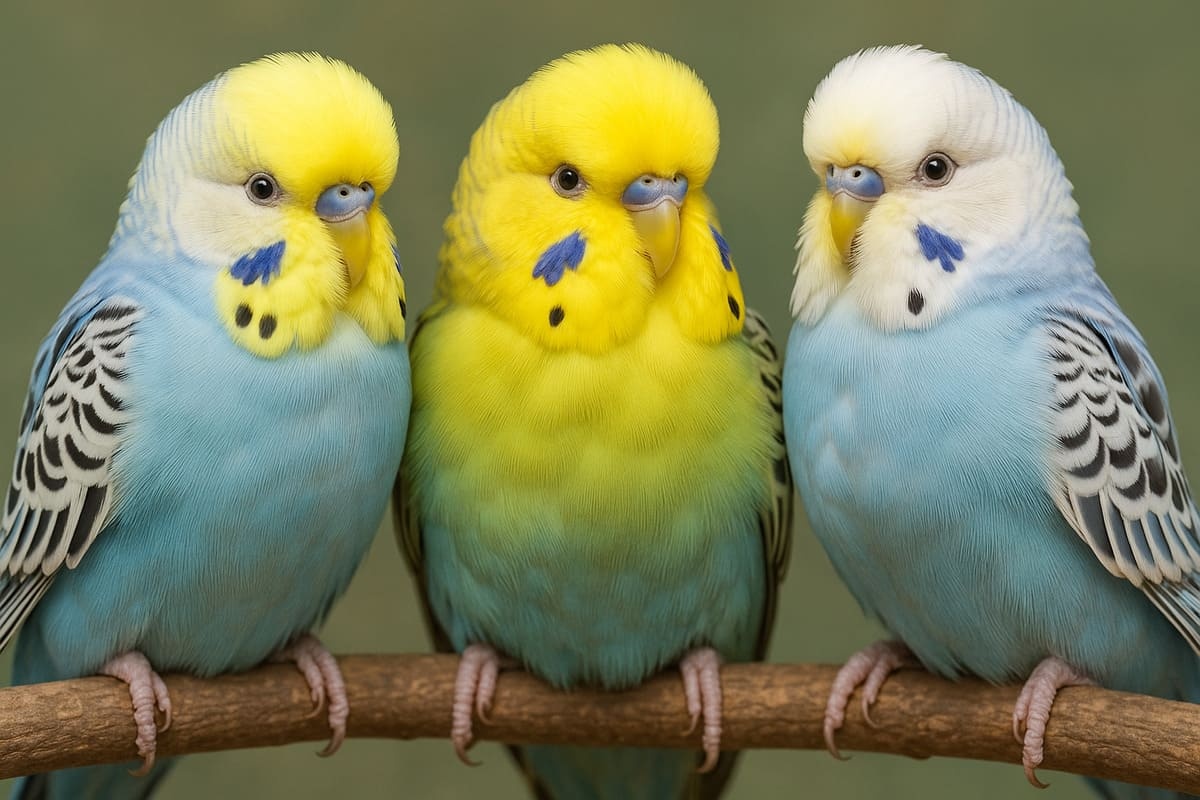
English budgerigars and Dutch budgerigars, which share similar characteristics, are breeds specifically raised for competition and exhibition purposes. These birds are larger than standard budgerigars. Their heads are larger, and their feathers are fluffier and more showy. For this reason, they are sometimes called Show Jumbo budgerigars.
English budgerigars stand out with their calm nature and potential to form strong bonds with humans. Thanks to their less active nature, they can be easily kept in a home environment. The Dutch type, while having similar characteristics to English birds, may be physically a little more elegant.
Show class budgies are especially preferred by breeders to be showcased in exhibitions and competitions. Both their size and feather structure make them among the most visually striking budgie varieties.
Jumbo Budgies

Jumbo budgies are not a separate genetic mutation. Known for their large size and showy appearance, these birds actually belong to the English or show class. Their large size distinguishes them from other standard birds, but genetically they do not belong to a separate mutation class.
Calmness is prominent among the character traits of Jumbo budgies. Because this breed is not very active, it can be easily kept in a home environment. Their trainability and close bonding with humans make them popular among pet budgies.
Spangle Budgies

Spangle budgies are one of the most aesthetically pleasing breeds, known for their unique feather patterns. In these birds, the black stripes on the wings are often replaced with lighter tones, creating a "shimmering" appearance in the feathers. This is why they are called Spangle, meaning "shimmering".
Spangle mutations can be single-factor or double-factor. Single-factor spangle birds have light-colored patterns on the wings, while in double-factor ones, almost all the feathers can turn light-colored. The spangle mutation is quite popular among breeders because both the color transitions and the variety of patterns give these birds a visual appeal.
Opaline Budgies

Opaline budgies are known for their distinctive patterns on their backs and wings. In this breed, the wing stripes appear softer and more scattered, while the patterns on the back disappear, creating a single-color structure. This feature gives them an elegant and striking appearance. The color distribution in the head area is also more homogeneous, which is one of the most noticeable differences that distinguishes them from other breeds.
Social and affectionate, opaline budgies can easily communicate with their owners and can be quite active in a home environment thanks to their playful nature. They are also known for their aptitude for learning words when their training process is patiently supported.
As stated in the Omelette US source, the opaline mutation is one of the most common color mutations in budgies. This makes them popular among both hobbyist bird keepers and professional breeders. Greywing Budgies According to the BSCA, the story of Greywing budgies began in the early 1920s with the appearance of the first Greywing greens, known as "Jade," "May," or "Apple." In 1928, the first Greywing Skyblue (Pearl) exhibited by Mr. Hedges was a major turning point. In the 1930s, breeders laid the foundation for today's "perfect Greywing" standard by obtaining Greywings with much more intense body color. The body colors of these birds are vibrant and full intensity. Their faces and foreheads are yellow in the green series and white in the blue series; the yellow face series stands out as a special exception.
According to the

BSCA, the story of Graywing budgies began in the early 1920s with the appearance of the first Graywing greens, known as "Jade," "May," or "Apple." In 1928, Mr. The first Greywing Skyblue (Pearl) exhibited by Hedges was a major milestone.
In the 1930s, breeders laid the foundation for today's "perfect Greywing" standard by producing Greywings with much more intense body color. These birds have vibrant, full-bodied body colors. Their faces and foreheads are yellow in the green series and white in the blue series; the yellow face series stands out as a special exception.
Rainbow Budgies

Rainbow budgies are quite similar in appearance to standard budgies. The most noticeable difference between them is their feather colors. Their feathers contain pastel shades of more than one color at the same time. This gives them a softer and more elegant appearance.
Rainbow budgies are not a mutation in themselves. It is a color combination obtained by combining different mutations such as opaline, yellowface, and clearwing. Therefore, it is considered a special color variation, not a separate genetic species.
They are social, playful, and close to humans. They like to live in pairs or with a mate. Although they can live up to 15 years with good care, balanced nutrition, and the right living conditions, their average lifespan is generally between 5–10 years.
The sex of male and female rainbow budgies is usually determined by the part above the nose called the cere. Young females have a pearly white cere with blue edges, while young males have this area in pink-purple tones on a pearly white background. In adulthood, the cere of females turns brown, and the cere of males turns dark blue.
Sky Blue Budgies

Sky blue budgies get their name from their bright and vibrant blue tones. This breed is a mutation in which light blue is dominant on the body, while white or yellow tones are usually seen on the face. It is known as a genetically blue variation of natural green budgies.
Sky blue budgies are notable for their energetic, social, and playful nature. They are suitable for keeping both individually and in pairs. Thanks to their trainability, they can easily learn words and form strong bonds with their owners.
Pakistani Budgies

The term "Pakistani budgie" is not a scientifically defined species. It is a name given to local breeding lines. They can be physically large, but genetically they are quite close to English or Jumbo types.
The most striking aspect of these birds is the combination of their large physique and calm temperament. Pakistani budgies are generally less active and more docile. These characteristics make them one of the preferred types both in home environments and in breeding. Due to their large size, they can consume more bird food and require larger cage dimensions than standard species.
|
Species |
Renkler |
Characteristics |
Care Tips |
|
Light Green Budgies |
Bright green body, yellow face, and black wing stripes. |
Live and energetic nature. Open to social interaction. |
Daily flight and social interaction should not be neglected. Suitable for beginners, but requires regular attention. |
|
Albino Budgies |
White feathers and red/pink eyes. |
More sensitive to light. The cage should be placed in dimly lit and shaded areas. |
Should be protected from bright light and direct sunlight. Eye sensitivity and feather appearance should be regularly monitored. |
|
Lutino Budgies |
Bright yellow feathers and red eyes. |
Warm-hearted and social behavior. Ability to learn words. Affected by direct sunlight. |
Due to sensitive eye structure, direct sunlight should be avoided. A clean cage and a balanced feeding routine should be maintained. |
|
Czechoslovakian (Czech) Budgerigars |
Brightly colored body. |
Energetic, agile, and playful. |
Toys, different perches, and a safe area for movement should be provided in the cage. Daily energy needs should be taken into consideration. |
|
Wild/Forest Budgerigars |
Bright green body, black-striped wings, and yellow face. |
Open to social interaction. Since they cover long flight distances in their natural environment, spacious cages and regular flight opportunities should be provided. |
Spacious cages and safe room flights should be planned. Stressful behaviors may be observed if social needs are not met. |
|
English - Dutch (Show Jumbo) Budgies |
Larger build, large head, fluffy and showy feathers. |
Breed for competition and exhibition purposes. Can stand out with its calm nature. |
Spacious cages should be preferred due to their large size. Activity level, weight and feather care should be regularly observed. |
|
Jumbo Budgies |
Large and showy. |
They are notable for their calmness. They are trainable and open to social interaction with people. |
Although they are calmer in nature, their exercise needs should not be ignored. Weight control and balanced feed consumption should be monitored. |
|
Spangle Budgies |
In single-factor Spangle mutations, light-colored patterns are found on the wings, while in double-factor mutations, almost all of the feathers can turn light-colored. |
They have high visual appeal. They are quite popular among breeders. |
Their care needs are similar to general budgies. If sudden dulling or shedding of feathers is noticed, a veterinarian should be consulted. |
|
Opaline Budgies |
Their wing lines are soft and scattered. Their most distinctive feature is the homogeneous color distribution in the head area. |
Social and affectionate nature. Social and adept at learning words with their communication skills. |
Due to their playful nature, regular attention, short training sessions, and environmental enrichment are beneficial. |
|
Greywing Budgies |
Bright and fully colored body. Their faces and foreheads are yellow in the green series and white in the blue series. |
The yellow face series is a special exception. |
Color and feather appearance should be monitored regularly. Veterinary consultation should be sought in case of sudden feather loss, lethargy, or changes in appetite. |
|
Rainbow Budgies |
Their feathers are pastel in various shades. |
Social, playful, and open to social interaction with people. |
They should not be left alone for long periods. Social interaction, toys, and a regular grooming routine should be encouraged. |
|
Sky Blue Budgies |
Their bodies are bright blue, and their faces are white and yellow. |
Energetic, social, and playful. |
A safe flight area and daily attention should be provided. Due to their active nature, enriching the cage is important. |
|
Pakistani Budgerigars |
Can be seen in blue, green, yellow, white, and mottled colors. |
Large in build and calm temperament. Docile and open to social interaction. |
Due to their large size, cage size and feed consumption should be planned more carefully. Weight gain and inactivity should be monitored. |
Budgie Living Space and Cage Selection

Choosing the right living space for your budgie is critically important for its healthy and happy life. You can provide it with a happy life by creating the most suitable environment for its species with the right equipment:
- Choosing the right cage size.
- Determining the living space where it will be happy.
- Placing perches of different diameters, toys, and enriching accessories in its cage.
- Ensuring the cleanliness and proper placement of the food and water bowls.
Let's not overlook a few important points to consider when placing your budgie in its cage in the correct living space – apart from your budgie's specific needs:
- The cage should be positioned close to the living area.
- A draft-free location should be chosen.
- It should be kept away from kitchen steam or cigarette smoke.
- A location away from noise and stress should be chosen.
The most important criterion to consider when choosing a cage is that it should be wide enough for your bird to flap its wings and narrow enough (usually <1cm) so that its head cannot pass through. There should be at least one perch inside the cage so that it can observe its surroundings and also rest. It's also a good idea to make sure the cage has enough space for the toys you'll add inside.
The larger the cage, the happier your budgie will be. As the flight area increases, it will be able to meet its exercise needs, thus maintaining its overall health. If you are keeping a pair of birds, you must ensure that the cage you choose is large enough for both of them.
Breed and body structure should be considered when choosing a cage. For larger budgies, such as British, Jumbo, Show Jumbo, and Pakistani, cages that are larger than standard sizes and allow for flapping wings and comfortable movement should be preferred. For more active standard types, safe room flights, toys, and perches of different thicknesses support their daily exercise needs.
Veterinary Warnings and General Health Tips
If we want to keep a budgie at home, we need to take responsibility for its general health and social needs. Therefore, it is critically important to monitor possible disease symptoms and start treatment with early diagnosis in order to provide them with a healthy life. Veterinarians share that early diagnosis greatly increases the success rate in treating diseases. Therefore, you should learn the disease symptoms and be prepared for the necessary precautions.
We would like to draw your attention to the fact that birds can hide disease symptoms. Therefore, paying attention to routine veterinary check-ups and sudden behavioral changes is vital.
Budgie Disease Symptoms and Prevention

The key to noticing disease symptoms early is; Maintaining close communication with your budgie and constantly observing its behavior and overall health is crucial. Let's examine the points you should pay attention to in the table below.
| OBSERVABLE SYMPTOMS | RESPIRATORY SYMPTOMS | DIGESTIVE AND FECES SYMPTOMS |
|---|---|---|
|
Constantly ruffled feathers |
Wheezing |
Diarrhea |
|
Halsizlik veya daha az hareketlilik |
Difficulty breathing |
Sudden change in stool color Changes |
|
Loss of appetite |
Runny nose |
|
|
Uykulu hal |
Swelling in the eyes or nose |
|
|
Constant feather grooming |
To prevent illness, you should ensure your budgie's cage is always clean and dry. You should implement a proper and balanced feeding plan for its nutritional needs and pay attention to the cleanliness of its water bowl. It is also beneficial to ensure that its cage is located away from wind or smoke from the kitchen. If you observe any suspicious symptoms, you should definitely consult a veterinarian.
Frequently Asked Questions
What is a budgie?
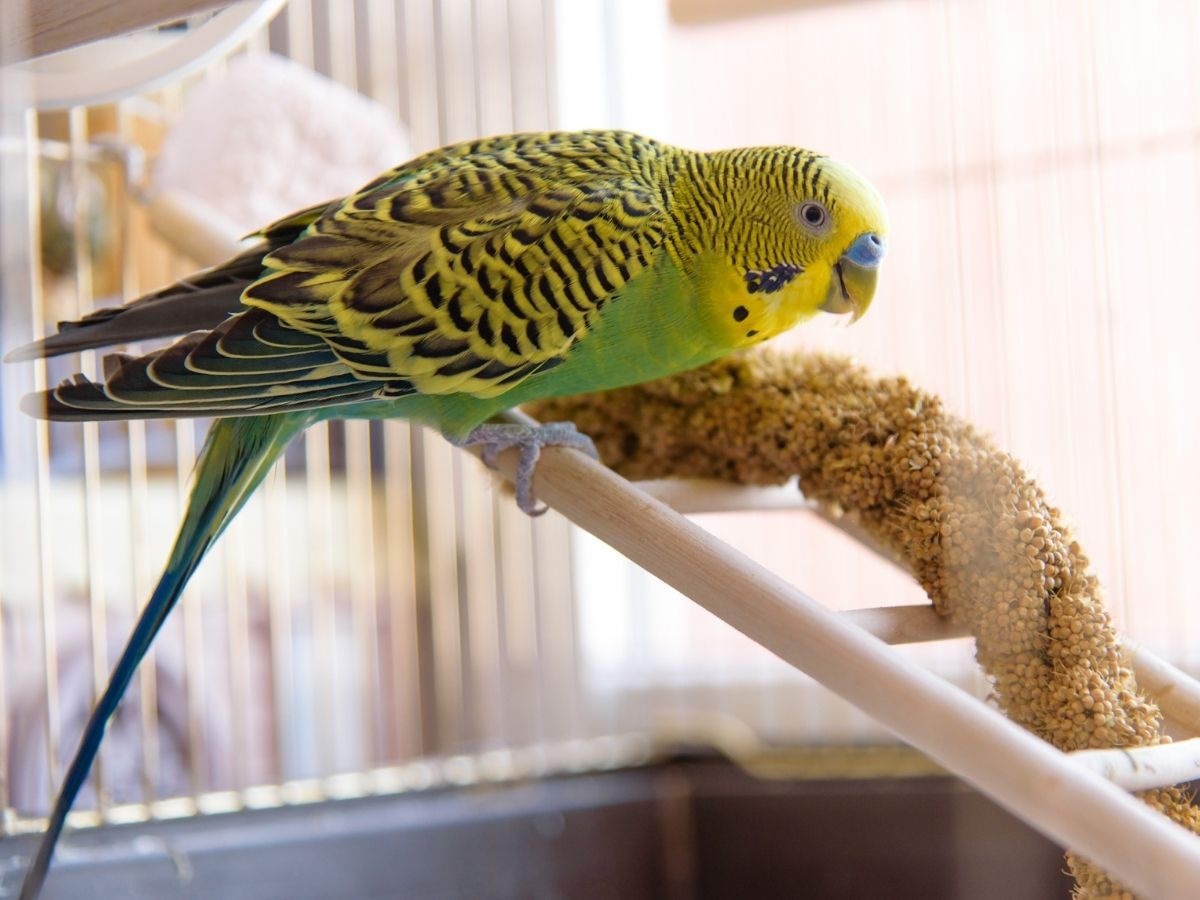
The budgie (Melopsittacus undulatus) is a small parrot species; it is known as a social, vocal, and intelligent pet bird.
Are budgie breed and sex the same thing?
No. Budgie breed relates to the type of bird, color variation, or breeding line. Sex refers to distinguishing between male and female. To get an idea of sex, one usually looks at the color of the cere area above the beak. However, age, color mutation, breeding period, and health status can affect this assessment.
What are the most popular budgie breeds?
Among budgies, standard (Czech), English type, and Jumbo breeding lines are known as popular breeds.
How to care for a budgie?
Basic care recommendations for your budgie include ensuring access to clean and fresh water at all times, providing quality and correct food, cage hygiene, social interaction, and a safe environment.
What kind of food should budgies be fed?
Feeding consisting of quality seed mixes, fresh vegetables, and controlled amounts of fruit is recommended. Additional foods rich in minerals and calcium should also be considered.
What is the average lifespan of budgies?
Their average lifespan is between 8-12 years. It may be possible to extend this period by providing healthy living conditions.
Can budgies be left alone at home?
Although we can say that they are resistant to short periods of being left alone, it is very likely that they will experience stress if they are left alone for a long time due to their social needs.
What are the common health problems in budgies?
The most common health problems in budgies include respiratory problems, digestive changes, irregular molting, and loss of appetite.
How should a budgie cage be chosen?
By calculating your budgie's wingspan, you should choose a cage wide enough for it to flap its wings comfortably. Also, attention should be paid to the safety of equipment such as perches, water dispensers, toys, and accessories inside.
How to train budgies?
Approaching budgies with kindness is the first step in training. You can achieve high success during training with rewards and a little patience. By creating short but frequently repeated routines, you can reinforce behavior.
What should be considered when buying a budgie?
Health status, shiny feathers, active behavior, a clean nose and eyes are criteria to consider when buying a budgie.
Are budgies social animals?
Yes, budgies are social animals. Because of their social nature, they need both human interaction and a partner of the same species.
What should be done when a budgie gets sick?
As soon as you observe symptoms of illness, you should contact your veterinarian and act quickly for early diagnosis. Eliminating factors that cause acute stress during this process will speed up treatment.
Kaynaklar:
https://www.omlet.co.uk/guide/budgies/varieties_and_types/varieties/
https://www.petmd.com/bird/care/budgerigar-facts-what-to-know-about-budgerigar
https://www.thesprucepets.com/facts-about-budgies-390923
https://bcsa.com.au/budgie-breeds/
https://www.webmd.com/pets/what-to-know-about-parakeets
https://avonturia.com/parakeet-species/
https://articles.hepper.com/types-of-parakeets/
https://www.thesprucepets.com/are-there-different-types-of-parakeets-390498
https://www.omlet.us/guide/parakeets/varieties_and_types/colors/
https://www.wildlifetrusts.org/wildlife-explorer/birds/parakeet/ring-necked-parakeet
https://articles.hepper.com/lorikeet-vs-parakeet/
https://bcsa.com.au/varieties/greywing-budgerigar/
Advertisement
Advertisement
Keep exploring
Continue reading
Bird Care
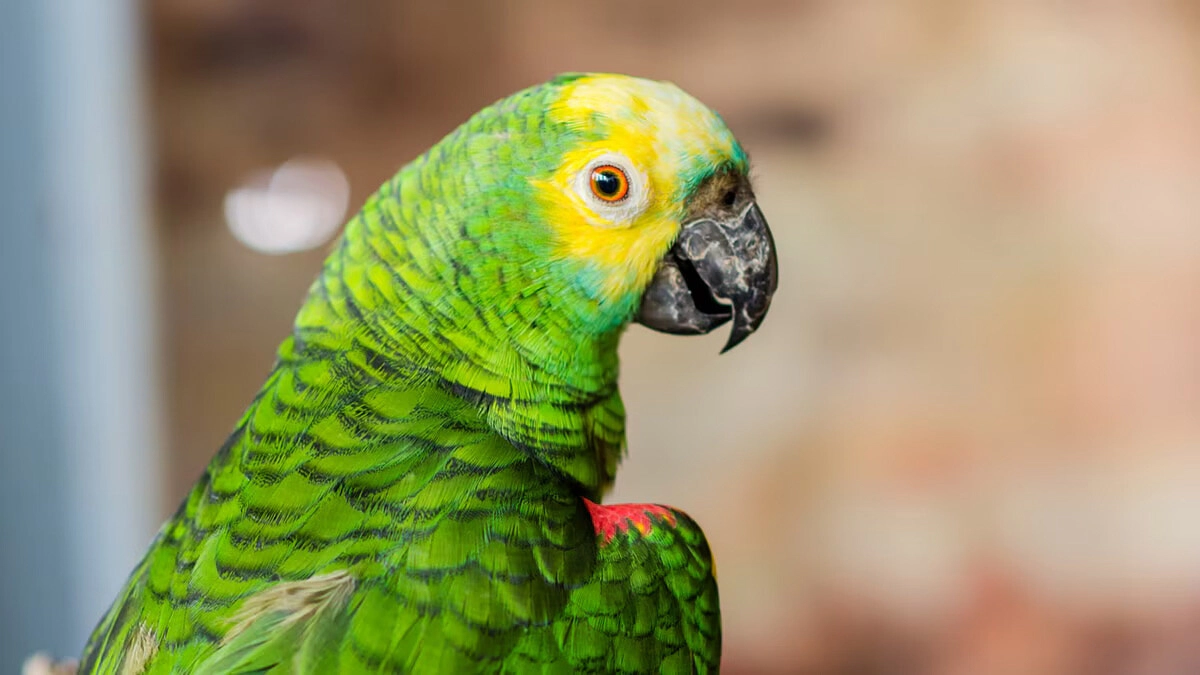
Comprehensive Guide to Amazon Parrot Care, Feeding and Training
Caring for an Amazon Parrot isn't as simple as putting food in the cage, keeping an eye on the water, and getting through the day.
Read guide →
Bird Care
Things to Consider When Choosing Bird Food
As stated in PetMD, a significant portion of errors in bird nutrition stem from not selecting feed according to the species and needs.
Read guide →
Bird Care
Canary Characteristics, Care and Feeding
If you want a cheerful, loving, and lively energy in your home, canaries can start a wonderful change in your life.
Read guide →
Bird Care
Common Misconceptions About Bird Care: Debunking Myths with Scientific Facts
We can only understand how sensitive and special pet birds are when we own them. The chirping of a budgie or the affectionate gaze of a parrot gives…
Read guide →