Budgie Diseases and Treatments at Home
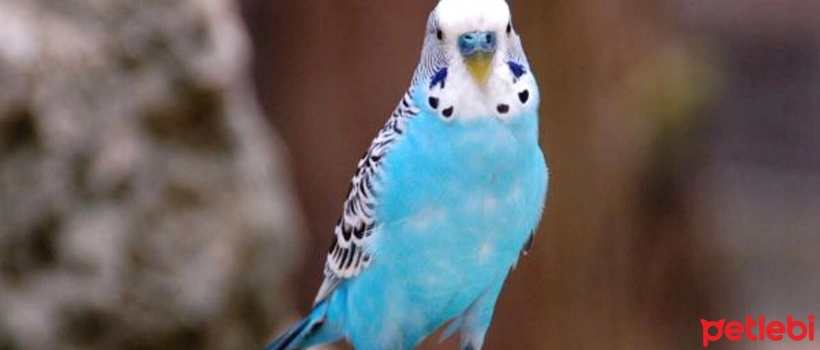
With their brightly colored feathers, cheerful demeanor, and talkativeness, budgies are one of the most common birds found in homes. There are many reasons why these seed-feeding birds are so frequently seen in homes.
Advertisement
With their brightly colored feathers, cheerful demeanor, and talkativeness, budgies are one of the most common birds found in homes. There are many reasons why these seed-feeding birds are so frequently seen in homes. Their care is relatively easy, their ability to imitate human voices makes it easy to bond with them, and their high energy adds life to the home. Of course, their ability to live in cages and their portability are also significant advantages for those who don't want to be separated from their pets.
Extremely friendly, budgies can become the happiest and most cheerful members of the family when properly cared for. Regular veterinary check-ups are an important requirement for maintaining and preserving the health of budgies. Therefore, it is important to be aware of the symptoms a sick bird may exhibit and the diseases it may potentially contract. In this article, you can find important information about budgie health and discover the answers to the question, "How to treat a sick budgie at home?".
1. Common Health Problems in Budgies
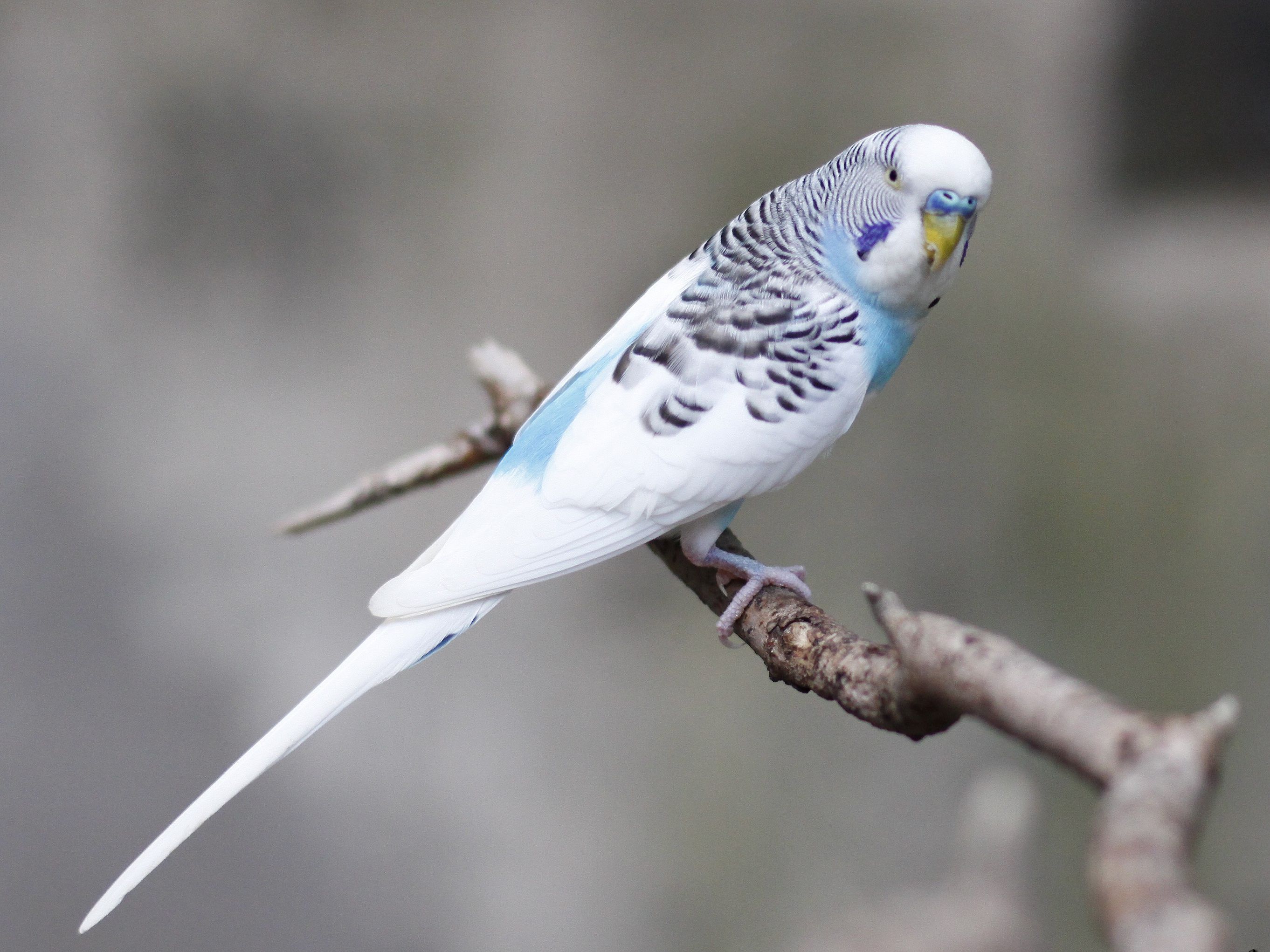
Budgies are generally considered to be among the most resilient birds, provided they have a healthy diet, routine check-ups, and ideal exercise and interaction with humans. However, they are known to be susceptible to certain diseases.
Bird Stomach Yeast (Megabacteria)
This is a highly contagious infection that is quite difficult to diagnose in the early stages. It can incubate and multiply without causing any symptoms. The primary noticeable symptoms are weight loss in budgies despite their good appetite, and the presence of undigested seeds in their droppings. For a definitive diagnosis of the disease, fresh droppings samples should be examined microscopically. Male budgies are generally more affected by this disease. Until 2004, it was thought that the cause of the disease was a bacterium, but today the cause has been identified as yeast. In the treatment process, it is recommended to use various medications and also to implement a healthy feeding plan for the birds. It is important that they do not consume sugary substances as part of a special diet.
Kandidiyazis
Candidiasis, which manifests in budgies with various symptoms such as loss of appetite, decreased frequency of defecation, white plaque formation in the mouth, and beak abnormalities, can be transmitted through contaminated environments and water. Candidiasis, a fungal infection that affects the digestive system of birds, can occur primarily or secondarily. It can affect the respiratory system, digestive system, central nervous system, skin, and other organs of birds. In budgies, candidiasis is mostly caused by a fungus called Candida albicans. While many birds have small amounts of Candida in their digestive system, this does not lead them to show symptoms of the disease. Candida becomes more prevalent in birds that have undergone long-term antibiotic treatment, have nutritional deficiencies, or have other health problems.
Crop Infections
Crop infections, which have increased in frequency in recent years, can still occur today. They are usually seen in young birds fed with syringes or spoons. If treated early, they do not pose a life-threatening risk. The crop is an anatomical structure in the digestive system of birds. It can become infected for many different reasons. When the crop is infected, the digestive process slows down, and subsequently, the food in the crop begins to sour. The infection can occur due to yeast or bacteria.
Sneezing or Coughing
Symptoms such as coughing and sneezing seen in budgies are important signs of the presence of problems in the upper respiratory tract such as viruses or the common cold. These symptoms may be accompanied by complaints such as runny nose. The primary reason to suspect a budgie sneezing is if the sound is unusual. In addition to sneezing and/or coughing, birds may experience symptoms such as panting or spending a lot of time at the bottom of the cage. If they have trouble breathing, budgies may try to stretch their necks out of the cage to meet their oxygen needs. Colds in birds can last a long time and can be caused by many bacteria, so it's best to be cautious. Parrot Fever Parrot fever, also called psittacosis, is a common ailment in pet birds. One of the most important characteristics of the disease is that it is highly contagious. It is not always easy to notice the symptoms. Lethargy, ruffled feathers, diarrhea, and breathing problems are among the initial symptoms. If similar symptoms are observed, veterinary examination will be necessary. At this point, isolation is recommended, and additionally, disinfecting the bird's cage is advised. These measures are essential, especially in environments where multiple birds live, to minimize the possibility of disease transmission.
Parrot Fever
Parrot fever, also called psittacosis, is a common ailment in pet birds. One of the most important characteristics of the disease is that it is highly contagious. It is not always easy to notice the symptoms. Lethargy, ruffled feathers, diarrhea, and breathing problems are among the preliminary symptoms. If similar symptoms are observed, veterinary examination will be necessary. At this point, isolation is recommended, and disinfecting the bird's cage is also advised. These measures are essential, especially in environments where multiple birds live, to minimize the possibility of disease transmission.
Young Bird Disease (Papovavirus)
This disease, caused by polyomavirus, a member of the Papovavirus family that causes benign skin tumors in birds, causes lesions in the feathers. Budgies and parrots are susceptible to this disease. It can cause acute death, and there is no definitive cure. Supportive care practices are usually applied.
2. Symptoms and Diagnosis Methods of Budgie Diseases
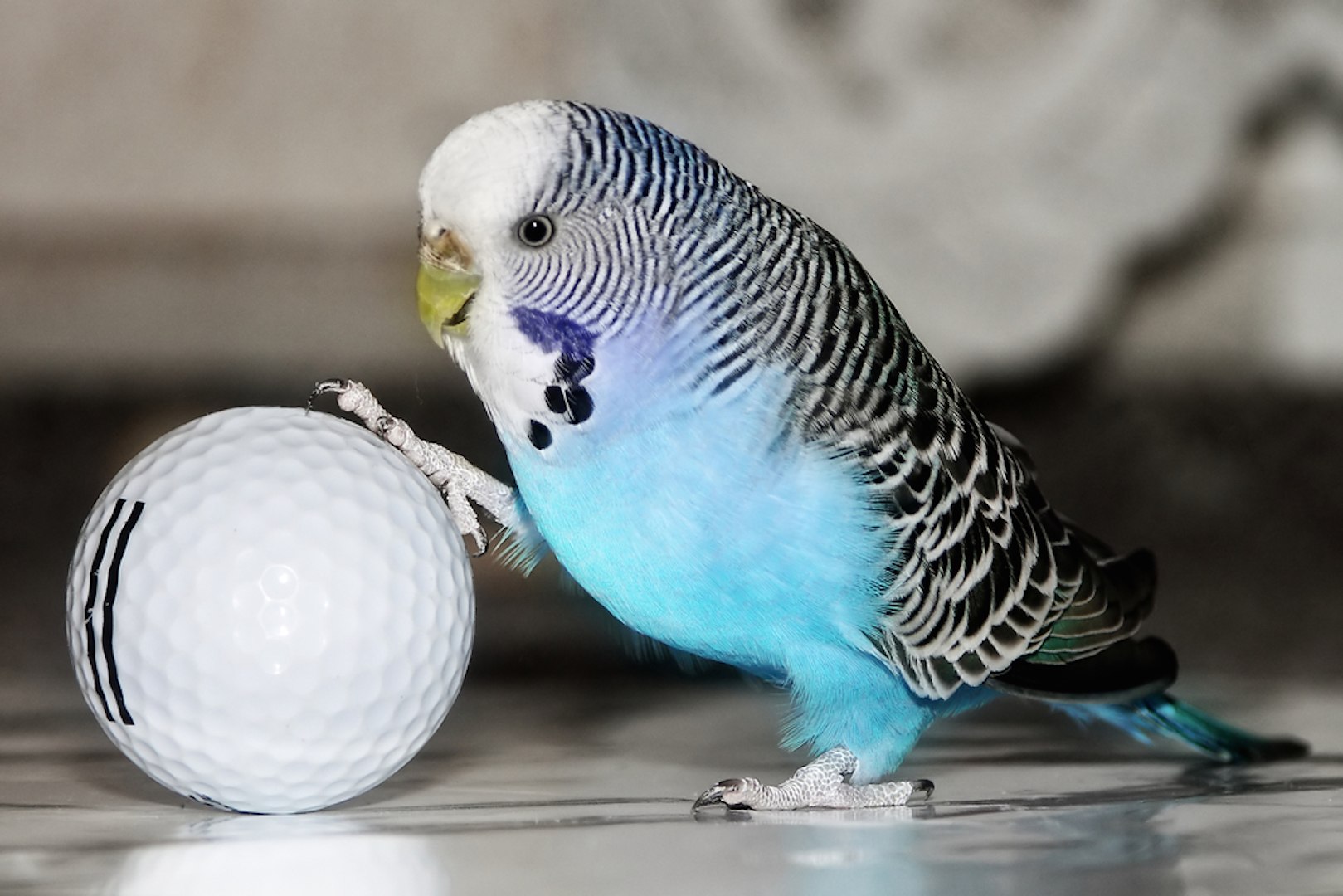
Like many animals, budgies are quite secretive about showing signs of illness. Therefore, observing any changes in their behavior is important. As with many other animals, birds usually signal the health problems they experience through changes in their behavior. Common symptoms of illness in budgies include: Watery eyes and discharge around the nose Deterioration in feather health and feather loss Diarrhea Sleeping longer than usual and lethargy Drinking less or more water than usual Beak deformities Swelling on the body If these symptoms are observed in budgies, precautions should be taken. Since all these symptoms can be indicative of various diseases and birds have low resistance to diseases, the most important thing to do is to take them to a veterinarian for examination. Veterinarians will complete their examinations and, if necessary, conduct additional tests to determine the cause of the complaints in the birds. When determining treatment processes, variables such as the underlying problem, the bird's general health status, and the severity of the disease are taken into consideration.
- Watery eyes and discharge around the nose
- Deterioration in feather health and feather loss
- Diarrhea
- Sleeping longer than usual and lethargy
- Drinking less or more water than usual
- Beak deformities
- Swelling on the body
If these symptoms are observed in budgies, precautions should be taken. Since all these symptoms can be indicators of various diseases and birds have low resistance to diseases, the most important thing to do is to take them to a veterinarian for examination. Veterinarians will both complete their examinations and, if necessary, conduct additional tests to determine the cause of the complaints in the birds. Treatment processes are determined by considering variables such as the underlying problem, the bird's general health status, and the severity of the disease.

3. First Aid Applications for Budgies at Home
Budgies may encounter various problems requiring emergency medical support. Therefore, it will be necessary to have basic materials such as bandages, antiseptic solution, tweezers, eye drops, cornstarch, and cotton swabs at home to be able to perform first aid applications.
Birds' Nails or Beaks May Bleed
If a budgie's beak or nails bleed, carefully hold the bird and place gauze or a clean paper towel on the bleeding area. Then, apply syptic powder or cornstarch to the area to stop the bleeding. Observe for a while to see if the bleeding recurs. Afterwards, contact a veterinarian.
Broken Feathers May Cause Bleeding
Broken feather bleeding is a common problem in birds. Growing feathers contain blood vessels that nourish them. If a feather breaks, bleeding occurs. In such a case, first aid will be necessary. First, the bird should be carefully held to stabilize it. At this point, a decision should be made about whether to remove the feather and wait. Therefore, it is recommended to contact veterinarians. Since removing a bleeding feather can be painful, it is best to go to a veterinarian if possible. If this is not possible, the bird's condition should be explained to a veterinarian, and only proceed with the other steps according to their instructions.
Skin Wounds May Occur
Wounds may occur on the skin of budgies for various reasons. In such a case, especially with bleeding wounds, the bird should be held carefully, and pressure should be applied to the bleeding area in a way that will not harm the bird. If the bleeding does not stop, syptic powder or cornstarch should be applied to the area. When the bleeding stops, the wound should be cleaned with antiseptics. Cotton swabs can be used when cleaning the wound. After the necessary care, the bird should be closely monitored, and if the bleeding continues, it should be taken to a veterinarian.
Poisoning Can Occur in Birds
Birds can be exposed to many different dangers in homes. You can find information on this topic in our content titled "Beware of Dangers in the Home for Pet Birds". When any factor that may cause poisoning in birds is detected, measures should be taken quickly. For example, if there is a suspicion of poisoning through the respiratory tract in birds, the environment should be ventilated and the birds should be taken outside in their cages. If a substance that causes poisoning has come into contact with their feathers, the birds should be gently washed. If the birds have eaten something they shouldn't have eaten, veterinarians should be contacted before the substance is digested. In any case, examination by a veterinarian is important.
In addition to all these, dangerous conditions such as burns, hypothermia, and heatstroke may also occur. In such cases, it is important to take the birds to a veterinarian without delay.
4. Herbal and Home Treatment Methods
“How to treat a sick budgie at home?” is one of the most frequently asked questions by many bird owners. However, it is not correct to give general information about home treatment methods for birds. When symptoms of illness are noticed in birds, the first thing to do is to take them to a veterinarian. After evaluating the health condition of the birds, veterinarians apply the primary treatment. If there are additional treatments that need to be applied at home, they will provide the necessary information and share important instructions about what to pay attention to during treatment.

5. Importance and Timing of Consulting a Veterinarian
Symptoms of health problems experienced by birds do not appear quickly. Birds, which are known to tend to hide their illnesses, usually signal the symptoms of their health problems through changes in their behavior. Illnesses can go unnoticed for a long time and cause serious damage to their bodies. Therefore, it is extremely important to consult a veterinarian as soon as symptoms are noticed. Veterinarians will determine the health problems they are experiencing and the causes of these problems, and will plan the necessary treatment processes according to the specific factors of the birds.
6. Preventive Measures and Care Tips for a Healthy Budgie
The following can be listed as things to pay attention to in order for budgies to stay healthy and happy:
- Budgies need to be fed a complete and balanced diet. You can find specially formulated budgie food varieties here.
- Budgies spend a large part of the day in cages designed for them. Budgie cages should be spacious and designed so that they can move comfortably. Choosing cages that are large enough for them to spread their wings and designed in a way that won't harm them is therefore very important. You can find various types of budgie cages here. While choosing the right cage for budgies is crucial, it's not enough on its own. Cages should be cleaned at least once a week.
- For budgies to be healthy and happy, it is recommended that their cages contain toys that can prevent boredom. Inactivity and boredom can prevent birds from being sufficiently stimulated physically and mentally.
- There shouldn't be too many temperature fluctuations in the rooms where budgies live. It is known that they are more likely to get sick in environments that are too hot or too cold.
- Homes can contain various dangers that can cause budgies to get sick, poisoned, or have accidents. It is important to make homes safe for birds.
In addition to all this, it is very important for budgies to be examined by veterinarians once a year. This allows for the early diagnosis of possible diseases and enables the necessary measures to be taken to maintain the health of the budgie.
Advertisement
Advertisement
Keep exploring
Continue reading
Bird Care
Comprehensive Guide to Amazon Parrot Care, Feeding and Training
Caring for an Amazon Parrot isn't as simple as putting food in the cage, keeping an eye on the water, and getting through the day.
Read guide →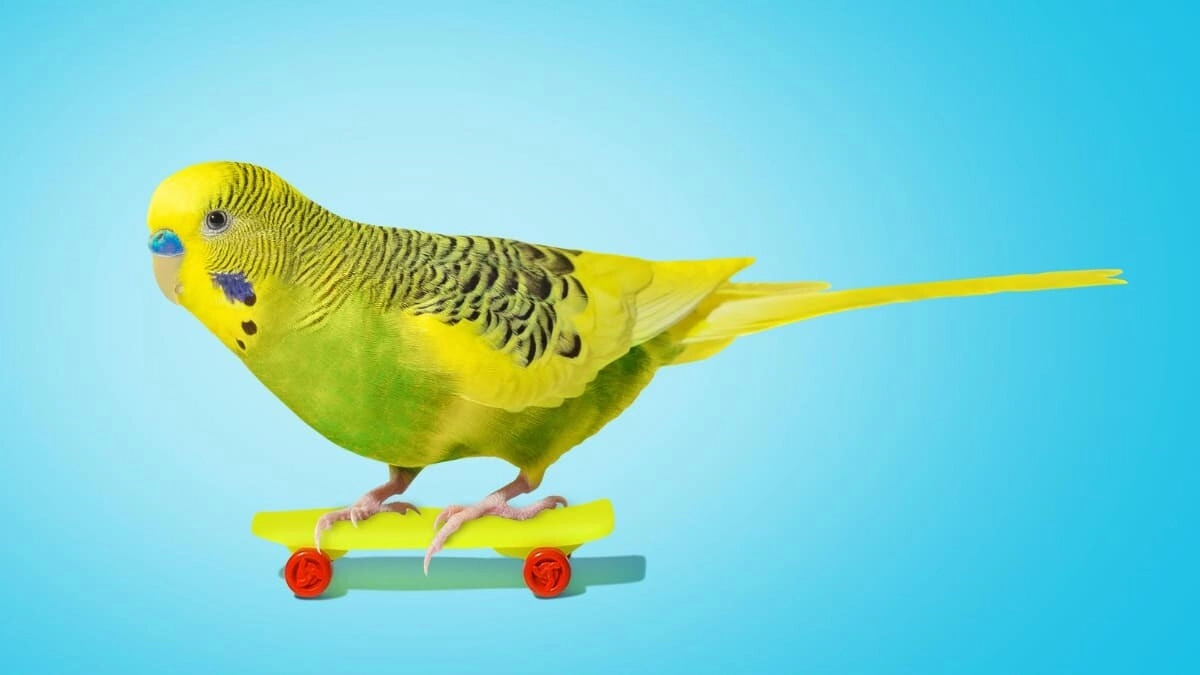
Bird Care
Things to Consider When Choosing Bird Food
As stated in PetMD, a significant portion of errors in bird nutrition stem from not selecting feed according to the species and needs.
Read guide →
Bird Care
Canary Characteristics, Care and Feeding
If you want a cheerful, loving, and lively energy in your home, canaries can start a wonderful change in your life.
Read guide →
Bird Care
Common Misconceptions About Bird Care: Debunking Myths with Scientific Facts
We can only understand how sensitive and special pet birds are when we own them. The chirping of a budgie or the affectionate gaze of a parrot gives…
Read guide →