Budgie Wasting Disease: Causes and Tips
Wasting disease in budgies is one of the nightmares of bird owners. It can occur in budgies, canaries, cockatiels, and rarely in larger birds. The clinical signs of the disease may vary depending on whether it is acute or chronic.

Advertisement
Wasting disease in budgies is one of the nightmares of bird owners. It can occur in budgies, canaries, cockatiels, and rarely in larger birds. The clinical signs of the disease may vary depending on whether it is acute or chronic. Common symptoms include changes in appetite, vomiting, seeds in the droppings, and weight loss. Wasting disease in birds is considered more of a process and even a result rather than a disease in itself. In this article, you can find answers to important questions such as what is wasting disease? and what causes wasting disease in budgies?

What is Wasting Disease? How Does it Occur?
Wasting disease is caused by large, rod-shaped organisms, formerly called megabacteria because they were thought to be very large bacteria, but now identified as a type of fungus and named Macrorhabdus ornithogaster.
This fungus, which lives in the gastrointestinal system of birds, may not show symptoms easily when at low levels. When the bird's immune system is weakened and/or a disease that reduces the strength of the immune system occurs, the fungus becomes difficult to control and clinical symptoms appear. Wasting disease, which is usually seen in adult birds aged 2-3 years, affects males and females equally. Inadequate bird care, stress in birds, and genetic factors can increase the risk of the disease.
Treatment of wasting disease in birds is difficult and laborious. Therefore, it is important to know the answers to the question "How does wasting disease occur?". The yeast Macrorhabdus ornithogaster and the avian gastric yeast disease it causes can affect birds that come into contact with infected bird droppings, water, or food. Since some birds' immune systems are strong enough to suppress the fungus, it can be difficult to observe the symptoms of wasting disease.

Symptoms of Wasting Disease in Budgies
As mentioned above, wasting disease in budgies is caused by a fungal organism formerly known as megabacteria, and currently known as Macrorhabdus ornithogaster. Characterized by digestive system-related symptoms such as changes in appetite, weight loss, and vomiting, wasting disease can be observed acutely or chronically. In the acute type, birds become ill suddenly and usually die within 24-48 hours. During this process, birds may be very depressed and quiet, and may vomit liquid with traces of blood. In the chronic type, the disease progresses more slowly. The most common type of the disease is the chronic type. In chronic wasting disease, birds lose weight excessively. Undigested seeds may be found in the feces. Diarrhea is common. When wasting disease develops in the chronic type, in addition to these, excessive food intake, followed by loss of appetite and vomiting, and other digestive system problems can also be observed. The reason all these symptoms are digestive system problems is that the fungus has settled in the digestive system. It is important to consult a veterinarian without delay when similar symptoms are observed.

Prevention and Treatment Methods Against Wasting Disease
This disease, which is usually transmitted through contact with the feces of an infected bird, is diagnosed by examining fresh fecal samples as a practical method. In addition to fecal tests, radiology also gives accurate results. Since the fungal organism is extremely large, it can be visualized under a microscope.
Treatment of wasting disease in birds is planned on a bird-specific basis. The bird's general health and clinical signs will be guiding factors at this point. Antibiotics are ineffective in treating wasting disease, and the organism may also be resistant to many antifungal agents. The use of antifungal medications is common during treatment, and it is recommended to provide easily digestible foods to birds while their digestive system heals. Treating a single bird is considered easier than treating multiple birds. The success rate of treating wasting disease can significantly decrease in environments where many birds live together. Because treatment is difficult, it is best to take the necessary precautions against wasting disease in birds. There is no vaccine to prevent this disease. In environments where multiple birds live together, the most effective step is to have the infected bird, or any new bird arriving alongside existing birds, examined by a veterinarian and quarantined for 30 days. Budgies can develop various diseases for different reasons. Knowing about these diseases and their symptoms will help protect the health of our friends through early medical intervention. To learn about common budgie diseases and their treatment processes, you can review our content on budgie diseases by clicking here.
Because treatment is difficult, it is best to take the necessary precautions against wasting disease in birds. There is no vaccine to prevent this disease. In environments where multiple birds live, the most effective step is to have the infected bird, or any new bird joining existing birds, examined by a veterinarian and quarantined for 30 days. Budgies can develop various diseases for different reasons. Knowing about these diseases and their symptoms will help protect the health of our friends through early medical intervention. To learn about common budgie diseases and their treatment processes, you can review our article on budgie diseases by clicking here.
Advertisement
Advertisement
Keep exploring
Continue reading
Bird Care
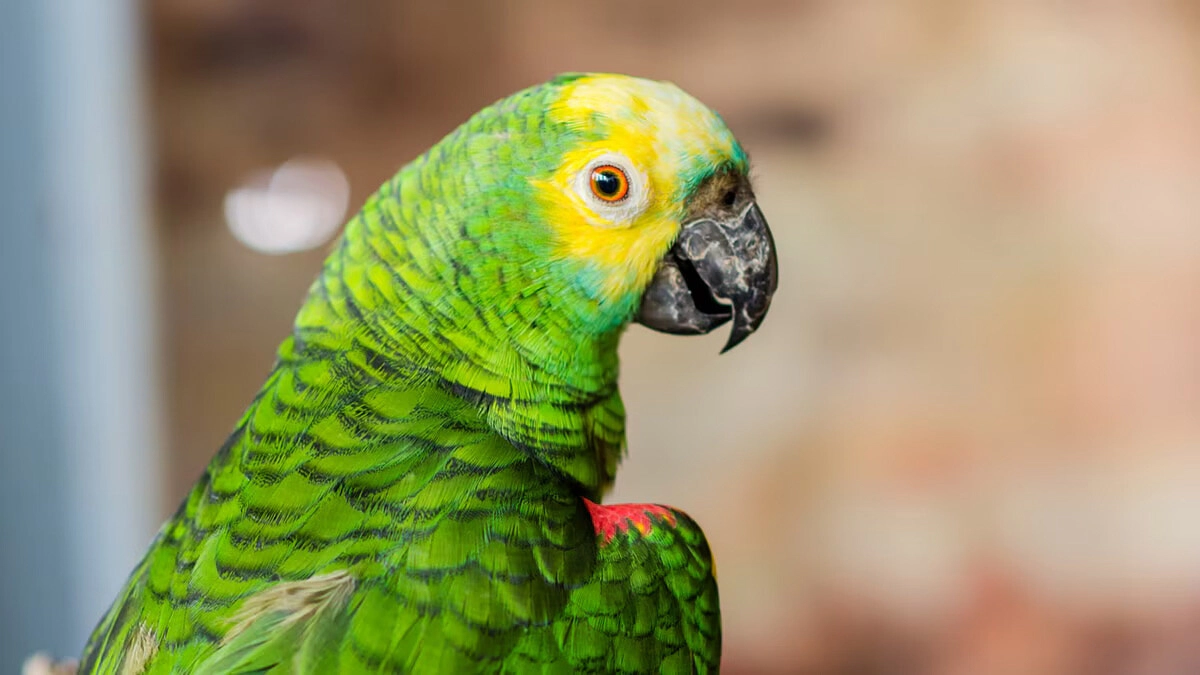
Comprehensive Guide to Amazon Parrot Care, Feeding and Training
Caring for an Amazon Parrot isn't as simple as putting food in the cage, keeping an eye on the water, and getting through the day.
Read guide →
Bird Care
Things to Consider When Choosing Bird Food
As stated in PetMD, a significant portion of errors in bird nutrition stem from not selecting feed according to the species and needs.
Read guide →
Bird Care
Canary Characteristics, Care and Feeding
If you want a cheerful, loving, and lively energy in your home, canaries can start a wonderful change in your life.
Read guide →
Bird Care
Common Misconceptions About Bird Care: Debunking Myths with Scientific Facts
We can only understand how sensitive and special pet birds are when we own them. The chirping of a budgie or the affectionate gaze of a parrot gives…
Read guide →