Calicivirus Infection in Cats
Upper respiratory problems are quite common among cats, and these problems usually occur as infections. Calicivirus, briefly called FCV, is one of the common causes of upper respiratory tract infections in cats.

Advertisement
Upper respiratory problems are quite common among cats, and these problems usually occur as infections. Calicivirus, briefly called FCV, is one of the common causes of upper respiratory tract infections in cats. This infection causes problems such as sneezing, nasal and eye discharge, painful sores in the mouth, or sudden lameness in cats. Calicivirus is highly contagious and can spread rapidly among cats. Therefore, it is considered one of the most serious illnesses in cat shelters. Calicivirus infection is a completely treatable disease, but it does not cause symptoms in most cats. Therefore, it can sometimes be difficult to treat.
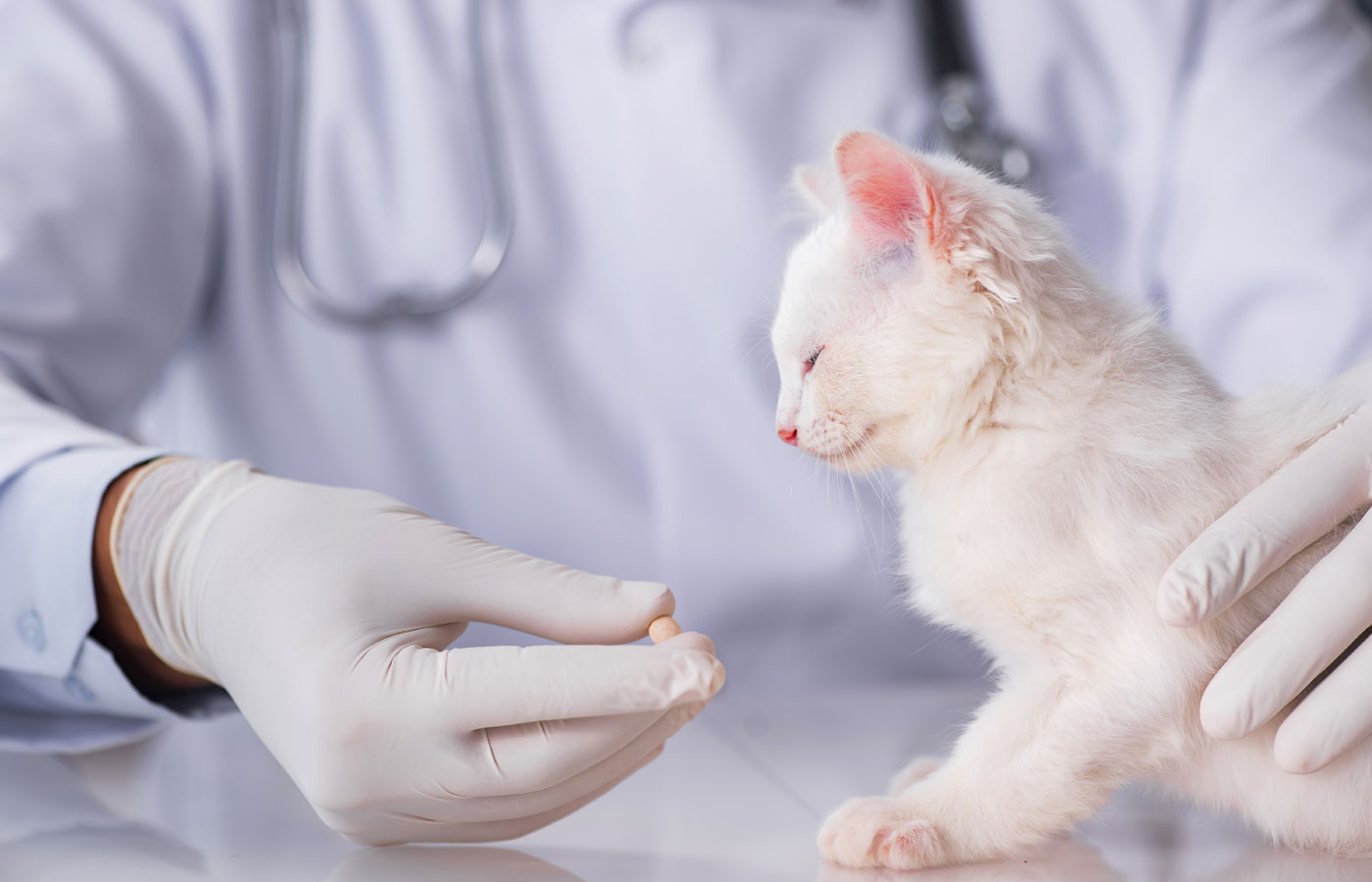
What is Calicivirus?
Feline calicivirus is a highly contagious viral pathogen that affects cats. It belongs to the family of RNA viruses called Caliciviridae. Some types of calicivirus can affect other animals or humans, but feline calicivirus only affects cats.
FCV frequently affects the upper respiratory tract and mouth of cats. However, it can also affect other systems of the body, although rarely. The virus typically remains incubating for 2-6 days after infection until symptoms appear. Once the disease begins, this usually lasts for 2-3 weeks. The disease is contagious throughout this period. 50% of cats continue to carry the virus even after they have fully recovered. This process can last for a few months or continue until the end of the cat's life.
FCV-carrying cats usually show no symptoms but can transmit the disease to other cats. However, when FCV-carrying female cats become pregnant, the virus is also passed to their kittens.
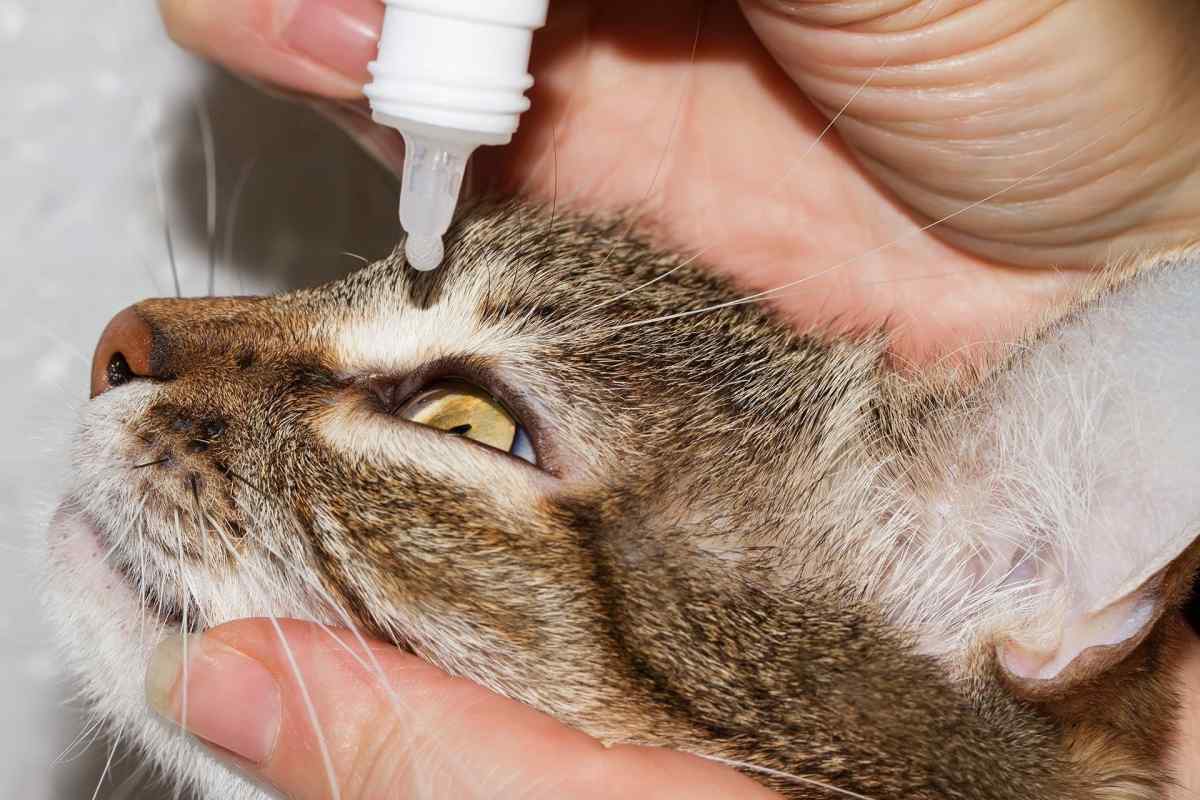
Calicivirus Symptoms
Cats with calicivirus infection usually show symptoms similar to the flu in humans. Nasal congestion, runny nose and eyes, sneezing, loss of appetite, and general fatigue are some of these. More serious symptoms may be seen in cats with high infection rates. The disease can reach serious levels, especially in kittens or elderly cats. Adult cats, however, usually experience milder symptoms. The most common calicivirus symptoms are as follows:
- Runny nose
- Eye discharge
- Conjunctivitis
- Sneezing
- Loss of appetite
- Weight loss
- Ulcers around the mouth
- Excessive drooling due to ulcers
- Fever
- Topallama
- Lesions in some areas of the skin
Calicivirus Calicivirus infection in cats usually causes upper respiratory tract infections. However, pneumonia can also occur in severe cases of infection. Calicivirus infection can cause painful ulcers in various places, especially on the tongue. Due to this pain, cats experience loss of appetite and excessive drooling. FCV can also cause stomatitis, which is inflammation of the mouth and lips. Lameness and fever are seen in some cases of calicivirus infection. In addition, some cats may develop a more serious type of infection called FCV-VSD, which leads to a fatal systemic infection. This infection affects the main organs, causing skin lesions, loss of appetite, fever, and jaundice. FCV-related infections become chronic in some cats, and symptoms worsen periodically. Causes of Calicivirus Infection There are several different feline calicivirus strains, and all are highly contagious. A cat contracts FCV through direct contact with aerosolized droplets from the saliva, eye or nasal discharge, or sneezes of an infected cat. The virus enters the cat's body through the nose, mouth, or eyes. Feline calicivirus is commonly found in environments with many cats. Animal shelters and veterinary clinics are considered high-risk areas. In such places where many cats are kept together, a single infected cat is enough to spread the disease. Cats that have received all the FVRCP vaccines may have some immunity against calicivirus. The letter C in the name of this combined vaccine is an abbreviation for calicivirus. However, since there are multiple strains of feline calicivirus, the vaccine is not completely protective. Vaccinated cats can still contract calicivirus, but the disease is usually milder in these cats.
Limping and fever are seen in some cases of calicivirus infection. Additionally, some cats may develop a more serious type of infection called FCV-VSD, which leads to a fatal systemic infection. This infection affects the major organs, causing skin lesions, loss of appetite, fever, and jaundice. FCV-related infections become chronic in some cats, and symptoms worsen periodically. Causes of Calicivirus Infection There are several different strains of feline calicivirus, and all are highly contagious. A cat contracts FCV through direct contact with the saliva, eye or nasal discharge, or aerosolized droplets from the sneezes of an infected cat. The virus enters the cat's body through the nose, mouth, or eyes. Feline calicivirus is commonly found in environments with large numbers of cats. Animal shelters and veterinary clinics are considered high-risk locations. In places where many cats are kept together, a single sick cat is enough for the disease to spread. Cats that have received all the FVRCP vaccines may have some immunity against calicivirus. The letter C in the name of this combined vaccine is an abbreviation for calicivirus. However, since there are multiple strains of feline calicivirus, the vaccine is not completely protective. Nevertheless, vaccinated cats can still contract calicivirus, but the disease is milder in these cats. Tumors Tumors, especially those occurring in the chest, lungs, or trachea, cause coughing and other symptoms in cats. Tumors developing in the vocal cords or trachea cause difficulty breathing and coughing, while tumors developing in the respiratory tract are usually seen in the nose, sinuses, trachea, vocal cords, and lungs. Cats with lung cancer exhibit symptoms such as dry cough, difficulty breathing, and inability to run. Antibiotics are used to treat respiratory tract infections that cause coughing. For inflammatory conditions like asthma, steroid-based medications are preferred. Non-steroidal anti-inflammatory drugs are used to reduce pain and improve the cat's quality of life in cats experiencing pain. In cases related to environmental factors such as allergies, lifestyle changes are usually sufficient. Surgery may be necessary in cases where these treatments are ineffective or in emergency situations.
FCV-related infections become chronic in some cats, with symptoms worsening periodically.
There are several different feline calicivirus strains, all of which are highly contagious. A cat contracts FCV through direct contact with the saliva, eye or nasal discharge, or aerosolized droplets from the sneezes of an infected cat. The virus enters the cat's body through the nose, mouth, or eyes.
Feline calicivirus (FVRCP) is commonly found in environments with many cats. Animal shelters and veterinary clinics are considered high-risk areas. In such places, a single infected cat is enough to spread the disease. Cats that have received all the FVRCP vaccines may have some immunity against calicivirus. The "C" in the name of this combined vaccine is an abbreviation for calicivirus. However, since there are multiple strains of feline calicivirus, the vaccine is not completely protective. Vaccinated cats can still contract calicivirus, but the disease is usually milder in them.
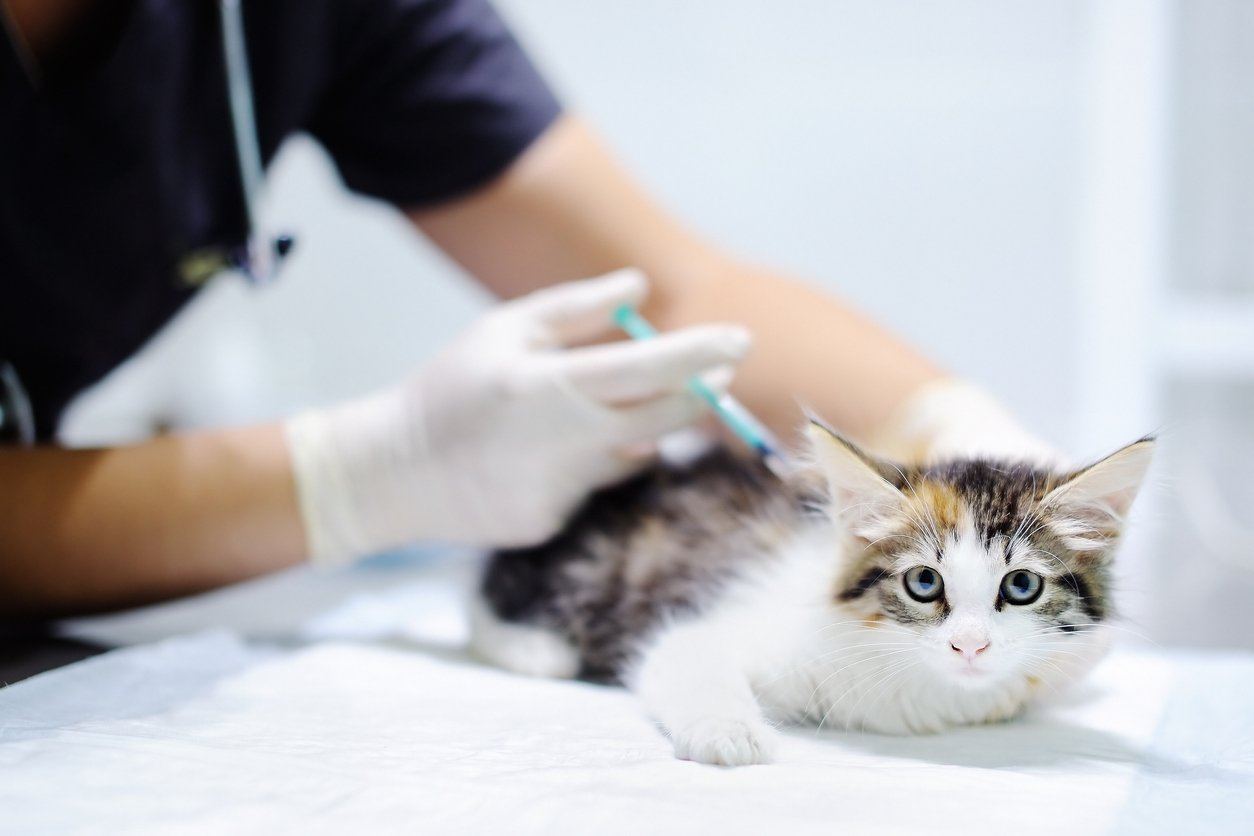
Calicivirus Infection Diagnosis and Treatment
Generally, a veterinarian diagnoses the cat based on its symptoms. Nasal and eye discharge and ulcers around the mouth are the most common symptoms. However, sometimes a swab sample is taken from the cat's mouth, nose, and eyes and tested for the presence of the virus. In cats with lameness, an X-ray may also be necessary to rule out other possible conditions.
There is no cure for feline calicivirus. However, supportive treatment is given to help the cat get through the process comfortably. Supportive treatment also prevents the development of secondary bacterial infections such as pneumonia.
Treatment for cats with mild upper respiratory tract infections is usually done at home. Nasal decongestant spray, eye drops, and anti-inflammatory drugs to reduce inflammation in the eyes are used. Antibiotic treatment may also be necessary to treat secondary infections. Infected cats lose their appetite because they cannot taste or smell normally. Sores around the mouth also prevent cats from eating comfortably. Appetite stimulants can be used for cats that are not eating enough. Strongly flavored and soft foods should be preferred to ensure the cat is fed healthily until it recovers. Wet food is a good choice for cats. You can review wet foods suitable for cats' nutritional needs by clicking here.
In cats with severe disease progression, intensive care may be required. These cats are usually treated with intravenous fluids. In cats with pneumonia, treatments aimed at improving breathing are applied. Feeding tubes are usually inserted in cats that are not eating.
Feline calicivirus infection can be completely cured, but some cats may remain carriers even after complete recovery. Carrier status is usually short-lived, but some cats may remain carriers for life.
The most effective way to protect cats from calicivirus infection is to have them vaccinated regularly. Although the vaccine does not provide complete protection against calicivirus infection, it helps to alleviate symptoms and facilitate recovery from the infection. Cats with calicivirus infection should be quarantined to prevent them from infecting other cats. Areas with many cats should be cleaned thoroughly and routinely, and the environment should be disinfected with animal-safe disinfectants during cleaning.
Advertisement
Advertisement
Keep exploring
Continue reading

Cat Health
Why Do Cats Get Thinner as They Age? Symptoms and Treatment
When stroking an aging cat's back, the spine or hip bones may feel more prominent than before, which is the first change most cat owners notice.
Read guide →
Cat Health
Cat Anatomy and Organs: Body Structure, Health Signs and Relationship with Diseases
A slight change in posture, a slight limp in gait, or a difference in litter box habits in cats can give clues about their body systems.
Read guide →
Cat Health
How to Acclimate Cats to Carrier Bags?
Does your cat hide, hiss, or resist with all its might the moment it sees the carrier? This reaction is described as carrier phobia in most homes…
Read guide →
Cat Health
What Should Be Considered After Vaccination in Cats?
Following your cat's vaccination schedule for health and a long life is one of the most critical decisions you will make as a pet owner.
Read guide →