Can All Dogs Swim?
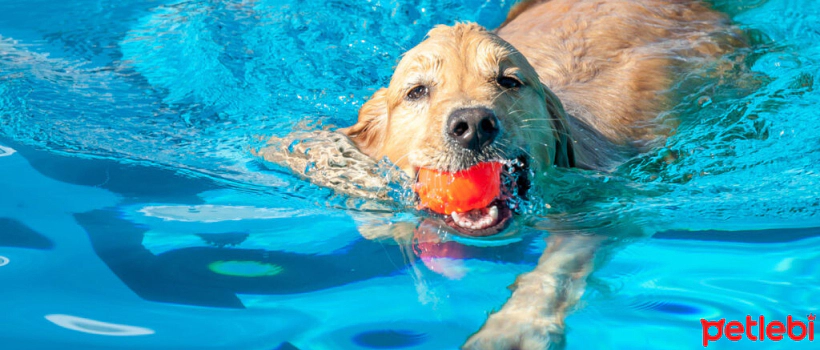
Many people think that all dogs are born able to swim. Therefore, the question "Do dogs drown?" doesn't often come to mind. In a way, dogs instinctively have the ability to keep themselves afloat.
Advertisement
Many people think that all dogs are born able to swim. Therefore, the question "Do dogs drown?" doesn't often come to mind. In a way, dogs instinctively have the ability to keep themselves afloat. However, it is not entirely accurate to consider this directly as a swimming ability or to think that they can move very easily in the water. Especially those who own dogs with large heads or short legs may learn this the hard way. Not all dogs that like to play in shallow water can swim. While taking long walks along the beach with your dog, your dog may wade through the water and let its paws get wet. It is not correct to answer the question "Do dogs like the sea?" based only on this information.

The Origin of Swimming Behavior
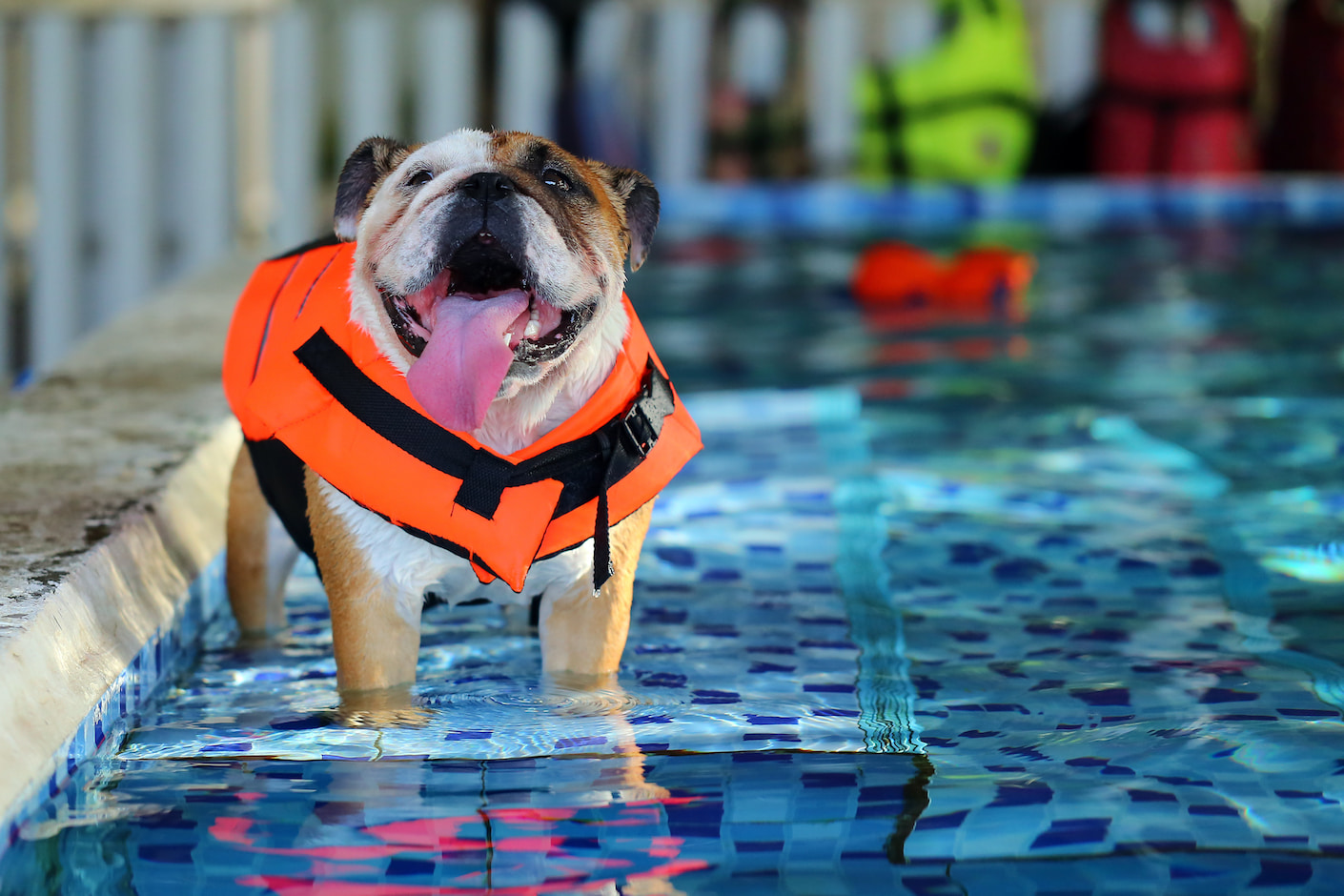
Dogs come in different sizes and have different physical characteristics. Some physical features are not ideal for swimming. Although dogs instinctively try to stay afloat, they may fail due to their facial structure and anatomy. Swimming ability is generally directly related to breed. Some dogs are bred specifically for swimming and hunting. The coat structure, body structure, and facial shapes of these dogs are suitable for swimming. On the other hand, breeds such as Bulldogs, Pugs, Dachshunds, Pekingese, Basset Hounds, and Boxers are generally among the breeds that cannot swim due to their anatomical structure and facial shapes. In addition, some dogs, although anatomically suitable for swimming, have difficulty swimming due to the weight of their heavy and dense coat.
Common anatomical features found in dogs that cannot swim include a flat or short nose, a head that is disproportionately large and heavy compared to the rest of the body, and short legs. Dogs with flat, rounded faces, like Pugs or Bulldogs, need to keep their noses and mouths above water by positioning their bodies vertically. Standing at near-perpendicular angles in the water makes staying afloat much more difficult. The same applies to dogs with large heads that create imbalance with the rest of their bodies. These dogs have to work harder than others to stay afloat. For dogs with short legs, the shape of the face or nose is not very important. Their legs cannot generate enough power to keep the body afloat.
While all dogs can instinctively avoid sinking, some dogs thought unable to swim find a way to do so. Similarly, dogs with the ideal build and anatomy for swimming may avoid water for reasons such as aversion to water or getting wet. Uveitis (
Encouraging Dogs to Swim
One of the answers to the question "Can dogs swim?" depends on the encouragement they receive. If your dog cannot swim, you need to be careful when they are near the water. In shallow water, you can check if they can swim by keeping them afloat. It will be easier to remove your dog from shallow water if they are struggling. The answer to the question "Can dogs drown in the sea?" is yes. Dogs that are not anatomically suited to swimming have a very high risk of drowning in the sea. However, the situation is different for dogs that are anatomically suitable for swimming. You can train them to swim by gradually introducing them to the water and taking them ashore when they are scared. You can encourage your dog to swim by allowing them to approach the water and letting them learn gradually. It is necessary to ensure that dogs going into the sea have all their vaccinations and have received the necessary medications. Some parasites living in the water can cause health problems in dogs.

How to Approach Dogs That Don't Want to Swim?
Some dogs resist the idea of swimming due to a traumatic experience they associate with water. Even if they are anatomically suited to swimming, you shouldn't force dogs who don't want to swim. Even dogs who have never had a negative experience with water before may develop trauma as a result of being forced to swim. Due to this trauma, they may feel anxious, stressed, and pressured near the water. Therefore, the answer to the question "Can dogs swim?" can be given as "Yes, dogs can swim, but they should swim when they want to." If you own a dog that is afraid of water, you should not allow your dog's fears or traumas to deepen. Dog pools suitable for use in the garden help dogs get used to the water and allow them to have enjoyable time in the water. You can review swimming pools and other swimming accessories that dogs can use by clicking here.
Advertisement
Advertisement
Keep exploring
Continue reading

Dog Lifestyle & Guides
The Unseen Risks of Excess Weight in Small Breed Dogs
Small breed Weight gain in dogs sometimes progresses unnoticed. Extra food added to the food bowl, treats given during the day, food offered from the…
Read guide →
Dog Lifestyle & Guides
Dental Health and Its Importance in Dogs
Dental health in dogs is often Bad breath doesn't become a concern until it's noticed. However, the problem often begins before the odor: Plaque…
Read guide →
Dog Lifestyle & Guides
Hachiko: The True Story and Monument of the Dog Symbolizing Loyalty
The crowd gathered in front of the Hachiko statue in Shibuya shows that a wait that began years ago is not forgotten today.
Read guide →
Dog Lifestyle & Guides
Nasal Discharge in Dogs
If your dog has a runny nose, the first question that usually comes to mind is: Is this normal, or is there something I should be concerned about?
Read guide →