Cane Corso Dog Characteristics, Care and Feeding
Known for its noble and powerful stance, We present to you one of the dog breeds famous for its loyalty and protective instincts: the Cane Corso. Members of this breed, renowned for their devotion to their owners and their ability to protect their families, don't get along very well with strangers…

Advertisement
Known for its noble and powerful stance, We present to you one of the dog breeds famous for its loyalty and protective instincts: the Cane Corso. Members of this breed, renowned for their devotion to their owners and their ability to protect their families, don't get along very well with strangers or other pets. They have high energy levels and enjoy spending time with their humans, but it's not really possible to say they are playful. They often exhibit a dignified demeanor that lives up to their appearance. The origins of the Cane Corso date back to ancient Rome. Their large, muscular bodies and rugged appearance can make many people uneasy upon encountering them for the first time. Known for their noble and self-confident attitude, Cane Corsos are recognized for their strong and fearless nature and are always alert. One of their most distinctive features, as mentioned earlier, is their size. Because they possess immense strength, careful attention to training from an early age is essential. It is recommended that they be adopted by consistent, disciplined individuals, and if possible, those who have lived with dogs before. With proper training, their gentle nature can be revealed, and they can become excellent companions. Their physical characteristics require their living spaces to meet certain criteria. Their high energy and activity levels mean they need large spaces. If their energy isn't channeled effectively, they are not suitable for apartment living; they may become bored and unhappy in such environments. For them to live comfortably and happily, they need living spaces with large gardens. Gardens will provide areas where they can run, play, and expend their energy. In homes with large gardens, if they are not allowed indoors, a complete shelter area should be created for them outdoors. Shelter areas should be protected from cold weather and arranged in a way that keeps them comfortable. Providing clean water and a hygienic environment in their living spaces is also very important. You can click here to view different types of dog kennels. In this article, you can find detailed information about the characteristics, care, and feeding of Cane Corso dogs, one of the most beloved breeds known for their impressive appearance, strong character, and loyalty to their owners.
The origins of the Cane Corso date back to ancient Rome. Their large, muscular bodies and rugged appearance can make many people uneasy upon encountering them for the first time. Known for their noble and self-assured demeanor, Cane Corsos are renowned for their strong and fearless nature, always remaining alert.
One of their most distinctive features, as mentioned earlier, is their size. Because they possess immense strength, careful attention to training from an early age is essential. It is recommended that they be adopted by consistent, disciplined individuals, and if possible, those who have previously lived with dogs. With proper training, their gentle nature can be revealed, and they can become excellent companions.
Their physical characteristics require their living spaces to meet certain criteria. Their high energy and activity levels mean they need spacious areas. If their energy isn't channeled effectively, they are not suitable for apartment living; they may become bored and unhappy in such environments. They need living spaces with large gardens to live comfortably and happily. Gardens will provide areas where they can run, play, and expend their energy. In houses with large gardens, if they cannot be brought indoors, a complete shelter area should be created for them outdoors. Shelter areas should be protected from cold weather conditions and arranged in a way that will keep them comfortable. It is also very important to provide clean water and a hygienic environment in their living spaces. You can click here to view different types of dog kennels.
In this article, you can find detailed information about the characteristics, care, and feeding of Cane Corso dogs, one of the most beloved breeds due to their impressive appearance, strong character, and loyalty to their owners.
|
Other Names: |
Cane Corso Italiano, Cani Corsi |
|
Karakteri: |
Protective, loyal, balanced, calm |
|
Weight: |
40 - 50 kg |
|
Shoulder Height: |
54 - 70 cm |
|
Coat Length: |
Short |
|
Coat Colors: |
Beige, black, gray |
|
Coat Patterns: |
Solid color |
|
Eye Color: |
Koyu kahve |
|
Average Lifespan: |
9 - 12 years |
|
Origin: |
Italy |
|
Hypoallergenic Is it?: |
No |

Cane Corso Dog Origin and History
The Cane Corso is a dog breed originating in Italy, with roots stretching back to ancient times. According to the American Kennel Club, the Molosser, an extinct mastiff breed, is the ancestor of the Cane Corso and similar mastiff breeds.
In its early history, the Cane Corso served as a guard dog, war dog, and hunting dog. The word "Cane" in its name means dog in Italian, and "cohors" means protector in Latin.
During the First and Second World Wars, the breed's population declined significantly. Later, in the 1970s, efforts were initiated by Cane Corso dog enthusiasts to increase the breed's popularity. Cane Corsos first arrived in the United States in 1988 and were recognized by the AKC in 2010.
Physical Characteristics and Appearance of the Cane Corso Dog
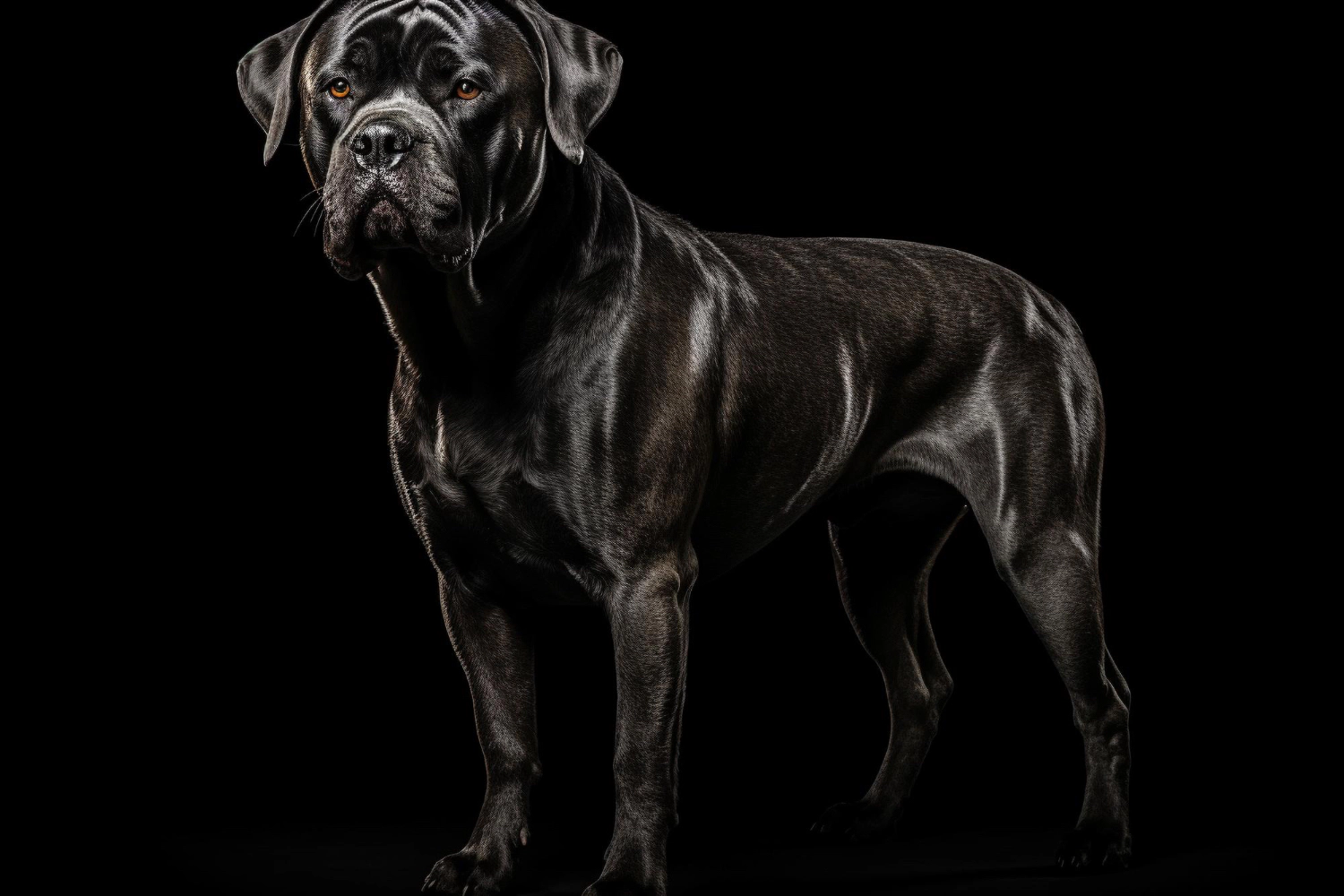
Cane Corsos have a large, muscular, and powerful body structure. Males are generally 58-70 cm tall, while females are 54-66 cm tall. Their weight ranges from 40-50 kg. Although their short, coarse coat can come in various colors, black and gray are the most common.
The Cane Corso's short, dense coat requires minimal grooming. They shed moderately, with the amount of shedding significantly increasing during seasonal changes. To minimize shedding, they need to be brushed regularly and their skin health should be supported by quality nutrition.
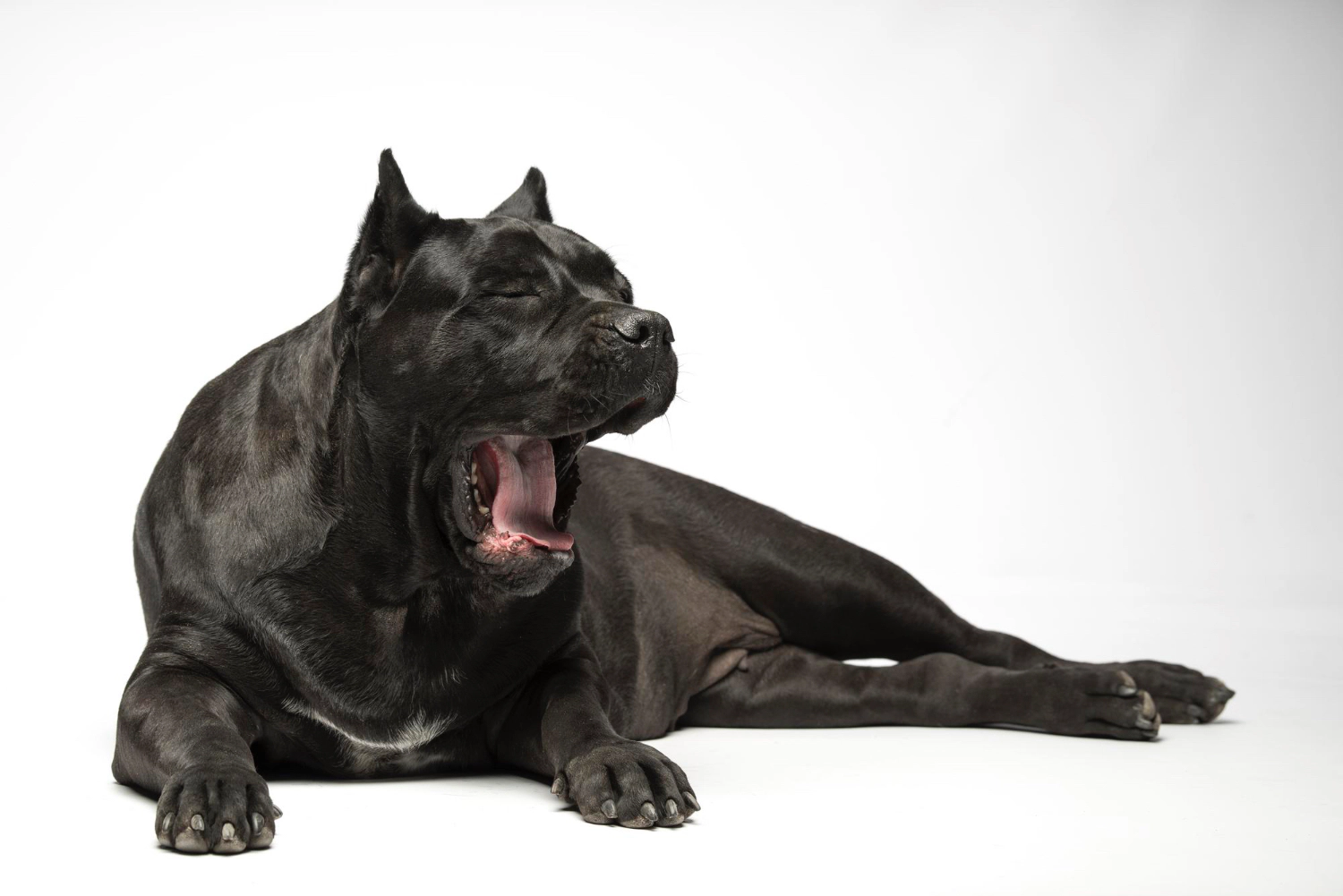
Cane Corsos have a muscular and athletic build. They can be intimidating at first glance. Their head structure is square-shaped and quite large. Their forehead is broad, and their jaws are incredibly strong. Their eyes are almond-shaped and dark in color. Their ears are slightly droopy, and their tails are long. Unfortunately, in many parts of the world, the ears and tails of Cane Corsos are cropped. This practice, which is a reflection of the assumption that they look stronger and more beautiful, is completely illegal in certain parts of the world.

Cane Corso Dog Character
Their temperament is a complex mixture of loyalty, protectiveness, intelligence, and independence. They can be quiet, alert, and exhibit an unsettlingly serious demeanor. It's no coincidence that they are among the world's best guard dogs; they are known for not hesitating when they sense a threat to their loved ones. The behavior of a Cane Corso also depends on how they are raised from puppyhood. Like all strong and intelligent dogs, Cane Corso dogs need a firm leader. Otherwise, they will inevitably take over the leadership. If they are socialized during puppyhood and, of course, receive proper training, they can become harmonious family members. During the training process, the Cane Corso's independent character must be taken into account, and consistency must be maintained. One of the reasons they are so loved is their deep bonds with their families and their extreme loyalty. They get along well with children and other pets they spend time with, but early socialization is important. Cane Corsos are intelligent dogs full of a desire to please their owners. With the right approach and reward-based training methods, they can make progress.
The behavior of a Cane Corso depends on how it is raised from puppyhood. Like all strong and intelligent dogs, Cane Corso dogs need a firm leader. Otherwise, they will inevitably take over the leadership. If they are socialized during puppyhood and, of course, receive proper training, they can become harmonious family members. During the training process, the Cane Corso's independent character must be taken into account and consistency must be maintained.
One of the reasons they are so loved is that they form deep bonds with their families and are extremely loyal. They get along well with children and other pets they spend time with, but early socialization is important. Cane Corsos are intelligent dogs full of the desire to please their owners. With the right approach and reward-based training methods, they can make progress.
Regular exercise and mental stimulation are the most important elements of Cane Corso care; otherwise, they may become bored and develop destructive behaviors. Therefore, it is important for Cane Corso owners to give them enough time and attention. They should not be left alone for long periods.
Cane Corso Dog Care and Tips
Regular exercise and mental stimulation are the cornerstones of care processes. Experts emphasize that Cane Corso should exercise for a minimum of 1 hour, and preferably around 2 hours, per day to stay in top physical condition.
Cane Corso is an active and goal-oriented dog. Daily exercise ensures that the Cane Corso is ideally stimulated physically and mentally. Therefore, it should not be neglected. Adding a brisk walk or at least a 1.6 kilometer run to your daily routine is a good start. Cane Corsos reach adulthood at 24 months old. They should avoid excessive exercise and long runs on concrete surfaces during their puppyhood. To prevent orthopedic problems, both exercise routines should be properly planned and the areas where they exercise should be carefully evaluated. It is recommended to assign tasks to a Cane Corso as part of its care. If tasks are not defined and they are not kept busy, they may take on tasks on their own. For example, when they are not sufficiently tired, they may release their energy by damaging household items or scratching doors. Cane Corsos have a short, double-layered coat. The length of the undercoat can vary depending on the climate in which the dog lives. Dogs living in colder climates may have thicker and longer coats, while those living in temperate climates may have finer coats. Like other double-coated breeds, Cane Corso dogs shed year-round. The amount of shedding increases in the spring months. Although they shed moderately, their brushing needs are not excessive. Brushing a few times a week throughout the year is sufficient, and additional grooming sessions may be needed during shedding periods. When needed, bathing with dog shampoos that are not harmful to skin health, as recommended by veterinarians, is not a problem. Their nails will naturally wear down, especially if they frequently walk on pavements or rough surfaces. However, it is best to have their nails checked regularly. Sometimes their nails can grow longer than ideal and cause them pain when they move. It is recommended that they be introduced to a teeth brushing routine when they are socialized and trained during puppyhood. Ideally, their teeth should be brushed every day, or at worst, once a week. For dogs that don't get their teeth cleaned, it's best to consult a veterinarian for a dental cleaning.
Cane Corsos reach adulthood at 24 months old. During puppyhood, they should avoid excessive exercise and long runs on concrete surfaces. To prevent orthopedic problems, both their exercise routines should be properly planned and the areas where they exercise should be carefully evaluated.
As part of Cane Corso care, it is recommended to give them tasks. If tasks are not defined and they are not kept busy, they may take on tasks on their own. For example, when they are not sufficiently tired, they may release their energy by damaging household items or scratching doors.
Cane Corsos have a short, double-layered coat. The length of the undercoat can vary depending on the climate in which the dog lives. Dogs living in colder climates may have thicker and longer hairs, while those living in temperate climates may have finer hairs. Like other double-coated breeds, Cane Corso dogs shed year-round. The amount of shedding increases during the spring months. Although they shed moderately, their brushing needs are not excessive. Brushing a few times a week is sufficient year-round, and additional grooming sessions may be necessary during shedding periods. When needed, bathing with dog shampoos that are not harmful to their skin health, as recommended by veterinarians, is perfectly acceptable. Their nails will naturally wear down, especially if they frequently walk on pavements or rough surfaces. However, it is best to have their nails checked regularly. Sometimes their nails can grow longer than ideal and cause them pain when moving. It is recommended that they be introduced to a dental brushing routine when they are socialized and trained during puppyhood. Ideally, their teeth should be brushed every day, or at least once a week. For dogs that do not have their teeth cleaned, it is best to consult a veterinarian for dental cleaning.
Their nails will naturally wear down, especially if they frequently walk on pavements or rough surfaces. However, regular nail checks are best. Sometimes their nails can grow longer than ideal, causing them pain when they move.
It is recommended that they be introduced to a dental brushing routine when they are socialized and trained as puppies. Ideally, their teeth should be brushed every day, or at least once a week. For dogs that don't have their teeth cleaned, it's best to consult a veterinarian.
Common Diseases in Cane Corso Dogs
Cane Corso dogs are generally considered healthy. However, attention should be paid to certain diseases such as hip dysplasia, elbow dysplasia, and gastric torsion. Regular veterinary checkups and taking certain precautions are important to prevent these types of diseases.
Obezite
Maintaining an ideal body weight is fundamental to the health of all dogs. When it comes to large and giant breeds, maintaining an ideal body weight becomes even more important. Obesity in large breed dogs can stress the body, risk joint health, and trigger the development of various health problems. Cane Corso dogs need a healthy diet and sufficient exercise to maintain their ideal weight. Exercise plans supported by a diet appropriate to their life stage, activity level, and overall health can minimize the risk of obesity. Their weight should be monitored during regular veterinary checkups.
İdiyopatik (Nedeni Tam Olarak Bilinmeyen) Epilepsi
"Idiopathic" refers to conditions that occur spontaneously without any known cause. Epileptic seizures of unknown cause usually develop around the age of 3. While there is no cure, it can be controlled with medication. Dogs with idiopathic epilepsy can live long, productive, and happy lives. You can find detailed information in our article on Epilepsy in Dogs.
Demodektik Uyuz
This is a parasitic skin infection caused by Demodex mites, which can develop in dogs due to a genetic predisposition. Normally, these mites live in the hair follicles of dogs and do not harm their hosts. However, when the immune system is weakened, they can cause symptoms such as scaling and hair loss. It is known that puppies are vulnerable to Demodex mites because their immune systems are not strong enough. Similarly, in adult dogs, demodectic mange can develop as a result of various diseases.
Not all Demodex cases need to be treated. If the lesions are very small, they may resolve on their own within one or two months. Larger skin lesions that have spread to the body can be treated with topical and/or oral medications.
Eyelid Abnormalities
Cane Corso dogs are prone to several different eye diseases. Entropion, characterized by the inward turning of the eyelid and the rubbing of the eyelashes against the cornea, ectropion, defined especially as the outward turning of the lower eyelid, and cherry eye disease are among the common eye diseases in members of the breed.
Gastrik Dilatasyon-Volvulus (GDV) Sendromu
Large, deep-chested dog breeds are prone to Gastric Dilatation Volvulus Syndrome, a life-threatening stomach disorder. This condition can occur suddenly as a result of the stomach swelling with gas and then twisting around itself. This syndrome, which causes symptoms such as rapid distension of the stomach, attempts to vomit but inability to do so, avoidance of walking, and refusal to eat, is also called gastric torsion. Gastric torsion in dogs is a condition that requires attention and urgent medical intervention. For details, you can read our content titled "What is Gastric Torsion in Dogs? Why Does it Occur, What are the Symptoms?". Hip and Elbow Dysplasia Hip dysplasia is a degenerative joint disease affecting the hind legs due to the malformation of the hip joint and is generally known to be associated with genetic factors, rapid growth, and excess weight. Elbow dysplasia is a similar health problem affecting the front legs and resulting from abnormalities in the joint. These types of bone and joint problems are a common cause of pain, especially in large and giant breed dogs. Clinical signs include lameness, reduced range of motion, and pain, especially if arthritis begins later in life. Hip and elbow dysplasia can significantly reduce a dog's quality of life.
Hip and Elbow Dysplasia
Hip dysplasia is a degenerative joint disease affecting the hind legs due to the malformation of the hip joint and is generally known to be associated with genetic factors, rapid growth, and excess weight. Elbow dysplasia is a similar health problem affecting the front legs and resulting from abnormalities in the joint. These types of bone and joint problems are a common cause of pain, especially in large and giant breed dogs. Clinical signs include lameness, reduced range of motion, and pain, especially if arthritis develops later in life. Hip and elbow dysplasia can significantly reduce a dog's quality of life.

What Does a Cane Corso Dog Eat, How Should It Be Fed?
It is extremely important to provide Cane Corso dogs with high-quality dog food appropriate for their breed and age to meet their nutritional needs. High-quality food will help them receive all their bodily needs in a balanced way, ensuring their metabolic requirements are fully met.
In addition to their diet, the meal schedules of Cane Corso dogs also need to be ideally planned. Since there is a risk of bloating and GDV, pet owners must take some precautions when feeding their dogs. First of all, feeding the Italian Cane Corso in multiple smaller meals throughout the day instead of one large meal is considered the healthiest method. Dogs should be prevented from exercising immediately before or immediately after meals.
Generally, Cane Corso puppies should be fed three to four times a day. When they reach adulthood, which is approximately 24 months old, the number of meals can be reduced to two per day. The daily amount of dog food they should consume will vary depending on the calorie values of the food, the dog's weight, and its activity level. Therefore, when planning a Cane Corso's diet, it is best to follow the recommendations of a veterinarian.

Cane Corso Dog Training
Early socialization and basic obedience training are extremely important for a large and powerful breed like the Cane Corso. This enormous and impressive breed can be challenging if not properly trained. Many Cane Corsos are dominant and protective. Socialization is crucial for them to become adaptable and well-behaved adult dogs. Introducing them to various people, different environments, and other animals in the early stages makes them feel more secure and comfortable in the outside world. Obedience training is essential to prevent them from becoming the boss at home. Cane Corsos are generally easy to train because they are intelligent and eager to please. However, it is important that their training is carried out consistently and patiently.

Cane Corso Sahiplenirken Bilinmesi Gerekenler
Before adopting a Cane Corso, it's important to remember that these dogs require a great deal of responsibility. Adopting them from people who have sufficient space, time, and resources is essential for their health, comfort, and happiness.
They need to be stimulated both physically and mentally during their daily exercise. Otherwise, they may exhibit destructive behaviors and gain weight. Those who will adopt a Cane Corso should be prepared to exercise with their dog for at least 1-2 hours a day.
Like all dogs, they need regular veterinary checkups. Veterinary check-ups should not be neglected in order to protect their health and diagnose diseases in the early stages.

Frequently Asked Questions About Cane Corso
Adopting a Cane Corso is a decision that should be made carefully. Their size and independent spirit require those who own them to become leaders. In this section of our article, you can find frequently asked questions and answers about Cane Corsos.
Is a Cane Corso a good family dog?
With proper socialization, Cane Corso dogs become loyal and loving. Due to their large size, they can become wonderful members of families with older children. Patient and consistent training is essential.
Are Cane Corso dogs intelligent?
Cane Corso dogs are extremely intelligent. They need consistent training to unlock their potential.
Cane Corso dogs live in apartments?
Because Cane Corso dogs are large and active, they may not be very suitable for apartment living. Socialization, training, and regular daily exercise are essential requirements for their integration into apartment life.
Do Cane Corso dogs bark a lot?
While they are always alert, they don't bark constantly. Cane Corso dogs are excellent guard dogs and may bark as a warning when they sense danger.
Do Cane Corso dogs get along well with children?
Yes, they can get along well with children, but it is always recommended that they be under adult supervision. Young children should not be too harsh on dogs, such as pulling their tails or ears. Dogs react when they are in pain and, with their large size, can harm children.
How long do Cane Corso dogs live?
The average lifespan of a Cane Corso is 9-12 years. To ensure a comfortable life, they should be fed high-quality dog food, their grooming routines should not be neglected, and of course, they should be taken for health checkups.
Are Cane Corso dogs hypoallergenic?
No, Cane Corso is not a hypoallergenic breed. People with allergies can improve their comfort by regularly vacuuming the house, washing bedroom linens, brushing their dogs regularly, and using allergy medication prescribed by their veterinarian.
Does Cane Corso shed a lot?
Cane Corso sheds moderately; shedding can be controlled with regular brushing. Healthy nutrition and avoiding stress are also important factors.
Does Cane Corso bite?
Every dog can bite. However, this risk can be reduced with proper training and socialization. Training is essential for Cane Corso dogs.
Is a Cane Corso dog very expensive?
Due to high maintenance needs and health expenses, adopting a Cane Corso can be costly. However, this cost cannot be reduced solely to the Cane Corso adoption process. All pets incur certain costs when they are adopted, and awareness of these costs helps our furry friends find their forever homes.
Can a Cane Corso be kept indoors?
Yes, but they need regular exercise. If they don't release their energy, they may damage themselves and household items.
Advertisement
Advertisement
Keep exploring
Continue reading
Pet Lifestyle & Guides
Basset Hound Dog Characteristics, Care and Temperament
A short walk with a Basset Hound can unexpectedly become longer with breaks to examine scents.
Read guide →
Pet Lifestyle & Guides
Alaska Malamute Dog Characteristics, Care and Temperament
When it comes to dogs that can withstand cold weather, one of the first that comes to mind is the Alaska Malamute, a strong sled dog bred to pull…
Read guide →
Pet Lifestyle & Guides
Boston Terrier Dog Characteristics, Care and Temperament
The Boston Terrier is a compact and well-balanced breed classified as a small breed of dog. Its short, glossy coat, erect ears, large round eyes…
Read guide →
Pet Lifestyle & Guides
American Cocker Spaniel Dog Characteristics, Care and Temperament
The American Cocker Spaniel's gentle gaze, silky fur, and cheerful demeanor make it easy to quickly bond with this breed.
Read guide →