Care and Feeding of Pregnant Cats
Balanced nutrition for cats is one of the most important requirements for a healthy development process and maintaining their health. Many different elements need to be considered simultaneously in the nutrition of cats. Behind this necessity are the changing needs of cats.

Advertisement
Balanced nutrition for cats is one of the most important requirements for a healthy development process and maintaining their health. Many different elements need to be considered simultaneously in the nutrition of cats. Behind this necessity are the changing needs of cats. Cats need different amounts of nutrients and calories during kittenhood, adulthood, after neutering, and during pregnancy and lactation. To ensure smooth development, maintain health, and improve comfort, period-specific nutrition is more of a necessity than a preference.
Nutrition during pregnancy and lactation in cats is one of the most important processes requiring careful consideration for the health of both the mother cat and the kittens. In this article, you can find information about nutrition in pregnant cats. First, we want to briefly provide information about the pregnancy process in cats.

About the Pregnancy Process in Cats
Although it can vary depending on specific conditions, pregnancy in cats covers a period of 61-72 days. During the two-thirds of pregnancy, which is examined in 3 trimesters, the female cat's body focuses on fat accumulation to prepare for the kittens. In the last third of pregnancy, the weight gained by the mother cat signifies the growth of the kittens.
While weight gain is a normal and healthy process for cats during pregnancy as they prepare for their kittens, the amount of weight gained is also important and should not be overlooked. It is recommended that cats do not gain more than 40% of their current weight during this period of pregnancy. Excess weight can be associated with obesity, lead to complications during delivery, and threaten the mother's health after birth. Therefore, both the choice of food and the frequency of feeding should be properly planned for pregnant cats. Feeding cats with kitten food during pregnancy and lactation is sufficient to meet their increased energy and calorie needs.
Nutritional Principles for Pregnant Cats
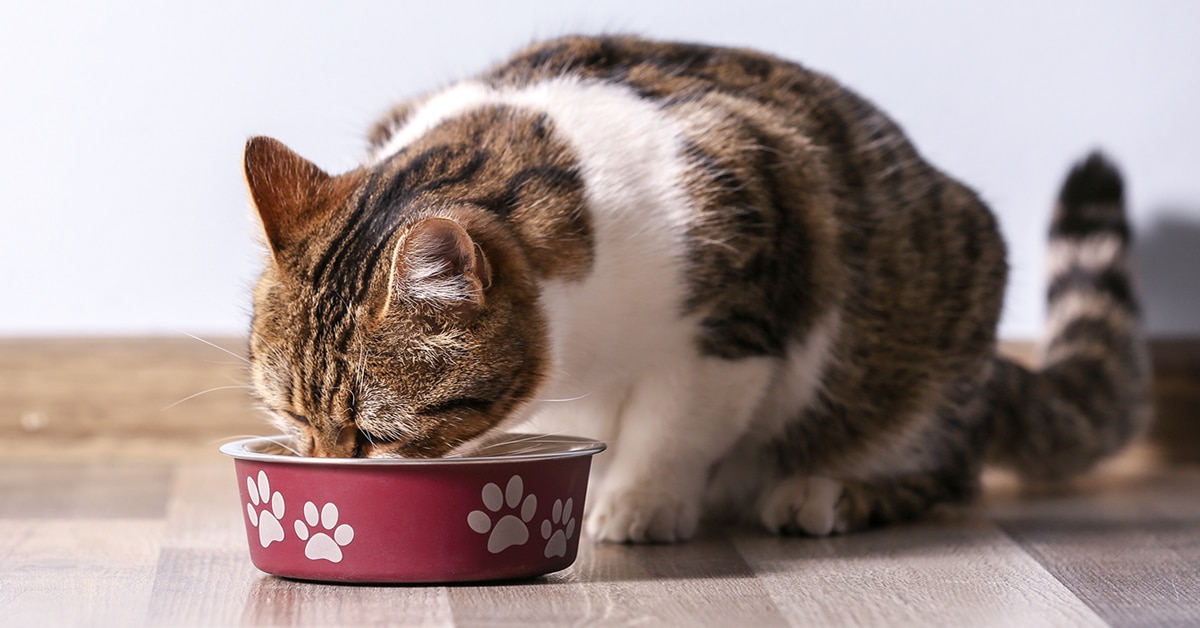
Complete and balanced nutrition for cats throughout pregnancy is critically important for the development of both them and their kittens. The nutritional requirements of pregnant cats can be reduced to a few key points. Pregnant cats need more energy than normal. This increased energy requirement is due to the continued development of the kittens and the initiation of milk production. Their protein needs also increase, as protein is vital for the development and growth of the kittens. The amount of fat, calcium, and phosphorus that pregnant cats need to consume through their diet also increases during this period. In addition, it is important to choose highly digestible foods for pregnant cats. High digestibility means that the cat's body can utilize the food more effectively. Since the energy needs of cats during pregnancy and lactation increase 2-6 times compared to normal times, they can obtain more energy from highly digestible foods.
Pregnant cats need more energy than normal. This increased energy requirement is due to the continued development of the kittens and the initiation of milk production. Their protein needs also increase, as protein is vital for the development and growth of the kittens. The amount of fat, calcium, and phosphorus that pregnant cats need to consume through their diet also increases during this period. In addition, it is important to choose highly digestible cat food for pregnant cats. High digestibility means that the cat's body can utilize more of the food. Since the energy needs of cats during pregnancy and lactation increase 2-6 times compared to normal times, they can obtain more energy from highly digestible foods.
After it is determined that cats are pregnant, a gradual transition to kitten food is necessary. Sudden transitions can lead to digestive system problems. Food transition standards for cats can also be applied during this period. You can find detailed information on this subject in our content titled "How Often and How Should Cat Food Be Changed?".
In short, the food change should be spread over a minimum of 7-10 days. For the first 1-2 days, 75% of the old food and 25% of the new food can be given, on the 3rd and 4th days 50% of the old food and 50% of the new food, on the 5th and 6th days 25% of the old food and 75% of the new food, and on the remaining days, 100% new food can be given in all meals.
Pregnant cats have constant energy needs. Instead of feeding them 1-2 times a day, their meals should be spread throughout the day. In other words, it is recommended that they eat small but frequent meals. A significant increase in appetite can be observed in the early stages of pregnancy and even into the last trimester. In the later stages, their appetite may decrease. A decrease in appetite in cats in the last trimester is not a cause for concern; it is considered one of the most important signs that birth is approaching.
Another important point to know about feeding pregnant cats is that dry food choices should be made to suit their palates. Some cats may find wet food more palatable and may prefer canned cat food instead of dry food. However, it should be known that the desired nutritional content cannot be achieved with wet food alone. It is recommended to explore dry food varieties that will appeal to the preferences of pregnant cats with discerning palates, and if wet food is to be given, to mix wet and dry food.
Mothers' Needs Are Intense During Lactation
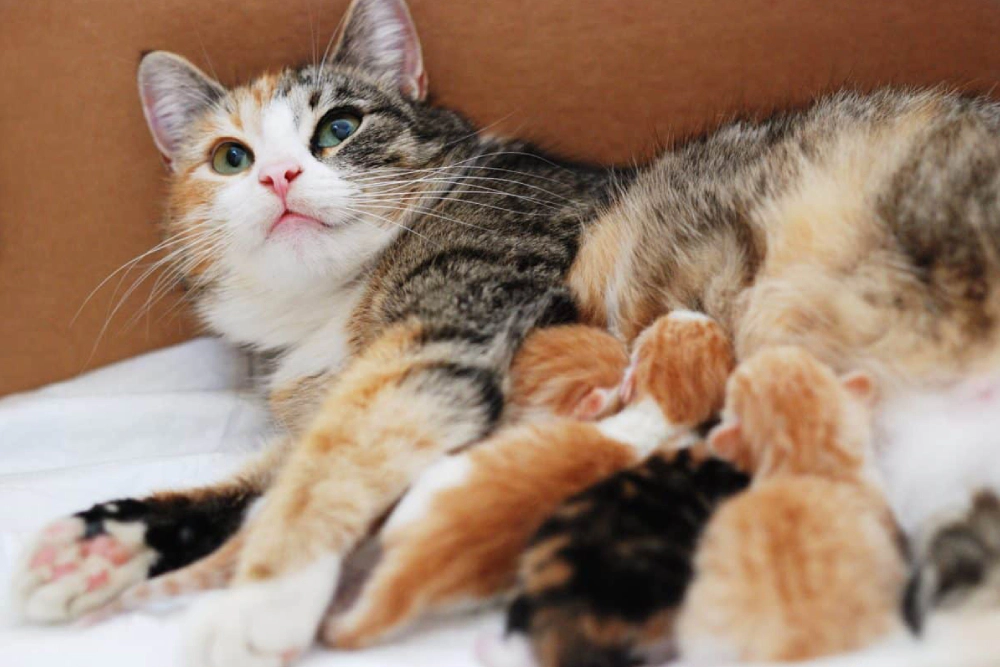
Feeding mother cats with kitten food during pregnancy ensures they receive the energy, minerals, vitamins, and calories they need. This allows both the mother and the kittens to develop and remain healthy. The key point to remember is that different nutritional needs continue during lactation.
Cats lose approximately 40% of the weight they gained during pregnancy at birth. The remaining weight is lost during milk production in the lactation period. After the kittens are born, mother cats' energy needs are again high. High-energy and highly digestible foods are important for increasing milk production and meeting the mother's basic needs. Therefore, feeding with high-quality kitten food should be continued throughout the lactation period.

A Quality Choice for All the Needs of Cats During Pregnancy and Lactation
With specially designed kibbles and clean ingredients containing healthy nutrients, Royal Canin provides special nutrition for cats of all ages, and maintains its high standard with its kitten food. You can view Royal Canin kitten food varieties, which ensure that the nutritional needs of cats during pregnancy and lactation are fully met, here and contribute to the protection of the health of cats during pregnancy, lactation and kittenhood.
Advertisement
Advertisement
Keep exploring
Continue reading

Cat Nutrition
The Importance of Fiber in Cat Food: Its Role in Digestion, Hairballs, and Weight Control
Most people just glance at the "crude cellulose" line in the analysis table on the cat food packaging.
Read guide →
Cat Nutrition
The Importance of Wet Food Consumption in Cats During Summer
When temperatures rise, cats, just like us, may have difficulty maintaining their fluid balance.
Read guide →
Cat Nutrition
Mineral Balance in Dry Cat Foods: The Role of Calcium and Phosphorus
The suitability of cat food for a cat in the long term is not determined solely by protein, fat, or calories.
Read guide →
Cat Nutrition
Essential Cat Food Ingredient Terms for Cat Owners
If you are a cat parent with at least one cat eagerly awaiting your return and nourished by your love in addition to the food you provide, this…
Read guide →