Cat's Watery Eyes: Causes and Effective Treatment Methods
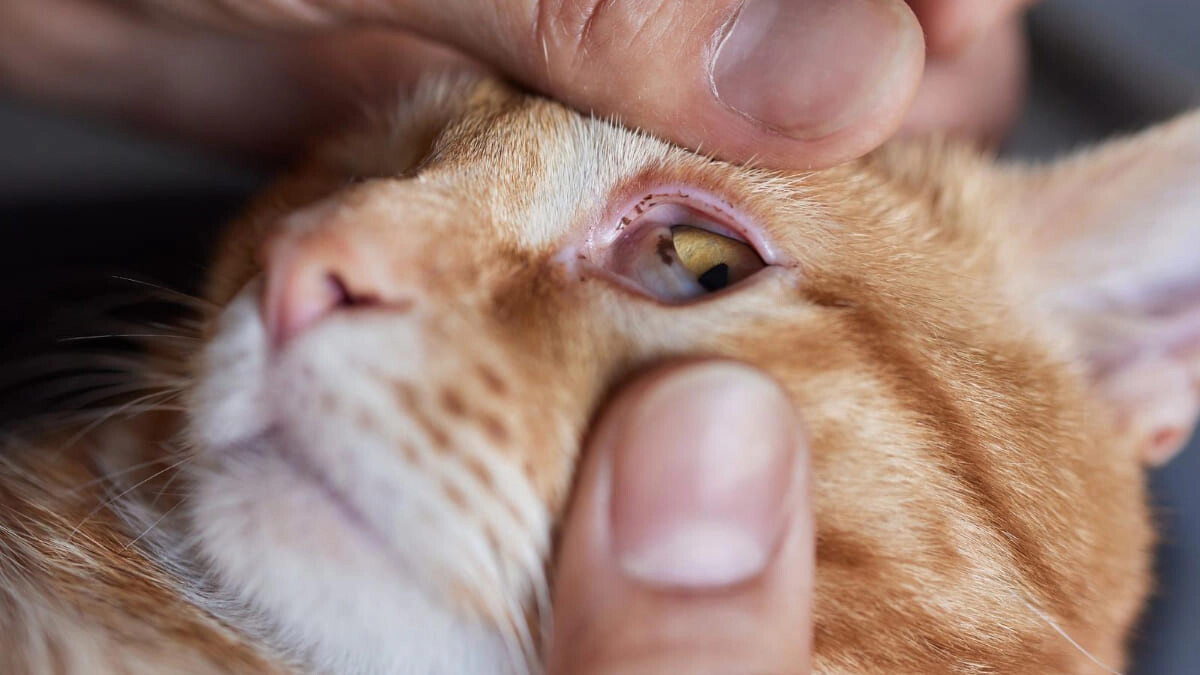
People who live with cats sometimes find themselves searching for the answer to the question, "Why do cats' eyes water?" Indeed, the reasons for watery eyes in cats are quite varied. Temporary irritation, such as dust getting into the eye, or an eye problem requiring treatment can both cause watery…
Advertisement
People who live with cats sometimes find themselves searching for the answer to the question, "Why do cats' eyes water?" Indeed, the reasons for watery eyes in cats are quite varied. Temporary irritation, such as dust getting into the eye, or an eye problem requiring treatment can both cause watery eyes in cats.
A small amount of clear fluid or slight crusting seen occasionally at the corner of the eye does not always mean disease.
Newly started, ongoing, or significantly increased watering should be evaluated differently. In addition to the appearance of the discharge, the cat's squinting, rubbing with its paws, and changes in its behavior should also be taken into consideration.
The color, consistency, and duration of eye discharge can help understand the situation. Knowing the possible causes will make it easier to distinguish what can be done at home and when to consult a veterinarian. Here are the details...
Warning: This content is for general informational purposes only. The appearance of watery eyes in cats alone does not indicate the source of the problem. If the cat is squinting, rubbing its eyes with its paw, or if the discharge is accompanied by redness, swelling, or cloudiness, veterinary evaluation should not be delayed.
Are Watery Eyes and Eye Discharge the Same Thing in Cats?
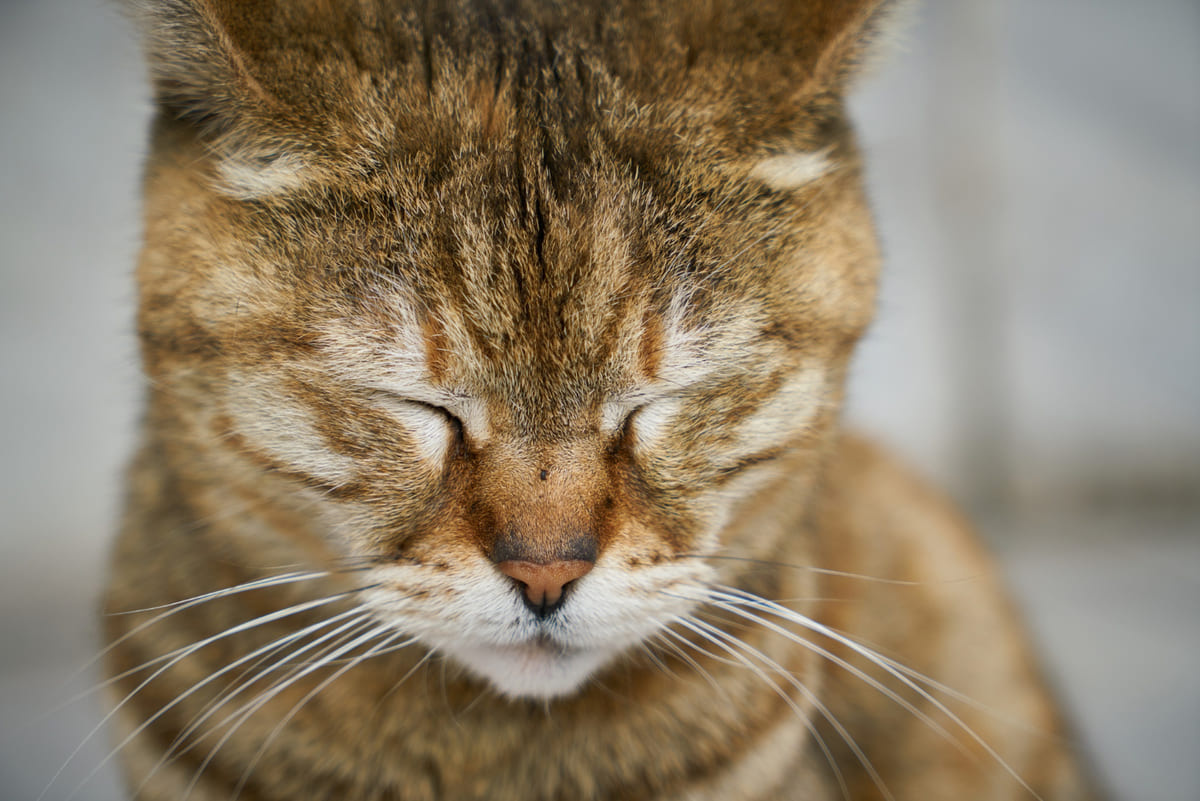
Watery eyes and eye discharge are related concepts, but they may not always be the same. Watery eyes are the overflow of tears onto the eyelids and face due to excessive production or insufficient drainage. It usually has a clear and watery appearance. Eye discharge is a broader definition. In addition to clear tears, it can also include mucous, dark-colored, yellow-green, foul-smelling, or bloody discharges. While the appearance of the discharge provides clues about possible causes, it is not a diagnosis on its own. Is Discharge and Redness Simultaneous? If watering and redness are seen together in one or both eyes of the cat, one of the possible causes is conjunctivitis. Also known as pink eye, conjunctivitis is an inflammation of the conjunctiva tissue, which covers the inner surface of the eyelids and part of the eye. Infections, allergies, dust, and other irritants can cause conjunctivitis. Although more common in young cats, it can affect cats of all ages. Feline herpesvirus 1 is also among the causes encountered, especially in recurrent cases.
Eye discharge is a broader definition. Besides clear tears, it can also include mucous, dark-colored, yellow-green, foul-smelling, or bloody discharges. While the appearance of the discharge can provide clues about possible causes, it is not a diagnosis on its own.
Are Discharge and Redness Simultaneous?
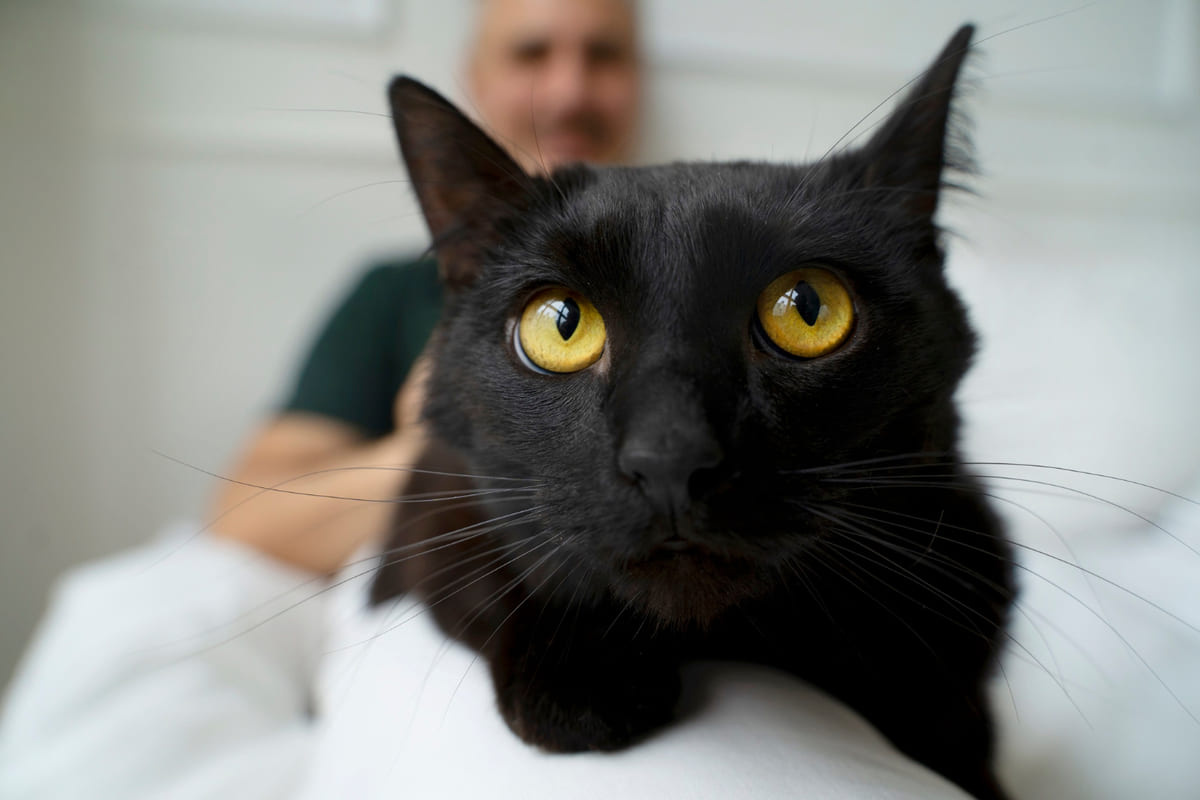
If a cat has watery eyes and redness in one or both eyes, one possible cause is conjunctivitis. Also known as pink eye, conjunctivitis is inflammation of the conjunctiva, the tissue that covers the inner surface of the eyelids and part of the eye.
Infections, allergies, dust, and other irritants can cause conjunctivitis. While more common in young cats, it can affect cats of all ages. Feline herpesvirus 1 is also among the causes, especially in recurrent cases.
Conjunctivitis is not always contagious. The risk of transmission varies depending on the underlying cause of the inflammation. When caused by viral and some bacterial agents, it can spread among cats.
PetMD lists redness, swelling, squinting, and discharge as symptoms of conjunctivitis. Since conjunctivitis can be painful, veterinary evaluation should not be delayed if the cat has difficulty opening its eyes, has heavy discharge, or the redness increases.
Eye Watering and Allergies in Cats
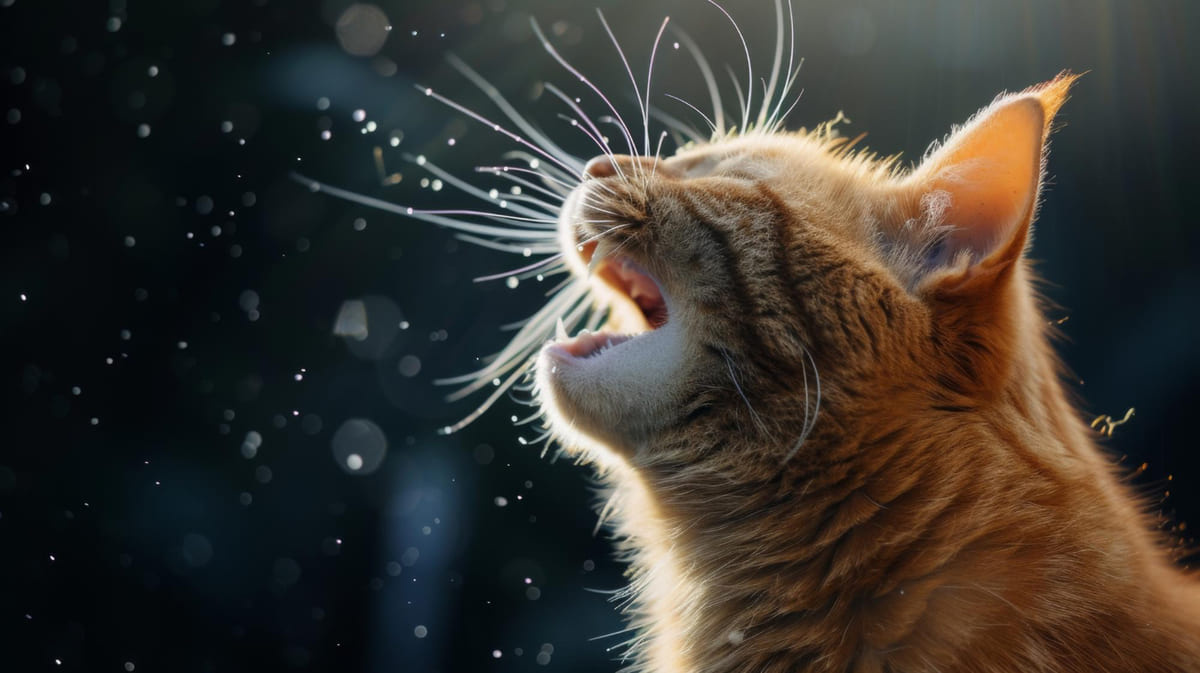
Allergies can cause irritation and watering in cats' eyes. Pollen, dust, mold, cigarette smoke, perfume, and some household cleaning products are among the possible triggers. Watery eyes may also be accompanied by sneezing or itching. Berkeley Dog & Cat Hospital states that reducing contact with the allergen can alleviate eye irritation. However, it is not always possible to determine which substance is causing the problem at home. Therefore, a veterinary evaluation is, as always, critical. Caution: Not all watery eyes in cats are allergy-related. Infections, foreign objects, and injuries to the surface of the eye can also cause similar symptoms. If watering continues or if redness, pain, and heavy discharge develop, a veterinary examination is necessary. Watery Eyes and Upper Respiratory Tract Infections in Cats Upper respiratory tract infections in cats can cause watery eyes. In these infections, also known as feline flu, viral agents such as feline herpesvirus and feline calicivirus may play a role. In addition to watery eyes, cats may experience symptoms such as sneezing, runny nose, fever, and lethargy.
Berkeley Dog & Cat Hospital states that reducing contact with allergens can alleviate eye irritation. However, it is not always possible to determine which substance is causing the problem at home. Therefore, a veterinary evaluation is, as always, critical.
Caution: Not all watery eyes in cats are allergy-related. Infections, foreign objects, and injuries to the surface of the eye can also cause similar symptoms. If watering continues or if redness, pain, and heavy discharge develop, a veterinary examination is necessary.
Eye Watering and Upper Respiratory Tract Infection in Cats
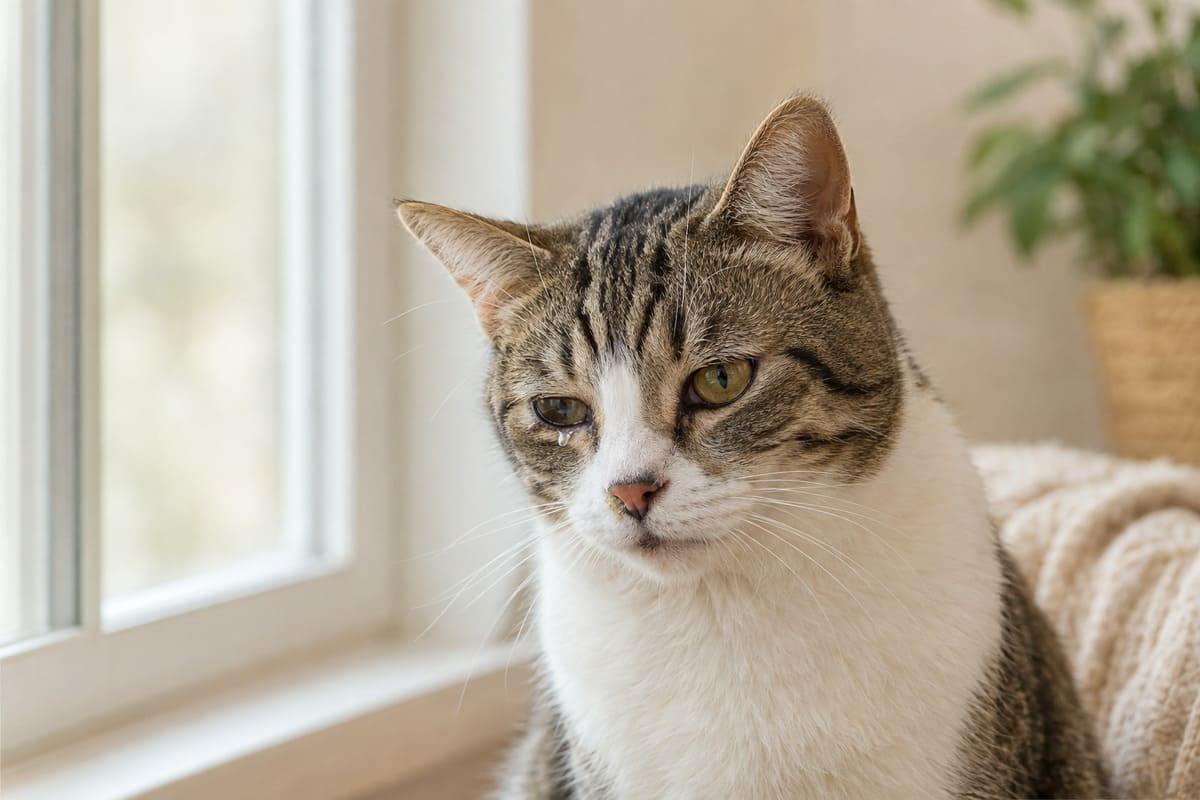
Upper respiratory tract infections in cats can cause watery eyes. Viral agents such as feline herpesvirus and feline calicivirus can play a role in these infections, also known as feline flu. In addition to watery eyes, symptoms such as sneezing, runny nose, fever, and lethargy may be observed in cats.
Vetster considers upper respiratory tract infections to be one of the common causes of eye discharge in cats. If the discharge is accompanied by loss of appetite, significant lethargy, or difficulty breathing, veterinary evaluation should not be delayed.
Eye Watering and Epiphora in Cats

In some cases, watery eyes in cats can become excessive. The overflow of tears from the surface of the eye onto the face is called epiphora. It can develop when there is a problem with drainage from the eyes to the nose through the tear ducts or when there is excessive tear production. Epiphora in cats can be congenital or acquired. Rhinitis, sinusitis, trauma to the facial bones, foreign bodies in the eye, anomalies related to the third eyelid, contact of the eyelashes with the eye (upper or lower eyelids), and tumors around the eye can trigger epiphora. Treatment is planned according to the factor causing its formation.
Rhinitis, sinusitis, trauma to the facial bones, foreign bodies in the eye, anomalies related to the third eyelid, contact of the eyelashes on the upper or lower eyelids with the eye, and tumors around the eye can trigger the formation of epiphora. Treatment is planned according to the factor causing its formation.
Epiphora, which should be considered a symptom rather than a disease, can lead to complaints such as skin infection, moisture under and in the corners of the eyes, an unpleasant odor, and reddish-brown discoloration around the eyes, in addition to excessive tearing. Some cat breeds are prone to epiphora due to their facial structure.
Especially in cats with flat and low faces, such as Persian cats and Exotic Shorthair breeds, tear fluid may have difficulty draining into the nose, causing epiphora and discoloration around the eyes.
Tearing and Foreign Bodies in Cats

Tearing in cats is not always related to infection or allergy. Physical problems that directly affect the eye surface of cats can also increase tear production.
Foreign Body
Foreign bodies such as dust, sand, or a small piece of plant matter can irritate the surface of the eye, leading to sudden tearing. The cat may blink frequently, squint, or try to rub its eyes with its paw. These symptoms may indicate that a foreign body is lodged in the eye or has damaged the cornea.
A foreign body that appears to be lodged in the eye should not be removed at home. If the cat has difficulty opening its eye, experiences significant pain, or the redness increases, a veterinary examination should not be delayed.
Corneal Ulcer
A corneal ulcer is a wound that develops on the transparent front surface of the eye. Trauma, scratches, or foreign bodies can cause damage to the cornea. Possible symptoms include squinting, frequent blinking, light sensitivity, redness, discharge, and the third eyelid becoming visible.
The depth of corneal damage cannot be determined externally. If deemed necessary, the veterinarian can check the wound on the surface of the eye with a fluorescent dye test. Since corneal ulcers can progress, one should not wait if the cat keeps its eyes closed or shows significant pain.
Treatment of Watery Eyes in Cats

There are various answers to the question "Why do cats' eyes water?", and treatment options vary depending on the answers given to this question.
Treatment for watery eyes in cats is planned according to the cause. The veterinarian evaluates the eyelids, conjunctiva, and cornea. If deemed necessary, a fluorescent dye test can be performed to identify corneal injuries. Tear production, intraocular pressure, and tear duct patency can also be checked.
When the cause of watery eyes in cats is an infection, veterinarians may prescribe eye drops, ointments, or oral medications depending on the causative agent and examination findings. If the cause is an allergy, identifying possible triggers and reducing contact can be included in the treatment plan.
If the cause is epiphora, medications, eye drops, tear duct irrigation, or surgical options may be considered depending on the underlying problem. The treatment plan may differ in cases of eyelid or eyelash structure abnormalities.
If there is pain in the eye, heavy discharge, swelling, or cloudiness in the cornea, treatment should not be delayed. Early evaluation can help prevent more serious damage that may develop in the eye tissues.
How to Clean Eye Discharge in Cats at Home?
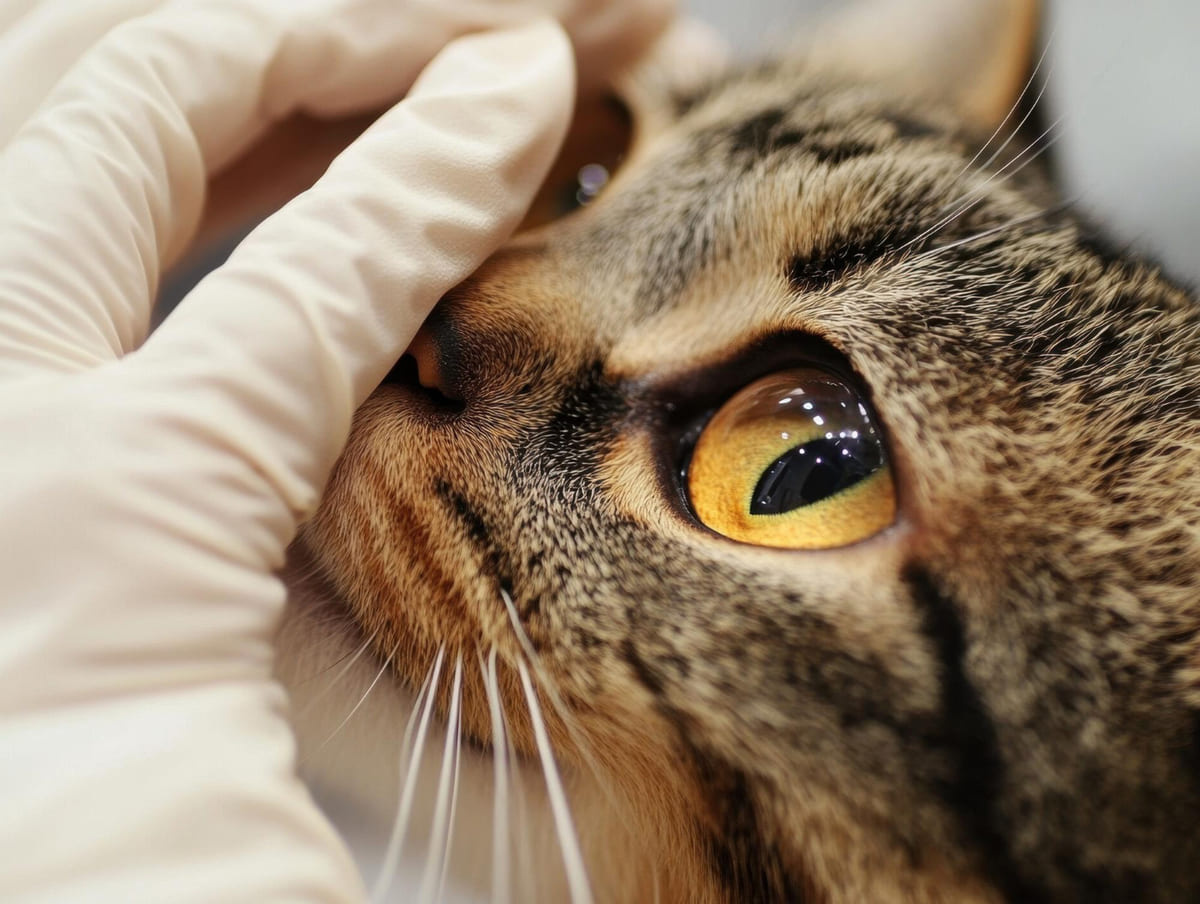
Home care should be limited to gently cleaning any mild discharge that accumulates around the eyes. Cleaning can soothe the skin around the eyes but does not treat the underlying cause of the watering.
- Moisten a clean, soft cloth or cotton pad with warm water.
- Soften soften the dried discharge and gently wipe away any discharge around the eyes without pressing.
- Use a separate, clean section of the cloth or a different cotton pad for each eye.
- Do not try to force open the cat's eyelids.
- Do not use human eye drops, eye solutions, or medications unless recommended by a veterinarian.
- Do not attempt to remove a foreign object that appears to be lodged in the eye.
You can find products that can be used for eye cleaning in cats by clicking here.
How to Prevent Watery Eyes in Cats?

Not all causes of watery eyes can be prevented. Facial structure, eyelid disorders, and some infections can develop despite regular care. However, reducing factors that irritate the eye surface and noticing possible changes early can make it easier to manage the process.
- Cigarette smoke, strong perfumes, aerosol sprays, and scented candles should not be used in the cat's environment.
- Very dusty cat litter and strongly scented cleaning products should be carefully selected as they can increase irritation in the eyes.
- In long-haired cats, it should be regularly checked whether the hairs around the eyes are touching the eyes.
- Controlled introduction of new cats can help prevent eye injuries that may occur during fights.
- The vaccination schedule appropriate for the cat's age and health condition should be followed in consultation with a veterinarian.
- Redness, discharge, and behavioral changes in the eyes should be noticed early.
Regular monitoring of changes in the eyes and not neglecting routine veterinary checkups are considered part of the same preventive plan in Berthoud Animal Hospital's eye care approach. If there is recurrent tearing, the underlying cause should be investigated instead of increasing the care routine.
When Should You See a Veterinarian for Watery Eyes in Cats?

If there is pain in the eye, significant redness, or a structural change, you shouldn't wait. Some eye problems can progress quickly and lead to damage affecting vision.
The following signs indicate that veterinary evaluation should not be delayed:
- The cat constantly squinting or keeping its eyes closed
- Rubbing its eyes with its paw and displaying significant pain and discomfort
- Redness and swelling in or around the eye
- Cloudy or discolored corneal surface
- Enlarged or protruding eyeball
- Bloody, dark, sticky, or foul-smelling discharge
- Foreign object lodged in the eye or a known foreign body Trauma
- The third eyelid remaining constantly visible
- Disorientation suggesting vision loss
- Eye discharge accompanied by marked weakness, loss of appetite, or difficulty breathing
Important: Cloudy, bloody, or foul-smelling discharge is among the changes requiring rapid veterinary evaluation according to All About Vision’s cat eye discharge guide. Even if the symptom seems mild, contact a veterinarian if it is progressively worsening or if the cat’s eye looks different than usual.
Frequently Asked Questions

Why is only one eye of my cat watering?
Tearing in one eye may be related to a foreign body, trauma, corneal damage, or a problem in the tear duct. Infections can also initially affect one eye. If sudden tearing is accompanied by squinting or pain, examination should not be delayed.
What does the color of cat eye discharge tell us?
The color of the discharge can give clues about possible causes, but it is not a diagnosis alone. Clear and watery discharge may be seen in irritation, allergies, viral infections, or drainage problems. Yellow, green, bloody, or foul-smelling discharge should be evaluated by a veterinarian.
Why do cats get brown spots around their eyes?
Brown or reddish-brown spots can be caused by the continuous accumulation of tears in the fur. This appearance may be more pronounced in cats with light-colored fur and flat faces. If the staining is accompanied by a bad odor, redness, or skin irritation, a veterinarian should be consulted. Is eye discharge contagious in cats? Not all eye discharge is contagious. Discharges due to viral and some bacterial infections can spread among cats. However, drainage problems due to allergies, foreign bodies, trauma, and facial structure are not contagious. Hands should be washed after contact with the discharge. Does cat eye discharge go away on its own? Short-term tearing due to mild irritation may resolve on its own. If the discharge increases, lasts longer than 24 hours, or is accompanied by redness and pain, a veterinarian should be consulted instead of waiting for it to heal on its own.
Is eye discharge in cats contagious?
Not all eye discharge is contagious. Discharges due to viral and some bacterial infections can spread among cats. However, drainage problems due to allergies, foreign bodies, trauma, and facial structure are not contagious. Hands should be washed after contact with discharge.
Does cat eye discharge resolve on its own?
Short-term tearing due to mild irritation may resolve on its own. If the discharge increases, lasts longer than 24 hours, or is accompanied by redness and pain, a veterinarian should be consulted instead of waiting for it to heal on its own.
Kaynaklar:
https://www.webmd.com/pets/cats/eye-discharge-in-cats
https://www.allaboutvision.com/eye-care/pets-animals/eye-discharge-cats/
https://berthoudanimalhospital.com/blog/cat-eye-discharge/
https://www.berkeleydogandcat.com/site/blog/2021/07/01/cat-eye-watering
https://www.pdsa.org.uk/pet-help-and-advice/pet-health-hub/symptoms/weepy-eyes-in-cats
https://vetster.com/en/symptoms/cat/eye-discharge
https://veteyecare.co.uk/for-owners/blog/5-causes-of-cat-eye-discharge-and-how-to-treat-them/
https://www.petmd.com/cat/general-health/common-cat-eye-problems
https://www.petmd.com/cat/conditions/eyes/watery-eyes-epiphora-cats
https://www.petmd.com/cat/conditions/eyes/c_ct_conjunctivitis
Advertisement
Advertisement
Keep exploring
Continue reading
Cat Health
Why Do Cats Get Thinner as They Age? Symptoms and Treatment
When stroking an aging cat's back, the spine or hip bones may feel more prominent than before, which is the first change most cat owners notice.
Read guide →
Cat Health
Cat Anatomy and Organs: Body Structure, Health Signs and Relationship with Diseases
A slight change in posture, a slight limp in gait, or a difference in litter box habits in cats can give clues about their body systems.
Read guide →
Cat Health
How to Acclimate Cats to Carrier Bags?
Does your cat hide, hiss, or resist with all its might the moment it sees the carrier? This reaction is described as carrier phobia in most homes…
Read guide →
Cat Health
What Should Be Considered After Vaccination in Cats?
Following your cat's vaccination schedule for health and a long life is one of the most critical decisions you will make as a pet owner.
Read guide →