Cat Treat Guide
Cats have managed to solidify their place in our homes and hearts by becoming domesticated thanks to their communication skills with humans over tens of thousands of years. The most important role for us cat people in this relationship should be to consider cat treat options to reinforce cats'…
Advertisement
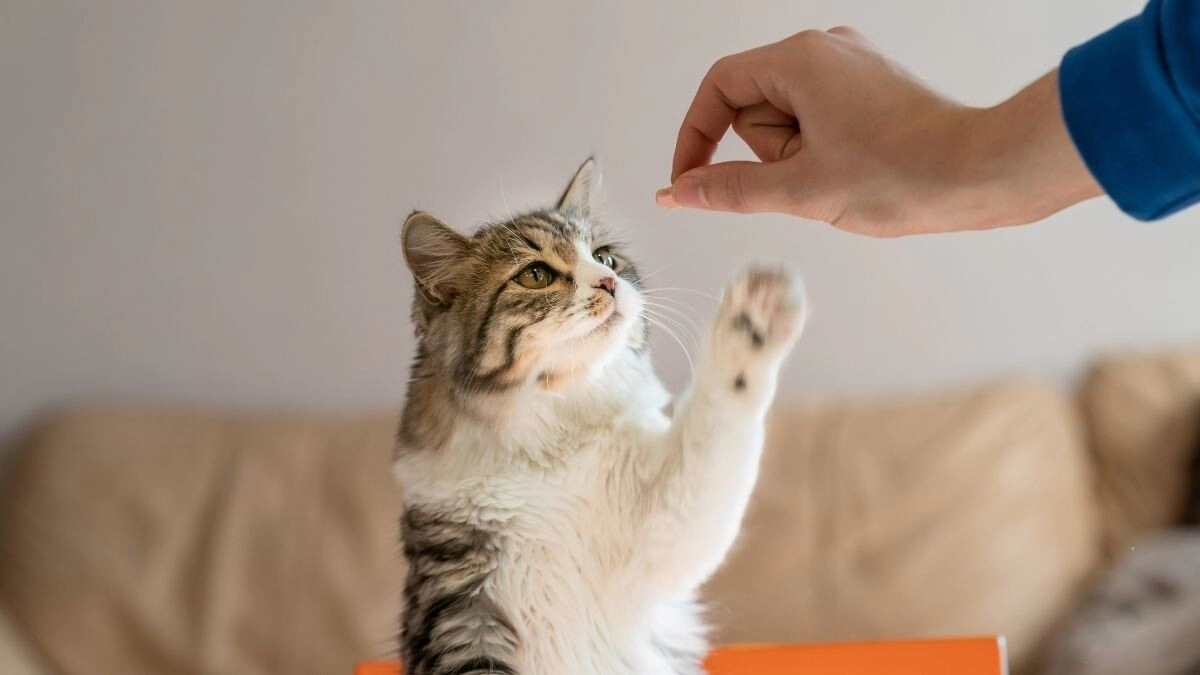
Cats have managed to solidify their place in our homes and hearts by becoming domesticated thanks to their communication skills with humans over tens of thousands of years. The most important role for us cat people in this relationship should be to consider cat treat options to reinforce cats' communication habits.
If you're ready to take a closer look at how cats react to treats and find the answer to the question "how much treat should be given to cats?", let's take a look at our guide, getting closer to the sound of meows step by step.
What are Cat Treats and What are They Used For?
Cat treats are tasty supplementary products that should be given in small amounts to train cats and reinforce behaviors we want them to continue doing. Because they are low in nutritional value, they should never be considered a meal.
You can think of treats as a bridge to strengthen the communication between you and your cats and to facilitate the training process. So how should we build this bridge?

Training, Bonding and Behavior Reinforcement Purpose
Contrary to the common belief that cats are untrainable, it has been proven that cats have no difficulty learning which behaviors are good when given the right feedback. For this, rewarding the behaviors we want them to do with cat treats is one of the most effective training tools used in behavior reinforcement and bonding.
Do you want your cat to like its carrier, trim its nails, or come to you when you call? Then you should create routines for your cat where they remember that they will be rewarded at the end of such actions.
As cat people, you can be sure that you will achieve successful results when you are calm, clear and repeat the same behavioral patterns. Remember, your cat adapts to your life by observing you and your behaviors.
The Place of Treats in Nutrition
In the relationship between cat treats and nutrition, treats should never be considered as a main meal. Cat treats are not a nutritional product and their place in the feeding plan should be to support the daily calorie needs in small portions, without exceeding them. The content of dry food is planned according to your cat's age, weight, daily activity, and general health condition. Therefore, cat treats are not an alternative to dry food and do not replace a main meal.
On the contrary, if given in excess, it can lead to unnecessary calorie intake and disruptions in appetite balance as the cat's interest in its main food decreases. It is important to limit the amount of cat treats you give to prevent future health problems in your cat.
How Much Treat Should Be Given to Cats Per Day?
Who wouldn't want their relationship with their best friend to last for many years and be healthy? However, it's important to be aware of the right portioning to prevent the reward mechanism from suddenly turning into "excess calories." It's time to talk about how much treat you can give your cat per day to strengthen your bond and teach them good behavioral patterns.
General Portion Recommendations
Depending on your cat's age, breed, and overall health, it is healthy to give treats in portions that do not exceed 10% of their daily calorie needs, as recommended by their veterinarian, if any. Exceeding this percentage will cause your cat to consume excess calories, so it is important to be careful with portioning.
The ingredients and calorie amounts of cat treats can vary. Therefore, before giving your cat treats, you should always check the recommended portion size on the package. If you give your cat treats several times a day, you should make sure the total stays below this limit.
The Dangers of Excessive Treats
Whenever you overdo it with treats, you should keep in mind that you may be endangering your cat's health. If you're wondering, "How will I know if I'm overdoing it?" or "How many treats should I give my cat per day?", get ready, we're answering the problems hidden under that cute belly.
Weight gain in cats is one of the important issues that can manifest as unpleasant health problems in later years. Any situation where you exceed their daily calorie needs will sound the alarm for them. Therefore, the total amount of treats you give your cat throughout the day should not exceed 10% of its daily calorie intake. While over-rewarding may seem to bring your cat closer to you today, it can create health problems for it in the future.
Moreover, this situation is also highly likely to develop into picky eating. If you give too much highly palatable cat treat during the day, you may develop an appetite and reluctance towards your cat's main food. In such cases, your cat will think, "There will be a tastier alternative anyway," increasing the likelihood of it rejecting its main meal. It is worth emphasizing again; treats are not an alternative to the main food.
What to Consider When Choosing Cat Treats?
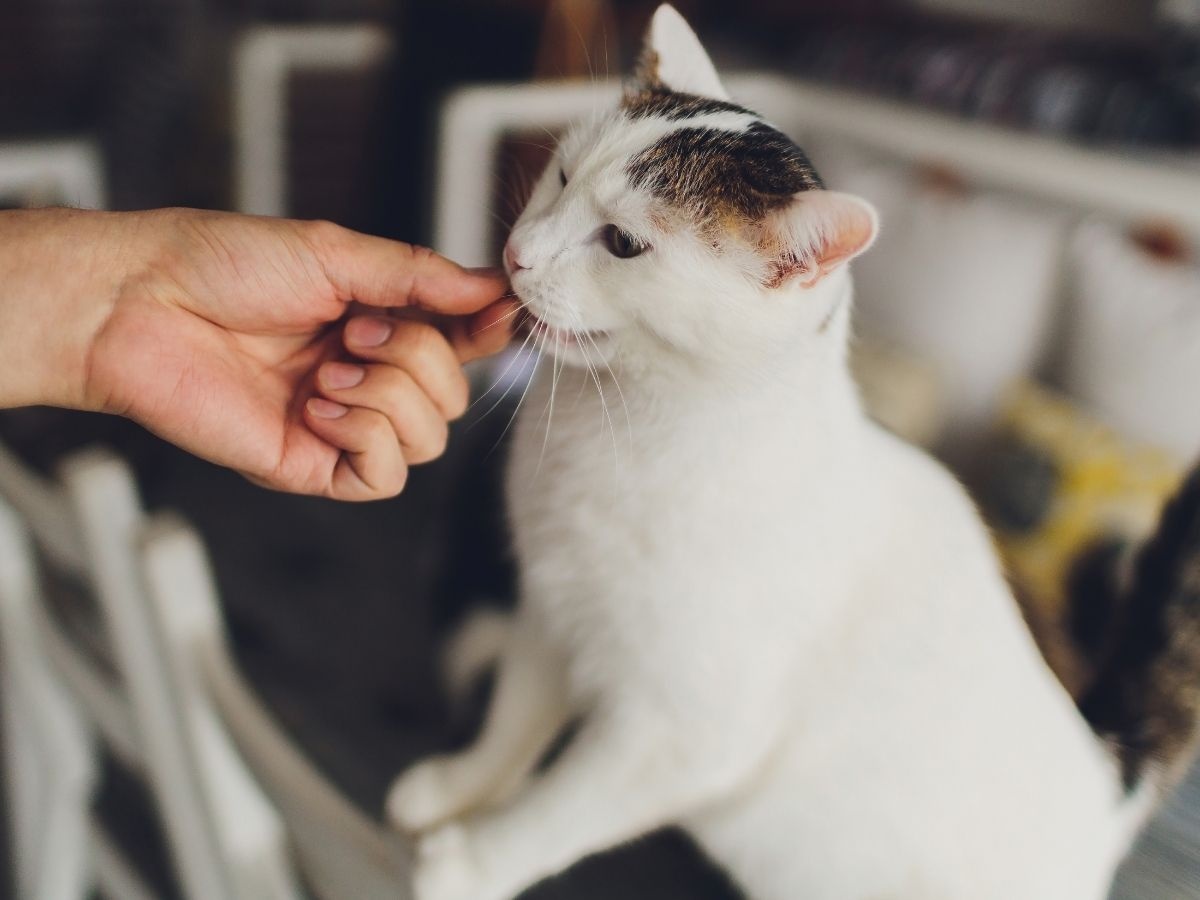
Leaving the choice of treats to your cat's taste is not the right approach. Since cat treats are complementary products, it's up to us cat owners to carefully choose the right one. Let's look at some key points to consider when making this choice.
Ingredients: Protein Content, Additives
When examining the ingredients of the treat you choose, it's necessary to determine what's best for your feline friend. First, you should pay attention to whether the animal protein source (chicken, salmon, duck, etc.) is clearly stated. If your cat has previously experienced skin sensitivity, we recommend that you do not repeat the protein sources that caused problems before.
The additives in the treat are another important point to consider. In some treats, it is possible to find flavorings or potentially harmful additives added to make the taste more appealing. Carefully read the label and make sure to choose products with clean and reliable ingredients.
We list the ingredients you should look for in reward treats:
- Vitamins and minerals such as Vitamin A, Vitamin C, Vitamin D3, Vitamin E, and zinc
- Rich in protein with a high meat content and taste approval from other cats
- Grain-free and GMO-free ingredients
Cat's Age, Weight, and Sensitivities
Each cat has its own unique habits and sensitivities. Your cat's age, weight, and health history should be considered as determining factors in choosing reward treats. For cats prone to weight gain, opting for low-calorie products is a good choice.
However, kittens, adult cats, and senior cats have different digestive tolerances and energy needs. If your cat has a specific condition such as digestive sensitivity, food intolerance, allergy tendency, or urinary tract sensitivity, it is important to consult a veterinarian for healthy cat treats.
Treats Suitable for Dental Health
Another important point to consider is choosing treats that are suitable for dental health, as this can affect digestion. So how should we choose treats that are suitable for our cat's oral and dental structure?
When choosing cat treats for dental health, you can opt for hard/dental treats. Hard treats help support oral hygiene thanks to the friction they create during chewing. However, they do not replace the dental and gum care routine on their own.
For cats with older or sensitive teeth, soft treats are a good choice. Since soft treats won't create chewing problems, you can help your cat get the reward it needs without causing it discomfort.
Treat Suggestions for Cats with Low Fluid Intake
Keeping your cat's fluid intake under control plays a very important role in protecting kidney health. For cats that don't have a habit of drinking water, using creamy and liquid cat treats will be effective in providing the missing fluid support. Here, we want to emphasize the same point again: it should not be forgotten that creamy and liquid treats should be given to support fluid intake, not to replace drinking water.

Creamy and Liquid Cat Treats
Creamy and liquid cat treats with a puree consistency are very tasty and easy-to-consume products that will attract your cat's attention. They are particularly effective in turning stressful moments such as nail trimming, grooming, or vet visits into positive behaviors with cat cream. They can never replace water and wet food, but can be used to encourage water drinking.
Supporting Daily Fluid Intake
Creamy and liquid treats, like hard treats, are products preferred to motivate your cat and are developed to support daily fluid intake. They should be preferred especially in cats that drink little water to support kidney and skin health.
Liquid cat treats, which are a reward for cats who drink little water and are preferred to support fluid intake, are not so innocent in terms of calories. Therefore, it is important not to overlook portion control while monitoring daily fluid intake.
Can Cat Treats Replace Dry Food?
The most direct answer we can give to the question "Can cat treats replace dry food?" is, of course, no. Cat treats, regardless of their form, are not an alternative that can be considered in place of dry food. Cat treats do not replace dry food or main meals to meet your cat's nutritional needs.
No: Why Not?
Dry foods, designed according to a nutritional table for cats' daily needs; It is prepared by calculating the balance of protein, fat, vitamins and minerals. Treats, however, are not sufficient for a complete and balanced diet. Cat treats should absolutely not replace dry food as they can affect appetite and behavioral balance. Their use is only recommended for training, motivation and behavior reinforcement. Unlike dry food, which should be selected according to each cat's unique needs, treats should not be considered as a main meal as they can have low nutritional value and high calorie density. Correct Use of Treats For correct use, the point that we pet parents should focus on is to remember that treats are not for feeding our cat, but a "reward mechanism" for training and motivation. If you want to strengthen the bond between you, you can give the treat directly from the packaging or mix it with its dry food for a tasty main meal.
Unlike dry foods, which are chosen to meet each cat's unique needs, treats should not be considered as a main meal as they may have low nutritional value and high calorie density.
Proper Use of Treats
For proper use, the point we pet parents should focus on is remembering that treats are not meant to feed our cats, but rather as a "reward mechanism" for training and motivation. If you want to strengthen the bond between you, you can give treats directly from the packaging or mix them with their dry food for a delicious main meal.
If you wish, let's take a look at the guide to the correct use of treats that we have summarized in a few points:
- Should not exceed 10% of daily calorie intake
- Should be given in small amounts immediately after the target behavior to reinforce the behavior
- The amount of treats spread throughout the day should be kept under control so that it does not exceed the 10% rule
- The frequency and amount of treats should be reduced as needed to maintain the main meal
- The package contents must be checked to ensure balanced and clean nutrition
- If your cat has a specific sensitivity, you must consult your veterinarian

Terralora What to Consider When Choosing Cat Treats?
We are here to help you choose a cat treat that is both reliable and delicious, and that your cat will love. Using the right filters when browsing the cat products category and making a selection based on age, needs, and treat type will save you time.
Let's continue with suggestions that we think will help you choose cat treats at Terralora.
Correct Filtering in the Cat Products Category
Applying the right filtering methods plays a crucial role in helping you find the best option among thousands of choices in the Terralora cat products category. Many products and brands, from cat food to beds, collars to grooming and cleaning products, are under the Terralora guarantee.
By correctly identifying your cat's needs among cat products, you can quickly access hundreds of different types of cat treats.
Selection According to Age, Needs, and Treat Type
When browsing cat treats at Terralora, you can make a selection based on your cat's age (kitten, adult, senior) and the type of treats that meet its specific needs (dental health, fluid support, etc.).
Terralora cream cat treats, which can be safely consumed by all cats older than 6 weeks, will be a very beneficial choice for calorie control. The correct amount to use is 2-4 treats per day for kittens (1-2 kg range), and 6-8 treats per day for adult cats (3-4 kg range).
Kaynaklar:
https://www.pnas.org/doi/10.1073/pnas.1311439110
https://vcahospitals.com/know-your-pet/cat-treats
https://www.aaha.org/wp-content/uploads/globalassets/02-guidelines/dental/aaha_dental_guidelines.pdf
https://icatcare.org/resources/cat-carer-guide-encouraging-your-cat-to-drink.pdf
https://www.fda.gov/animal-veterinary/animal-health-literacy/complete-and-balanced-pet-food
Advertisement
Advertisement
Keep exploring
Continue reading

Cat Nutrition
The Importance of Fiber in Cat Food: Its Role in Digestion, Hairballs, and Weight Control
Most people just glance at the "crude cellulose" line in the analysis table on the cat food packaging.
Read guide →
Cat Nutrition
The Importance of Wet Food Consumption in Cats During Summer
When temperatures rise, cats, just like us, may have difficulty maintaining their fluid balance.
Read guide →
Cat Nutrition
Mineral Balance in Dry Cat Foods: The Role of Calcium and Phosphorus
The suitability of cat food for a cat in the long term is not determined solely by protein, fat, or calories.
Read guide →
Cat Nutrition
Essential Cat Food Ingredient Terms for Cat Owners
If you are a cat parent with at least one cat eagerly awaiting your return and nourished by your love in addition to the food you provide, this…
Read guide →