Causes of Sudden and Crazy Behavior in Cats
Your cat might suddenly start running or surprise you with a meowing session that feels like it will never end. These sudden and crazy behaviors in cats often surprise cat owners. Understanding cat body language is not as easy as understanding human or dog body language.
Advertisement
Your cat might suddenly start running or surprise you with a meowing session that feels like it will never end. These sudden and crazy behaviors in cats often surprise cat owners. Understanding cat body language is not as easy as understanding human or dog body language. Therefore, cat owners need to be aware of the basic elements in the emergence of these sudden and crazy behaviors. While sudden and crazy behaviors in cats can be completely normal, in some cases they may also indicate behavioral disorders. In this article, we will discuss the causes of sudden behaviors in cats and also provide information specifically on behavioral disorders in cats.
Why Do Cats Make Sudden and Frequent Movements?
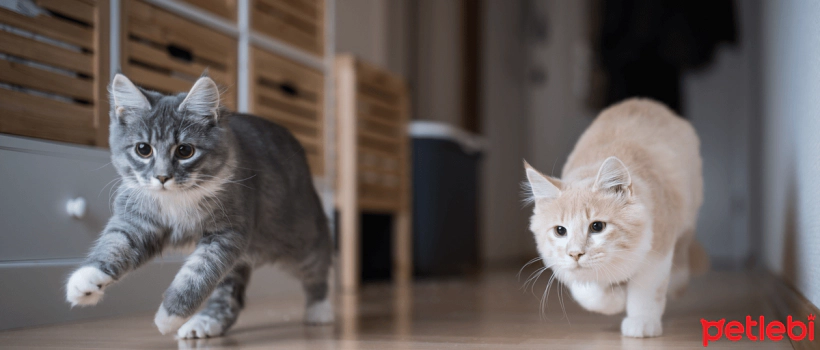
There are times when cats of all breeds suddenly start running, scour the entire house as if searching for the world's most precious treasure, and meow as if they are in great pain. Cats running as if being chased on a race track suddenly slow down or stop abruptly. Afterwards, they start licking themselves or looking around as if nothing happened. Many cat owners encounter this behavior and conclude that something has disturbed the cat. Similarly, sudden, loud meowing is also among the behaviors that worry cat owners. Both sudden running and meowing can occur late at night. This is referred to as midnight madness. Cats may choose to jump onto the bed and wake their owners to share in these frantic behaviors, in other words, to invite their owners to their wild antics. There can be different reasons for sudden and frantic behavior in cats.
Wild Instincts
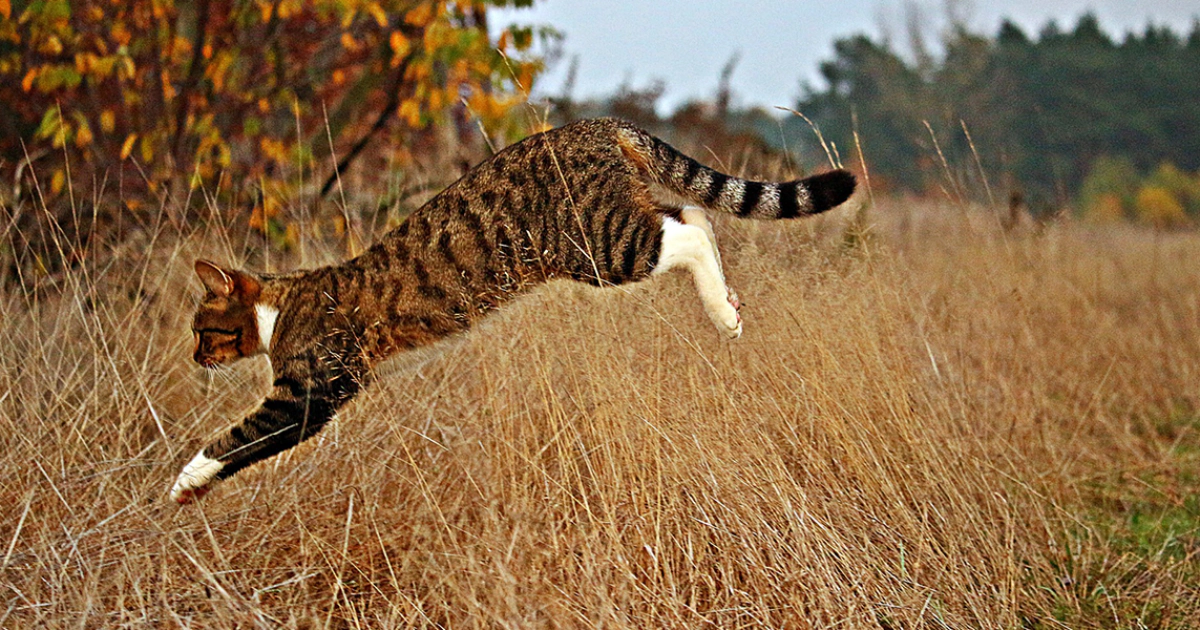
It's safe to say that house cats are among the cutest creatures in the world. With their beautiful fur, eyes that widen at night, and cute ears that lie forward, they can be a true epitome of cuteness. It's important to remember that behind all this cuteness, they are natural predators. Even though house cats are domesticated, they retain their wild instincts. The basis of cats' sudden and frantic behavior may lie in their hunting behaviors. They may make sudden turning maneuvers and try escape techniques, performing actions that will surprise their owners. Domestic cats, who don't need to hunt for food, need to release their suppressed energy. Planning different play sessions with cat toys that support their instincts helps reduce these behaviors and allows the cat to increase its energy in a healthy way. You can examine cat toys that cats love to play with and that are designed to activate their instincts by clicking here.
Night Instinct
Cats are nocturnal, meaning they are active at night and sleep during the day. Therefore, it is common for cats to be more active at night. Cats can be particularly active at night if they don't get enough exercise or movement during the day. Cats left alone at home during the day may become much more active at night when their owners return home.
Aging
Cognitive dysfunction can occur with aging. As pets age, their brains begin to function differently. The main reason for sudden and erratic behavior in aging cats may be their age, in addition to their instincts.
Parazitler
A cat exhibiting erratic behavior may be due to something bothering it in its body. Cats can be susceptible to flea bites, and external parasites can cause them to scratch in places they can't reach. In this case, you may see the cat suddenly start acting wildly, trying to bite itself. If you encounter such a situation, you should definitely consider the possibility of external parasites and consult a veterinarian.
Feline Hyperesthesia Syndrome (FHS)
Feline hyperesthesia syndrome can be a reason for the frantic behavior of cats. This syndrome, whose cause is unknown and which affects adult and elderly cats, can rarely be the reason for sudden and frantic behavior in cats. In cats with feline hyperesthesia syndrome, the skin on the cat's back appears to ripple as it runs. The cat frequently bites its tail without any external parasite problem. When cat owners stroke the cat's back or tail, the cat excessively grooms, scratches, or bites those areas, and then runs wildly around the house. If these kinds of symptoms are noticed, a veterinarian should be consulted as soon as possible.
Differences Between Impulsive Behaviors and Aggression in Cats
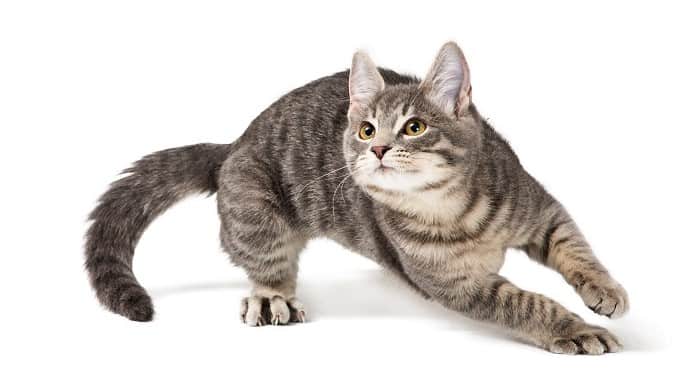
There are very fundamental differences between impulsive behaviors and aggression in cats. Therefore, it is very important for cat owners to be good observers. Since both impulsive behaviors and aggression can have medical causes, it is necessary to analyze the cats' movements well. Impulsive behaviors in cats usually manifest as sudden running, prolonged and loud meowing. Aggression, on the other hand, manifests itself through changes such as hissing, ruffled fur, growling, ears pulled back, and a stiffened tail. Aggression in cats can also have different causes, just like impulsive behaviors. Therefore, behavioral disorders, causes of aggression, and triggers for erratic behavior in cats should be addressed separately.
Advertisement
Advertisement
Keep exploring
Continue reading

Cat Behavior & Training
Cat Sounds and Meanings: A Guide to Understanding Cat Communication from Meowing to Purring
When you start living with a cat, one of the first things you notice is how different their sounds are.
Read guide →
Cat Behavior & Training
Constant Meowing and Crying in Cats: Causes and Solutions
Constant meowing and crying in cats is one of the most common behavioral changes noticed by cat owners.
Read guide →
Cat Behavior & Training
Fecal Defecation Behavior Disorder
Defecation behavior disorder in cats is a common problem faced by many cat owners, naturally causing them concern.
Read guide →
Cat Behavior & Training
Cat Behaviors and Meanings According to Monthly Development
As cats go through life stages, their behaviors and needs also change. Living with kittens and witnessing their development is both enjoyable and…
Read guide →