Causes, Symptoms, and Treatment of Food Allergies in Cats: What Should I Do?
While our greatest wish is for our life companions to always be healthy, in some cases Unexpected health problems may arise. One of these problems is allergies. Some cats may develop sensitivities to certain components in the food they consume, leading to various problems ranging from digestive…
Advertisement
While our greatest wish is for our life companions to always be healthy, in some cases Unexpected health problems may arise. One of these problems is allergies. Some cats may develop sensitivities to certain components in the food they consume, leading to various problems ranging from digestive disorders to skin problems. Food allergy in cats has the potential to negatively affect their daily lives, overshadowing their energy and cheerfulness. Early diagnosis and resolution of food allergy with the right steps are crucial. Therefore, if you suspect your cat has developed an allergy to its food, it is essential to share your observations with your veterinarian to obtain the appropriate treatment method. In this article, you can find answers to frequently asked questions about food allergy in cats. What is Food Allergy in Cats? Food allergy is a disorder that occurs when the immune system gives unexpected reactions to certain components found in the food consumed by the cat. This situation can lead to skin and digestive problems over time, reducing the cat's overall quality of life. While some cats develop a reaction to only a single protein, others may show sensitivity to different food substances. The immune system begins to perceive these normally harmless substances as a "danger." The system shows similar symptoms every time it encounters the same component. This repetition brings about problems such as skin irritation or digestive system imbalance. Factors affecting susceptibility to allergies include heredity, environmental conditions, and dietary habits. Although food allergy and food intolerance in cats show similar symptoms, these two conditions arise as a result of the reaction of different mechanisms. Allergy occurs when the immune system overreacts to a specific substance, while intolerance occurs when certain components of the digestive system cannot function properly. Knowing this distinction will help you correctly understand the health problem your cat is experiencing and direct it to the appropriate treatment.
Food allergies in cats have the potential to negatively affect their daily lives, overshadowing their energy and cheerfulness. Early diagnosis and appropriate treatment of cat food allergies are crucial. Therefore, if you suspect your cat has developed an allergy to its food, it's essential to share your observations with your veterinarian to find the right treatment. In this article, you can find answers to frequently asked questions about cat food allergies.
What is food allergy in cats?

Cat Food Allergy? Cat food allergy is a condition where the immune system reacts unexpectedly to certain components in the food a cat consumes. This can lead to skin and digestive problems over time, reducing the cat's overall quality of life. While some cats only react to a single protein, others may show sensitivity to different food items.
The immune system begins to perceive these normally harmless substances as a "danger." The system exhibits similar symptoms each time it encounters the same component. This recurrence leads to problems such as skin irritation or digestive system imbalance. Factors influencing susceptibility to allergies include heredity, environmental conditions, and dietary habits.
Although food allergy and food intolerance in cats show similar symptoms, these two conditions arise from the response of different mechanisms. Allergy occurs when the immune system overreacts to a specific substance, while intolerance occurs when certain components of the digestive system cannot function properly. Understanding this distinction helps you correctly understand your cat's health problem and choose the appropriate treatment.
How Does the Allergy Mechanism Work?
The basis of the allergy mechanism lies in the incorrect target recognition by immune cells. The body produces antibodies and inflammatory mediators (e.g., bradykinin, histamine) to destroy a protein that is actually considered harmless. If this defense mechanism becomes chronic, more serious conditions that can threaten your cat's health may arise.
In some cats, this reaction occurs acutely, and symptoms begin suddenly. Rapid diagnosis plays a critical role in alleviating symptoms. Early intervention and an appropriate diet help control recurring problems caused by allergies.
Most Common Allergens Causing Food Allergies
The most common allergens in cats are:
-
Foods high in protein, such as chicken, beef, and fish, can cause an immune system reaction in cats.
-
Lactose intolerance is common in cats, especially adults, and dairy products contain components that are difficult for most cats to digest. Can Cats Drink Milk? Can Milk Be Given to Kittens? and Can Cats Eat Yogurt?
-
Corn and soy are additives that can cause allergic reactions.
-
Artificial ingredients found in low-quality foods may not be tolerated by cats' bodies and can cause allergic symptoms.
The Difference Between Food Allergy and Intolerance
In food allergy, the cat's immune system recognizes a potentially harmless protein as foreign and produces antibodies against it. This process is reflected as severe itching on the skin or prolonged digestive upset.
Food intolerance, on the other hand, is not related to the immune system. It occurs as a result of the digestive system's inability to adequately break down certain food components. Lactose intolerance is a good example; cats that cannot digest lactose in milk may experience diarrhea and stomach upset. You can find more detailed information on this topic in our article titled "You Can Choose Larva Protein Food for Your Cat with Food Intolerance". Understanding the difference between food allergy and intolerance is important in terms of the treatment method to be applied. S049512S049513S049512S049512S049512S049512S049512S049512S049513S049513S049512S049513S049513S049513S049513S049513S049513S049513S049513S049513S049513S049513S049513S049514 ...1S049511S049511S049511S049511S049511S049511
You can find more detailed information on this topic in our article titled "You Can Choose Larva Protein Food for Your Cat with Food Intolerance." Understanding the difference between food allergy and intolerance is important for determining the appropriate treatment method.
Symptoms of Food Allergy in Cats
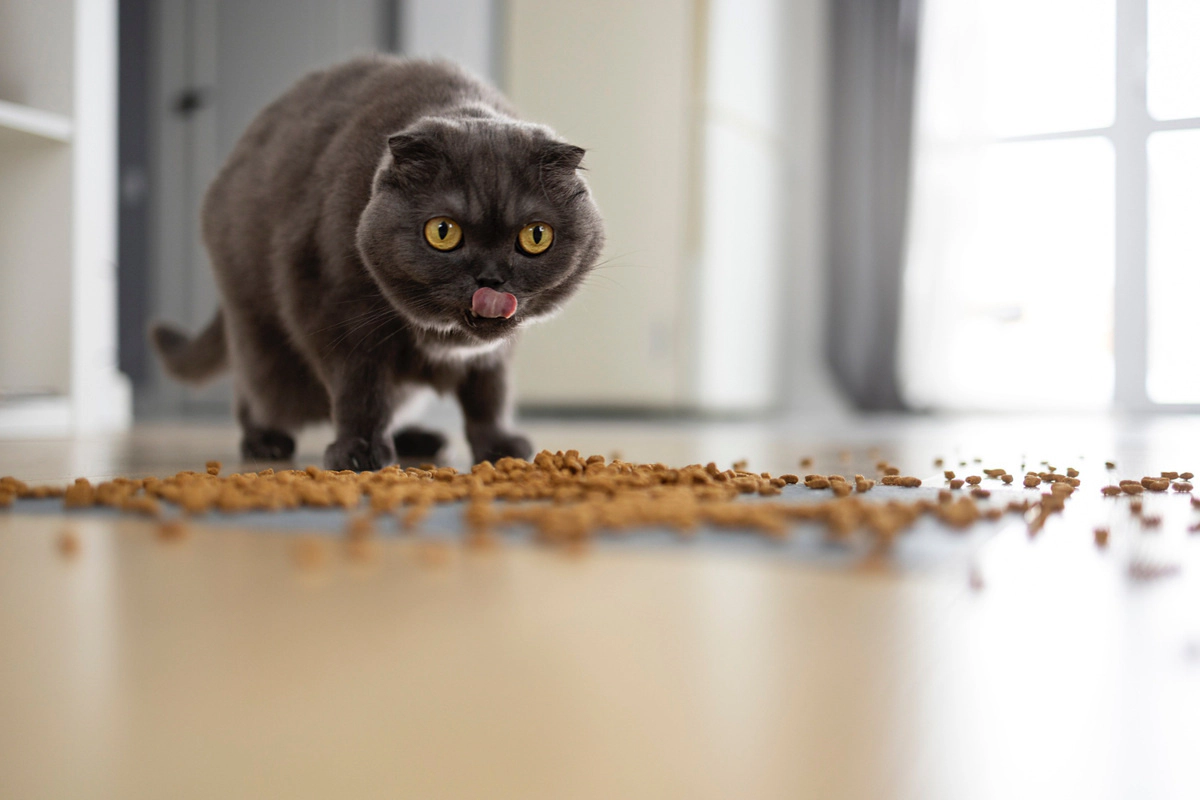
Symptoms of food allergy in cats usually manifest on the skin and digestive system. Allergic reactions can range from mild itching to severe skin inflammation. In some cats, symptoms appear suddenly, while in others, symptoms worsen over time. To determine if your cat has a food allergy, it is important to pay attention to both physical and digestive symptoms.
One of the most common symptoms in cats is skin problems. Allergy-related skin reactions are usually more noticeable in the ear, face, neck, abdomen, and paw areas.
Skin redness and itching: If your cat is constantly scratching, licking, or biting its body, there is a high probability of an allergic reaction.
Hair loss and scaling of the skin: The skin becomes sensitive due to an allergic reaction, and hair loss may occur. In long-term allergies, scaling and open sores may form on the skin surface.
Diarrhea or constipation: Cats with food allergies frequently experience changes in their stool. Some cats develop diarrhea, while others may experience constipation.
Vomiting and loss of appetite: An allergic reaction can upset the stomach, causing the cat to refuse to eat and vomit. You can find important information in our article "Why Do Cats Vomit? Symptoms and Treatment of Cat Vomiting, What Helps with Cat Vomiting?".
Symptoms of gas or abdominal pain: If your cat has bloating, gas, or discomfort when the abdominal area is touched, this could be a sign of a food allergy.
Ear infections: If your cat frequently scratches its ears or shakes its head, a food allergy may have caused ear infections.
If you observe several of these symptoms in your cat, it is important to consult your veterinarian for early diagnosis and appropriate treatment. Since food allergies can worsen over time, it is important not to ignore the symptoms.
Causes of Food Allergies in Cats

Food allergy occurs when your cat's immune system overreacts to a specific food. Genetic predisposition, dietary habits, and environmental factors can trigger this condition.
The most common causes of allergic reactions include protein sources, grains, and additives. To ensure your cat has a healthy diet, it's crucial to identify foods that can cause allergies and choose the right food.
Some cats are more prone to allergies due to genetic predisposition. Certain breeds may have a more sensitive immune system and experience food allergies more frequently.
Breed and genetic predisposition: Some cat breeds are more susceptible to food allergies than others. Food allergies can develop in cats from the age of 3 months. As stated in the VCA, the incidence of food allergies is equal in female and male cats.
Stress and environmental changes: Sudden changes in the home, moving, or the arrival of a new pet can weaken your cat's immune system and trigger allergic reactions.
Low-quality nutrition: Foods with low nutritional value and/or additives can sensitize your cat's immune system.
To prevent your cat from developing food allergies, it is crucial to establish a balanced and high-quality diet, reduce stress factors, and identify allergens.
Diagnosis of Food Allergy in Cats
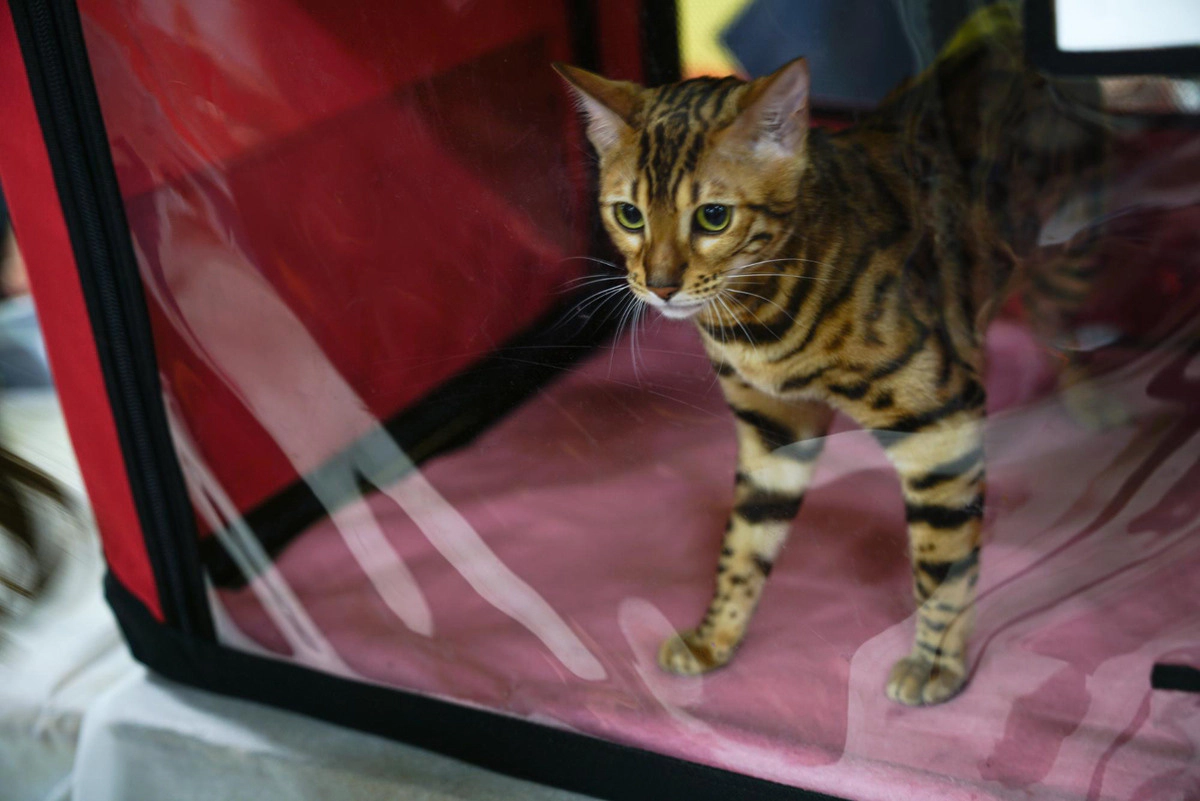
If you suspect your cat has developed an allergy to its food, you must consult a veterinarian for a definitive diagnosis. Since allergy symptoms can be confused with many different diseases, it is difficult to make a definitive diagnosis without proper testing. During the diagnostic process, your veterinarian can determine which foods your cat reacts to by performing various tests and dietary trials. In the treatment process, special nutritional programs and supportive methods are applied to alleviate symptoms and protect your cat's overall health.
Diagnosing food allergies requires a systematic process. After evaluating your cat's symptoms, your veterinarian may recommend the following tests:
Blood tests and skin tests: Although these are done to determine the levels of antibodies that cause allergic reactions, it is possible that these tests do not give definitive results in food allergies.
Elimination diet: Your cat's current food is completely changed and fed a hypoallergenic or single-protein food. During this process, it is observed whether the symptoms decrease. If the symptoms disappear, it is understood that a component in the previous food caused the allergy.
An elimination diet usually lasts 6 to 8 weeks, and the cat should not consume any other food during this period. This diet is one of the most reliable methods for diagnosing food allergies in cats.
Treatment Methods for Food Allergies in Cats

After a definitive diagnosis of the allergy, your veterinarian may recommend some treatment methods to alleviate symptoms and support your cat's immune system:
-
In severe allergic reactions, antihistamines, corticosteroids, or immune system-supporting supplements may be used. Omega-3 and probiotics can also reduce itching by supporting skin health. Medications used in treatment must be prescribed by a veterinarian.
-
Hypoallergenic cat foods that do not contain the ingredients causing the allergy can be preferred during this period. These foods use hydrolyzed proteins that are broken down into particles too small to be recognized by your cat's immune system.
-
Reducing stress and implementing a nutritional plan that supports your cat's overall health will make allergy management easier in the long term.
The most important point in the treatment process is to avoid triggers that cause allergies by paying attention to your cat's diet and environmental factors. It is important to follow your veterinarian's recommendations and not miss regular check-ups for your cat to live a healthy life.
How Should a Cat with Food Allergy Be Cared For?

The care of cats diagnosed with food allergies should be supported by proper nutrition and environmental measures. To prevent allergic reactions, it is important to carefully select the foods your cat consumes, keep its living environment clean, and strengthen its immune system. The key points to consider during the feeding process are choosing the right food and specific care tips. These steps must be followed for your cat to live a healthy and comfortable life.
Choosing the Right Food
The most important step for allergic cats is finding a safe food that they can consume. It is recommended that the chosen food be hypoallergenic, contain a single protein source, or be hydrolyzed protein-based.
Hypoallergenic Foods: These are special formulas with reduced allergen content and prevent the immune system from overreacting.
Single Protein Source Foods: These contain a single animal protein that your cat has not developed a sensitivity to. For example, rare protein sources such as duck, turkey, or rabbit meat can be preferred.
Hydrolyzed Protein Foods: Proteins are broken down into pieces so small that the immune system cannot recognize them. In this way, the body does not give an allergic reaction. Hydrolyzed protein is also generally used in hypoallergenic foods.
What to consider when choosing cat food?
-
The ingredient list should be examined in detail. Foods containing additives, artificial colors, or grains should be avoided.
-
Grain content should be checked. Corn, wheat, and soy can cause allergies in some cats.
- Food selection should be done under the supervision of a veterinarian.
Special Care Tips
Food allergy is not limited to diet; you also need to make some changes in your cat's general care.
-
Keep your cat's living space clean. Dust, pollen, and other environmental allergens can also trigger your cat's immune system. Food bowls, water bowls, and food storage containers (if any) should be cleaned regularly.
-
Pay attention to skin and coat care. Your cat's coat may weaken or itchy and red may appear on its skin due to allergic reactions. You can help your cat relax by regularly brushing and using shampoos suitable for sensitive skin.
-
Use supplements that strengthen the immune system. Omega-3 fatty acids, probiotics, and antihistamine supplements can alleviate your cat's allergy symptoms.
-
Do not make sudden changes to food. To allow your cat to get used to the new food, mix the old and new food during the transition period to ensure a gradual transition. You can find detailed information about food transitions in our blog post titled "How Often and How Should Food Changes Be Made in Cats?".
To protect the health of your cat with food allergies, you must carefully manage their diet, environment, and grooming routines. By following your veterinarian's recommendations, you can help your cat live a comfortable and healthy life.
Common Misconceptions and Important Points to Consider Regarding Food Allergies in Cats

Many misconceptions about food allergies in cats can lead cat owners to make incorrect decisions without realizing it. Some foods considered harmless for cats can actually cause serious health problems. Furthermore, delaying treatment can cause allergic reactions to become chronic. In this section of our article, we will address common misconceptions and important points to consider regarding food allergies in cats.
“İnsan Yiyecekleri Zararsızdır” Yanılgısı
It's quite common to think that cats can be fed human food. However, many foods that are harmless to humans can cause digestive problems and allergic reactions in cats. The following foods, in particular, can be dangerous for cats:
- Lactose intolerance is common in cats, and milk consumption can cause diarrhea, gas, and abdominal pain.
- Theobromine, found in chocolate, is toxic to cats and can lead to nervous system disorders. Therefore, cats should not eat chocolate.
- Onions and garlic can damage red blood cells and cause anemia.
- Cats' digestive systems cannot process spicy and fatty foods. Such foods can lead to stomach upset and pancreatitis.
Giving a cat with food allergies food prepared for humans can worsen allergic reactions. Therefore, you should only use food recommended by your veterinarian in your cat's diet. In our article titled "Harmful and Dangerous Foods to Keep Away From Cats," you can find more information about harmful foods.
Tedaviyi Geciktirmenin Riskleri
Food allergies can start with mild symptoms but can lead to more serious health problems over time. Delaying treatment carries the following risks:
Chronic skin diseases: Your cat's constant scratching and rubbing can cause open wounds and infections. This can progress to chronic skin diseases such as dermatitis.
Weakened immune system: Ongoing allergic reactions can weaken the immune system and make your cat more susceptible to other diseases.
Digestive system disorders: Chronic diarrhea, vomiting, and stomach upset can disrupt the intestinal flora, negatively affecting your cat's overall health.
If you suspect your cat has a food allergy, it's important to focus on early diagnosis and treatment rather than ignoring the symptoms.
Frequently Asked Questions (FAQ) about Food Allergies in Cats
Many cat owners have many questions as well as concerns about food allergies. Having accurate information about allergy symptoms, the diagnostic process, and appropriate feeding methods helps your cat live a healthy life. In the last section of our article, we have included the most common questions and answers about food allergies.
How to recognize food allergies in cats?
Symptoms related to skin and digestive system appear in cats with food allergies. Itching, hair loss, redness, vomiting, and diarrhea are the most common symptoms. If you observe these symptoms in your cat, a veterinary examination is necessary for a definitive diagnosis.
What food should be given to allergic cats?
Hypoallergenic and grain-free foods are good options for cats with food allergies. Foods containing a single protein source and free of additives should be preferred. Using specially formulated foods recommended by your veterinarian will help protect your cat's health.
How long does it take for a food allergy to go away?
The symptoms of a food allergy vary depending on the complete removal of allergens from your cat's diet. Symptoms usually decrease within 6-8 weeks after starting an elimination diet. During this process, your cat should only consume the recommended food. Are allergy medications harmful in the long term? Medications used under veterinary supervision are a safe option for managing allergy symptoms. Some medications, such as corticosteroids, can cause side effects when used for a long time. Alternatively, natural supplements such as omega-3 supplements and probiotics can be preferred. Will allergies recur? If your cat consumes the foods it is allergic to again, allergy symptoms may reappear. Therefore, lifelong attention to special diets is necessary. Creating a nutrition program tailored to your cat's needs in collaboration with your veterinarian will make allergy management easier.
Are Allergy Medications Harmful in the Long Term?
Medications used under the supervision of a veterinarian are a safe option for managing allergy symptoms. Some medications, such as corticosteroids, can cause side effects when used for a long time. Alternatively, natural supplements such as omega-3 supplements and probiotics can be preferred.
Will the allergy recur?
If your cat consumes the foods it is allergic to again, allergy symptoms may reappear. Therefore, lifelong attention to special diets is necessary. Creating a nutritional program tailored to your cat's needs in collaboration with your veterinarian will make allergy management easier.
Kaynaklar:
https://vcahospitals.com/know-your-pet/food-allergies-in-cats
https://www.petmd.com/cat/conditions/digestive/food-allergies-cats
https://www.medvet.com/food-allergy-cat/
https://www.pdsa.org.uk/pet-help-and-advice/pet-health-hub/conditions/food-allergy-in-cats
https://www.animalgeneralct.com/site/blog/2024/02/15/most-common-food-allergies-cats
https://www.hillspet.com/cat-care/healthcare/cat-food-allergies-and-intolerance
https://rawznaturalpetfood.com/food-allergies-in-cats/
https://www.petmd.com/cat/conditions/systemic/allergies-cats
Advertisement
Advertisement
Keep exploring
Continue reading

Cat Health
Why Do Cats Get Thinner as They Age? Symptoms and Treatment
When stroking an aging cat's back, the spine or hip bones may feel more prominent than before, which is the first change most cat owners notice.
Read guide →
Cat Health
Cat Anatomy and Organs: Body Structure, Health Signs and Relationship with Diseases
A slight change in posture, a slight limp in gait, or a difference in litter box habits in cats can give clues about their body systems.
Read guide →
Cat Health
How to Acclimate Cats to Carrier Bags?
Does your cat hide, hiss, or resist with all its might the moment it sees the carrier? This reaction is described as carrier phobia in most homes…
Read guide →
Cat Health
What Should Be Considered After Vaccination in Cats?
Following your cat's vaccination schedule for health and a long life is one of the most critical decisions you will make as a pet owner.
Read guide →