Common Diseases in Pet Birds
It is important for bird owners to be aware of common diseases in pet birds. This allows for early diagnosis of diseases, greatly increasing the chances of successful treatment. In particular, diagnosing some diseases before they progress can increase the survival rate of pet birds.

Advertisement
It is important for bird owners to be aware of common diseases in pet birds. This allows for early diagnosis of diseases, greatly increasing the chances of successful treatment. In particular, diagnosing some diseases before they progress can increase the survival rate of pet birds.
Some common diseases in birds are easily treated, while others can cause serious problems. You can find information about these diseases in the rest of our article.
Proventricular Dilatation Disease
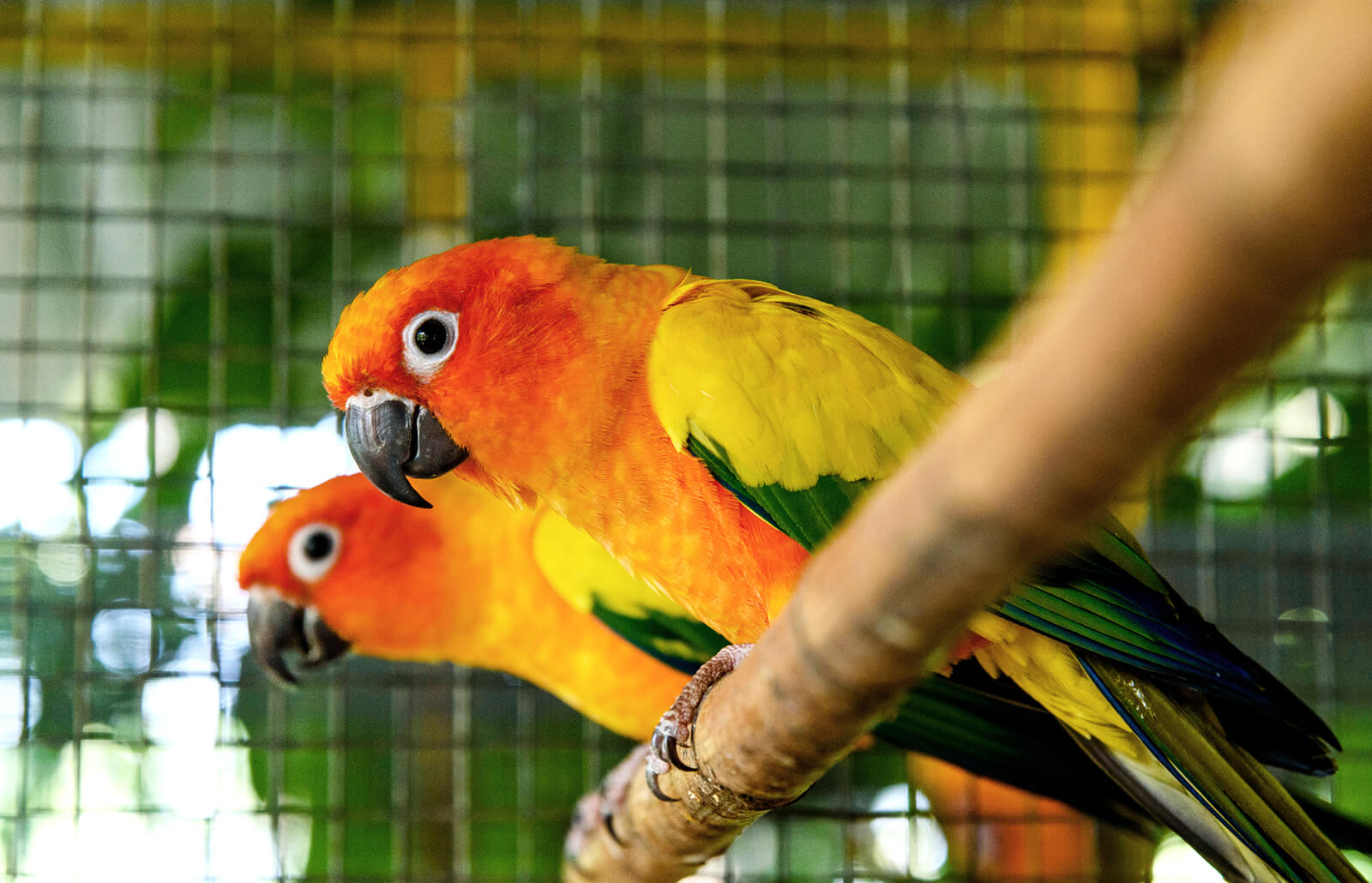
Proventricular dilatation disease is one of the common diseases among birds. In this disease, the nerves that support the bird's digestive system are affected. It is also known as macaw exhaustion syndrome because it is frequently seen in macaw parrots. Since it is also seen in African grey parrots, Amazon parrots, cockatoos and lovebirds, another name for the disease is parrot exhaustion syndrome.
Symptoms of proventricular dilatation disease include weight loss, vomiting, changes in stool and crop swelling. In some birds, no symptoms may be seen until the disease is very advanced.
Nonsteroidal anti-inflammatory drugs are generally used in the treatment of the disease. A special feeding program is also required for sick birds. However, there is no definitive cure for the disease. The treatments applied are aimed at making the bird live a more comfortable life.
Parrot Fever

Psittacosis, also known as parrot fever, is an illness seen in birds and caused by the chlamydia bacteria. This disease is highly contagious and can be transmitted from birds to other animals or humans. It is quite difficult to notice the symptoms of parrot fever. Common symptoms include difficulty breathing, nasal and eye discharge, loss of appetite, diarrhea, and general fatigue.
Birds with parrot fever are treated with antibiotics in tablet or injection form. Tetracycline-based antibiotics are used for treatment. Birds taking tetracycline should not take calcium because it negatively affects the drug's effectiveness. Psittacine Beak and Feather Disease Psittacine beak and feather disease is a serious disease affecting all parrots. This disease is also known as avian AIDS because there are some similarities between the two conditions. Although it is commonly seen in birds under two years of age, the disease can affect birds of all ages. Symptoms of Psittacine beak and feather disease include feather loss, abnormal feather growth, the formation of masses and lesions in various parts of the body, and various abnormalities in the beak. If you see these symptoms in your bird, it is recommended to consult a veterinarian for skin and feather biopsy. Currently, there is no cure for the disease. Treatment is generally aimed at making the affected bird more comfortable with painkillers.
Psittacine Beak and Feather Disease
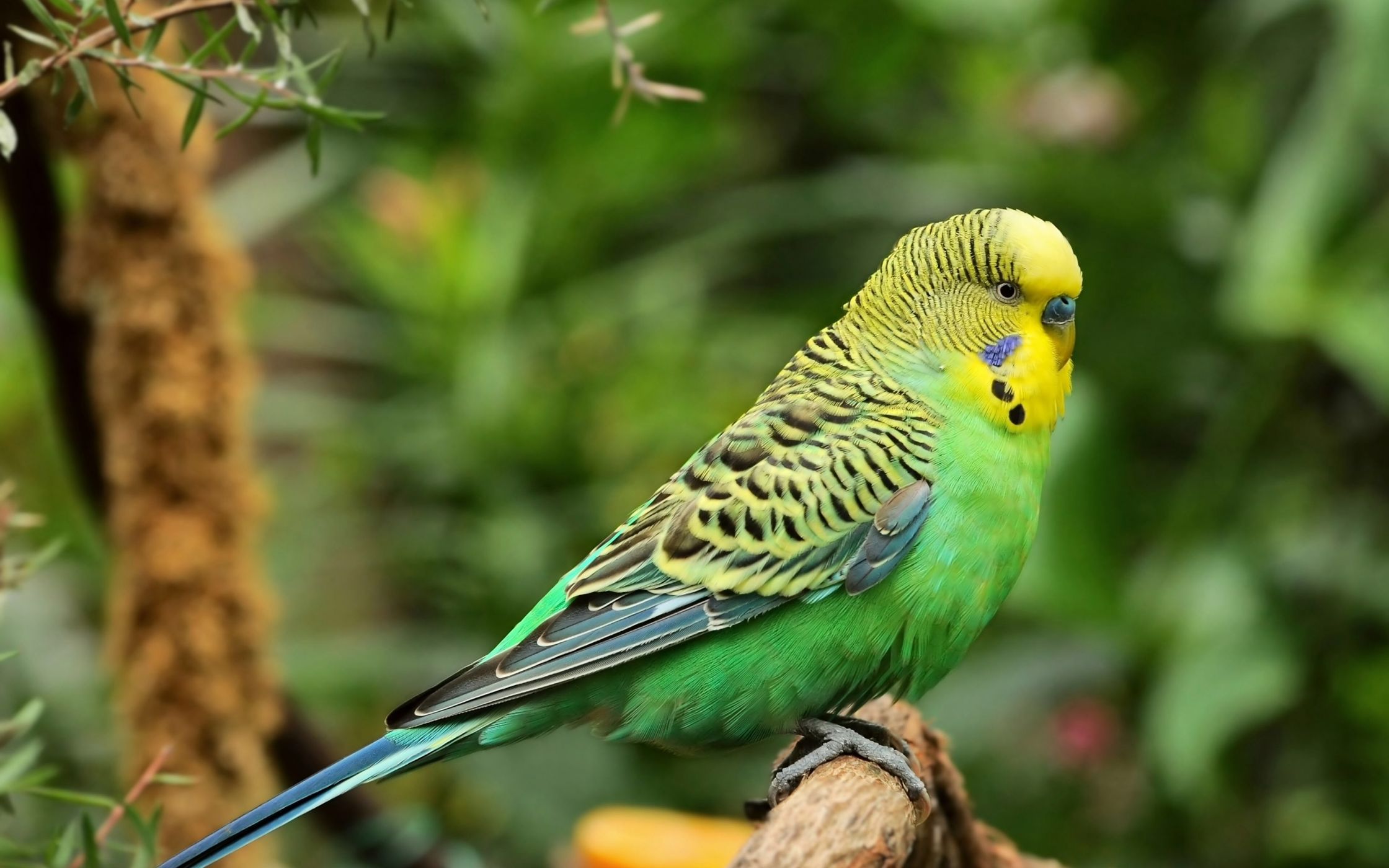
Psittacine beak and feather disease is a serious disease affecting all parrots. This disease is also known as avian AIDS because there are some similarities between the two conditions. Although it is commonly seen in birds under two years of age, the disease can affect birds of all ages.
Symptoms of Psittacine beak and feather disease include feather loss, abnormal feather growth, the formation of masses and lesions in various parts of the body, and various abnormalities in the beak. If you see these symptoms in your bird, it is recommended that you consult a veterinarian for skin and feather biopsy. Currently, there is no cure for the disease. Treatment is generally aimed at making the affected bird more comfortable with pain relief.
Polioma Virus
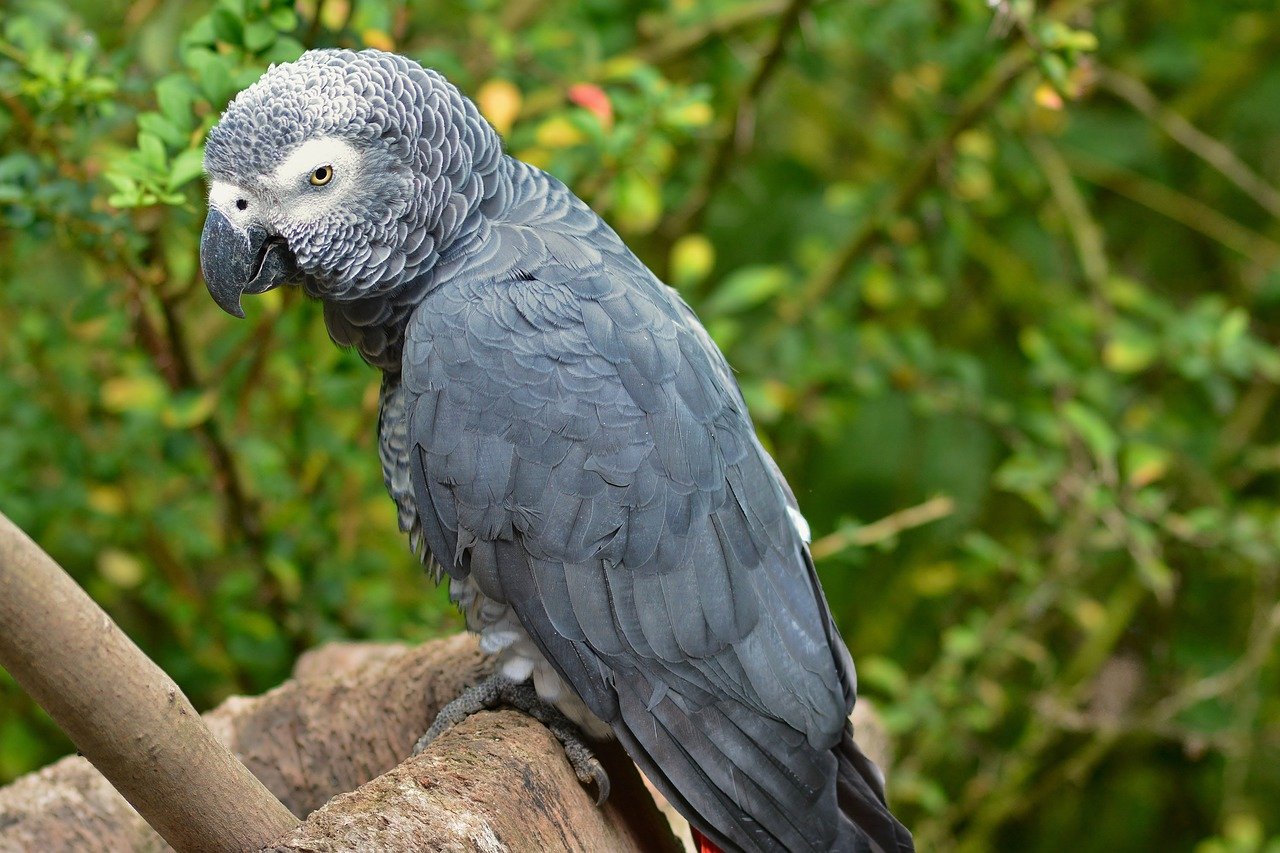
Polioma virus can affect all birds living in cages, especially parrots. Newborn birds are particularly at risk. The disease is often fatal for these birds.
Symptoms of polioma virus include loss of appetite, abdominal swelling, paralysis, and diarrhea. Some birds may not show symptoms but are carriers of the virus. These birds can spread the virus, causing other birds in the house to become ill.
There is no definitive cure for polioma virus. This disease progresses very rapidly and has a very high mortality rate. If you have more than one bird and these birds have been kept together with many other birds before, vaccination is necessary.
Kandida
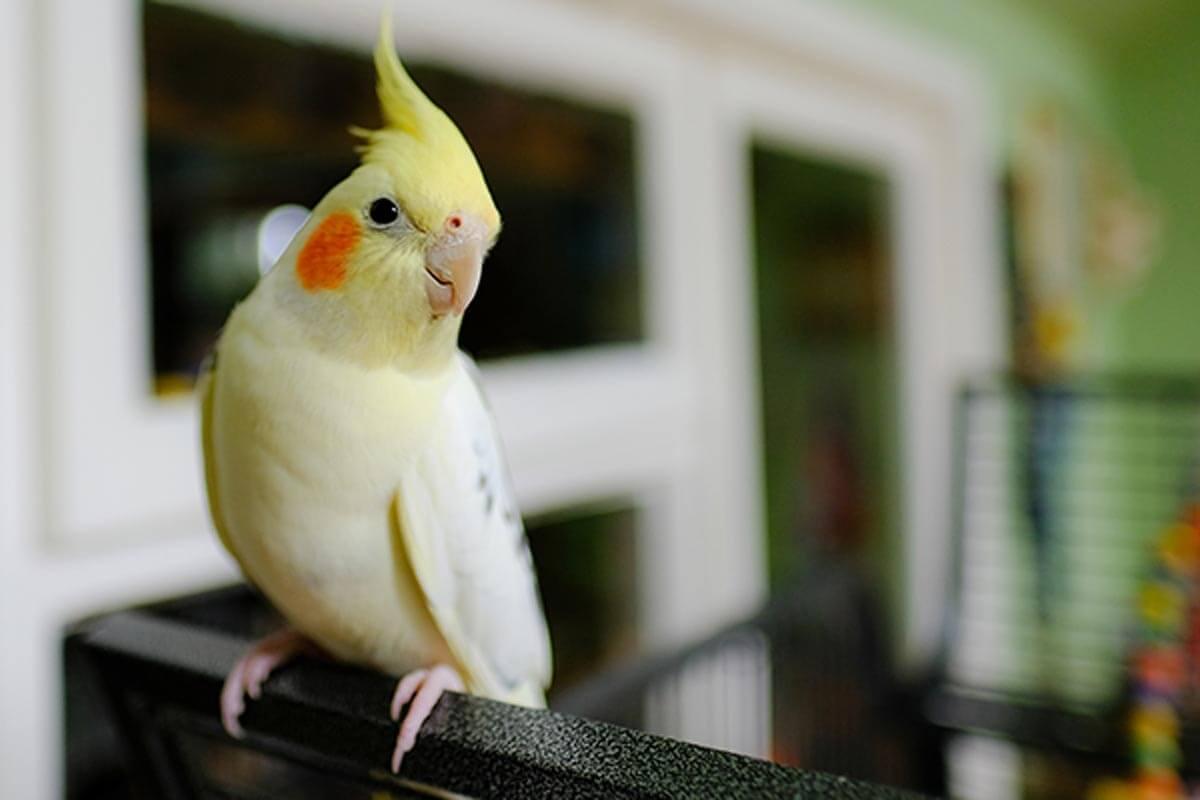
Candida, also known as thrush, is a fungal infection that can affect the digestive system of all types of birds. The disease occurs as a result of the overgrowth of fungi that are naturally present in the bird's body.
Symptoms of Candida include the appearance of white lesions in the mouth and throat. This is why the disease is known as thrush. Vomiting, loss of appetite, and weakness are other symptoms of the disease.
Candida infection can usually be successfully treated with antifungal medications. In some cases, Candida can also occur as a result of an illness. Therefore, the bird should be examined in detail by a veterinarian.
Advertisement
Advertisement
Keep exploring
Continue reading
Bird Care
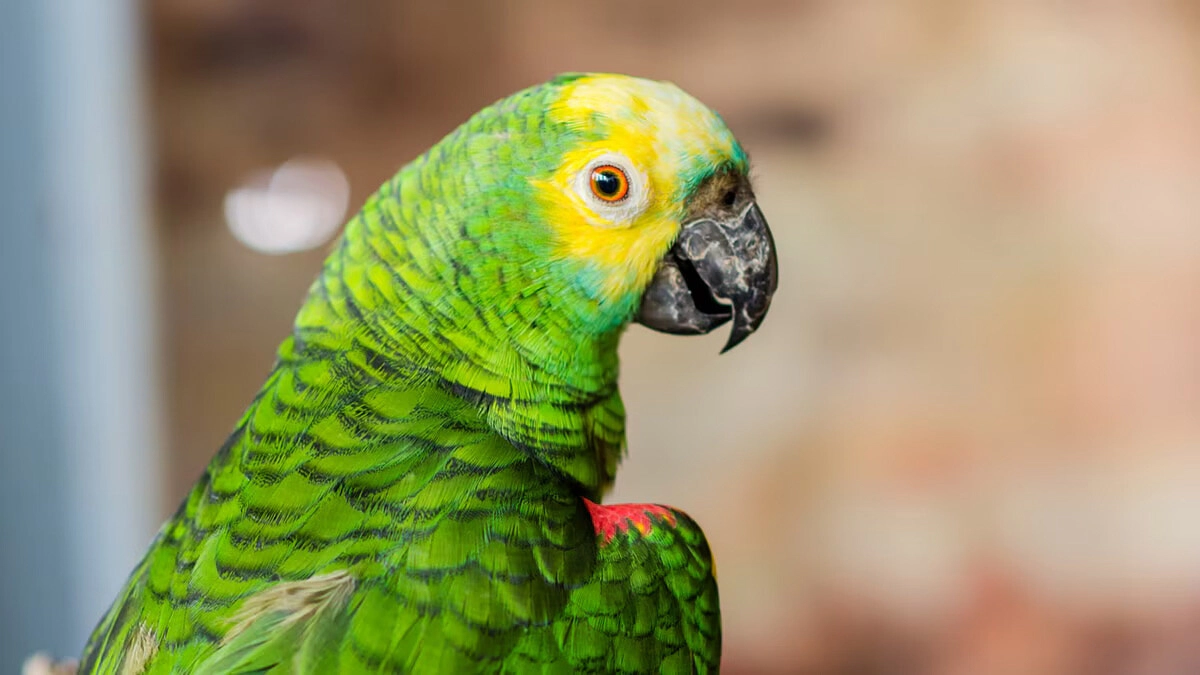
Comprehensive Guide to Amazon Parrot Care, Feeding and Training
Caring for an Amazon Parrot isn't as simple as putting food in the cage, keeping an eye on the water, and getting through the day.
Read guide →
Bird Care
Things to Consider When Choosing Bird Food
As stated in PetMD, a significant portion of errors in bird nutrition stem from not selecting feed according to the species and needs.
Read guide →
Bird Care
Canary Characteristics, Care and Feeding
If you want a cheerful, loving, and lively energy in your home, canaries can start a wonderful change in your life.
Read guide →
Bird Care
Common Misconceptions About Bird Care: Debunking Myths with Scientific Facts
We can only understand how sensitive and special pet birds are when we own them. The chirping of a budgie or the affectionate gaze of a parrot gives…
Read guide →