Common Health Problems in Kittens
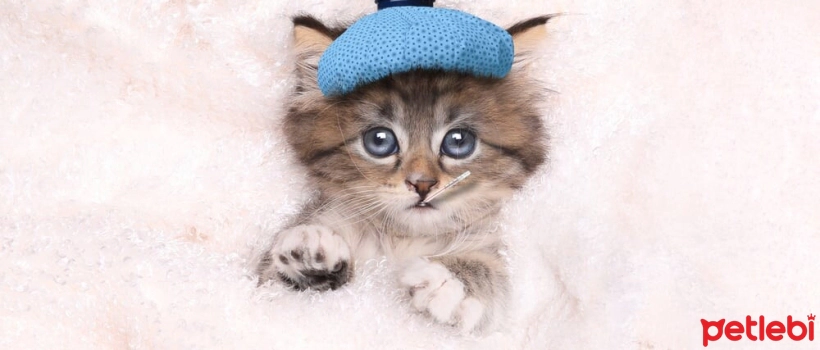
Kittens can easily get sick due to their underdeveloped immune systems and the new environments they are exposed to. In some cats, the disease may stem from congenital anomalies or genetic problems. Apart from this, bacterial, viral, or parasitic infections are also frequently encountered in kittens.
Advertisement
Kittens can easily get sick due to their underdeveloped immune systems and the new environments they are exposed to. In some cats, the disease may stem from congenital anomalies or genetic problems. Apart from this, bacterial, viral, or parasitic infections are also frequently encountered in kittens. Vaccinated kittens gain immunity against most of these diseases and can overcome infections much more easily. In this article, you can find information about common health problems in kittens.
Feline Panleukopenia
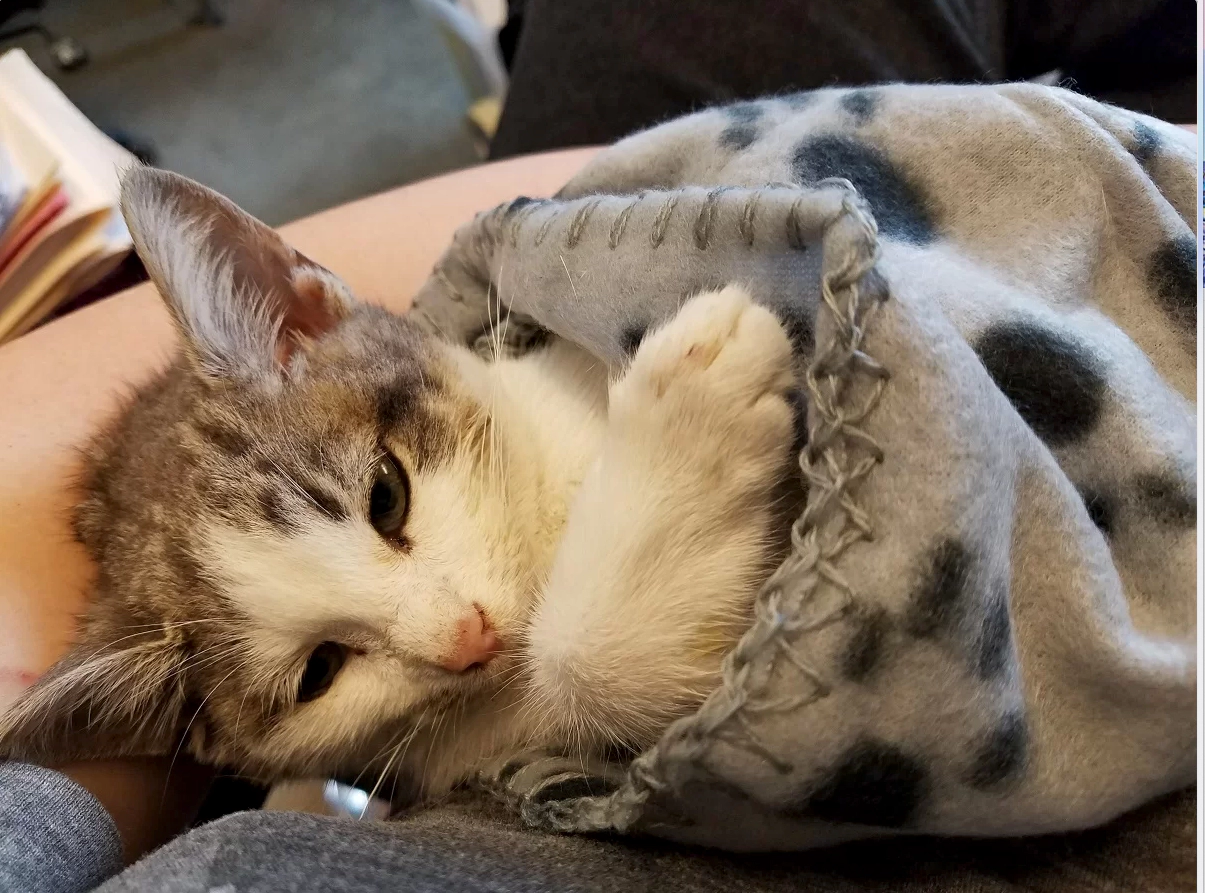
Panleukopenia is a highly contagious disease caused by a type of parvovirus. It can spread very quickly, especially in environments where many unvaccinated cats are together. Panleukopenia, which can lead to severe vomiting, diarrhea, dehydration, and blood poisoning, targets the cells lining the intestines as well as the bone marrow. It is transmitted through bodily fluids and can survive in the environment for a very long time.
Treatment for panleukopenia requires the cat to stay in a veterinary clinic and, in most cases, in intensive care. Unfortunately, treatment of cats with this disease is largely unsuccessful. The best approach for panleukopenia is prevention; the panleukopenia vaccine is quite safe and effective.
Upper Respiratory Tract Infections
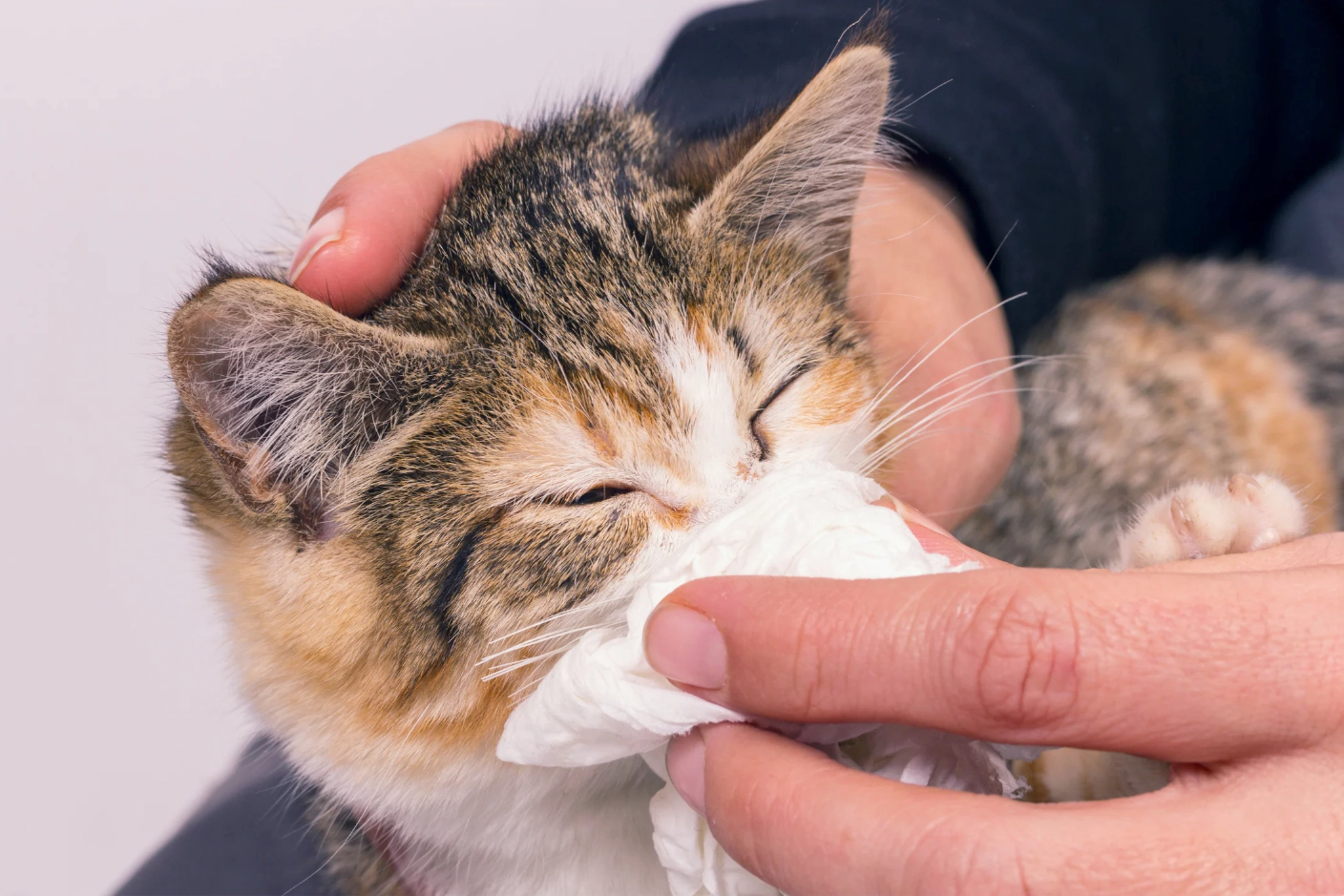
Feline herpesvirus and feline calicivirus cause upper respiratory tract infections in cats. There are basic vaccines for both of these viruses. Viruses that cause upper respiratory tract infections lead to sneezing, runny nose, and conjunctivitis, a disease affecting the eyes. They are highly contagious viruses, and most cats are exposed to them at some point in their lives. In vaccinated cats, exposure to these viruses results in a very mild course of the disease, and the recovery process is extremely easy.
Some bacteria can also cause upper respiratory tract infections. The most common bacteria are Bordetella, Mycoplasma, and Chlamydia species. Cats with bacterial infections usually have a milky nasal discharge due to mucus. Antibiotic treatment is applied to cats with bacterial upper respiratory tract infections. Chlamydia infection in cats is different from chlamydia that is sexually transmitted in humans. Therefore, it is generally not transmitted to humans, but very rarely, chlamydia in cats can cause conjunctivitis in humans.
Cats with upper respiratory tract infections may not require treatment, but if symptoms such as loss of appetite, difficulty breathing, and conjunctivitis appear in addition to an upper respiratory tract infection, they should be examined by a veterinarian and appropriate treatment procedures should be initiated.
Solan Yavru Kedi Sendromu
Wilting kitten syndrome is a term used for the death of a newborn kitten due to various causes. It is more common in kittens abandoned by their mothers or forced to be bottle-fed. There is no single cause of wilting kitten syndrome. It occurs as a result of a combination of many factors. Various infections, congenital disorders, exposure to extreme cold or heat, and poor nutrition are common factors in wilting kitten syndrome. In many cases, the kitten rapidly deteriorates and dies without a diagnosis being made, without the exact cause being understood.
Feline Immunodeficiency Virus
Feline immunodeficiency virus is a disease transmitted from mother to kitten through bite wounds or during pregnancy or lactation. Feline immunodeficiency virus (FIV) is a type of retrovirus that attacks a cat's immune system. Cats with FIV are more likely to develop secondary infections due to their weakened immune systems. Many cats with FIV can live normally for years before becoming ill. Many studies show that FIV does not shorten the lifespan of cats. FIV can lead to cats being more prone to certain dental problems. Therefore, the cat needs to be closely monitored by a veterinarian. Feline Leukemia Virus (FEV) Feline leukemia virus (FEV) is a highly contagious type of retrovirus and can be transmitted through contact with shared food bowls or litter boxes. Other ways the virus can spread include cats scratching each other, birth, and transmission from mother to kitten during lactation.
Many cats with FIV can live normally for years before becoming ill. Many studies show that FIV does not shorten the lifespan of cats. FIV can lead to cats being more prone to certain dental problems. Therefore, the cat needs to be closely monitored by a veterinarian.
Feline Leukemia Virus
Feline leukemia virus is a highly contagious retrovirus that can spread through contact with shared objects such as food bowls or litter boxes. Other ways the virus can spread include cats scratching each other, and from mother to kitten during birth and nursing.
Feline leukemia virus suppresses the immune system and causes many other syndromes that are almost fatal. In cats with strong immune systems where the virus cannot actively multiply, the infection may regress. This may even cause some tests to come back negative. These cats have a lower risk of developing diseases related to feline leukemia virus, but there is a risk of the virus reactivating. Keeping the immune system strong reduces the likelihood of the infection returning.

What Can Be Done to Make Kittens Healthier?
It is known that kittens are vulnerable to many diseases because their immune systems are not yet fully functional. While those fed with mother's milk can be protected from many health hazards for about 2 months, it is important for orphaned kittens to be fed with milk powders that have a similar content to mother's milk. You can examine milk powders for kittens in the vitamins and supplements category.
During the weaning period, kittens should be fed with kitten food specifically formulated for kittens. High-quality dry food formulated for kittenhood plays a critical role in maintaining a strong immune system and ensuring optimal development.
Main vaccinations during kittenhood are among the most important requirements. For detailed information on the vaccination schedule for cats, you can read our article titled "Vaccination Schedule for Kittens and Adult Cats".
Advertisement
Advertisement
Keep exploring
Continue reading
Cat Health
Why Do Cats Get Thinner as They Age? Symptoms and Treatment
When stroking an aging cat's back, the spine or hip bones may feel more prominent than before, which is the first change most cat owners notice.
Read guide →
Cat Health
Cat Anatomy and Organs: Body Structure, Health Signs and Relationship with Diseases
A slight change in posture, a slight limp in gait, or a difference in litter box habits in cats can give clues about their body systems.
Read guide →
Cat Health
How to Acclimate Cats to Carrier Bags?
Does your cat hide, hiss, or resist with all its might the moment it sees the carrier? This reaction is described as carrier phobia in most homes…
Read guide →
Cat Health
What Should Be Considered After Vaccination in Cats?
Following your cat's vaccination schedule for health and a long life is one of the most critical decisions you will make as a pet owner.
Read guide →