Common Mistakes Made Regarding Kitten Feeding
While adopting a kitten is an exciting process in itself, it also brings specific responsibilities. In this period, where their growth rate and therefore their nutritional and caloric needs are extremely high, carefully planning the feeding of kittens is not a preference but a necessity.

Advertisement
While adopting a kitten is an exciting process in itself, it also brings specific responsibilities. In this period, where their growth rate and therefore their nutritional and caloric needs are extremely high, carefully planning the feeding of kittens is not a preference but a necessity. Although awareness of what to pay attention to in kitten feeding has increased, common mistakes can still be made. In such a case, kittens may encounter various problems. In this article, you can find information about common mistakes made in kitten feeding and the reasons for these mistakes.

Not Consulting Veterinarians Regarding Feeding
People who have lived with cats for many years and have recently adopted a kitten are undoubtedly much more experienced in cat feeding compared to those experiencing first-time adoption. However, seeking advice from a veterinarian during check-ups after adopting a kitten is a crucial requirement. Every cat is unique, and veterinarians can offer personalized feeding plans after their examinations. This ensures that the kitten is provided with a feeding plan tailored to its needs during its kittenhood.
Milk Should Not Be Given to Kittens
Kittens should be fed with mother's milk for the first two months after birth. However, cow's milk is not a substitute for mother's milk. It is important for kittens separated from their mothers early to continue their nutrition with milk powders specially produced for kittens, which have similar nutritional values to mother's milk. During this process, feeding them cow's milk, other than these special formulations, can cause health problems. Many cats have lactose intolerance. Cats that cannot digest lactose are likely to experience digestive problems if they drink milk. You can find detailed information on this subject in our article titled "Can Cats Drink Milk?". It would be best for people who adopt kittens or feed stray kittens to avoid milk. Home-cooked meals can be dangerous for them. It is far from the right thing to do to offer kittens home-cooked meals, thinking they are healthier. Home-cooked meals contain many ingredients that can be harmful to cats' health. Moreover, some human foods can be toxic to cats. Foods frequently used in home cooking, such as onions and garlic, may require emergency medical intervention for cats. If thorough control of all ingredients is not possible, it is safest not to give cat food at all. One of the disadvantages of feeding cat food is the difficulty in ensuring that the food provided fully meets the nutritional needs of kittens. Cats, especially during kittenhood, should be fed a perfect balance of protein, vitamins, minerals, and healthy fats. If they do not receive the nutrients they need daily, significant problems such as developmental delays and weakened immune systems can occur in kittens.

Homemade Food Can Be Dangerous for Them
Giving kittens homemade food, under the assumption that it's healthier, is far from the right approach. Homemade food contains many ingredients that can be harmful to cats' health. Furthermore, some human foods can be toxic to cats. Ingredients commonly used in home cooking, such as onions and garlic, can require emergency medical attention for cats. If thorough inspection of all ingredients isn't possible, it's safest not to give cats homemade food at all.
One of the disadvantages of feeding kittens homemade food is the difficulty in ensuring that the food provided fully meets their nutritional needs. Kittens, especially during their kittenhood, should be fed a perfect balance of protein, vitamins, minerals, and healthy fats. If they do not receive the nutrients they need daily, significant problems such as developmental delays and weakened immune systems can occur in kittens.
Offering Too Much Treat
Kitten training should begin during their kittenhood. This is the period when they need both socialization and are introduced to rules that will help them remain comfortable throughout their lives if they adapt. Treats can be given to kittens during their care, while playing, and during toilet training. However, the quantity is always crucial. The basic need of kittens is to have their basic nutritional requirements met at each meal. Giving too many treats can lead to kittens becoming full, their appetite decreasing, and not being fed in the ideal amount. Excessive consumption of treats during kittenhood, a critically important period for development, can lead to both obesity and nutritional deficiencies. It is important that kittens are not fed treats solely because they like the taste.
Mama Kalitesine Dikkat Edilmemesi
The nutritional needs of kittens differ significantly from those of adult and/or senior cats. For a kitten to grow healthily and ideally, it is important that the kitten food they consume contains high levels of protein, calories, calcium, and phosphorus. The quality of the protein sources in kitten food, the preservation of nutrients during sale, and even the proper storage of the purchased food can have a significant impact on the development of kittens. Therefore, it is best for those who adopt kittens to focus on quality when choosing food for their kittens. The idea of "As long as it's dry food, even dog food if necessary" is not sufficient to ensure the healthy development of kittens.
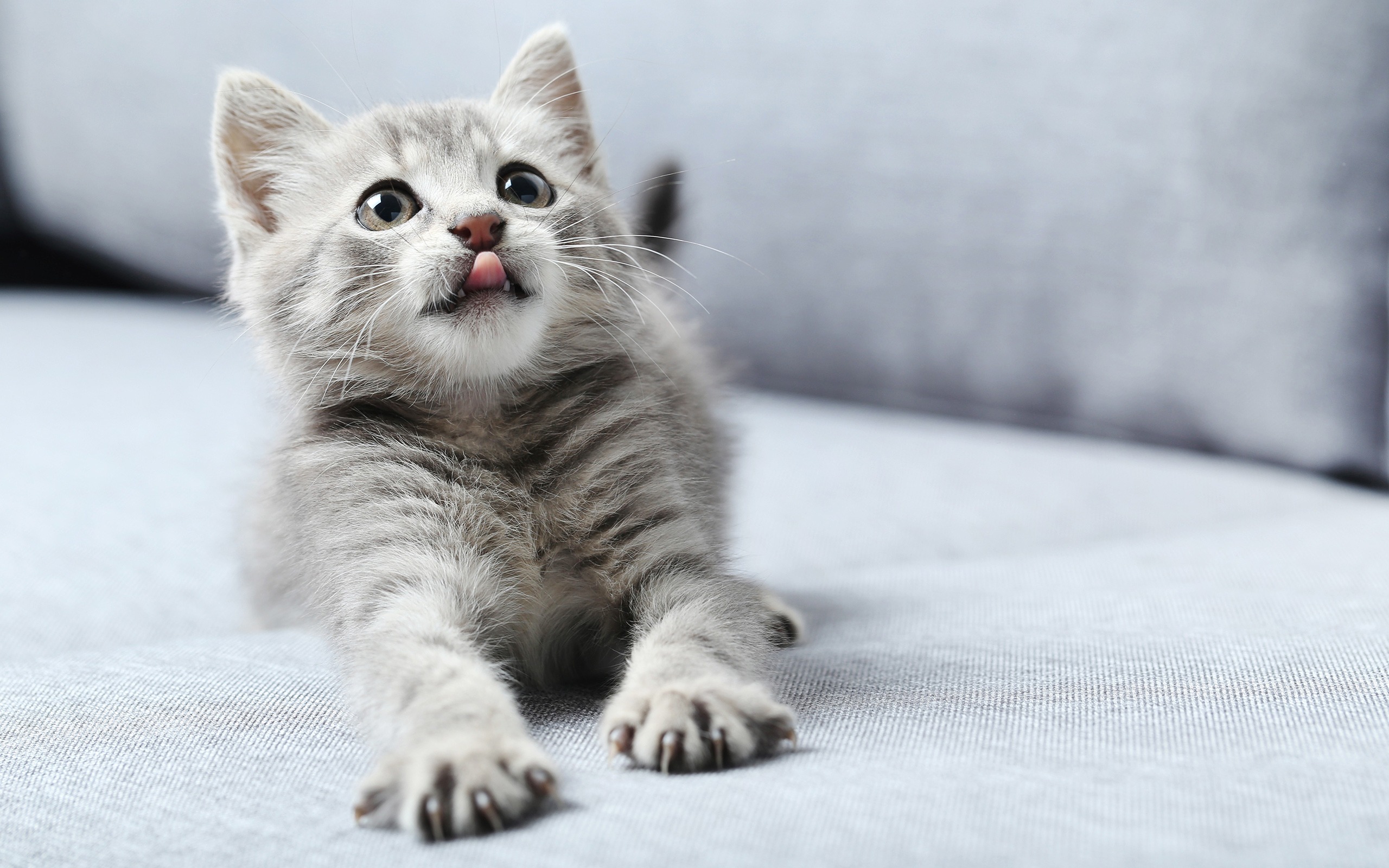
Supporting the Health of Kittens with High-Quality and Select Ingredients is Possible
The kitten stage is the period of infancy in cats. During this period, cats develop mentally and physiologically at an incredible pace. Feeding them with the highest quality food means supporting their optimal growth in this early stage of their lives. Royal Canin, one of the most trusted food manufacturers not only in Turkey but also in the world, specially formulates kitten food to ensure the healthiest nutrition for kittens. With Royal Canin kitten food, which optimally supports the development of kittens, helps improve skin and coat health, and strengthens the digestive and immune systems, you can ensure your furry friend takes their first steps towards a healthy life. You can browse Royal Canin branded kitten food varieties here and meet all the needs of your kitten by shopping safely from Terralora, which offers a 100% original product guarantee.
Advertisement
Advertisement
Keep exploring
Continue reading

Cat Nutrition
The Importance of Fiber in Cat Food: Its Role in Digestion, Hairballs, and Weight Control
Most people just glance at the "crude cellulose" line in the analysis table on the cat food packaging.
Read guide →
Cat Nutrition
The Importance of Wet Food Consumption in Cats During Summer
When temperatures rise, cats, just like us, may have difficulty maintaining their fluid balance.
Read guide →
Cat Nutrition
Mineral Balance in Dry Cat Foods: The Role of Calcium and Phosphorus
The suitability of cat food for a cat in the long term is not determined solely by protein, fat, or calories.
Read guide →
Cat Nutrition
Essential Cat Food Ingredient Terms for Cat Owners
If you are a cat parent with at least one cat eagerly awaiting your return and nourished by your love in addition to the food you provide, this…
Read guide →