Postpartum Behavioral Changes in Cats
For those who learn their cat is pregnant, an exciting and worrying process begins. After a cat becomes pregnant, the responsibilities of cat owners naturally increase significantly. During pregnancy, cats need to be fed in the healthiest way possible, undergo veterinary checkups, and have their…

Advertisement
For those who learn their cat is pregnant, an exciting and worrying process begins. After a cat becomes pregnant, the responsibilities of cat owners naturally increase significantly. During pregnancy, cats need to be fed in the healthiest way possible, undergo veterinary checkups, and have their specific needs met as the birth approaches. After a healthy birth, a brand new life begins. Cats that have given birth instinctively perform their maternal duties: They feed and care for their kittens in a living space with an ideal temperature, and over time, they ensure that the kittens receive their first training. However, this natural process may not always be so simple, and various behavioral problems can arise in cats during the postpartum period. In this article we have prepared about postpartum behavioral changes in cats, you can find information that will improve the quality of life for you, the mother cat, and the kittens.
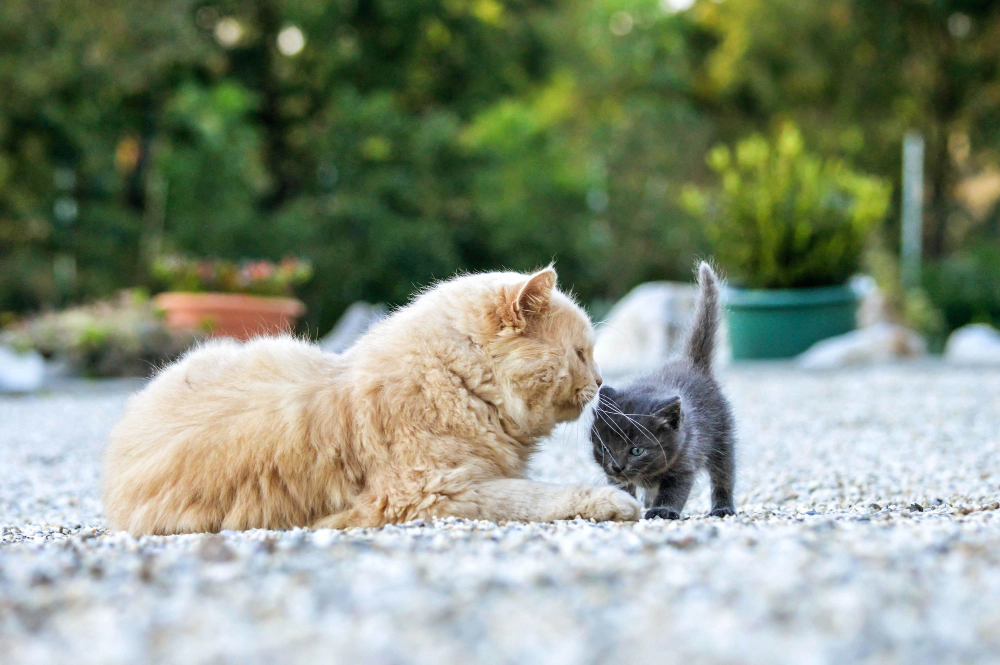
Kedilerde Maternal Davranış Problemleri Nelerdir?
Behavioral changes are expected in cats after giving birth. Before delving into the details of these behavioral changes, let's discuss maternal behavioral disorders in cats.
Maternal behavior disorders are primarily examined in two separate categories: lack of maternal behavior and excessive maternal behavior.
Mother cats who do not exhibit maternal behavior may distance themselves from their kittens, reject them, avoid nursing them, treat one or more of their kittens differently, not bring kittens that stray from them back to the nesting area, or constantly carry their kittens. Some mother cats may even exhibit aggressive behavior towards their kittens. In some cats, excessive maternal behavior can be observed. Even if the cat is not pregnant or has not recently given birth, the following symptoms may be observed: nipple development, attempting to nurse from inanimate objects, and taking kittens from another mother cat.
These behavioral disorders in cats have different causes. Recent research has shown that some genes in cats have an effect on maternal behavior. In addition, hormonal changes and stress can also lead to problems in maternal behavior in cats. For example, mother cats who don't feel safe due to other cats living in the house, who are exposed to excessive human attention, and who live in very noisy environments may both reject their kittens and exhibit aggressive behavior towards them and humans. It can be stated that the likelihood of seeing maternal behavior problems is higher in cats who are mothers for the first time. Maternal behavior disorders in cats can also be reflected in their general behavior. If you have a cat that normally displays affectionate, calm, and playful behavior, you may observe signs of aggression in her behavior in the first days of motherhood. Aggression is one of the most common behavioral changes in cats in the postpartum period. This behavior, which arises as a result of mother cats trying to protect their kittens from possible dangers, can also occur towards the kittens in some cats. Mothers trying to protect their kittens may not allow people or other pets in the house to approach their kittens, and may prefer to attack if a closeness occurs. This instinctive behavior, exhibited to protect vulnerable kittens from all dangers after birth, can continue until the kittens mature.
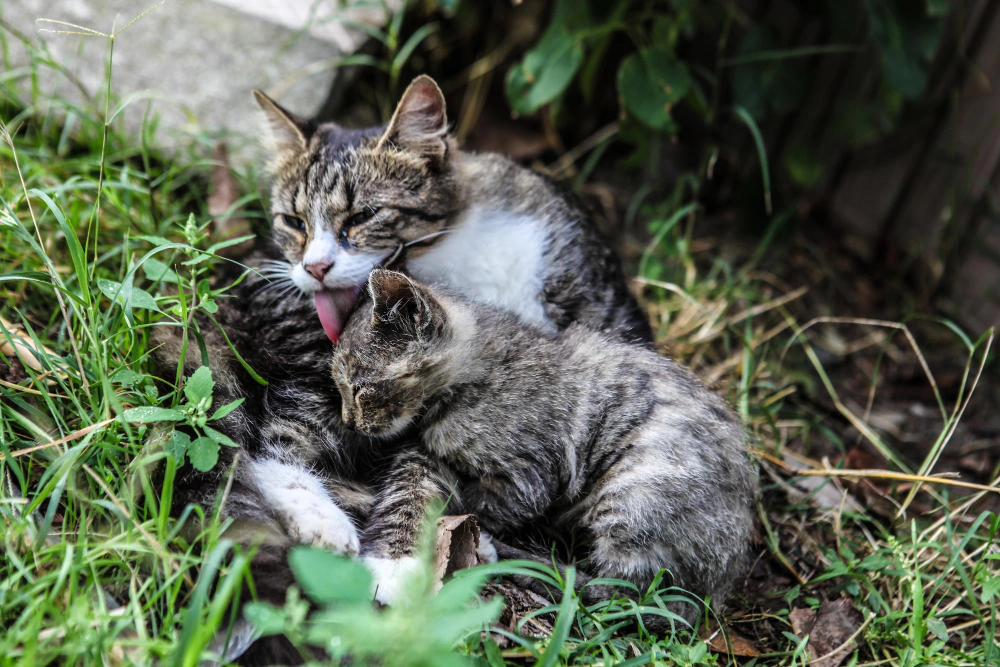
Common Behavioral Changes in Cats After Birth
If you normally have a calm, playful cat that displays affectionate behavior, you may observe signs of aggression in her behavior during the first days of motherhood. Aggression is one of the most common behavioral changes in cats after birth. This behavior, which arises as a result of mother cats trying to protect their kittens from potential dangers, can also occur towards the kittens in some cats. Mothers trying to protect their kittens may not allow people or other pets in the house to approach them, and may prefer to attack if any closeness occurs. This instinctive behavior, exhibited to protect the defenseless kittens from all dangers after birth, can continue until the kittens mature.
It is also frequently observed that cats carry their kittens after giving birth. Mothers who think their kittens are in danger may carry them to a place they consider safe. If cat owners think the new place is not comfortable enough and move the kittens back to their old place, the mother cat may resist this behavior and carry her kittens again. Therefore, it would be best not to interfere too much with the process and to create a comfortable environment for the mother and kittens in their new place.
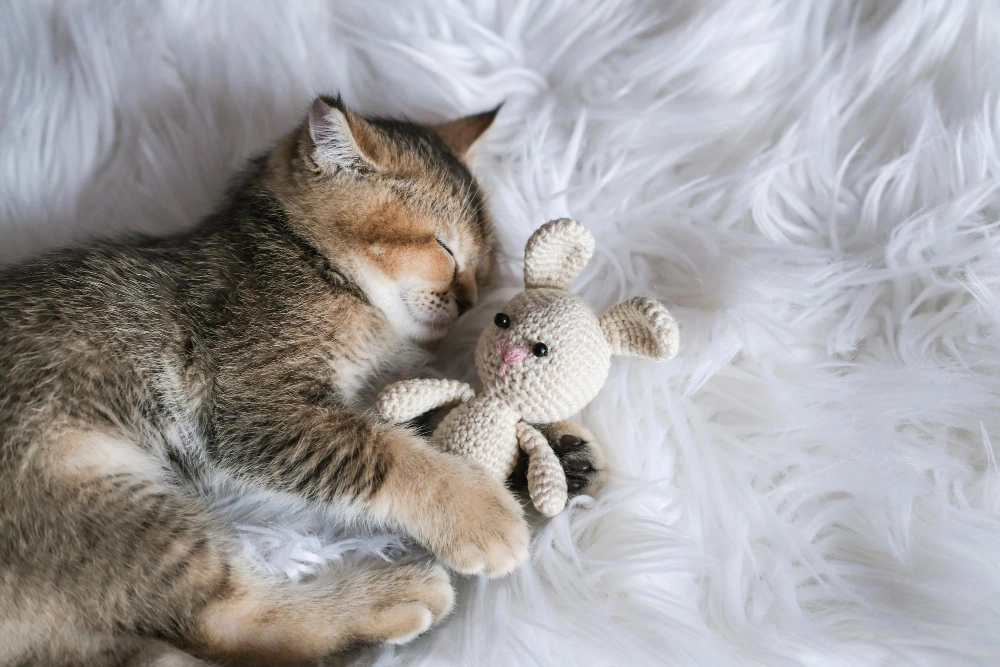
Signs Cat Owners Should Watch Out For
After birth, cat owners should closely monitor the health of the mother cat and her kittens. It is extremely important for mothers to eat the ideal amount of food during this period. Water consumption is similarly critical during the lactation period. The weight and development of the kittens should be measured. One of the most important indicators of healthy kittens is their optimal growth rate. Postpartum behavioral changes are common in cats. It is best to pay attention to these changes. In situations such as the cat becoming aggressive towards people and/or carrying her kittens, they should be given space. Avoiding behaviors that bother her will prevent extra stress for both the mother cat and the owners. During this process, it is important to ensure that there are not too many people around, that there is not too much noise, and that the cat has access to quiet and safe areas. It is also recommended to be extremely careful in the face of unexpected behaviors. After birth, kittens need their mothers to survive and develop healthily. Especially if the mother shows aggression towards her kittens and/or does not nurse them, the kittens' lives may be in danger. In this case, different methods may need to be used depending on the degree of maternal behavioral disorders and the underlying cause. For example, the mother cat and kittens can be separated, and the kittens can be fed with milk powder that has similar nutritional value to mother's milk. A special area can be created for the mother cat to calm her down. The treatment process is fundamentally based on managing the situation. If excessive maternal behavior is encountered, a period of waiting is necessary. Under normal circumstances, female cats return to their normal behavior in a short time. If the behavior becomes persistent and anomalies in hormone levels are detected as a result of tests, drug treatments can be started. For female cats exhibiting maternal behavior outside of pregnancy and/or childbirth, sterilization surgery may also be recommended. In cats, sterilization can control maternal behavioral disorders caused by hormonal imbalance.
Postpartum behavioral changes are common in cats. It is best to pay attention to these changes. In situations such as the cat becoming aggressive towards people and/or carrying her kittens, they should be given space. Avoiding behaviors that make her uncomfortable will prevent extra stress for both the mother cat and the owners. During this process, it is important to ensure that there are not too many people around, that not too much noise is made, and that the cat has access to quiet and safe areas.
Extreme caution is advised in the face of unexpected behaviors. Kittens need their mothers to survive and develop healthily after birth. The lives of the kittens can be endangered, especially if the mother shows aggression towards them and/or does not nurse them. In this case, different methods may be necessary depending on the degree of maternal behavioral disorders and the underlying cause. For example, the mother cat and kittens can be separated, the kittens can be fed with milk powder that has similar nutritional values to mother's milk, or a special area can be created for the mother cat to calm her down. The treatment process is fundamentally based on managing the situation. If excessive maternal behavior is encountered, a period of waiting is necessary. Under normal circumstances, female cats return to their normal behavior in a short time. If the behaviors become persistent and anomalies in hormone levels are detected as a result of tests, drug treatments can be started. For female cats exhibiting maternal behavior outside of pregnancy and/or childbirth, sterilization surgery may also be recommended. Sterilization in cats can control maternal behavioral disorders caused by hormonal imbalances.
Advertisement
Advertisement
Keep exploring
Continue reading

Cat Behavior & Training
Cat Sounds and Meanings: A Guide to Understanding Cat Communication from Meowing to Purring
When you start living with a cat, one of the first things you notice is how different their sounds are.
Read guide →
Cat Behavior & Training
Constant Meowing and Crying in Cats: Causes and Solutions
Constant meowing and crying in cats is one of the most common behavioral changes noticed by cat owners.
Read guide →
Cat Behavior & Training
Fecal Defecation Behavior Disorder
Defecation behavior disorder in cats is a common problem faced by many cat owners, naturally causing them concern.
Read guide →
Cat Behavior & Training
Cat Behaviors and Meanings According to Monthly Development
As cats go through life stages, their behaviors and needs also change. Living with kittens and witnessing their development is both enjoyable and…
Read guide →