Do Dogs Get Tickled?
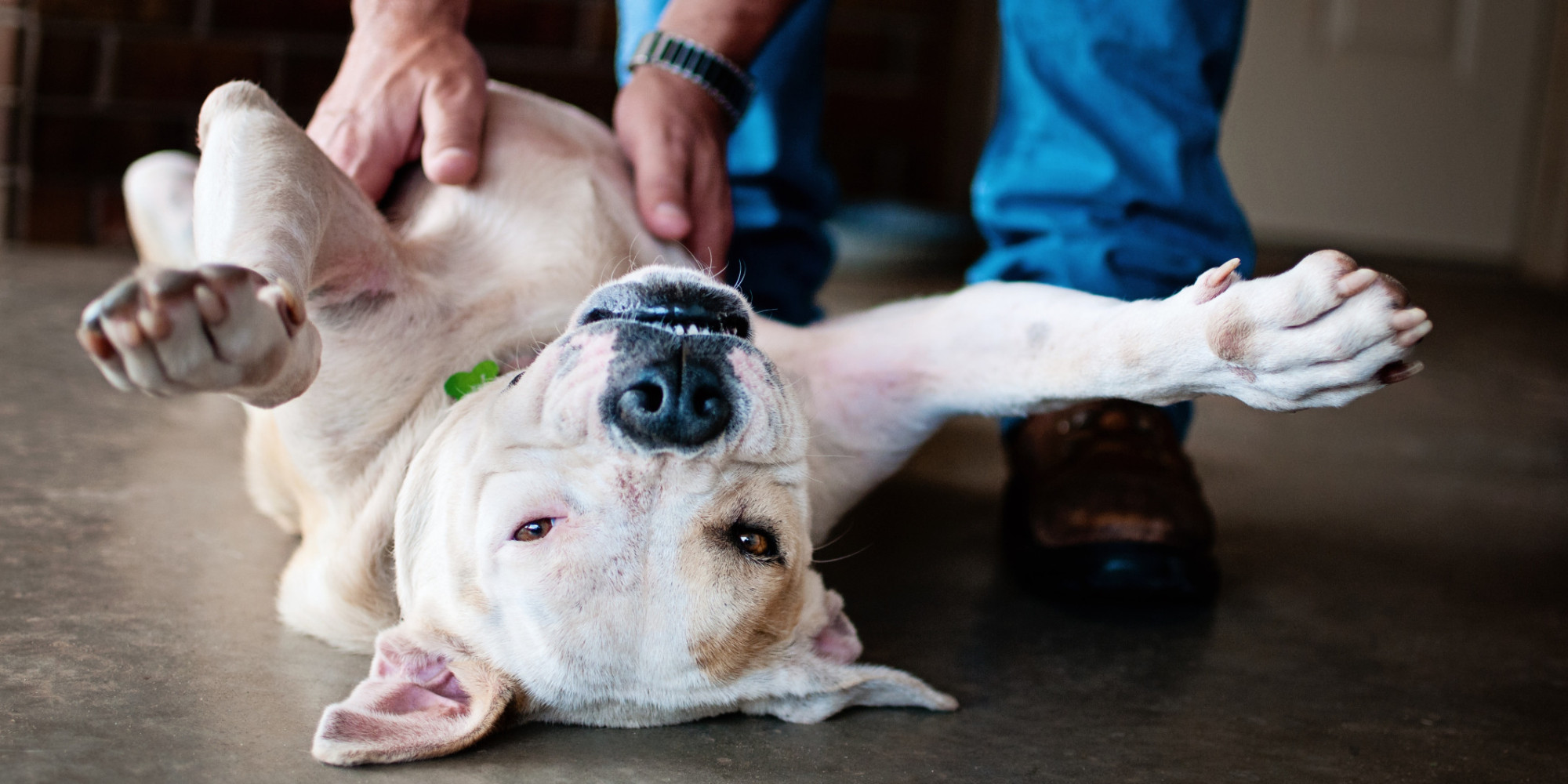
During a fun play session, dogs lying on their backs means they are ready to be petted. When they are touched while lying on the ground with their bellies exposed, the unique, smile-like expression on their faces and the increased breathing rate bring to mind the question, "Do dogs get tickled?".

Advertisement
During a fun play session, dogs lying on their backs means they are ready to be petted. When they are touched while lying on the ground with their bellies exposed, the unique, smile-like expression on their faces and the increased breathing rate bring to mind the question, "Do dogs get tickled?".
Although the reaction dogs give when their skin is touched has similar characteristics to the tickling sensation in humans, it is not exactly the same. The itching reflex they show when body areas where nerve endings are located are related to the stimulation of nerve endings rather than tickling in the sense that we experience.
It's possible for dogs to exhibit a withdrawal reflex when tickling body areas with a high concentration of nerve endings. Therefore, it's recommended to set the right boundaries while enjoying a pleasant experience with our furry friends. In this article, you can learn the answers to the question, "Can dogs be tickled?".
Where Can Dogs Be Tickled?
The answer to the question, "Can dogs be tickled?", is closely related to how tickling is defined. Humans basically have two different tickling sensations. The first is a mild sensation called knismesis. Similar to the tingling sensation felt when the skin is lightly touched, knismesis does not cause the laughter characteristic of tickling. The other type of tickling, gargalesis, is the type that results in laughter.
Studies have shown that tickling of the knismesis type is common in mammals. Knismesis, which can be described as a mild sensation, is also seen in dogs. However, it is not possible to make a definitive statement about the occurrence of gargalesis in dogs. Some dog owners say that their dogs' tickling is more intense than a slight shiver, and that their dogs laugh.
As mentioned earlier, tickling in dogs is characterized by the stimulation of nerve endings. Consequently, when areas with a high concentration of nerve endings are tickled, the dogs' sensations intensify. Their bellies, waists, necks, backs, and ears are generally the most sensitive areas to touch. It is known that dogs can be tickled at any point on their bodies, and even their paws are extremely sensitive.

Tickling and Dog Behaviors
When their bodies are touched for the purpose of tickling, dogs may involuntarily exhibit kicking behavior. During this reaction, called the scratching reflex, one of their hind legs moves rhythmically. The twitching movement in the hind legs of dogs is caused by the triggering of nerve receptors by tickling.
This involuntary behavior guides veterinarians when examining dogs. To understand whether the neural pathways and reflexes of dogs are healthy or whether spinal cord damage has occurred, veterinarians touch the body areas where nerve endings are located during the examination. The presence of the scratching reflex is a positive indicator of the health of dogs.
It is important to know that the voluntary or involuntary behaviors and the intensity of these behaviors may not be the same for every dog during tickling. Each dog has a different sensitivity threshold to touch. Some dogs may react less or more strongly when tickled than others. Similarly, some may enjoy being tickled while others may feel uncomfortable.
For a pleasant and fun interaction with dogs, those who want to tickle them need to observe their behavior. If signs of discomfort are noticed when observing the dog's reactions, it is recommended to stop the tickling session. It is also extremely important not to tickle dogs too hard. Touching them harder to make them laugh causes them pain.
Dogs that do not enjoy being tickled express their feelings through their movements and body language. Some dogs try to get away from people as soon as they are tickled, while others growl. However, it should not be overlooked that there may be another reason behind dogs becoming overly sensitive and reacting excessively when touched. Dogs that appear very uncomfortable, especially when their paws, ears, and abdominal areas are touched, should be examined by a veterinarian.
Advertisement
Advertisement
Keep exploring
Continue reading

Dog Lifestyle & Guides
The Unseen Risks of Excess Weight in Small Breed Dogs
Small breed Weight gain in dogs sometimes progresses unnoticed. Extra food added to the food bowl, treats given during the day, food offered from the…
Read guide →
Dog Lifestyle & Guides
Dental Health and Its Importance in Dogs
Dental health in dogs is often Bad breath doesn't become a concern until it's noticed. However, the problem often begins before the odor: Plaque…
Read guide →
Dog Lifestyle & Guides
Hachiko: The True Story and Monument of the Dog Symbolizing Loyalty
The crowd gathered in front of the Hachiko statue in Shibuya shows that a wait that began years ago is not forgotten today.
Read guide →
Dog Lifestyle & Guides
Nasal Discharge in Dogs
If your dog has a runny nose, the first question that usually comes to mind is: Is this normal, or is there something I should be concerned about?
Read guide →