Dog Coat Care
The skin and coat health of dogs is considered a reflection of their overall health. Healthy eating affects the shine and texture of a dog's coat from the inside, while regular brushing and grooming ensure it stays healthy from the outside.
Advertisement
The skin and coat health of dogs is considered a reflection of their overall health. Healthy eating affects the shine and texture of a dog's coat from the inside, while regular brushing and grooming ensure it stays healthy from the outside. Although the coat structure of dogs varies according to breed, what they have in common is that it is clean and not tangled. Coat care in dogs actually varies according to breed, but it is extremely easy regardless of the dog's breed. When coat care is done regularly over a period of time, a big difference becomes apparent.
Are Dogs' Coats Different?
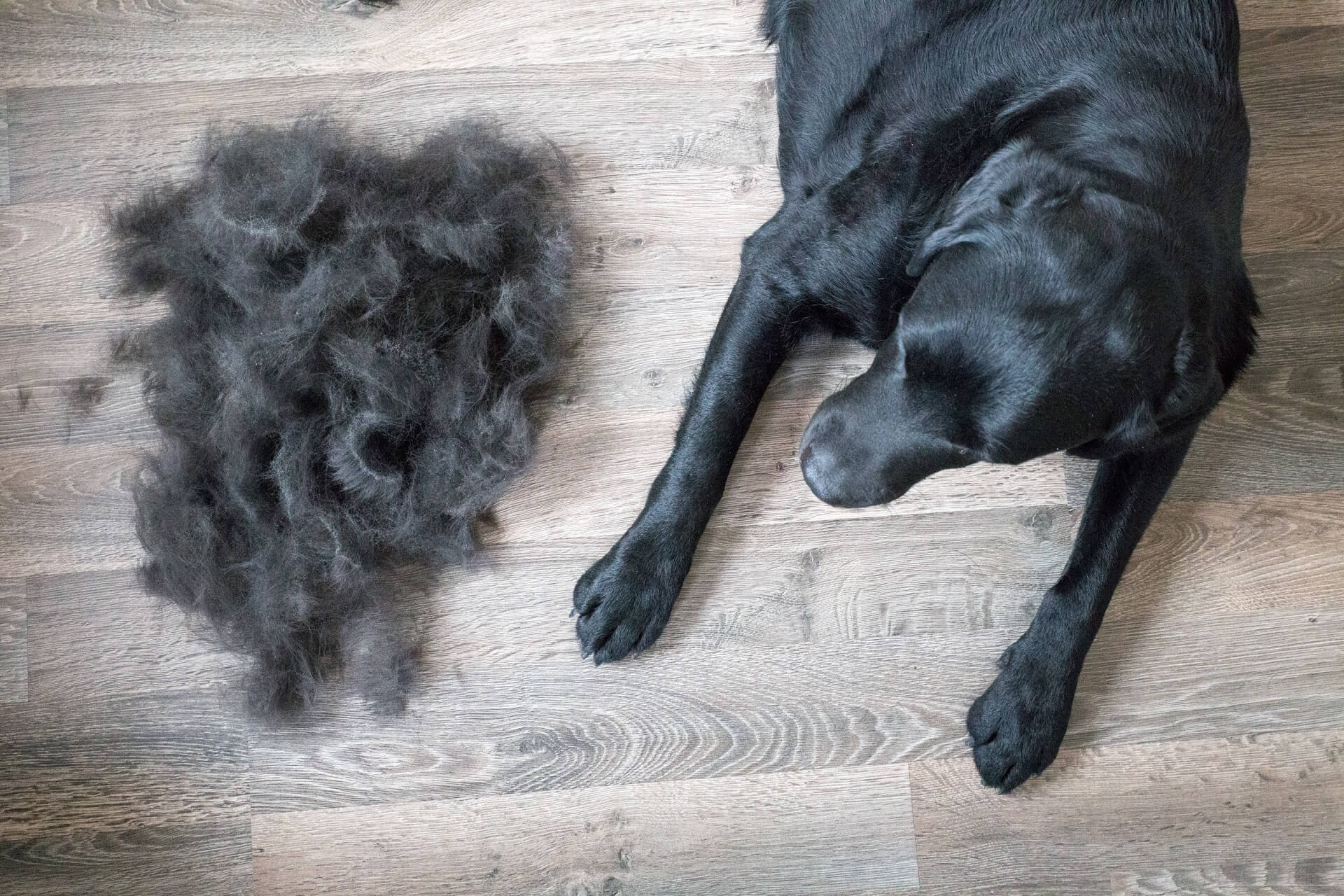
Dogs' coats vary according to their breed. Due to their unique characteristics, they have different needs. Some breeds have continuously growing coats that don't shed. These breeds require regular cleaning and trimming. Huskies, Malamutes, and some Retriever breeds have long, thick coats. The outer layer of these coats protects the undercoat, which provides insulation. Dogs with double-layered, thick coats usually experience excessive shedding in spring and fall. Shedding is perfectly normal in these dogs. Shorter-coated dogs have single-layered coats. This layer has the same characteristics as the outer layer of double-layered dogs. In short-coated dogs, shedding is usually minimal but continuous throughout the year.
Puppy Coat Change
One of the biggest reasons puppies look so cute is their soft and fine fur. Puppy fur is temporary and is replaced by permanent adult fur when the time comes. The timing of puppy shedding usually varies. Fur is very important for puppies. Fur protects puppies from external factors and regulates their body temperature. Adult fur is generally longer than puppy fur. Puppy shedding occurs at around 3 months of age. During this shedding, their fur may appear wavy. While some parts of the body still have puppy fur, other parts are replaced by adult fur, resulting in a patchy and fragmented appearance. Shedding during this period is perfectly normal and healthy in puppies. In dogs with patterns like Dalmatians, changes in the shape or color of the patterns may also be observed during shedding.

How Should Dog Fur Be Cared For?
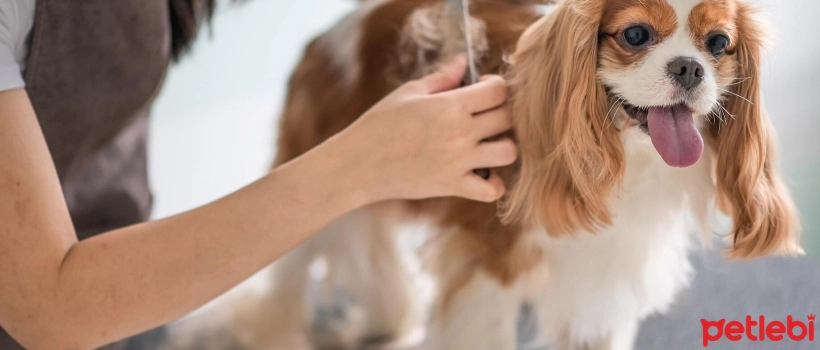
Regular brushing is beneficial for all dogs, regardless of their coat type or breed. Regular brushing removes weakened hairs and dead skin cells, keeping the fur clean and dust-free. It also helps the skin's natural oils spread throughout the hair shaft. Daily brushing is especially important for dogs with long, soft, and curly fur to prevent tangling and matting. Long-haired dogs tend to tangle easily, particularly around the ears, armpits, and the backs of their paws. Thorough brushing of these areas will prevent tangling.
Short-haired dogs may need less frequent brushing. However, daily brushing significantly reduces the amount of shed hair and fur that accumulates in the house. Additionally, dogs, though not as much as cats, lick their fur to maintain its shape. Regular brushing reduces the amount of hair dogs swallow when grooming themselves. Regardless of hair type, you need to ensure there are no tangles or knots in the armpits, groin area, and behind the ears. Especially in dogs that go outside regularly, foreign objects such as twigs, thorns, or stones that get mixed in with this hair tangle can cause irritation. How Often Should Dogs Be Washed? Dogs may need to be washed at certain intervals. Washing is especially necessary when their fur becomes excessively dirty or starts to smell bad. For breeds that don't shed and don't have health problems, washing every 6-8 weeks is generally recommended. For excessively furry dogs, washing them more frequently during periods of excessive shedding, such as spring and autumn, ensures both cleanliness and comfort.
Regardless of coat type, you need to ensure there are no tangles or knots in the armpits, groin area, and behind the ears. Especially in dogs that go outside regularly, foreign objects such as twigs, thorns, or stones that get mixed in with the fur can cause irritation.

How Often Should Dogs Be Washed?
Dogs may need to be washed at regular intervals. Washing is especially necessary when their fur becomes excessively dirty or starts to smell bad. For breeds that don't shed and don't have health problems, washing every 6-8 weeks is generally recommended. For excessively furry dogs, washing them more frequently during periods of excessive shedding, such as spring and autumn, ensures both cleanliness and comfort.
Dogs' bathing needs vary depending on their age, daily routine, coat type, and health status. Puppies undergoing toilet training should be bathed immediately after an accident. Dogs who enjoy running or jumping in puddles need a bath after playing in the mud.
However, some dogs may have various allergies. Veterinarians may recommend frequent bathing as part of allergy treatment. Dogs with allergies may need daily bathing until the problem is controlled or completely resolved. Regardless of the reason for bathing, if you regularly bathe your dog and use products unsuitable for their skin, some skin problems may occur. In such cases, you should consult your veterinarian for advice on a specific shampoo, moisturizer, or dry shampoo. Dogs should always be washed with shampoos that have a pH balance suitable for their skin. You can review dog shampoos that can be safely used for dogs by clicking here.

How to Wash Dogs?
Washing is an important part of dog grooming. However, some breeds may also require regular trimming. Dogs should primarily be washed with lukewarm or not-too-hot water. Lukewarm water not only makes the dog feel comfortable, but also helps dog shampoos provide more effective cleaning. It's important not to wash your dog with a garden hose and cold water during the first wash. It's recommended to create a more pleasant bathing environment so the dog gets used to and enjoys the water. While dogs that are used to water may enjoy being washed with a garden hose, especially on hot days, they may get dirty again when they come into contact with the soil. Therefore, it's important to dry your dog after wetting it, even if they want to.
When bathing your dog, you need to make sure that all of its fur is covered with shampoo. Mixing the shampoo with water makes it easier to apply and clean, especially for dogs with thick fur. If you bathe your dog regularly, you can rinse immediately after shampooing. However, therapeutic shampoos need to be rinsed 5-10 minutes after application to allow them to take effect. These shampoos should be applied as directed on the label or as recommended by your veterinarian. After shampooing, make sure your dog is completely clean when rinsing. Otherwise, any shampoo residue left in the fur can cause hardening or skin irritation over time. For the most effective coat care, it is recommended to use moisturizing products after shampooing and rinsing. This minimizes the amount of moisture lost by the skin and prevents dandruff after bathing. The final step after your dog's bath is drying. If you are going to dry your dog's fur with a hairdryer, be sure to use one that does not blow hot air. After drying your dog thoroughly with a towel, you can continue drying with the hairdryer on a cool or warm setting if needed.
After shampooing, you must ensure your dog is completely clean when rinsing. Otherwise, shampoo residue left in the fur can cause hardening or skin irritation over time. To achieve the most effective coat care, it is recommended to use moisturizing products after rinsing with shampoo. This minimizes the amount of moisture lost by the skin and prevents dandruff after bathing. The final step after your dog's bath is drying. If you are going to dry your dog's fur with a hairdryer, be sure to use a machine that does not blow hot air. After drying your dog thoroughly with a towel, you can continue the drying process with the hairdryer on the cool or warm air setting if needed.
Advertisement
Advertisement
Keep exploring
Continue reading

Dog Care
English Bulldog Characteristics, Care and Temperament
It's not hard to spot an English Bulldog from afar. Its strong, low-set body, flat face, prominent jawline, and serious gaze give it a look that…
Read guide →
Dog Care
Least Maintenance Dog Breeds
Do you dream of sharing your life with a dog, but don't know how to find the time for its care due to your busy life? Rest assured, you're not alone!
Read guide →
Dog Care
Dog Care at Home: Practical Tips and Daily Routines
Living with a dog at home is one of the best ways to experience unconditional love, but it also means taking on responsibility.
Read guide →
Dog Care
How to Clean a Dog After Coming From Outside? Dog Care After Daily Walks
Daily walks with your dog are one of the most important activities that directly affect its quality of life.
Read guide →