Heart Diseases and Treatment Methods in Cats
Heart diseases are defined as disorders that cause damage to heart functions as a result of congenital or acquired anomalies in the heart. Although heart diseases in cats are less common than in dogs, they can be life-threatening if not controlled and treatment options are not considered.

Advertisement
Heart diseases are defined as disorders that cause damage to heart functions as a result of congenital or acquired anomalies in the heart. Although heart diseases in cats are less common than in dogs, they can be life-threatening if not controlled and treatment options are not considered. In this article, you can find information about heart diseases and treatment methods in cats.
Heart Diseases in Cats Can Be Congenital or Acquired
Congenital heart diseases are diseases that are present in cats from the moment they are born. Although symptoms are often felt at a young age, it is possible for some congenital diseases to appear years later. Congenital heart diseases occur as a result of developmental problems that cause malformation of the heart while the embryo is developing. Congenital heart disorders usually affect only one of the kittens born in the same litter. If they are caused by genetic or hereditary disorders, they can also appear in more than one kitten. Ventricular septal defect, patent ductus arteriosus, mitral valve dysplasia, pulmonary stenosis, and aortic stenosis can be given as examples of congenital heart diseases.
Heart diseases that begin in adulthood result from damage to the heart structure and impairment of its functions. Hereditary factors can increase with age. The most common heart disease in cats after adulthood is cardiomyopathy. While genetic factors and lifestyle play a significant role in the development of heart diseases in cats, the exact causes of these health problems may not always be determined. In some cases, heart diseases that begin in adulthood may be a result of another disease.
The most common heart disease in cats is "Hypertrophic Cardiomyopathy". Hypertrophic Cardiomyopathy is a health problem that affects the last ventricle of the heart and its function of pumping blood to the body. Characterized by abnormal thickening of the left ventricular muscle, this heart disease can manifest itself with many different symptoms.
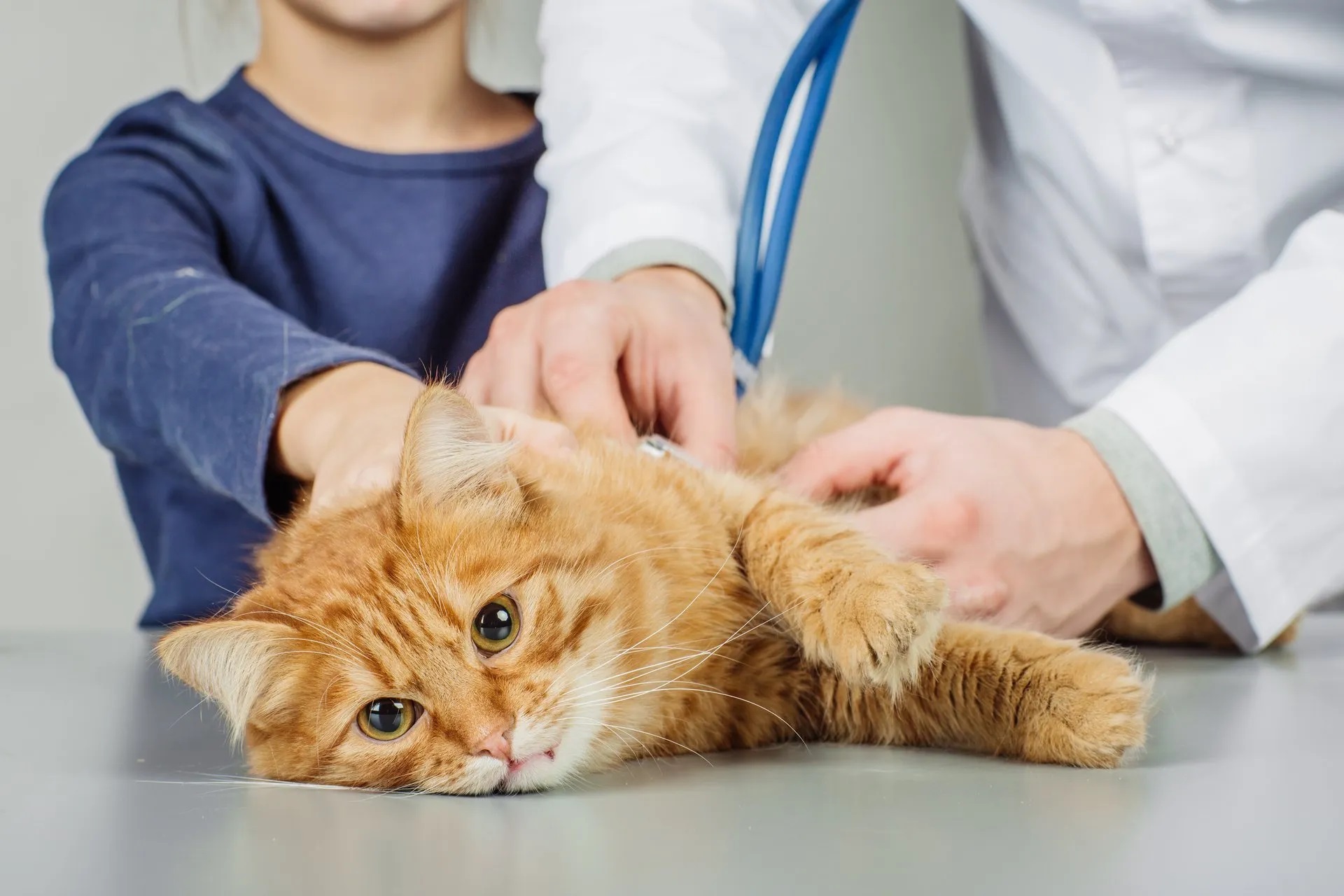
Most Common Heart Diseases in Cats
What is Cardiomyopathy in Cats?
Cardiomyopathy in cats should be considered a common name for all diseases affecting the heart muscle. This health problem, which causes heart failure in cats, has several different types:
Hypertrophic Cardiomyopathy: This is the most common type of heart disease in cats, causing an increase in the thickness of the heart's muscle wall and weakening of the muscles. The thickening of the heart muscle leads to a decrease in the volume of blood in the heart and, with the weakening of the heart muscle, prevents the effective pumping of blood. Although the exact cause is unknown, it can be said that it is more common in Maine Coon, Ragdoll, British Shorthair, Sphynx, Chartreux, and Persian cats. From this perspective, it is argued that genetic factors have a significant influence on the development of the disease. Dilated Cardiomyopathy: A type of heart disease characterized by thinning of the heart muscle wall, enlargement of the heart, and decreased ability of the heart muscles to pump blood. Scientific research shows a linear link between dilated cardiomyopathy and taurine deficiency. You can access vitamins and supplements containing taurine by clicking here and contribute to your cat's health.
Dilated Cardiomyopathy: A type of heart disease characterized by thinning of the heart's muscular wall, enlargement of the heart, and decreased ability of the heart muscles to pump blood. Scientific research shows a linear link between dilated cardiomyopathy and taurine deficiency. You can access vitamins and supplements containing taurine by clicking here and contribute to your cat's health.
Restrictive Cardiomyopathy: Characterized by the hardening and loss of elasticity of the heart wall due to fibrosis, restrictive cardiomyopathy prevents the heart chambers from filling normally.
Heart Failure in Cats
Contrary to popular belief, heart failure in cats is not a disease but a symptom or condition resulting from various diseases. Heart failure can be defined as damage to the heart due to various reasons, a decrease in its function, and consequently, its inability to pump enough blood to the body. Types of cardiomyopathy in cats are the most common heart diseases causing heart failure. Symptoms of heart failure in cats can include difficulty breathing, easy fatigue, weight loss, abdominal swelling, etc.
Causes of Heart Disease in Cats
The exact causes of heart disease in cats cannot always be determined. Therefore, it is more accurate to mention various risk factors that can cause heart problems. Risk factors for heart disease in cats can be listed as hyperthyroidism, high blood pressure, excessive growth hormone secretion, taurine deficiency, lymphoma, kidney diseases, obesity, exposure to toxins, and hereditary factors.
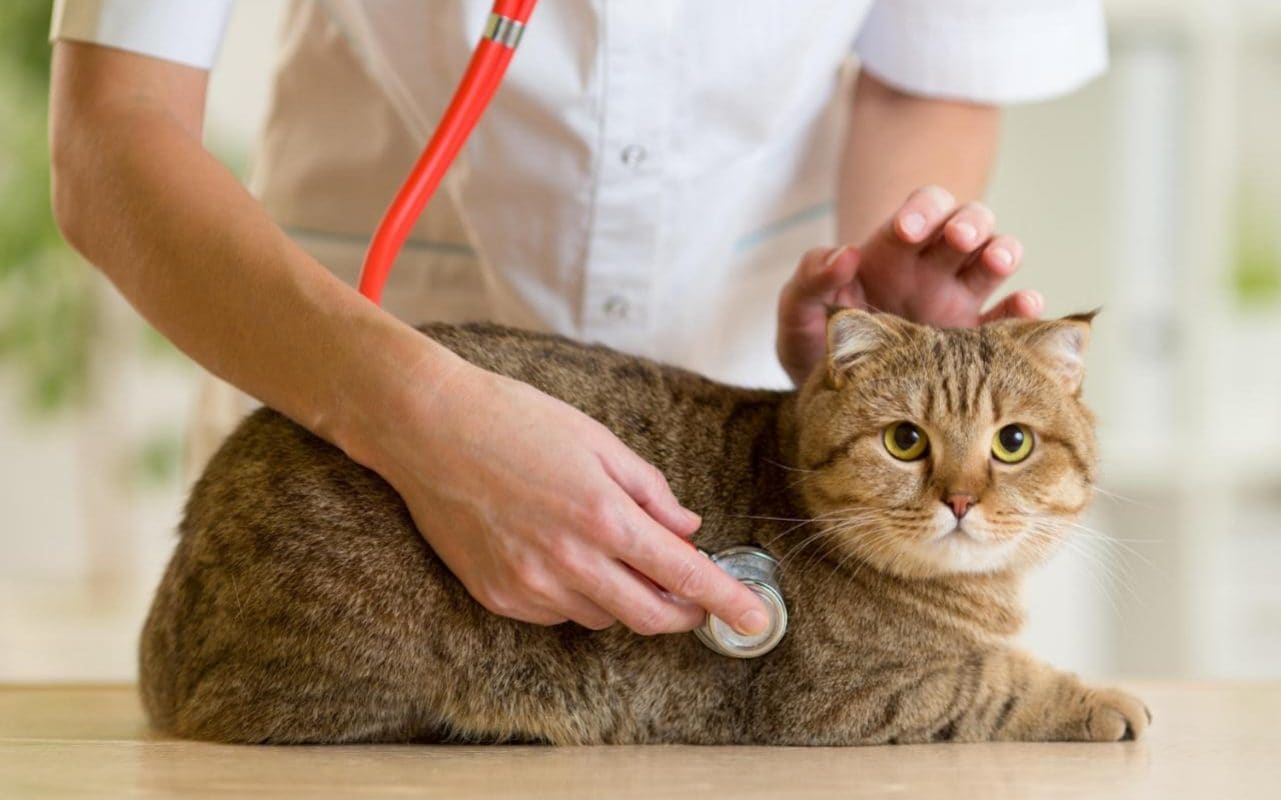
Symptoms of Heart Disease in Cats
Symptoms of heart disease in cats can vary depending on the disease and its progression. Early symptoms are quite likely to be missed; no symptoms may appear in the initial stages of the disease, or existing symptoms may be very difficult to notice.
Among the symptoms, a heart murmur, also known as a heart beating, is not always considered a serious symptom. It is usually seen in many kittens and disappears as they develop. Although it is not considered a danger in itself, it is important to monitor this symptom. Approximately half of cats with heart failure also have a murmur. Irregular heart rhythm and accelerated heart rate are among the most important symptoms of heart disease. In addition to these specific symptoms, the symptoms of heart disease in cats can be listed as follows;
- Restlessness, weakness, decreased movement
- Difficulty during exercise and interrupting exercise
- Shortness of breath
- Rapid breathing at rest
- Chronic coughs
- Regular increase in heart rate
- Loss of appetite
These symptoms do not only indicate heart problems, but it is important to investigate them thoroughly. It is recommended that cats experiencing similar complaints be taken to a veterinarian for check-ups. When heart disease is suspected in cats, the diagnostic process begins with examinations such as physical examination, ultrasound, blood pressure measurement, ECG, X-ray, and blood tests. Based on the diagnosis, a treatment plan for heart disease in cats is determined.
Treatment of Heart Diseases in Cats
Treatment methods for heart diseases in cats are planned according to the cat's specific condition, general health status, and the effects of the disease. In this context, when congenital problems cannot be treated surgically, observation and drug treatments may be implemented. Heart diseases in cats are generally not completely curable; the main goal of the applied treatment methods is to keep the diseases under control and manage them to ensure that cats live a healthy and long life.

Prevention of Heart Diseases in Cats
Unfortunately, it is not possible to prevent congenital and hereditary heart diseases. However, it is possible to prevent acquired heart diseases that appear after adulthood. Healthy nutrition for cats, and choosing cat food appropriate to their developmental stage and general health status, makes a difference in preventing heart disease. In addition, regular exercise can improve cats' health and prevent serious illnesses. Regular veterinary visits and routine check-ups allow for necessary precautions to be taken before heart disease develops, or for early diagnosis to manage health problems and stop their progression.
Nutrition of Cats with Heart Disease
Cats with heart disease do not need special nutrition if they maintain their ideal body weight and have sufficient taurine in their diet. However, it should not be forgotten that taurine intake is very important at this point. Taurine is a very important essential amino acid for cats of all age groups to prevent dilated cardiomyopathy. Unless high blood pressure is the cause of heart disease, there is no need to completely eliminate salt from a cat's diet. Supplements such as Vitamin E and Coenzyme Q10 may be recommended. The diets of cats with heart disease should be planned by veterinarians.
Advertisement
Advertisement
Keep exploring
Continue reading

Cat Health
Why Do Cats Get Thinner as They Age? Symptoms and Treatment
When stroking an aging cat's back, the spine or hip bones may feel more prominent than before, which is the first change most cat owners notice.
Read guide →
Cat Health
Cat Anatomy and Organs: Body Structure, Health Signs and Relationship with Diseases
A slight change in posture, a slight limp in gait, or a difference in litter box habits in cats can give clues about their body systems.
Read guide →
Cat Health
How to Acclimate Cats to Carrier Bags?
Does your cat hide, hiss, or resist with all its might the moment it sees the carrier? This reaction is described as carrier phobia in most homes…
Read guide →
Cat Health
What Should Be Considered After Vaccination in Cats?
Following your cat's vaccination schedule for health and a long life is one of the most critical decisions you will make as a pet owner.
Read guide →