Honey Bear Cat Characteristics, Care, and Temperament
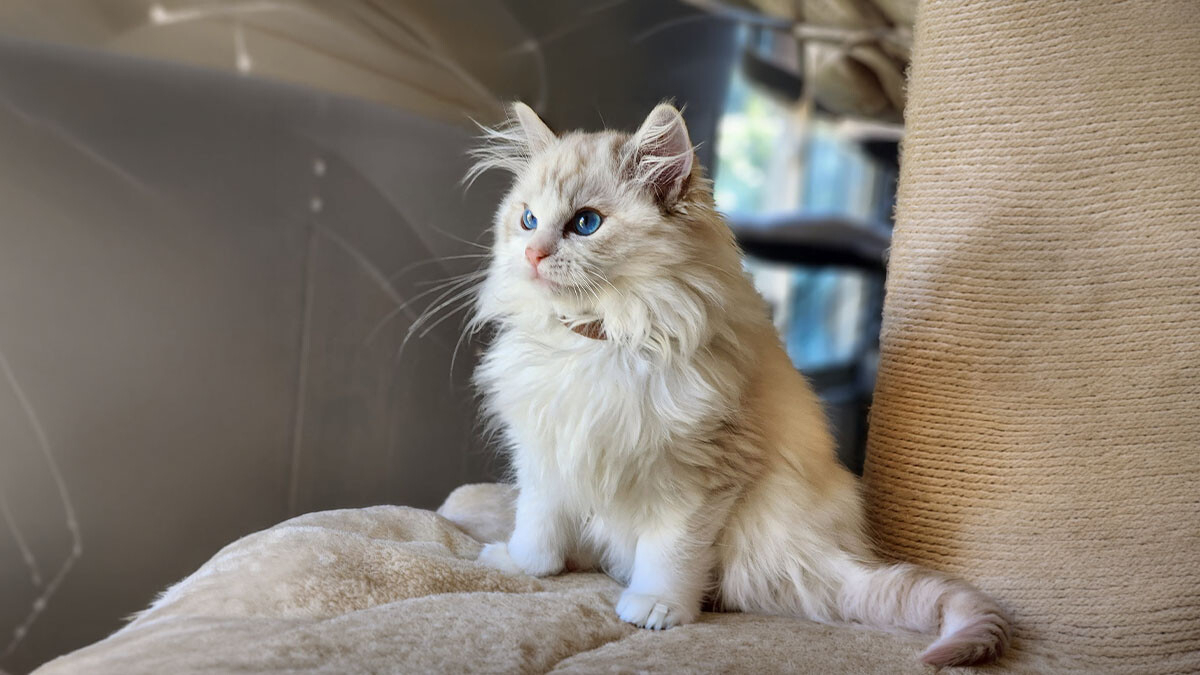
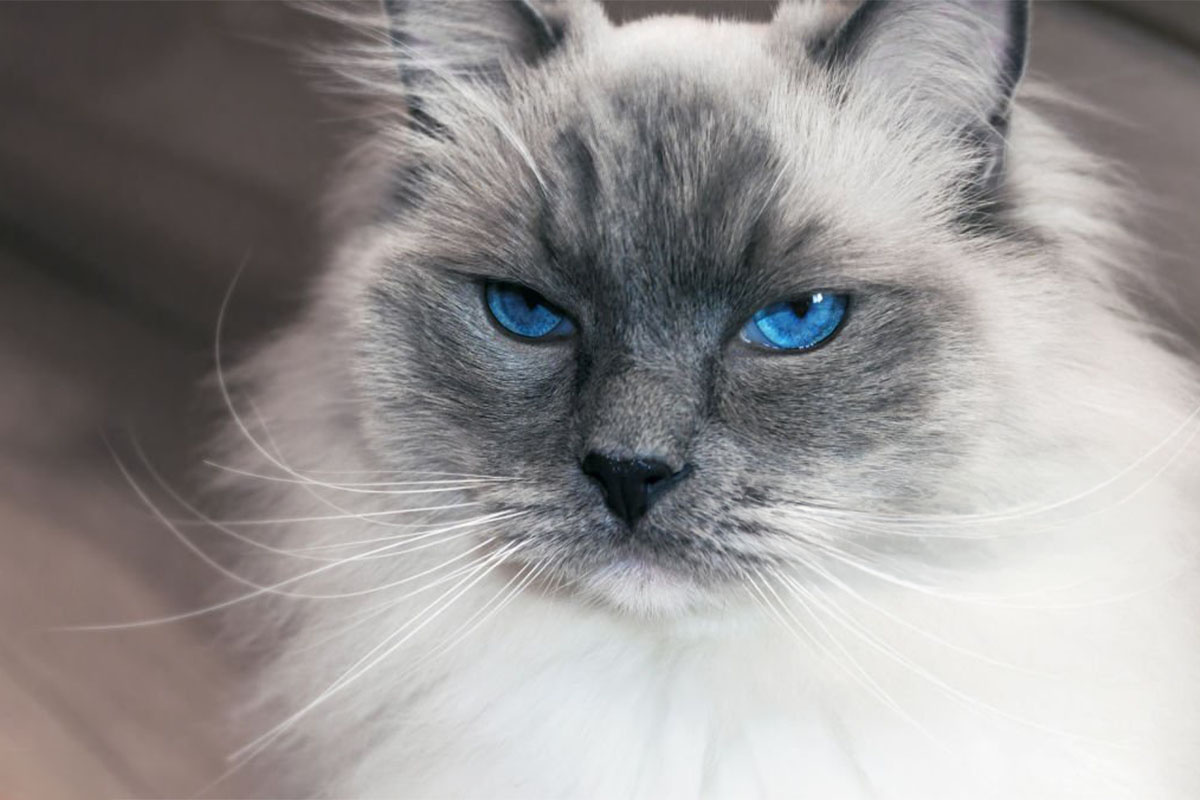
Imagine a large cat, its fur resembling that of a teddy bear, sprawled on your lap. That's exactly how the Honey Bear cat is described online: sweet, calm, and absolutely cuddly.
Advertisement
Imagine a large cat, its fur resembling that of a teddy bear, sprawled on your lap. That's exactly how the Honey Bear cat is described online: sweet, calm, and absolutely cuddly.
The Honey Bear is not an independent breed recognized by major cat organizations such as TICA and CFA. The name belongs to an older Persian lineage used within a breed founded by Ann Baker, who also developed the Ragdoll. After Baker's death, these cats largely continued to live within the Ragamuffin breed, which is now officially recognized. Therefore, when you search for Honey Bear, the most reliable guide is the Ragamuffin and its Persian ancestry.
In this article, you can find information about the cats' true origins, character, daily care, and things you need to know before adopting.
Warning: This content is for general informational purposes only. Every cat is different. Always consult a veterinarian regarding decisions about your cat's health, behavior, or care.
General Characteristics of Honey Bear Cats
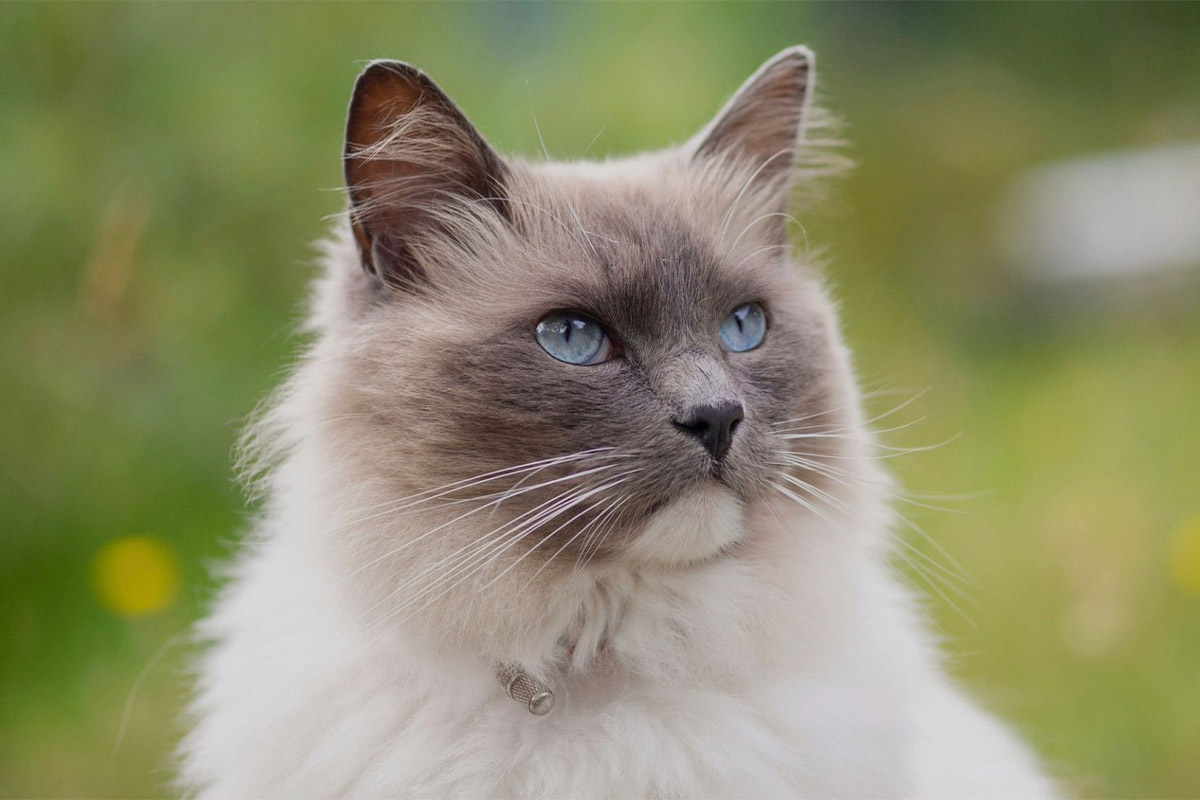
The Honey Bear is not a breed recognized by major organizations. It is based on one of the names used by Ann Baker within the IRCA, also known as the International Ragdoll Cat Association, which she founded after the 1960s. These cats were produced from a pair of Persian cats and could be registered as Persian in the CFA (Cat Lovers Association) records.
These registrations were cancelled when Baker claimed that skunk genes had been introduced into the cats. As the claims veered in an unscientific direction, the line remained outside of traditional organizations. Following Baker's death in 1997, the Honeybear line merged with the Ragamuffin breed, which is now recognized by many organizations.
Looking at their modern counterparts, a large, sturdy, and thick-boned body, a broad chest, and full, semi-long coat can be considered among the general characteristics of a Honey Bear. The head is broadly wedge-shaped with a slightly rounded forehead. The eyes are large and round. They can have different colored coats.
Another important thing to know about Honey Bear cats is that they mature late. They can reach their full size at four to five years old. An adult female can weigh approximately 5.5 kg, and a male can weigh 9 kg.
Honey Bear Cat Character and Temperament
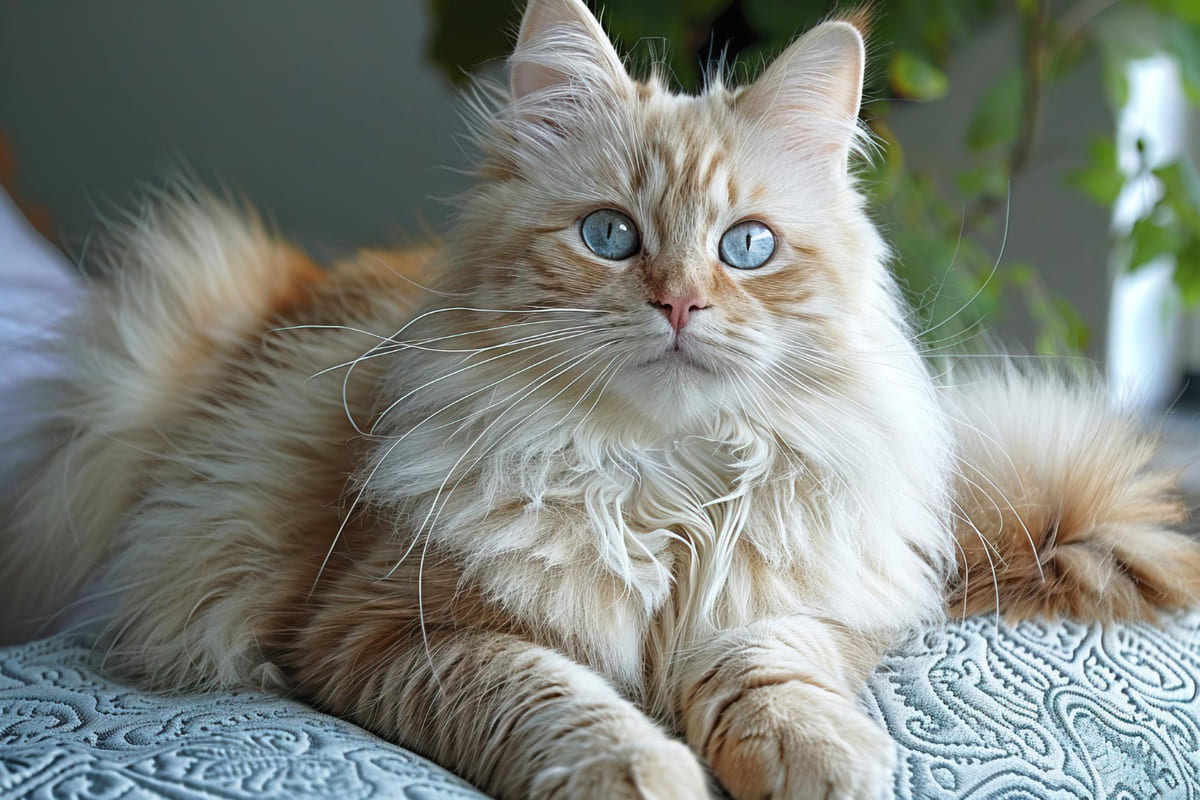
They are described as affectionate, docile, and fond of people. They have a nature that greets you at the door, follows you from room to room, and loves to stay in your lap for a long time. A loving and calm Honey Bear cat easily adapts to the rhythm of the home and wants to be close to you all day long.
Their hunting instincts may be relatively weak. Their underdeveloped hunting instincts make them more suited to being a housemate, not an independent hunter. They generally get along well with the family and other animals in the house, and have a high tolerance threshold.
Early socialization, the tranquility of the home, and the time the owner dedicates are crucial in shaping their character. Because their expectations of attention are high, a routine where most of the time is spent without anyone else at home is not very suitable for these cats.
Are Honey Bear Cats Suitable for Indoor Living?
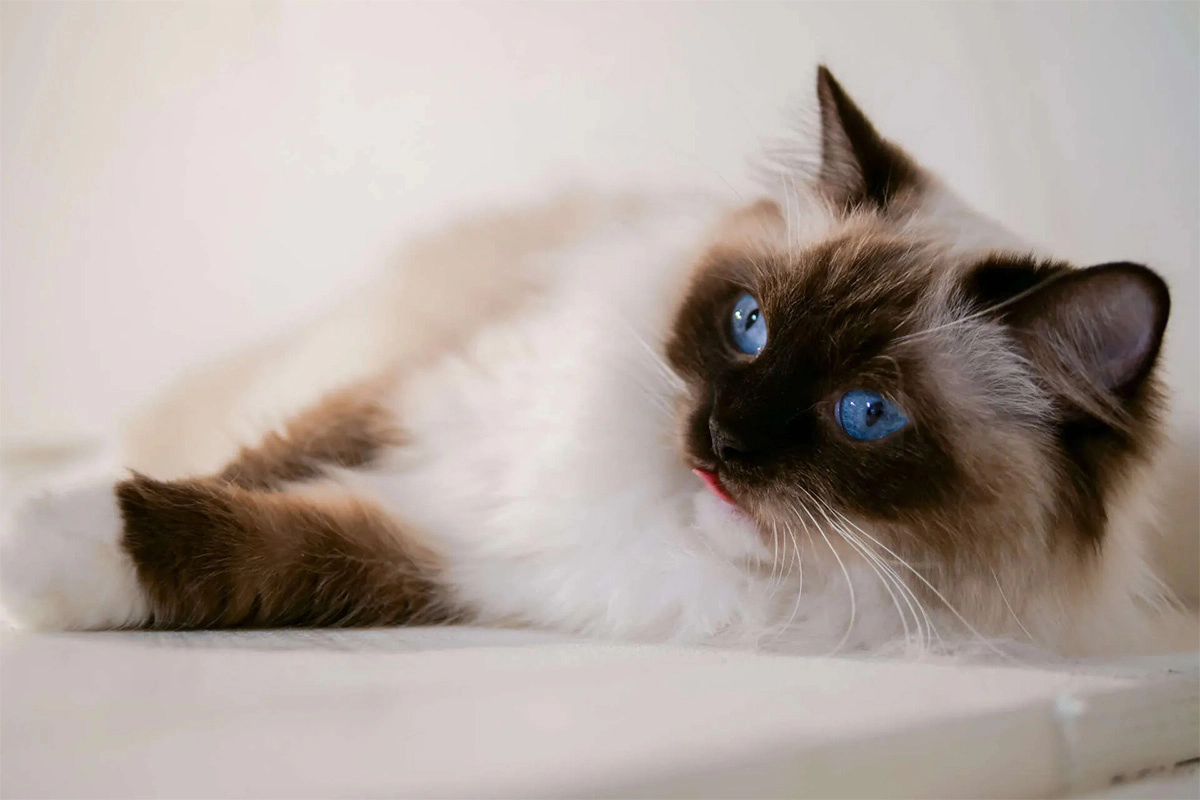
Yes, cats known as Honey Bears are quite suitable for indoor and apartment living. Their reliable and less curious nature leaves them vulnerable outdoors. Therefore, a closed, protected environment should be provided.
Their prominence of sociability can also mean they adapt poorly to prolonged solitude. Interacting with people helps them maintain a more balanced psychology.
They generally get along well with children and other pets. However, interaction with young children should be supervised, and children should be taught gentle touch. The ideal owner profile is someone who spends sufficient time at home and seeks close companionship.
How to Care for a Honey Bear Cat?
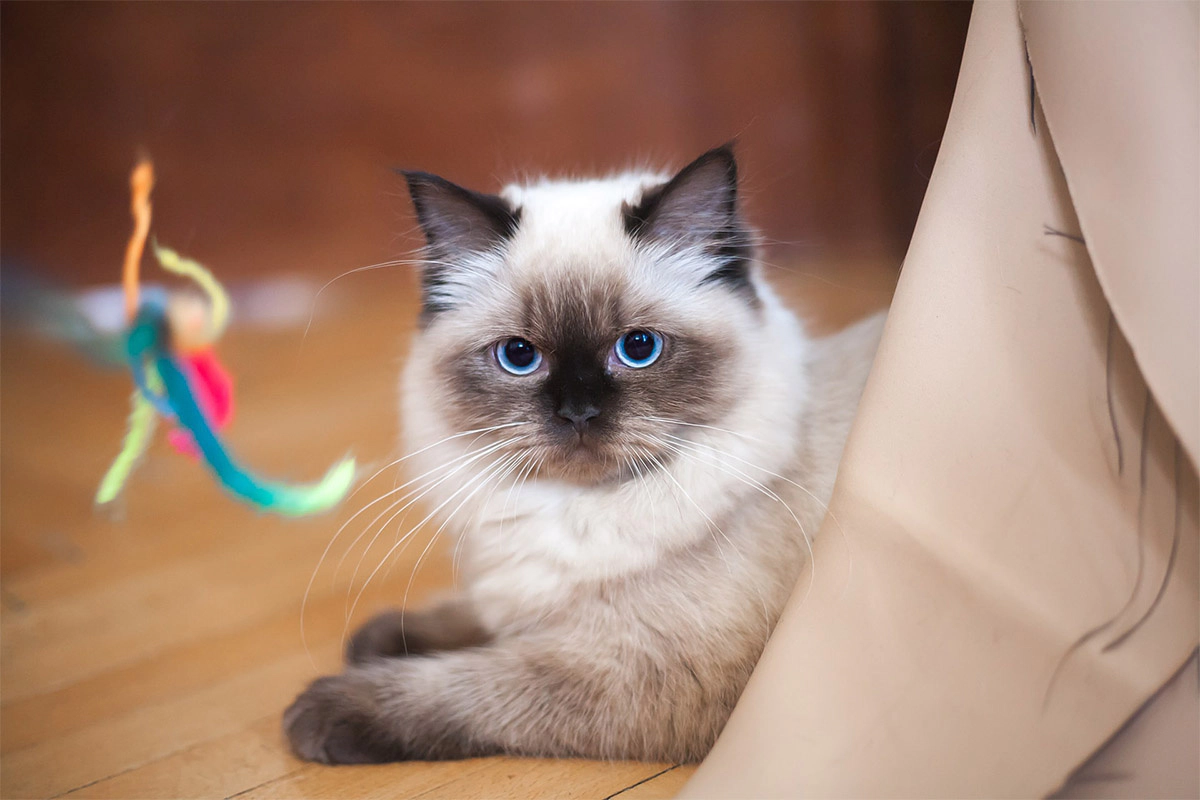
Although these cats' calm nature makes care easier, regularity is essential. Regular care should include brushing their fur, checking their mouth and teeth, monitoring their ear cleaning, and meeting their physical needs.
Honey Bear Cat Coat Care
Their semi-long and full coat requires regular grooming. While brushing once or twice a week is sufficient, it is important to increase the brushing frequency to two or three times a week during seasonal shedding periods.
The coat is relatively resistant to heavy matting, however, the neck mane, hind leg fur, and between the toes require regular checking. Mating is more easily seen in cats with a dominant Persian ancestry; these cats need to have more frequent brushing.
Honey Bear Cat Oral and Dental Health
Gum disease is common in cats and can be largely prevented with an early start to a routine. Regular brushing with cat-specific toothpaste and annual veterinary dental checkups are the most reliable protection. Starting brushing at a young age with short, positive sessions makes it easier to get used to it. Important: If you notice bad breath, refusal to eat, increased drooling, or redness in the gums, it is best to consult a veterinarian. Honey Bear Cat Exercise Needs Although a calm cat, daily play is necessary. Interactive toys like furry fishing rods, climbing areas, and intelligence toys can help balance weight and keep the mind active. Honey Bear Cat Nutrition A balanced and complete cat food appropriate for their age, along with readily available clean water, is fundamental to their diet. Honey Bears are prone to weight gain, so feeding should be controlled. Avoiding free feeding and adjusting daily food intake according to veterinary recommendations is the safest approach.
Important: If you notice bad breath, avoidance of food, increased salivation, or redness in the gums, it is best to consult a veterinarian.
Honey Bear Cat Exercise Needs
Although a calm cat, daily play is necessary. Interactive toys like furry fishing rods, climbing areas, and intelligence toys can help balance weight and keep the mind active.
Honey Bear Kedisi Beslenmesi
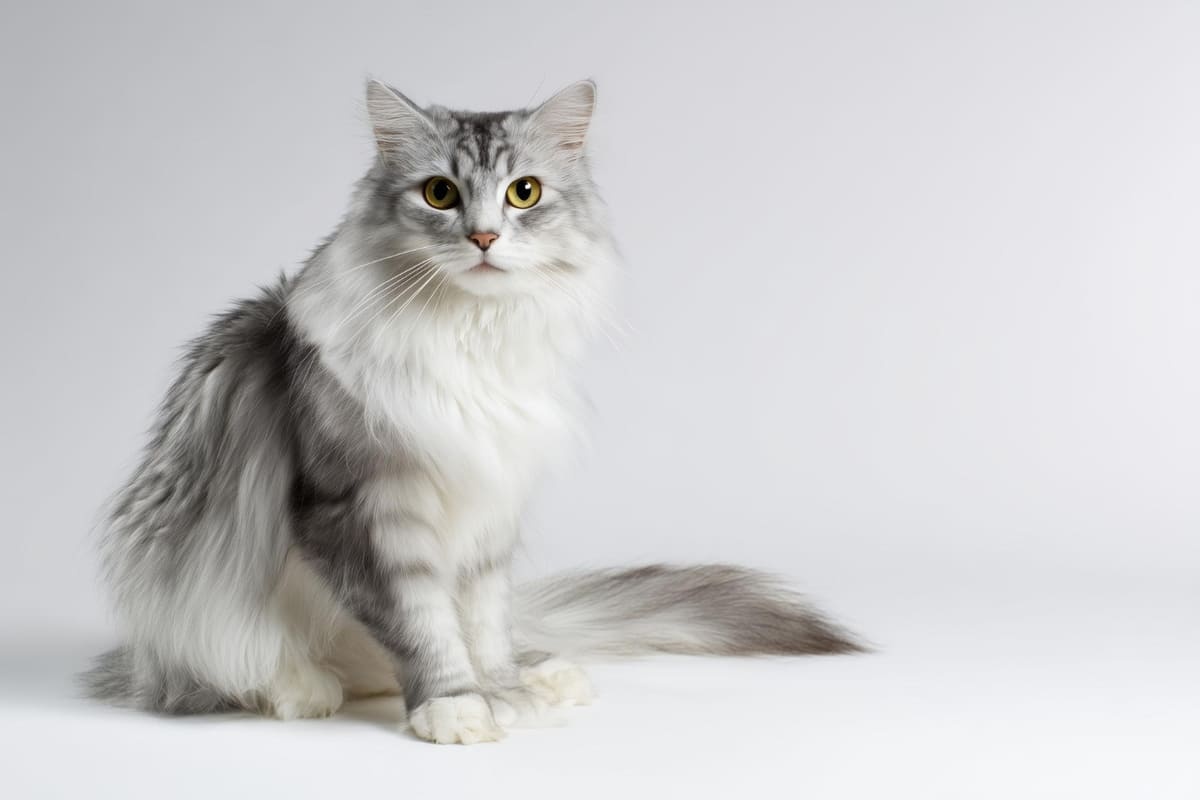
A balanced and complete cat food appropriate for their age, along with readily available clean water, is fundamental to their diet. Honey Bears are prone to weight gain, so feeding should be carefully controlled. Avoiding free feeding and adjusting daily food amounts according to veterinary recommendations is the safest approach.
Food selection and portion planning should be re-evaluated as energy needs may decrease after neutering. Using neutered cat food may become important during this period.
If treats are given, the amount should be limited and included in the total daily calorie count.
When a food change is necessary, a gradual transition spread over several days should be preferred instead of a sudden switch; veterinary consultation should be sought if decreased appetite, rapid weight gain, or digestive problems are noticed.
Important: Have regular veterinary check-ups to monitor ideal weight and body condition. Weight gain puts a long-term burden on heart and joint health.
Common Diseases in Honey Bear Cats
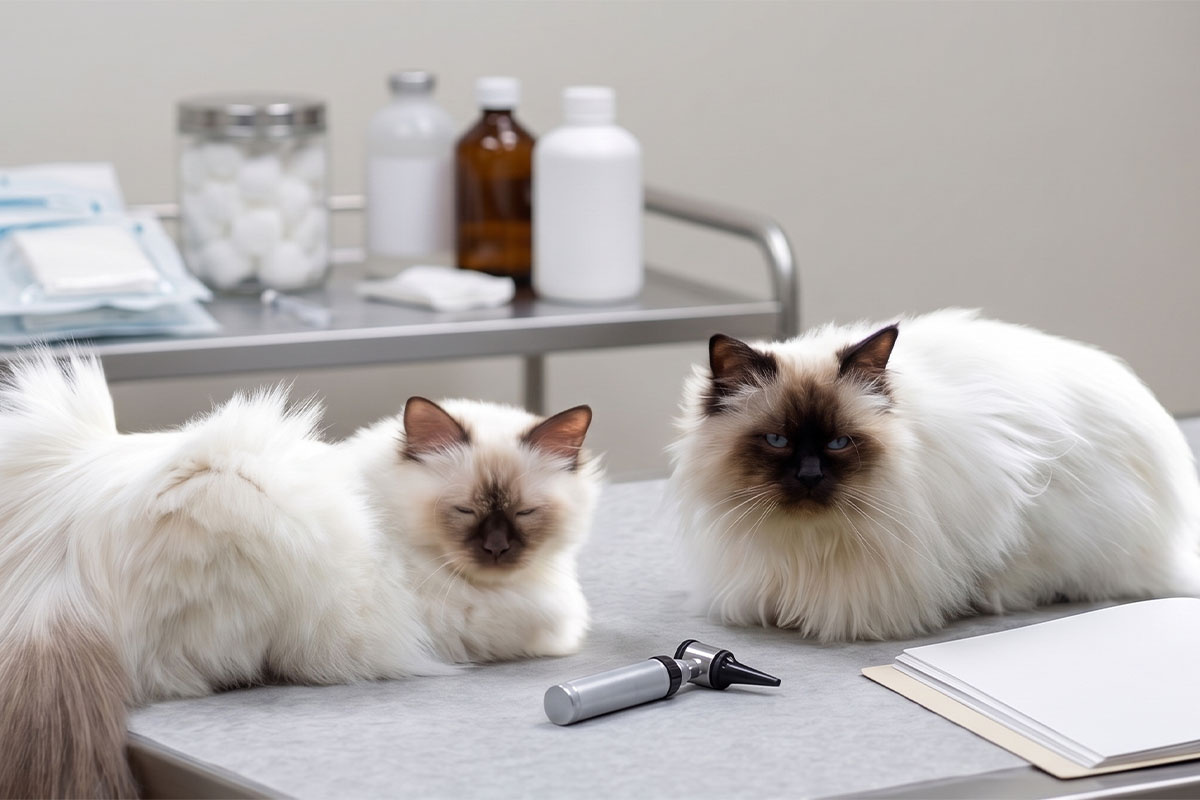
The documented hereditary conditions in these cats, originating from Persian cats and continuing with Ragamuffin, are heart and kidney-focused. Both are largely manageable with early screening.
Hypertrophic cardiomyopathy, also known as thickening of the heart muscle, is the most common heart disease in cats. Early diagnosis is possible with genetic testing and echocardiography.
Polycystic kidney disease, also known as hereditary disease, which progresses with fluid-filled cysts in the kidneys, has been passed down to these cats from Persian ancestors. The cysts are present at birth and grow over the years; symptoms usually appear around the age of seven. Ultrasound is the most reliable diagnostic tool. There is no specific treatment for the disease. Like chronic kidney disease, it is managed with a supportive approach. In addition, obesity and dental diseases are other issues that require regular follow-up.
Things to Know Before Adopting a Honey Bear Cat
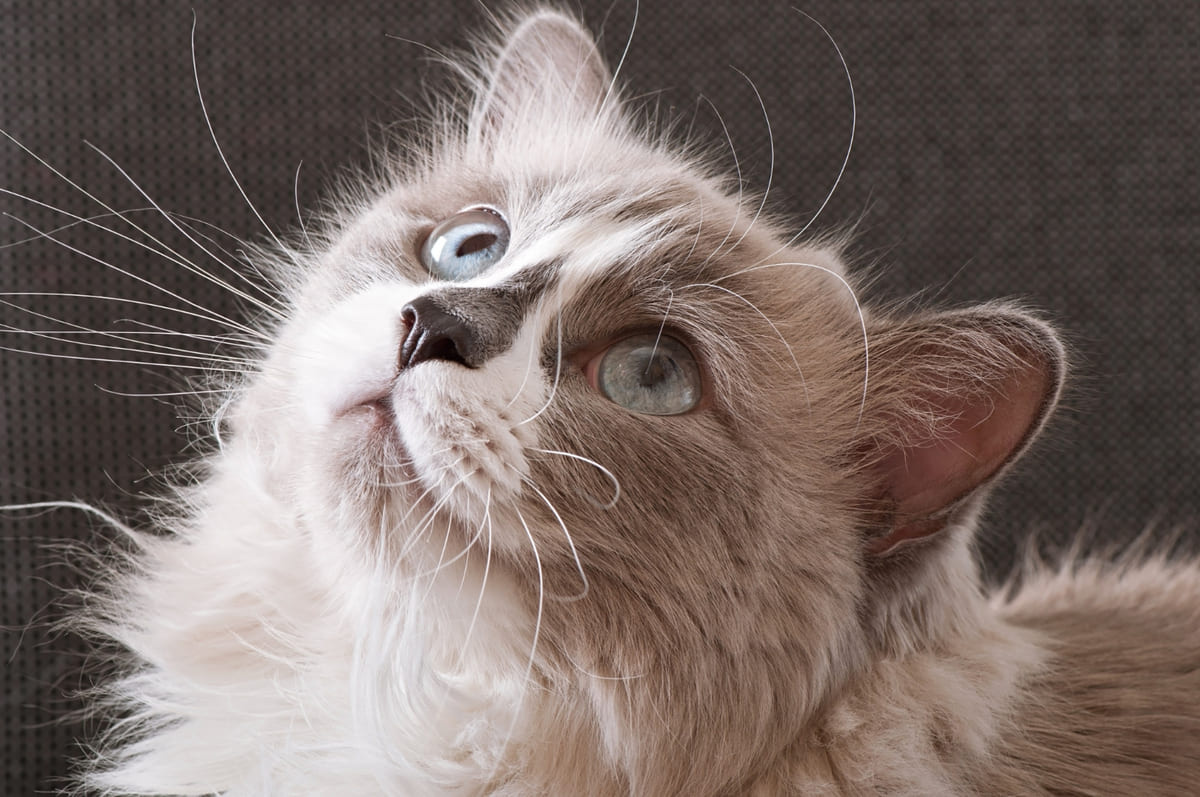
Before deciding to adopt a Honey Bear cat, it is recommended to consider the following factors:
- It is a social cat that does not like loneliness; it expects daily interaction.
- Regular brushing, dental care, and weight management require consistency.
- A safe and enriched home environment is critical for maintaining their health.
- Include in your budget the costs of quality food, regular veterinary check-ups, and possible genetic testing or treatment.
Frequently Asked Questions
Does the Honey Bear cat shed?
Yes, it does. The semi-long and full coat sheds a small amount year-round, but more noticeably during seasonal changes. Weekly brushing and increasing brushing frequency during seasonal periods will help control shedding and tangling.
Is the Honey Bear an officially recognized cat breed?
No. Big cat organizations do not recognize the Honey Bear as an independent breed. The name belonged to a Persian line used within Ann Baker's association, and these cats were later merged into the Ragamuffin breed.
What is the difference between a Honey Bear cat and a Ragdoll?
Both trace their origins back to Ann Baker's breeding program, but the types are different. The Ragdoll is a officially recognized breed with blue eyes and a coloured-tipped pattern. Cats known as Honey Bears were of the Persian type and largely evolved into the Ragamuffin.
Can a Honey Bear cat be left alone at home?
They are not suitable for being left alone for long periods. In situations where you are not home all day, playtime enrichment or a companion pet should be considered.
Do Honey Bear cats get along well with children?
They are generally adaptable. Their docile and tolerant nature makes them suitable for homes with children. However, interaction with young children should be supervised, and the child should be taught to handle the cat gently. Providing a quiet area where the cat can escape reduces tension.
How long do Honey Bear cats live?
It is not accurate to give a precise timeframe. The average lifespan of a Honey Bear cat can vary depending on genetic predisposition, balanced diet, weight control, and whether regular veterinary checkups are performed.
Who are Honey Bear cats suitable for?
They are suitable for those looking for an affectionate, calm, and cuddly cat. The ideal owner is someone who has an indoor environment, can provide daily attention, and can dedicate time to regular brushing and weight management. They are not suitable for those who constantly live outdoors or seek long periods of solitude.
Kaynaklar
http://messybeast.com/longhair-irca.htm
https://basepaws.com/cat-breeds/ragamuffin
https://www.hillspet.com/cat-care/cat-breeds/ragamuffin
https://www.dailypaws.com/cats-kittens/cat-breeds/ragamuffin
https://a-z-animals.com/animals/ragamuffin/
https://www.vetstreet.com/cats/ragamuffin
https://vcahospitals.com/know-your-pet/kidney-disease-polycystic-kidney-disease-in-cats
Advertisement
Advertisement
Keep exploring
Continue reading

Cat Care
Is My Cat Coughing or Trying to Pass a Hairball?
Seeing your cat crouch down, stretching its neck, and trying to expel something with a strange sound can be unsettling.
Read guide →
Cat Care
York Chocolate Cat Characteristics, Care and Temperament
With its dark brown fur, watchful eyes, and observant demeanor, the York Chocolate is a cat that sparks curiosity at first sight.
Read guide →
Cat Care
Tiffanie Cat Characteristics, Care and Temperament
Silky fur, on its neck With its frilly mane and large, curious eyes, the Tiffanie cat immediately catches the eye.
Read guide →
Cat Care
Snowshoe Cat Characteristics, Character and Care
The Snowshoe cat is a unique breed developed by the controlled mating of Siamese cats and American Shorthair cats.
Read guide →