How Do You Know If It's Really Hot for Dogs?
Time spent outdoors increases during the hot summer months. However, sometimes excessive heat can be harmful to living things. Wearing thinner clothes outdoors makes the heat more bearable for humans, but this is not the case for dogs.
Advertisement
Time spent outdoors increases during the hot summer months. However, sometimes excessive heat can be harmful to living things. Wearing thinner clothes outdoors makes the heat more bearable for humans, but this is not the case for dogs. Therefore, dog owners need to know how dangerous outdoor areas can be for their dogs. Also, knowing the effects of extreme heat on dogs helps to understand the dog's situation. Heatstroke can lead to serious health problems in dogs. In fact, it can be life-threatening if left untreated. Therefore, taking precautions as much as possible is extremely important.
Definition of Extreme Heat for Dogs
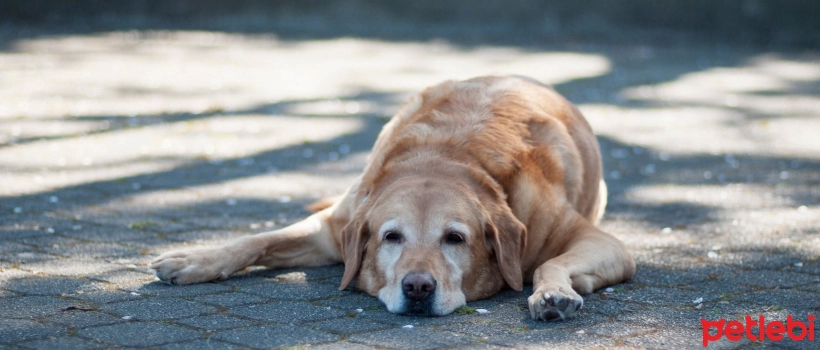
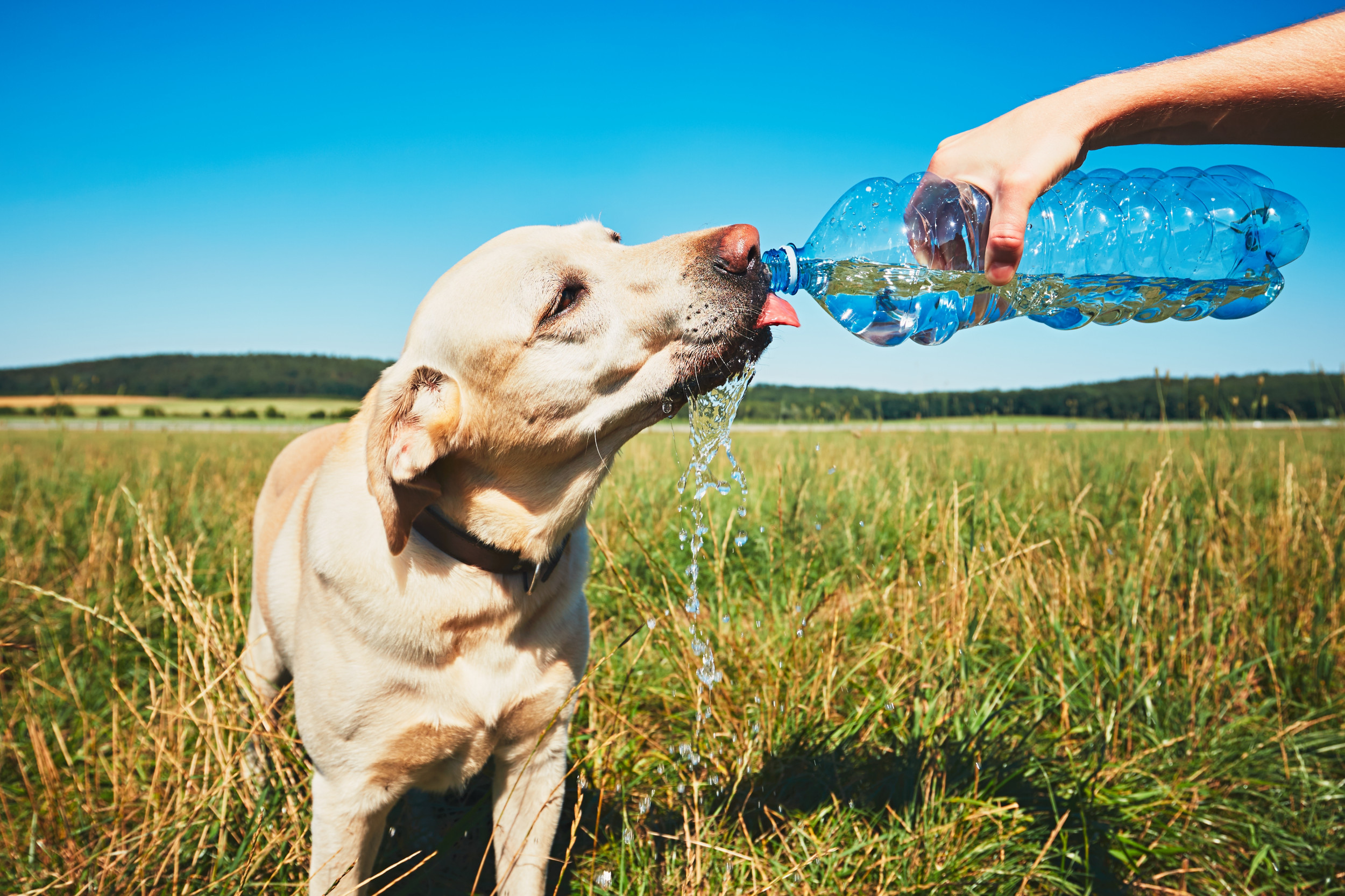
Like humans, dogs have varying tolerances to heat and cold. Some dogs are known to be more heat-resistant due to breed characteristics. However, this tolerance also has limits. When the air temperature exceeds 25 degrees Celsius, you need to start taking various precautions for your dog. Direct exposure to sunlight in low-humidity weather or in the absence of wind is dangerous for dogs. Even if the air temperature shows 25 degrees, the perceived temperature can be much higher. In addition, since asphalt or stone surfaces on the street are constantly under the sun, they can easily reach temperatures that can damage a dog's paws. The difference between the air temperature and the asphalt temperature can reach up to 20 degrees. This can cause a dog's paws to burn in about 60 seconds. Therefore, when walking your dog outside in hot weather, choosing shaded areas is among the precautions that should be taken. Cooling water bowls and cooling mats are also among the precautions that can be taken for dogs living in the garden during hot weather. You can find cooling dog mats by clicking here. Even if walking in the shade eliminates the problem of ground temperature, air temperatures higher than the dog's body temperature can lead to problems in the short term. The average body temperature of dogs is around 37 degrees Celsius. Air temperatures above 37 degrees Celsius, or low humidity even if the air temperature is below 37 degrees Celsius, can prevent the dog from cooling itself by causing it to breathe rapidly. It is extremely dangerous for dogs to exercise too much, especially in hot weather. In short, as the humidity in the air increases, the negative effects of air temperature on the dog decrease. This is just as uncomfortable for dogs as it is for humans to stand in the sun.
Even if walking in the shade eliminates the problem of ground temperature, air temperature being higher than the dog's body temperature can cause problems in the short term. The average body temperature of dogs is around 37 degrees Celsius. Air temperatures above 37 degrees Celsius, or low humidity even if the air temperature is below 37 degrees Celsius, can prevent the dog from cooling itself by breathing rapidly. It is extremely dangerous for a dog to exercise too much, especially in hot weather. In short, as the humidity in the air increases, the negative effects of air temperature on dogs decrease. Just as waiting in the sun is uncomfortable for humans, it's equally true for dogs.

Changes in Dogs Due to Air Temperature
Understanding how hot the air is for a dog can sometimes be difficult. Observing the changes in the dog helps to understand how it is affected by the heat.
Rapid breathing, excessive drooling, fatigue, vomiting, diarrhea, excessive thirst, and bright red gums and tongue are the most common signs that the air is too hot for a dog. As body temperature continues to rise, the risk of loss of consciousness and fainting increases. In some dogs, seizures even occur. In such cases, the dog needs immediate medical attention.
It may be possible to understand the dog's condition by looking at these symptoms. If symptoms of heatstroke appear, taking the dog to an enclosed area if possible and providing access to fresh water will help it to relax. When it's unclear how hot the air is for dogs, it's recommended to measure their body temperature with a thermometer. If the body temperature reaches 40 degrees Celsius or higher, the dog should be immediately moved to a cool environment and a veterinarian should be consulted. How Different Dog Breeds Are Affected by Temperatures? Except for giant breeds, the effect of temperatures on dogs is almost the same. Basically, smaller breeds are more resistant to heat. However, there are some exceptions. Obese dogs, puppies, senior dogs, and brachycephalic breeds are affected by hot weather much more quickly. These dogs should not be left in hot environments for extended periods. In addition, dogs with thicker fur are affected by heat more quickly. Dogs with short and fine fur can stay in hot weather for longer. Giant breeds, regardless of their fur type, should not be left in the heat for too long.
How Different Dog Breeds Are Affected by Temperatures?
Except for giant breeds, the effects of heat on dogs are almost the same. Basically, smaller breeds are more resistant to heat. However, there are some exceptions. Obese dogs, puppies, senior dogs, and brachycephalic breeds are much more quickly affected by hot weather. These dogs should not be left in hot environments for extended periods. Additionally, dogs with thicker fur are more quickly affected by heat. Dogs with short, fine fur can stay in hot weather for longer. Giant breeds, regardless of their fur type, should not be left in the heat for too long.
Advertisement
Advertisement
Keep exploring
Continue reading

Dog Lifestyle & Guides
The Unseen Risks of Excess Weight in Small Breed Dogs
Small breed Weight gain in dogs sometimes progresses unnoticed. Extra food added to the food bowl, treats given during the day, food offered from the…
Read guide →
Dog Lifestyle & Guides
Dental Health and Its Importance in Dogs
Dental health in dogs is often Bad breath doesn't become a concern until it's noticed. However, the problem often begins before the odor: Plaque…
Read guide →
Dog Lifestyle & Guides
Hachiko: The True Story and Monument of the Dog Symbolizing Loyalty
The crowd gathered in front of the Hachiko statue in Shibuya shows that a wait that began years ago is not forgotten today.
Read guide →
Dog Lifestyle & Guides
Nasal Discharge in Dogs
If your dog has a runny nose, the first question that usually comes to mind is: Is this normal, or is there something I should be concerned about?
Read guide →