How Should Cat Food Be Stored? Storage Conditions
For your cat's healthy and balanced diet, how it is stored is as important as the quality of the food you choose. Incorrectly stored cat food can lose both its nutritional value and its taste. Therefore, the question is, "How should cat food be stored?

Advertisement
For your cat's healthy and balanced diet, how it is stored is as important as the quality of the food you choose. Incorrectly stored cat food can lose both its nutritional value and its taste. Therefore, the question is, "How should cat food be stored?" The answers to this question should be fully known by individuals who are adopting a cat for the first time or who have previously experienced problems such as food spoilage.
Cat food storage conditions are crucial for maintaining the freshness of the food, preventing the loss of nutritional value, and ensuring your cat eats with appetite. Incorrect storage can lead to the food absorbing moisture, oxidizing, or producing bacteria. This both risks your cat's health and creates economic waste.
In this article, you can find detailed information about the factors affecting cat food freshness, common cat food storage mistakes, and correct practices.
What Factors Affect Food Freshness?

Seeing your cat eat its food with appetite every time you put it out undoubtedly puts your mind at ease. However, some days you may witness even your cat's usual favorite food being rejected. One of the first questions that comes to mind in such situations is: “Has the food gone stale?”
This question reflects a perfectly legitimate concern. The freshness of cat food is directly related not only to taste but also to health. Food that has lost its freshness can weaken your cat's immune system, cause digestive problems, or lead to loss of appetite. Knowing the factors that affect food spoilage allows for the most effective precautions to be taken.
Contact with Air
After the packaging of dry food is opened, the contents undergo a further deterioration process with contact with air. The fats in the food begin to oxidize as they come into contact with oxygen. This leads to both a deterioration in smell and a loss of taste. Cats notice this change much earlier than we do. Therefore, it is recommended to tightly close the food container and, if possible, transfer it from the original packaging to an airtight storage container.
Temperature and Humidity
Temperature is one of the most important environmental factors affecting the freshness of pet food. Temperatures above 21°C cause the natural oils in the food to deteriorate and create a breeding ground for harmful microorganisms. In humid environments, the structure of the food can deteriorate, soften, and mold can form.
Light Exposure
Strong light sources can reduce the nutritional value of the food over time. Vitamins A, D, and E, in particular, are very sensitive to light. If transparent or light-colored storage containers are used, it is important to keep the food in a cupboard or in the shade so that it is not directly exposed to sunlight.
Pay Attention to the Material of the Storage Container!
The material of the container in which the food is stored can affect how long its freshness and nutritional value are preserved. Low-quality plastic containers can crack and scratch over time, and bacteria can form more quickly on these surfaces. Some plastics can also release chemicals, threatening the safety of the food.
Therefore, it is considered better to choose containers made of healthy, durable materials such as glass or stainless steel for storing food. The lid of the container should also be airtight. If the food is to be stored directly in its original packaging, make sure that this packaging is folded and completely closed.
As stated in the PetMD source, the more the food is exposed to factors such as oxygen, temperature, and light after the packaging is opened, the faster it spoils. Therefore, proper storage of the food from the first day it is opened directly affects both its nutritional quality and your cat's appetite.
How to Store Dry Cat Food?

Dry food is the preferred choice of many cat owners due to its convenience and long shelf life. This long shelf life is only possible if the food is stored under the correct conditions. If the necessary precautions are not taken after opening the packaging, the food will gradually begin to lose its quality due to environmental factors. Therefore, the answers to the question "How to store dry cat food?" are of great importance in terms of preserving the quality of the food and your cat's health.
Dry food is usually presented in multi-layered special packaging. These packages are manufactured to protect the food from light, air, and moisture. Therefore, it is recommended that the food be stored in its original packaging, if possible, and that this packaging be placed in an airtight container.
Pouring the food directly into a plastic container can cause it to spoil faster. The original packaging also includes the expiration date, production information, and ingredient details. This information is important for future reference.
If the food becomes unusable after opening the packaging, it must be stored in an airtight container. As contact with air increases, the natural oils in the food oxidize, leading to deterioration in both taste and nutritional value.
The storage area is just as important as the container. The food should be kept in a cool, dry environment away from direct sunlight. Kitchen cabinets or pantries are suitable options. Areas exposed to sunlight or high temperatures can cause the food to spoil more quickly.
Dry foods soften when they come into contact with moisture, mold can form, and harmful microorganisms can grow. This may not always be noticeable to the naked eye. This risk is higher in foods stored in humid areas. If the humidity level is high at home, placing small moisture-absorbing packets next to the food can be helpful.
How to Store Wet (Canned) Cat Food?

Wet food is a very attractive type of food for cats. It is usually offered in packages containing one or a few servings. Thanks to its intense aroma, it is consumed with appetite even by picky cats. However, the risk of spoilage of wet food is much higher compared to dry food. Therefore, the question of "How to store wet cat food?" is of vital importance, especially for those who use canned food.
Canned cat food generally has a shelf life of 1-2 years from the date of production, as long as the packaging is not opened. Of course, this statement is valid provided that the food is stored at room temperature, without being exposed to direct sunlight. When canned food is kept in a warm environment, the internal pressure can increase. Due to the effect of spoilage in the contents, the packaging may bulge from the outside. These types of packaging should not be used; they should be discarded immediately.
Canned food quickly begins to produce bacteria once opened. Therefore, wet food that is not consumed in one go must be kept in the refrigerator. The food should be covered when placed in the refrigerator. The food should preferably be placed in an airtight glass container or stored in its original container wrapped in plastic wrap.
Refrigerated wet food can maintain its freshness for a maximum of 48 hours. If kept for longer, the taste and texture of the food will deteriorate. If consumed in such a case, it may lead to digestive problems. Allowing cold food to sit at room temperature for a short time before serving or mixing it with slightly warm water can be appetizing.
Top 5 Most Common Mistakes and Correct Practices When Storing Cat Food
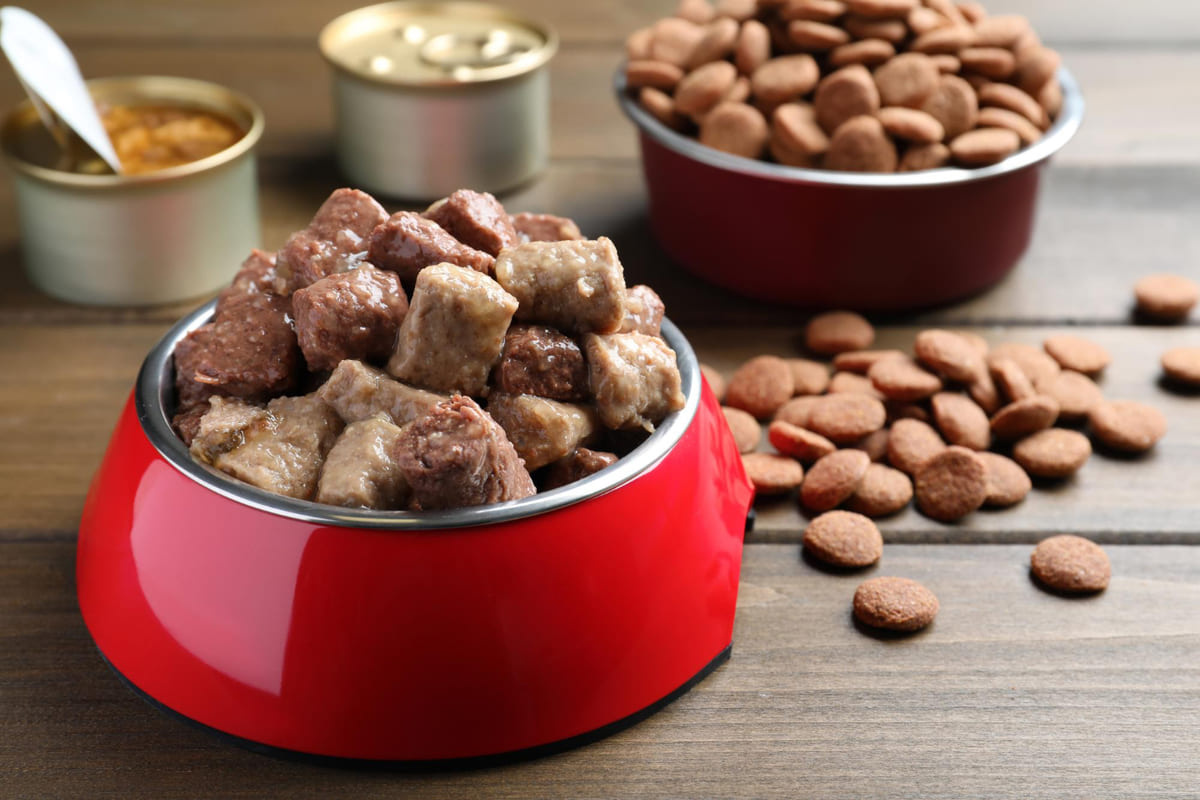
Even a small mistake when storing cat food can unknowingly reduce its quality. Moreover, this is not only wasteful, but also poses significant risks to your cat's health. Because spoiled and contaminated food can lead to many negative consequences, from digestive system problems to weakened immunity.
As stated in Clean Help Canada, food storage mistakes are one of the most frequently overlooked causes of pet health problems. With the right information and a few small precautions, it is possible to easily avoid these mistakes.
Mistake 1: Leaving Food Exposed
Cat food, especially its dry form, is often left open, as it is thought to be stable at room temperature. However, when the packaging is left open, the surface of the food comes into contact with moisture and oxygen in the air, and over time begins to oxidize. This oxidation process causes the fats in the food to deteriorate, and the taste and smell to change.
Correct: After each use, the food packaging should be tightly closed and ideally placed in an airtight container with its original packaging. It is more effective to close the packaging tightly with a clip rather than just twisting it.
Wrong 2: Storing Food in a Place Exposed to Sunlight
Dry or wet food can be exposed to sunlight when left in an easily accessible place indoors. Window sills and areas near balcony doors are risky in this respect. Food exposed to heat and light loses vitamins, the fats deteriorate, and this causes the food to smell different and your cat to reject the food.
The moisture content inside the packaging can increase with temperature. This can lead to the food becoming sticky or moldy. Restlessness or gagging reflexes in your cat after eating can be one of the first signs that the food has spoiled.
The correct way: Store cat food in a cool, dry place away from direct sunlight. If you have a fixed shelf in your kitchen that doesn't receive direct sunlight, you can place the food bowl there. Avoid places with temperature fluctuations, such as near windows or ovens.
Mistake 3: Storing in Plastic Bags or Unsuitable Containers
Unfortunately, it is still a common mistake to store baby food in unsuitable containers, such as thin plastic bags, used storage boxes, or containers previously used for different products, such as detergent packaging. Such containers are air permeable and allow the food to come into contact with moisture, oxygen, and even odors.
Low-quality plastics can release harmful chemicals over time. Some plastic surfaces scratch over time, and these micro-scratches become ideal habitats for bacteria. This can lead to external contamination of the food.
The Correct Way: Special baby food storage containers made of glass, stainless steel, or BPA-free hard plastic should be preferred for storing baby food. If you want to keep it in its original packaging, fold the packaging, seal it airtight, and place it inside another sealed box.
Wrong 4: Not Checking the Expiration Date
Large-sized cat food is often preferred because it is economical. However, as the shelf life of these products increases, the expiration date can be overlooked. Some users may base their decisions on an older date without realizing that the spoilage process accelerates after the packaging is opened.
Expired cat food also poses a safety risk. Spoiled food can cause vomiting, diarrhea, loss of appetite, and long-term digestive problems in your cat.
Correct: It is a good habit to write the date you first opened the food packaging on a small label. This way, you can both track the consumption period and detect expired products in time. Remember to always check the expiration date with every purchase.
Myth 5: Leaving Opened Wet Food at Room Temperature
If wet food is not consumed shortly after opening, it quickly begins to produce bacteria at room temperature. Especially in summer, the level of bacteria in the food can reach risky levels in as little as 20 minutes. While the thought of "I'll give it to my cat again in the evening" may seem harmless if your cat didn't eat it, it can have serious health consequences.
The appearance of spoiled wet food may not change initially. However, rapid bacterial growth occurs inside, which can cause food poisoning.
The correct way: Immediately place opened wet food in the refrigerator. Storing it in an airtight container or in its original packaging tightly sealed with plastic wrap is the ideal solution. The food should not be kept in the refrigerator for more than 48 hours. Letting the food sit at room temperature for a while or warming it very slightly before serving can help your cat eat more readily.
How to Tell if Cat Food Has Spoiled?

If your cat isn't eating its food with the usual appetite, or even approaching its food bowl, there may be a problem. One reason for this behavior is that the food has lost its freshness. The important point to note here is that changes in spoiled food may not immediately be visible and are often not noticeable at first glance.
The answer to the question "Does cat food spoil?" is always yes when not stored under the correct conditions, and to understand this, you need to pay attention to some signs.
1. Odor Control
Cats are extremely sensitive to smell. Even the smallest change you don't notice can cause them to refuse their food. If, when you open the lid, instead of a familiar and fresh aroma, you get a sour, stale, or heavy "oil paint"-like smell, this indicates that the fats have oxidized and the food has started to spoil.
These odors are harder to detect in dry food, but they become much more noticeable in wet food. A metallic or acidic odor is a common sign in spoiled canned food.
2. Changes in Appearance and Texture
The freshness of cat food can also be determined visually. If the dry food has faded in color, has powdery residue on its surface, or has white-grey spots, this indicates contact with moisture and mold. If the kibble structure is loose or crumbly, it can be assumed that the food has started to spoil.
In wet food, a change in color, a slimy texture on the surface, or the formation of bubbles are clear warning signs. Similarly, if the food thickens and becomes sticky shortly after opening, this indicates that microbial activity has begun.
3. Your Cat's Behavior: The Clearest Warning
If your cat approaches the food bowl, sniffs it, and then recoils, or if it reacts differently than usual while eating, the behavior may indicate that the food has spoiled. Cats are intuitively wary of spoiled food. Therefore, sudden changes in their food preferences often tell us that something is wrong.
As stated on Cats.com, if there are sudden changes in the smell, texture, or your cat's interest in the food, it may have lost its freshness. Observing your cat's habits is one of the most effective ways to get an idea about the quality of the food.
4. Check the Expiration Date and Storage Time
The expiration date written on the packaging is only valid for unopened packages. After the packaging is opened, the food should be consumed within a certain period, even if stored properly. This period is even shorter, especially in the summer months.
Dry food should be consumed within approximately 4–6 weeks after opening, even if stored in an airtight container. Wet food, on the other hand, only risks spoiling within 24–48 hours after opening. When these timeframes are exceeded, even if the food looks good, its healthiness cannot be guaranteed.
Frequently Asked Questions About Cat Food Storage Conditions

We have detailed the basic storage rules for cat food. Now it's time to answer the most common problems encountered in daily life. For many cat owners, how long after opening the food package should it be consumed, whether refrigeration is correct, or how to transport the food during travel are questions that arise. In this section, we will clarify the detailed issues you have in mind by answering frequently asked questions.
How long should the food be consumed after opening?
Once the food packaging is opened, the contents are now in contact with the outside environment. From this point on, hours and days become quite critical for the freshness of the food. Dry food, when stored correctly—in an airtight container in a cool, dry place—can generally stay fresh for 4 to 6 weeks. This period will be even shorter if the container lid is left open after each use or if the food is stored in a sunny spot. Wet food is much more sensitive. It should be consumed within a maximum of 48 hours after opening and must be stored in the refrigerator during this time. Wet food left at room temperature can spoil within a few hours. Storing the food without covering it also accelerates the loss of freshness. Is it right to put dry food in the refrigerator? Whether or not to store dry food in the refrigerator is a question that confuses many cat owners. Especially in the summer months when temperatures rise, putting dry food in the refrigerator may seem like an attractive idea with the thought that "the food will stay fresh longer." However, contrary to popular belief, this method may increase the risk of spoilage instead of extending the shelf life of the food. The cold and humid environment in the refrigerator negatively affects the structure of dry food. Every time the food container is opened, the cold food inside suddenly comes into contact with room temperature, and condensation can form on the surface. This condensation leads to the food softening, molding, and deterioration of its taste over time. In addition, such sudden temperature changes can also damage the structure of the fats in the food. Dry food should not be stored in humid environments such as refrigerators; instead, it should be kept in a dry, airtight container at room temperature. When stored under the correct conditions, the food naturally has a long shelf life. Although some users think that dry food can be stored in the refrigerator on very hot summer days, this recommendation is not found in reliable veterinary sources. On the contrary, most experts recommend storing dry food in a cool, dry, dark place, in its original packaging and in an airtight container.
Wet food is much more sensitive. It should be consumed within a maximum of 48 hours after opening and must be stored in the refrigerator during this time. Wet food left at room temperature can spoil within a few hours. Storing the food without covering it also accelerates the loss of freshness.
Is it right to put dry food in the refrigerator?
Whether or not to store dry food in the refrigerator is a question that confuses many cat owners. Especially in the summer months when temperatures rise, putting dry food in the refrigerator may seem like an attractive idea with the thought of "The food will stay fresh longer." However, contrary to popular belief, this method can increase the risk of spoilage instead of extending the food's lifespan.
The cold environment and humidity in the refrigerator negatively affect the structure of dry food. Every time the food bowl is opened, the cold food inside suddenly meets room temperature, and condensation can form on the surface. The resulting condensation; This leads to the food softening, molding, and deterioration of its taste over time. Furthermore, such sudden temperature changes can also damage the structure of the fats in the food.
Dry food should not be stored in humid environments such as refrigerators; instead, it should be kept at room temperature in a dry, airtight container. When stored correctly, the food naturally has a long shelf life.
Although some users believe that dry food can be stored in the refrigerator during very hot summer days, this recommendation is not found in reliable veterinary sources. On the contrary, most experts recommend storing dry food in a cool, dry, dark place, in its original packaging and in an airtight container.
How should food storage containers be cleaned?
Even if food storage containers look clean from the outside, layers of grease and microscopic residues that accumulate on their surfaces over time can spoil the freshness of the food and even risk your cat's digestive health. Therefore, the containers should be washed weekly with lukewarm water and an unscented detergent suitable for food contact, rinsed, and completely dried. Otherwise, the moisture remaining inside can cause the new food to spoil.
While glass and stainless steel containers can be safely washed in the dishwasher, it is necessary to pay attention to the manufacturer's instructions when cleaning plastic containers.
Can expired food be given to a cat?
Giving your cat expired food, even if it "doesn't seem spoiled," can carry serious risks, even if there are no apparent problems. Even if the food packaging remains unopened, its nutritional value decreases over time; vitamins, in particular, lose their effectiveness, and fats oxidize, making them difficult to digest. If the food has only a few weeks left until the expiration date after opening, it should be consumed quickly.
How to store cat food during travel?
Safely transporting cat food during travel is crucial for maintaining your cat's feeding schedule and preventing spoilage. If transporting dry food, airtight and moisture-resistant small-portion containers should be preferred; this keeps the food fresh and makes it easy to serve. Especially in hot weather, care should be taken to ensure the food is not exposed to sunlight inside the vehicle.
If wet food is to be transported, unopened packages should be kept in a cool place, preferably in a small thermal bag or cooler. Opened wet food should not be transported because temperature changes during travel can accelerate bacterial spoilage. Carrying a water bowl, food measuring cup, and clean containers during travel also makes things easier in terms of hygiene and organization.
How long does wet cat food last?
Wet cat food generally has a shelf life of 1-2 years from the production date in unopened packages. However, this period is only valid if stored in a cool, dry place away from direct sunlight. After the package is opened, the shelf life is significantly shortened; even if the food is stored in the refrigerator, it should be consumed within 24 to 48 hours at most.
How long does dry cat food last?
When unopened and stored in a cool, dry, and dark place, dry food generally retains its shelf life for 12 to 18 months. However, once the packaging is opened, contact with oxygen and moisture begins, increasing the rate of spoilage. Opened dry food can remain fresh for approximately 4 to 6 weeks if stored in an airtight container, away from direct heat and light.
After this period, the aroma and nutritional value of the food gradually decrease, and there may even be a risk of mold and spoilage. Noting the date the packaging was opened and planning the feeding period accordingly will ensure that the food remains both healthy and delicious for your cat.
Kaynaklar:
https://www.fda.gov/animal-veterinary/animal-health-literacy/proper-storage-pet-food-treats
https://www.petmd.com/cat/nutrition/how-to-store-cat-food
https://www.purina.com/articles/cat/feeding/guides/how-to-store-cat-food
https://www.petmd.com/nutrition/how-to-store-pet-food
https://www.wikihow.pet/Store-Cat-Food-Properly
https://cats.com/keep-cat-food-fresh-for-longer
https://www.catit.com/spotlight/how-to-properly-store-cat-food/
https://ziggyfamily.com/en-eu/blogs/cats/how-to-properly-store-your-cats-kibble-and-pates?srsltid=AfmBOoo44VsldNe7jfDwMfsq4EWkmMzJJQV_yiUBmzRebUpEky4rnJkl
https://petlibro.com/blogs/all/how-to-safely-store-cat-food
https://thetisvet.ca/2021/12/15/langford-bc-vet-cat-food-storage-mistakes/
https://cleanhelpcanada.ca/food-storage-mistakes/
Advertisement
Advertisement
Keep exploring
Continue reading

Cat Nutrition
The Importance of Fiber in Cat Food: Its Role in Digestion, Hairballs, and Weight Control
Most people just glance at the "crude cellulose" line in the analysis table on the cat food packaging.
Read guide →
Cat Nutrition
The Importance of Wet Food Consumption in Cats During Summer
When temperatures rise, cats, just like us, may have difficulty maintaining their fluid balance.
Read guide →
Cat Nutrition
Mineral Balance in Dry Cat Foods: The Role of Calcium and Phosphorus
The suitability of cat food for a cat in the long term is not determined solely by protein, fat, or calories.
Read guide →
Cat Nutrition
Essential Cat Food Ingredient Terms for Cat Owners
If you are a cat parent with at least one cat eagerly awaiting your return and nourished by your love in addition to the food you provide, this…
Read guide →