How Should You Feed Your Newly Lactating (Nursing) Cat?
Cats have different nutritional needs at all stages of their lives. Kittenhood, adulthood, old age, and post-neutering periods are periods where changes in diet are necessary and specific needs come to the forefront. Needs change similarly during pregnancy and lactation.

Advertisement
Cats have different nutritional needs at all stages of their lives. Kittenhood, adulthood, old age, and post-neutering periods are periods where changes in diet are necessary and specific needs come to the forefront. Needs change similarly during pregnancy and lactation. Nutrition during pregnancy, which aims to support the health of the kittens in the womb and the mother cat's health during pregnancy, should largely continue during lactation. The energy needs of lactating cats increase dramatically compared to other life stages. During childbirth, the mother cat loses approximately 40% of the weight she gained during pregnancy, and she will continue to lose weight while lactating. Because of the increased space in her abdominal area after birth, mother cats will experience an increase in appetite. At this point, the quality of the food consumed becomes important. Generally, it is recommended to feed your lactating cat dry cat food. So, what characteristics should dry food have? In the rest of our article, you can find information about healthy ways to feed your lactating cat.
What to Feed a Newly Lactating (Nursing) Cat?
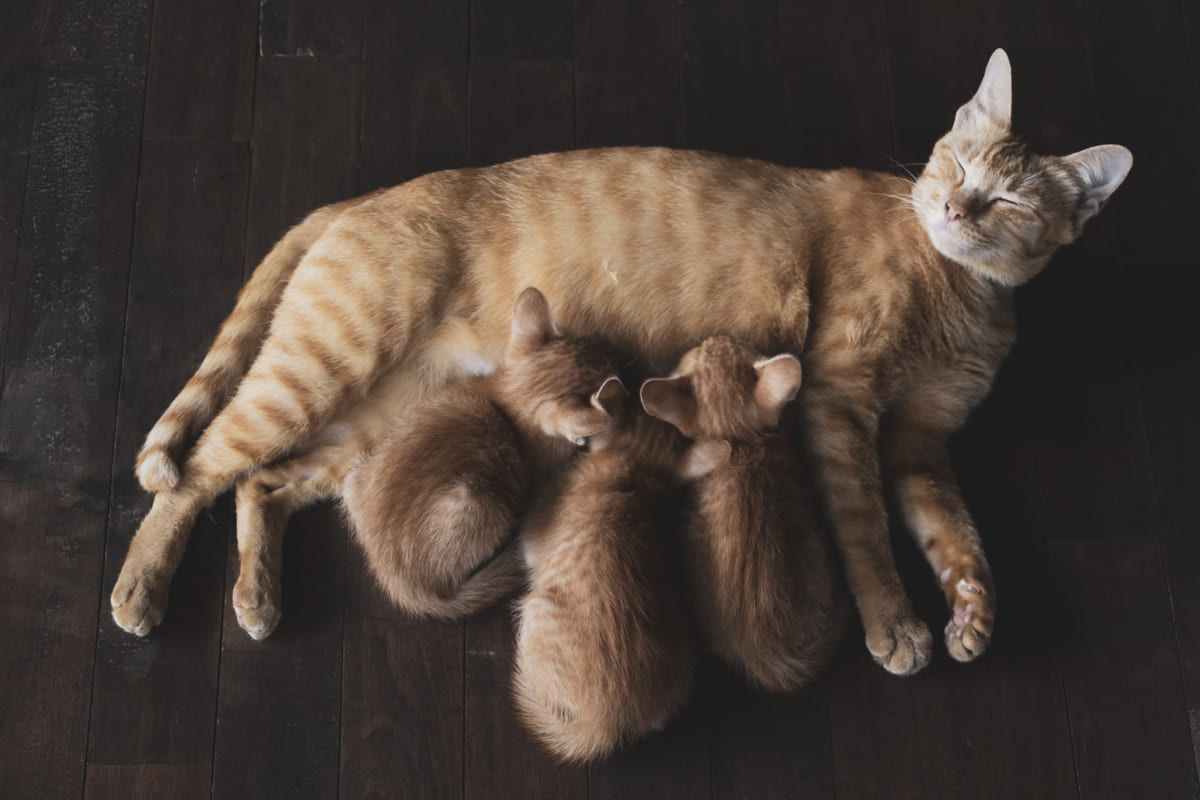
In the feeding plan of a cat that has recently given birth, priority should be given to high-quality, easily digestible, and energy-dense food varieties. As highlighted in the Cat’s Protection source, the safest and most effective choice at this point is kitten food. Thanks to their high protein and calorie content, kitten food meets the mother's increased energy needs and supports milk production.
It is not recommended to feed a nursing cat raw foods, homemade meals, or supplements containing unbalanced vitamins and minerals. Instead, a kitten food approved by a veterinarian and, if necessary, cat supplements containing important components for cat health such as DHA and omega fatty acids should be given. In addition to food, clean, fresh water should always be available; the nursing cat should be in an environment where she can feed whenever she wants.
Feeding Plan for Your Cat During Nursing
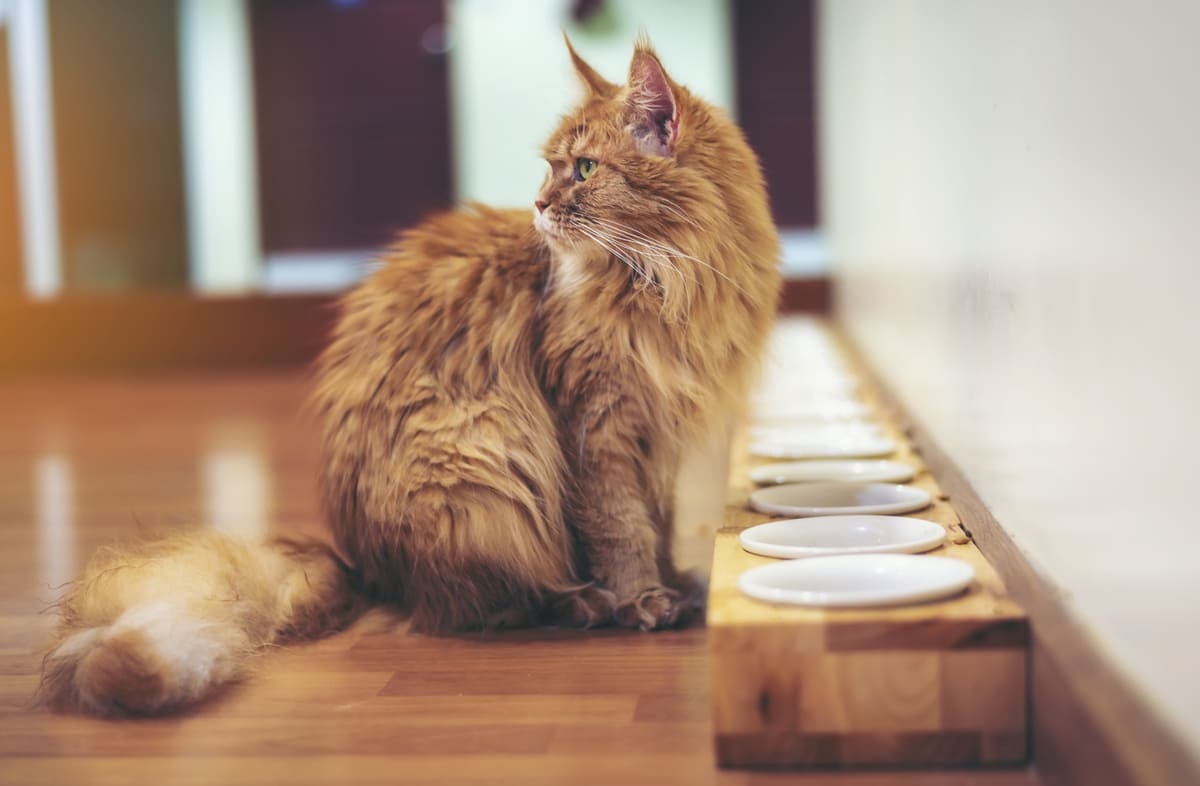
Nursing cats should be fed kitten food to maintain their health, ensure ideal milk production, and keep their kittens healthy. Kitten food is the food with the highest calorie content and formulated with the most nutritious values among dry foods. Kitten food helps nursing cats produce milk at an ideal rate, maintain their body mass index, and balance their weight. Choosing highly digestible kitten food options protects the health of both the nursing cat and the kittens. As stated in the Purina Institute, the period when nursing cats have the highest calorie needs and milk production is 3-4 weeks after birth. However, nutritional needs peak in the 6-7th weeks after birth. When kittens start crawling, they eat from their mother's food, and if sufficient food is not provided, the nutritional needs of the mother cat may not be met. When a mother cat has one or two kittens, a free-feeding regimen can be adopted for 3-4 weeks after birth. This is a very advantageous choice. In this way, the mother cat can more easily establish her own feeding routine and feed small amounts frequently whenever she wants.
As stated by the Purina Institute, the period when lactating cats have the highest calorie needs and milk production is 3-4 weeks after birth. However, nutritional needs peak in the 6-7th weeks postpartum. When kittens begin to crawl, they eat from their mother's food, and if sufficient food is not provided, the mother cat's nutritional needs may not be met. When mother cats have one or two kittens, a free-feeding regimen can be adopted for 3-4 weeks after birth. This is a very advantageous choice. This allows the mother cat to more easily establish her own feeding routine and feed small amounts frequently whenever she feels like it.
The amount of food should be gradually reduced as weaning approaches. When the mother cat does not receive sufficient nutrients, milk production decreases, and the reduction in milk production helps the kittens transition more easily to other foods. On the first day of weaning, distance should be maintained between the mother cat and the kittens. Access to their mother should be restricted while the kittens are being fed. If they eat, they can stay together overnight and continue to nurse from their mother. On the second day, the kittens should be separated from their mother. It is recommended that the mother cat be fed half of her previous meals plus milk powder on the second day. Since the amount of food will be dramatically reduced in this feeding plan, it is best to consult a veterinarian. Sometimes mother cats can be harmed by severely restricting the amount of food. On the second day of weaning, the mother cat, whose portion has been reduced, should not nurse her kittens.
Things to Consider When Choosing Food for Nursing Cats

You should remember that there are various factors to consider when choosing kitten food to keep your nursing cat healthy and comfortable. Kitten food recommended for pregnant cats, nursing cats, and weaned kittens should be made from quality ingredients and appropriate processes should be followed during production.
Similarly, it is important that kitten food chosen for nursing cats contains easily digestible carbohydrates. Carbohydrates are classified as sources of quick energy for cats. Foods containing easily digestible carbohydrates will help meet the energy needs of nursing cats.
When updating a mother cat's diet, it's important to prioritize fiber-rich kitten foods. Fiber-rich foods are ideal for supporting digestive system health. Foods enriched with vegetables can offer various benefits for mother cats.
When searching for kitten food for nursing cats, prioritize products rich in essential vitamins, fatty acids, and minerals. Nursing cats need more minerals and vitamins. Similarly, Omega fatty acids are frequently used in foods due to their multiple benefits.
When choosing kitten food, attention should also be paid to the presence of DHA in the product. Foods rich in DHA are effective in both breast milk production and the development of kittens in the womb. Breast milk is the most important source of DHA for kittens. In addition, eggs, fish, and animal organs are also rich in DHA.
With their unique formulas that appeal to the taste buds of cats and contribute to their health with their nutritional value, N&D kitten foods are also among the ideal choices for your nursing cat. Producing grain-free foods in different formulas such as N&D Prime Chicken and Pomegranate, N&D Ocean Cod, Pumpkin, Shrimp and Melon, and N&D Spirulina Herring, N&D stands out with its highly digestible kitten foods. The ingredients of N&D branded kitten foods, specially developed for both kittens and pregnant and nursing cats, contain a high percentage of quality protein. You can also review N&D kitten foods here to fully meet the nutritional needs of your mother cat.
Water Consumption Should Not Be Neglected During Lactation

While kitten food formulated with high-quality proteins is critically important for the health of mothers and kittens during lactation, maintaining ideal water intake is also extremely essential. Lactation mothers should have access to fresh, clean water whenever they want. If they drink enough water, both the likelihood of dehydration decreases and milk production can increase. You can find suggestions for increasing water consumption in our article titled "Daily Fluid Needs of Cats: How Much? How to Meet It?".
The general health of lactating cats should be closely monitored. Maintaining a balanced weight indicates that they are being properly fed. Excessive weight loss is undesirable; if a nursing cat loses a significant amount of weight rapidly, she should be taken to a veterinarian as soon as possible. In addition to weight loss, it is also beneficial to monitor symptoms such as restlessness, excessive thirst, and behavioral changes.
Nursing Cats Have Different Needs!

While nutrition is critical for the optimal development of nursing cats and their kittens, it should not be forgotten that they have different needs. Mother cats and their kittens should remain in comfortable areas where they will not be disturbed during the postpartum period. This is a period when cats who have given birth may develop various behavioral problems, become aggressive, and reject their kittens. Therefore, the development of the kittens should be closely monitored as well as the health of the mother cat. If the kittens do not gain enough weight or are rejected by their mother, they may need to be fed with formula milk. Until the kittens become active, care should be taken to maximize the comfort of the new family and to ensure they are under control. Once the kittens become active, efforts should be made to socialize each one. Even though they socialize with their mothers and siblings, they should also be introduced to humans. Therefore, playing gently with them is considered an important step. You can find more detailed information on this topic in our article titled "Ways to Socialize Kittens".
How to Increase Milk Production in a Nursing Cat?

The main way to increase milk production in a nursing cat is to create a balanced, high-quality, and sufficient diet. The first step is to choose kitten food that is high in protein and calories. In addition, nutrients such as DHA, calcium, B vitamins, iron, and zinc play a direct role in milk production. Foods containing these substances help increase the quantity and improve the quality of milk.
Also, sufficient water consumption directly affects milk production. Dehydration during lactation can reduce milk production in cats. Therefore, it is essential that the cat always has access to fresh water. In some cases, milk-boosting supplements or support products may be given to lactating cats on the recommendation of a veterinarian. It is critical that these supplements are only used under the recommendation and planning of a veterinarian. Frequency and Amount of Feeding for Lactating Cats The feeding schedule of lactating cats is quite different from that of classic adult cats. During this period, cats generally need 2-3 times more calories per day. Therefore, instead of limiting the number of meals, free feeding, meaning keeping the food bowl constantly full, is recommended. Especially in the first 3-4 weeks, this approach allows the mother to meet her energy needs and feed frequently without experiencing stress. As the weaning process approaches, i.e., 5-6 weeks after birth, the amount of food should be gradually reduced. Thus, milk production naturally decreases, and the kittens are prepared for the transition to solid foods. While reducing feeding amounts, the mother cat's weight, behavior, and milk production should be monitored under the supervision of a veterinarian. Sudden restrictions should be avoided, and portions should be reduced in a controlled manner.
Feeding Frequency and Quantity for Lactating Cats

The feeding schedule for lactating cats is quite different from that of classic adult cats. During this period, cats generally need 2-3 times more calories per day. Therefore, instead of limiting the number of meals, it is recommended to allow them to feed freely, meaning their food bowl should always be full. Especially in the first 3-4 weeks, this approach allows the mother to meet her energy needs and feed frequently without experiencing stress.
As weaning approaches, i.e., 5-6 weeks after birth, the amount of food should be gradually reduced. This naturally reduces milk production and prepares the kittens for the transition to solid foods. While reducing feeding amounts, the mother cat's weight, behavior, and milk production should be monitored under the supervision of a veterinarian. Sudden restrictions should be avoided, and portions should be reduced in a controlled manner.
Kaynaklar:
https://www.purinainstitute.com/centresquare/life-stage-nutrition/nutrition-for-pregnant-and-lactating-cats-and-their-nursing
https://medicanimal.com/blogs/pet-advice/nutritional-needs-for-a-pregnant-cat-feeding-a-nursing-cat-nutritional-tips
https://www.cats.org.uk/help-and-advice/pregnancy-and-kitten-care/after-birth
https://www.thesprucepets.com/queens-milk-supply-552389
https://www.purinainstitute.com/centresquare/life-stage-nutrition/nutrition-for-pregnant-and-lactating-cats-and-their-nursing
https://www.wikihow.com/Take-Care-of-Nursing-Cats
https://www.hillspet.com.au/cat-care/nutrition-feeding/what-to-feed-pregnant-and-nursing-cats
Advertisement
Advertisement
Keep exploring
Continue reading

Cat Nutrition
The Importance of Fiber in Cat Food: Its Role in Digestion, Hairballs, and Weight Control
Most people just glance at the "crude cellulose" line in the analysis table on the cat food packaging.
Read guide →
Cat Nutrition
The Importance of Wet Food Consumption in Cats During Summer
When temperatures rise, cats, just like us, may have difficulty maintaining their fluid balance.
Read guide →
Cat Nutrition
Mineral Balance in Dry Cat Foods: The Role of Calcium and Phosphorus
The suitability of cat food for a cat in the long term is not determined solely by protein, fat, or calories.
Read guide →
Cat Nutrition
Essential Cat Food Ingredient Terms for Cat Owners
If you are a cat parent with at least one cat eagerly awaiting your return and nourished by your love in addition to the food you provide, this…
Read guide →