How to Acclimate Puppies to the Home?
The moment your puppy first arrives in your home is the beginning of a wonderful experience. This loving experience also brings some challenges. A puppy separated from its mother and trying to adapt to a new environment needs both physiological and psychological support.
Advertisement
The moment your puppy first arrives in your home is the beginning of a wonderful experience. This loving experience also brings some challenges. A puppy separated from its mother and trying to adapt to a new environment needs both physiological and psychological support. A patient approach is key during a puppy's adjustment period to its new home. You can ease the adjustment process by creating a home environment where your puppy feels safe and secure.
To start bonding with your new puppy and make it feel comfortable in its new home, you need to make the right plan. In the rest of our article, you can find steps and tips to make your puppy's adaptation to its new home easier.
Preparing Your Puppy for Its New Home
In the process of your puppy adjusting to its new home, preparations made in advance are of great importance. These preparations are not limited to taking physical safety precautions. They also include meeting your dog's emotional needs. Making the right start makes it easier for your puppy to adapt to its new environment. To make the process more enjoyable for both you and your dog, you should create a safe space, prepare the necessary materials, and create an atmosphere where it will feel comfortable.
Making Your Home Safe
To ensure your puppy feels safe and unharmed in its new environment, you need to meticulously prepare your home. Hiding electrical cords, removing small items, and storing chemicals out of reach are priority steps. Puppies can eat almost anything imaginable. The main reason for this is teething discomfort. You can find detailed information about this habit and suggested solutions in our article titled "Why Do Puppies Eat Everything?".
You can use appropriate barriers to limit access to areas such as windows and balconies that may be dangerous for dogs. You may consider temporarily removing carpets, furniture, or valuable items to protect them from chewing or accidental damage.
Gathering Necessary Supplies
It is very important to prepare the basic supplies in advance to meet your puppy's needs. A comfortable bed, appropriately sized food and water bowls, chew toys to soothe their teeth, and hygienic litter boxes are necessary in this process. In addition, choosing a quality food suitable for your puppy's age and size is also very important. In our article titled "What Do Puppies Eat, How Are They Fed?", you can find details about the basic nutritional requirements during puppyhood, and you can also examine the types of puppy food formulated for the healthy development of puppies here.
Additional items such as a carrier bag, nail clippers, and a comb will make caring for your dog easier. With the advice you will receive from your veterinarian, you can also obtain vitamins and supplements suitable for your dog's health in advance. You can also check out our article titled "What Dog Adopters Need to Know," where we detail the products that dog owners will need in the initial stages.
Establishing Your Dog's Space
Setting up a specific area in the house for your puppy will make it feel safer. This area should be quiet, peaceful, and a place that is special to it. Limiting the area with a crate or playpen can prevent your furry friend from being exposed to too many stimuli initially. Having a soft dog bed where your dog can comfortably sleep and rest, and a few familiar items that it used when it was with its mother, will help it feel at home.
Planning for the Adjustment Process
The adjustment process to a new home is not limited to physical preparations. You can create an adjustment plan to help your puppy emotionally adapt to its new environment. In the first few days, provide your dog with a calm environment by avoiding creating too much activity in the house. Establishing a routine feeding schedule and preparing play sessions will speed up your dog's adjustment process. By practicing short separations and safe alone time, you can prevent separation anxiety that may develop later.

The Puppy's First Day at Home
For your puppy stepping into the house for the first time, the first day symbolizes the beginning of a new life. Providing an environment suitable for your puppy's needs and making it feel safe is of great importance in this process. For your puppy to adapt to its new home, the first day should be spent with a proper welcome and a planned approach.
First Welcome and Introduction
When you bring your puppy home, avoid greeting it with excessive attention or excitement. Instead, maintain a calm and gentle attitude and give it time. Give your dog the opportunity to explore its new environment and guide it through the process. Prefer to meet it in a quiet setting, away from strangers or other pets. The first day is important for your dog to develop trust with you and your family. Making eye contact, speaking in a soft tone, and gently petting it are effective ways to build trust. Introducing the Bed and Resting Area To reinforce your puppy's sense of security, make sure it has its own resting area in its new home. Give it time to get used to this area and encourage it to adjust. Having blankets or toys with familiar scents next to its bed can make the environment more appealing. It's important to choose a quiet spot away from the busy traffic of the house for the resting area. Respect your dog's need for sleep and ensure it only uses this area for rest and relaxation.
Introducing the Bed and Resting Area
To reinforce your puppy's sense of security in its new home, make sure it has its own resting area. Give your puppy time to get used to this area and encourage it to adjust. Having blankets or toys with familiar scents next to its bed can make the environment more appealing. It is important to choose a quiet spot away from the heavy traffic of the house for the resting area. Respect your dog's need for sleep and ensure that this area is used only for rest and relaxation. These methods will help you establish a sleep routine for your puppy and ensure it feels comfortable throughout the night. A patient and consistent approach will make it easier for both you and your puppy to have peaceful nights. You can find tips on training in our article "Night Sleep Training for Puppy". Frequently Asked Questions About Adjusting Puppies to a New Home Owners may encounter various challenges during the process of adjusting puppies to a new home. Knowing the answers to frequently asked questions will both speed up your dog's adjustment process and reduce your worries. Below, the most frequently asked questions and their answers are explained in detail.
First Feeding
When your dog first arrives home, you need to pay attention to its feeding routine. Feed your dog with puppy food recommended by your veterinarian and keep its food bowl near its resting area. Make sure that sufficient clean water is always available. Remember that your dog may be stressed during the first few days. Be patient with any possible changes in eating behavior.
First Toilet Training
Designate a suitable area for your dog to relieve itself. Puppies quickly get used to toilet pads. Once they reach a certain bladder size, they can be toilet trained with regular walks. In the first few days, you can help your dog get used to it by directing it to the toilet area at frequent intervals. Reward it when it relieves itself in the correct place. You can find detailed information on this topic in our article on Toilet Training in Puppies.
First Night and Relaxing Measures
The first night can be challenging for both you and your puppy. Keeping a favorite toy nearby or playing a calming sound recording can help your puppy feel more comfortable. Make sure the area where it will sleep is dark and quiet. If necessary, you can go to its side a few times to soothe it.

Socialization and Interaction with Family Members
Developing social skills is important for your puppy to build healthy relationships with you and those around it. You can increase your puppy's sense of security by planning controlled introductions to family members and other pets during this process. A proper socialization process helps prevent unwanted behaviors later on and contributes to your puppy developing a self-confident character. You can learn about each step of this process in detail in our article on Puppy Socialization Stages.
Safe Introductions with Family Members
Your puppy's introduction to family members should be done in a calm and controlled manner. It is important for family members to approach your puppy gently and slowly during the first encounter. You can pay attention to the following during this process:
Create a calm environment: Avoid excessive movement during the first introduction. Positive interaction: You can build trust by approaching your puppy with gentle touches and a soft tone of voice. Guide children's behavior: Ensure children avoid unwanted behaviors such as pulling your dog's tail or making sudden movements. Reward: Make the introduction process more enjoyable by rewarding your dog's positive behaviors. You can browse dog treats here.
Getting Along with Other Pets
If you have other pets at home, your puppy's introduction to them should be carefully planned. You can do the following during this process:
Supervised introduction: During the first introduction, keep your dog and other pet under control to prevent potential problems. Gradual approach: In the first stage, bring your animals together briefly to allow them to get used to each other's scent. Use a neutral space: Choose a neutral space for the introduction instead of any room in your house. Observe behavior: Watch their body language to understand if both sides are comfortable. Positive reinforcement: Reward them when they exhibit positive behaviors towards each other. You can find various tips on introducing pets in our articles "Can Cats and Dogs Be Friends?" and "Can Dogs and Birds Get Along?" and "Ways to Introduce Dogs and Birds".

Coping with Loneliness and Separation Anxiety in Puppy
Your puppy experiencing loneliness and developing separation anxiety can be a stressful situation for both you and it. With the right approach and patience, it is possible to prevent this situation. For your dog's psychology and your routine, it is important for it to learn to be alone and to feel safe during this process.
Methods to Reduce Feelings of Loneliness
You can take some simple but effective steps to minimize your puppy's feelings of loneliness:
- Provide toys and activities: You can keep your dog occupied when it is alone by offering it a variety of toys, chew items, and educational games. Toys distract its attention and reduce feelings of loneliness.
- Reassure it with your scent: Leaving an item with your scent (such as a t-shirt) in its bed or play area can make it feel safe.
- Gradually increase periods of being left alone: Initially, keep the periods of being left alone short to allow your dog to get used to this situation. You can increase these periods over time.
- Create a relaxing environment: You can make the environment calmer by playing soft music or leaving the television on at a low volume.
Techniques for Preventing Separation Anxiety
You can apply the following techniques to reduce your puppy's separation anxiety:
- Establish a routine: Establishing a specific routine before separation helps your dog learn what to expect. For example, develop a habit of always giving the same toy before separation.
- Practice disappearing from sight: First, go to different rooms in the house for short periods and ensure your dog remains calm when you are not visible. This is an effective method for teaching it to be alone.
- Practice returning: Help your dog understand that separation is temporary by going outside the house and returning after a few minutes.
- Use a reward system: You can reinforce this behavior by rewarding your dog when it remains calm during periods of solitude.
- Seek veterinary support: If separation anxiety is very intense, you can create a plan tailored to your dog's needs by seeking support from your veterinarian.
You can find detailed information on this topic in our article "Symptoms and Treatment Methods of Separation Anxiety in Dogs".
Behavioral Problems and Solutions in Puppies
Puppies may naturally experience some behavioral difficulties during their growth and development process. Behaviors like biting, chewing, and barking are ways for puppies to express their need to explore. However, managing these behaviors correctly will help your puppy grow into a well-adjusted and happy individual.
Managing Biting and Chewing Habits
Puppies may exhibit biting and chewing behaviors to explore their environment and soothe themselves during teething. You can use the following methods to control these behaviors:
- Provide chew toys: You can satisfy their natural need to chew by offering soft-textured toys suitable for puppies.
- Direct inappropriate behavior: If your dog is chewing on furniture or objects, gently say "No" and give them an appropriate toy to chew on.
- Use special products for teething: Cooled chew toys that can be used during teething will soothe your dog's gums.
- Use positive reinforcement: Reinforce behaviors by rewarding them when they exhibit correct behaviors.
You can find more detailed information on this topic in our article titled "Biting Problems and Solutions in Puppies".
Dealing with Barking and Other Behavioral Problems
Barking is one of the ways dogs communicate, but constant and uncontrolled barking can become a problem that needs to be managed. The following steps will help you control this type of behavior:
- Identify the factors that trigger barking: Try to understand why your dog is barking. Hunger, loneliness, or environmental stimuli (like a doorbell) can be triggers.
- Redirect barking: Teach the "quiet" command and reward your dog when it obeys. You can encourage positive behavior by offering a reward your dog likes when it stays quiet.
- Manage energy levels: Allocate time for daily exercise and play so that your dog can release excess energy. Sufficient physical activity helps reduce behavioral problems.
- Use calming methods: You can calm your dog by using soft music or soothing aromas in stressful situations.
You can read our article "How to Prevent and Stop Dog Barking?" to examine this topic in more detail.

Puppy's Sleep Schedule and Night Routine
A regular sleep routine for puppies is of great importance for both their physical and emotional health. In the beginning, puppies may experience restlessness at night while trying to adjust to their new environment. Therefore, managing their sleep schedule correctly and ensuring their comfort throughout the night facilitates the adaptation process.
Determining the Night Sleeping Area
Creating a sleeping area where your puppy feels safe will ensure they are more peaceful throughout the night. To do this, you can pay attention to the following:
- Area selection: Choose a quiet, dark, and secluded place to determine your puppy's sleeping area.
- A comfortable bed: You can increase your dog's comfort by using a soft bed or cushion.
- Familiar items: Adding a t-shirt with your scent or a favorite toy can make him feel safe.
- A consistent area: Avoid confusing your puppy by constantly changing his sleeping area.
Managing Nighttime Toilet Needs
Since puppies may need to go to the toilet at night, it's important to plan ahead. Here are some suggestions:
- Scheduled toileting: For the first few weeks, establish a toileting routine by taking your puppy outside every 2-3 hours at night.
- Establishing a toilet area: If you use toilet pads indoors, make sure they stay in the same area throughout the night.
- Follow toilet signals: By noticing your dog's restless movements or signs like whining, you can intervene in time.
- Nighttime feeding and drinking schedule: To reduce nighttime awakenings, limit dinner and water consumption 1-2 hours before bedtime.
Coping with Nighttime Restlessness
It's natural for your puppy to be restless during the first few nights. To calm them and build their confidence, you can take these steps:
Calming sounds: Gentle music or a white noise device can help your dog fall asleep more easily. Staying close: In the first few nights, spending time with your puppy by sitting next to its bed for short periods will help it feel safe. Using a night light: Instead of complete darkness, you can use a soft night light to allow your dog to see its surroundings. These methods will help you establish your puppy's sleep routine and ensure it feels comfortable throughout the night. A patient and consistent approach will make it easier for both you and your puppy to have peaceful nights. You can find tips on training in our article on Night Sleep Training for Puppy. Frequently Asked Questions About Adjusting Puppies to a New Home Owners may encounter various difficulties during the process of adjusting puppies to a new home. Knowing the answers to frequently asked questions during this process will both speed up your dog's adjustment and reduce your worries. Below, the most frequently asked questions and their answers are explained in detail.
These methods will help you establish a sleep routine for your puppy and ensure it feels comfortable throughout the night. A patient and consistent approach will make it easier for both you and your puppy to have peaceful nights.
You can find tips and tricks regarding training in our article on Night Sleep Training for Puppy.

Frequently Asked Questions About Adjusting Puppies to a New Home
Owners may encounter various challenges during the process of adjusting puppies to a new home. Knowing the answers to frequently asked questions will both speed up your dog's adjustment process and reduce your worries. Below, the most frequently asked questions and their answers are explained in detail.
How many days does it take for a puppy to get used to the house?
The time it takes for your puppy to get used to the house can generally vary between a few days and a week. However, since every dog's character is different, this process can sometimes take longer. You can speed up the adaptation process by approaching your puppy patiently and giving it time. Establishing a routine, providing a safe space, and using positive reinforcement are effective methods in this process.
What should be done when the puppy first arrives home?
When your puppy first arrives home, create a calm environment and give it time. Let it explore its new surroundings for a while, but don't neglect to observe it. Prepare a comfortable area for it to rest and provide it with its basic needs such as food, water, and toys. You can help your puppy feel safe by avoiding excessive attention on the first day.
How do we get a puppy used to us?
To get your puppy used to you, it is important to take a gentle and patient approach. The following methods may be effective:
Spend time: Play with him regularly and spend loving time with him. Use positive reinforcement: Reward good behavior and build trust. Create a comfortable environment: Make him feel safe by maintaining a calm and peaceful demeanor around him. Interact constantly: Strengthen your bond by talking to him frequently and having physical contact.
Where should a puppy sleep at night?
Your puppy should sleep in an area where he feels safe throughout the night. In the beginning, having your puppy sleep near your bedroom can reduce feelings of loneliness. You can create a comfortable, private space for it by providing a soft bed or cushion. If you are setting up its bed in a different room, you can stay with it for a while during the first few nights to soothe it. Having familiar scents or its favorite toys in the sleeping area will help it have a more peaceful night.
My puppy can't adjust to the new house, what should I do?
It may take time for your puppy to get used to his new environment. First of all, be patient and provide him with a safe space. You can do the following:
Establish a routine: Help your dog feel secure by making daily meal, play, and rest times regular. Gently guide: Help him get to know his surroundings by guiding him around the house. Use positive reinforcement: You can increase his adjustment to his new environment by rewarding his positive behaviors.
How long does toilet training take?
Toilet training can vary depending on your puppy's age and learning speed, but basic habits are usually established within a few weeks. You can pay attention to the following:
- In the first few weeks, you can get him used to it by taking him outside every 1-2 hours or directing him to the toilet pad.
- Make sure the area you designate for the toilet is fixed.
- Accidents can happen during the training process; in this case, instead of yelling at your dog, you should continue to reinforce the correct behavior.
How often should I feed my puppy?
Because puppies have fast metabolisms, frequent and regular feeding is important. You can follow these rules according to your veterinarian's recommendations:
Age-appropriate frequency: 8-week-old puppies should be fed 4 times a day, and 3-6 month-old puppies 3 times a day. Food quantity: Follow the instructions on the food packaging to find out the appropriate portion size for your dog's weight and age. Balanced nutrition: Choose foods specially formulated for puppies. You can find detailed information about feeding frequency in our article titled Puppy Feeding Chart.
My puppy cries at night, how can I calm it down?
Puppies may cry during their first nights in their new homes due to feelings of loneliness. In this case, you can try the following methods:
- Create a reassuring environment: Place a familiar toy or an item with your scent in its bed.
- Provide closeness: For the first few nights, you can move its bed into your room to make your dog feel your presence.
- Calming sounds: Soft music or white noise can help your dog sleep more comfortably.
Kaynaklar:
https://www.trustedhousesitters.com/blog/owners/first-24-hours-with-your-puppy/
https://www.akc.org/expert-advice/training/8-tips-to-help-your-new-puppy-adjust-to-new-home/
https://www.humanesociety.org/resources/how-make-your-new-dog-feel-comfortable-your-home
https://www.petrelocation.com/blog/post/how-to-help-your-dog-acclimate-to-a-new-home
https://www.dogstrust.org.uk/dog-advice/puppy/new-home
https://www.purina.com/articles/dog/puppy/getting-a-puppy/introducing-new-puppy
https://www.preventivevet.com/dogs/new-dog-adjustment-period
https://www.ferndalekennels.com/en/blog/signs-dog-is-adjusting-to-new-home/
Advertisement
Advertisement
Keep exploring
Continue reading

Dog Lifestyle & Guides
The Unseen Risks of Excess Weight in Small Breed Dogs
Small breed Weight gain in dogs sometimes progresses unnoticed. Extra food added to the food bowl, treats given during the day, food offered from the…
Read guide →
Dog Lifestyle & Guides
Dental Health and Its Importance in Dogs
Dental health in dogs is often Bad breath doesn't become a concern until it's noticed. However, the problem often begins before the odor: Plaque…
Read guide →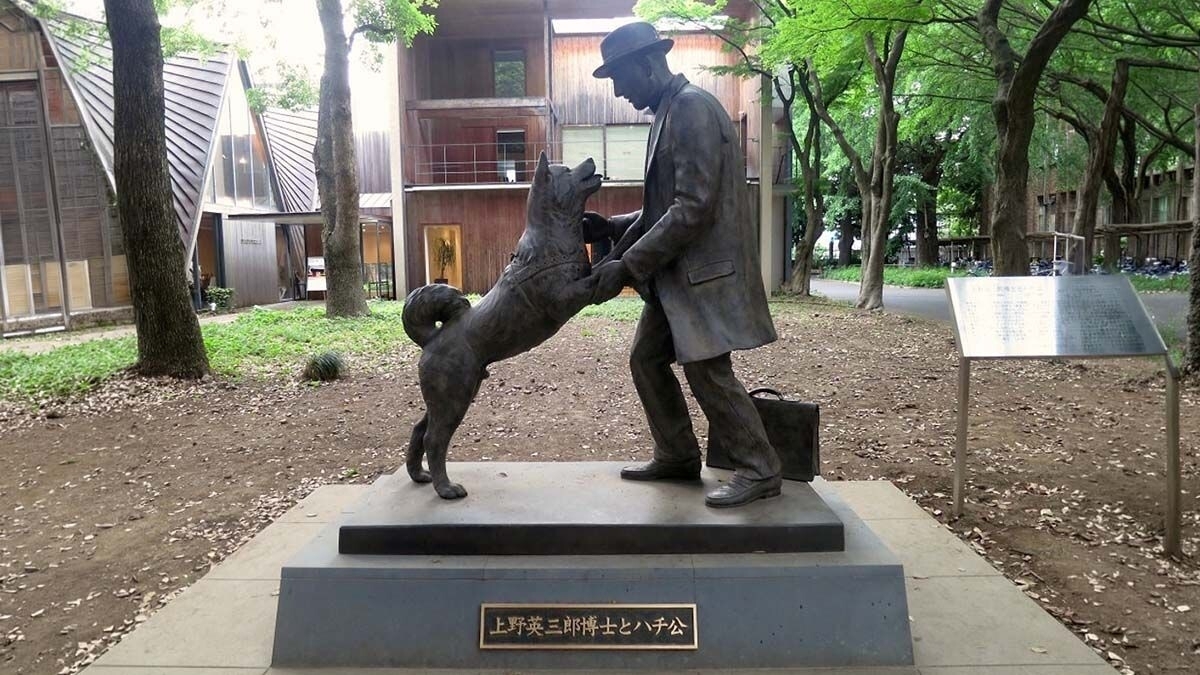
Dog Lifestyle & Guides
Hachiko: The True Story and Monument of the Dog Symbolizing Loyalty
The crowd gathered in front of the Hachiko statue in Shibuya shows that a wait that began years ago is not forgotten today.
Read guide →
Dog Lifestyle & Guides
Nasal Discharge in Dogs
If your dog has a runny nose, the first question that usually comes to mind is: Is this normal, or is there something I should be concerned about?
Read guide →