How to Clean Cat Litter? Cleaning Methods and Frequency
Living with a cat at home means indescribable happiness. However, it is important not to overlook the fact that it brings with it certain responsibilities. The most important of these responsibilities is ensuring hygiene standards.
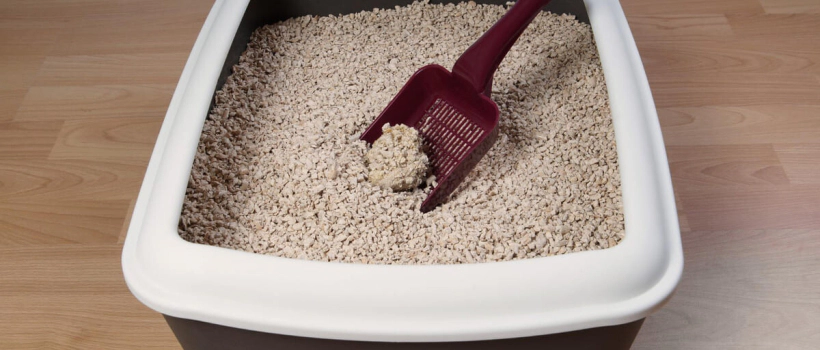
Advertisement
Living with a cat at home means indescribable happiness. However, it is important not to overlook the fact that it brings with it certain responsibilities. The most important of these responsibilities is ensuring hygiene standards. Many cat owners, especially first-time cat owners, need to know the correct answers to the questions "How to get rid of cat litter odor?" and "How to clean cat litter?". Cleaning the cat litter box, which is the secret to maintaining the hygiene and health of cats as well as keeping the indoor air quality high, can lead to various problems if done incorrectly or incompletely. This article provides details on how to clean cat litter step-by-step, what materials to use during cat litter box cleaning, and how often cleaning should be done. How to Clean Cat Litter Box in 10 Steps Adopting a cat means taking on the responsibility of protecting its health and the hygiene of its living space. Especially cat litter box cleaning is a very sensitive issue for both your cat's well-being and your quality of life. Here are 10 steps to help you perfect your cleaning routine:
Many cat owners, especially first-time cat owners, need to know the answers to the questions "How to get rid of cat litter odor?" and "How to clean cat litter?" correctly. Cleaning the cat litter box, which is the secret to maintaining the hygiene and health of cats as well as keeping the indoor air quality high, can lead to various problems if done incorrectly or incompletely.
In this article, you will find details on how to clean cat litter step by step, what materials to use during cat litter box cleaning, and how often cleaning should be done.
How to Clean Cat Litter Box in 10 Steps?

Owning a cat means taking on the responsibility of protecting its health and maintaining the hygiene of its living space. Especially litter box cleaning is a very sensitive issue for both your cat's well-being and your quality of life. Here are 10 steps to help you perfect your cleaning routine:
1. Choose the Right Litter
Before you start cleaning, you must establish the right foundation. The composition of the litter directly affects the ease of cleaning and odor control. Clumping cat litters quickly trap liquid, preventing urine from spreading. This shortens cleaning time and reduces the formation of cat litter odor. Silica litters, on the other hand, stand out with their long-lasting use and low moisture levels.
It is best to choose according to your cat's skin sensitivity and toilet habits. You can find detailed information on this topic in our article "What Should Cat Litter Be Like? How to Choose It?".
2. Sufficient Amount of Litter
If the amount of litter is not adjusted correctly, neither cleaning can be done properly nor can your cat use its litter box comfortably. Filling the bottom of the box to a thickness of 5-7 cm is generally ideal. Too little litter can cause urine to reach the box directly, leading to the proliferation of bacteria. Too much litter, on the other hand, creates waste and makes cleaning more difficult. The answer to the question "How much cat litter should be put in?" may also vary depending on your cat's digging habits. At this point, it should not be neglected to evaluate the usage instructions of the litter.
3. Regular Cleaning
When the cat litter cleaning routine is maintained daily, both bad odors are prevented and your cat's health is protected. At least once a day, clumped urine and feces should be removed with a special cat litter scoop. Once a week, all the litter should be emptied and the inside of the box should be cleaned thoroughly.
If cleaning is neglected, your cat may refuse to use the litter box or start urinating elsewhere. A hygienic environment also maintains your cat's behavioral balance. You can learn about potential factors that can cause changes in cats' toilet habits in our blog post titled "Why Do Cats Urinate on the Bed?".
4. Cat Litter Scoop
The cat litter scoop is the silent hero of this cleaning process. Its perforated and sturdy structure ensures that only the pieces that need to be removed are taken out. Since the moisture and organic waste that accumulate on the scoop can cause bacteria to grow over time, it is necessary to wash the scoop with soapy water a few times a week. Regularly disinfecting the scoop is one of the hygienic answers to the question "how to clean cat litter?".
5. Solving Odor Problems with Baking Soda
The answer to the question "Does baking soda remove the odor of cat litter?" is simply "Yes." Baking soda is a powerful natural odor remover. Sprinkling a very thin layer on the bottom of the litter can be effective in suppressing urine odor. However, be careful: Excessive baking soda can cause skin irritation or allergic reactions in some cats. Before using this method, you should observe your cat's reaction and consult a veterinarian if necessary.
6. Cover Your Nose
The strong ammonia odor that arises during cleaning can be particularly unpleasant for sensitive individuals. It is recommended to ventilate the area by opening the windows during cleaning and to wear a mask if necessary.
7. Cleaning the Entire Litter Box
It is necessary to clean not only the litter but also the litter box regularly. The litter box should be washed at least once a week with warm water and neutral pH soap, and then dried thoroughly. Sometimes bacteria and urine residue accumulate on plastic surfaces. This leads to persistent odor.
8. Using a Cat Litter Box Bag
Special bags placed inside the litter box make litter changes easier and more hygienic. However, some cats may tear these bags while digging in the litter. You should make this choice by observing your cat's behavior. Using bags can be especially beneficial for individuals who are very busy or whose hands are sensitive to delicate chemicals.
A cat litter box filter is also an important material. These filters, which can be used in suitable enclosed cat litter box models, minimize odor formation. Depending on the make and model, it is generally recommended to replace them every six months.
9. Use the Right Cleaning Products
Harsh chemical cleaning products can come into direct contact with your cat's paws and have a toxic effect. Therefore, natural vinegar, hot water, or veterinarian-approved products should be used for disinfection. Also, rinsing should be done very well after cleaning, leaving no detergent residue.
10. Use a Mat
A special mat placed in front of the litter box will catch the sand grains left on your cat's paws when it leaves the toilet. This largely solves the problem of sand spreading all over the house. Silicone, knitted, or washable fabric mats can be preferred. Thanks to the ideal size of litter box mat, you both reduce the overall cleaning time and make it easier to maintain the hygiene of the living space.
How Often Should Cat Litter Be Cleaned?

One of the most delicate routines in cat care is undoubtedly cleaning the cat litter box. Both your cat's physical and mental health are directly related to how hygienic the litter is. Therefore, the question of "how often should cat litter be cleaned?" is extremely critical, not only in terms of cleanliness but also in terms of your cat's behavioral comfort.
Daily cleaning forms the basis of cat litter cleaning. Your cat's urine and feces should be removed daily using a litter scoop. This process prevents the spread of bad odors and ensures that the litter box remains usable at all times.
While cleaning once a day is considered sufficient for most homes, if you have more than one cat, it is recommended to clean twice a day, in the morning and evening. Some cats may avoid reusing the litter box even after a single use. The reason behind this behavior is usually inadequate cleaning. Daily cleaning alone is not enough. Depending on the type of litter used, the entire litter should be emptied once a week and the litter box thoroughly washed with soapy water. These procedures are the most effective way to prevent the growth of bacteria. Especially during the summer months, urine odor spreads much faster due to the heat, and the residue that accumulates at the bottom of the litter box can make the cat litter odor problem permanent over time. Adding new litter without ensuring that the litter box is completely dry after washing it can increase the risk of mold. Monthly cleaning is a very important step that is often overlooked by most cat owners. Invisible dirt that accumulates in the corners, handles, or bottom of the litter box causes odor over time and increases the microbial load. A thorough cleaning should be done once a month; For this cleaning, natural vinegar, warm water, or veterinarian-approved products should be used. If scratches have formed on the inner surface of the litter box, a new litter box may be necessary as these areas will harbor bacteria. S003792 Various factors affecting the frequency of cleaning should also be considered. As the number of cats in the house increases, the time it takes for the litter to get dirty shortens, and the frequency of cleaning should increase. The type of litter you use is also a determining factor. Clumping litters generally last longer; however, silica or natural granular litters may require more frequent checking. Seasonally, the intervals between cat litter cleanings should also be shortened during hot weather. What Happens If Cat Litter Isn't Cleaned? When cat litter is not cleaned, both your cat's health and your home environment are seriously negatively affected. When organic waste like feces and urine remains in the litter box for a long time, many harmful bacteria and parasites, especially E. coli and toxoplasmosis, begin to multiply. Microbes can be carried from the litter box to other areas of the house and lead to serious hygiene problems. When cleaning is neglected, changes in your cat's behavior will also be observed. Cats are very fastidious creatures and may not want to use a dirty litter box. Therefore, undesirable situations such as urinating in different parts of the house, holding their urine or urine, or excessive stress may occur. Often, these behavioral problems are rooted in a lack of hygiene and can be largely prevented with regular litter box cleaning. Another important consequence is the problem of bad odor. Dirty cat litter emits a sharp and unpleasant cat litter odor over time. The ammonia odor, in particular, spreads rapidly in areas without air circulation. Daily cleaning should not be neglected to prevent the odor from permeating the litter and even the litter box.
Daily cleaning alone is not sufficient. Depending on the type of litter used, the entire litter box should be emptied once a week and thoroughly washed with soapy water. These procedures are the most effective way to prevent bacterial growth.
Especially during the summer months, urine odor spreads much faster due to the heat, and residue accumulating at the bottom of the litter box can make the cat litter odor problem permanent over time. Adding new litter before ensuring it is completely dry after washing can increase the risk of mold growth.
Monthly cleaning is a crucial step often overlooked by cat owners. Invisible dirt accumulating in the corners, handles, or bottom of the litter box can cause odor and increase microbial load over time. A thorough cleaning should be done once a month; this cleaning should use natural vinegar, warm water, or veterinarian-approved products. If scratches have formed on the inner surface of the litter box, a new litter box may be necessary as these areas will harbor bacteria.
Several factors affecting cleaning frequency should also be considered. As the number of cats in the house increases, the time between litter soiling decreases, and the cleaning frequency should increase. The type of litter used is also a determining factor. Clumping litters generally last longer; however, silica or natural granular litters may require more frequent checking. Seasonal cleaning intervals should also be shortened during warmer weather.
What Happens If Cat Litter Isn't Cleaned?
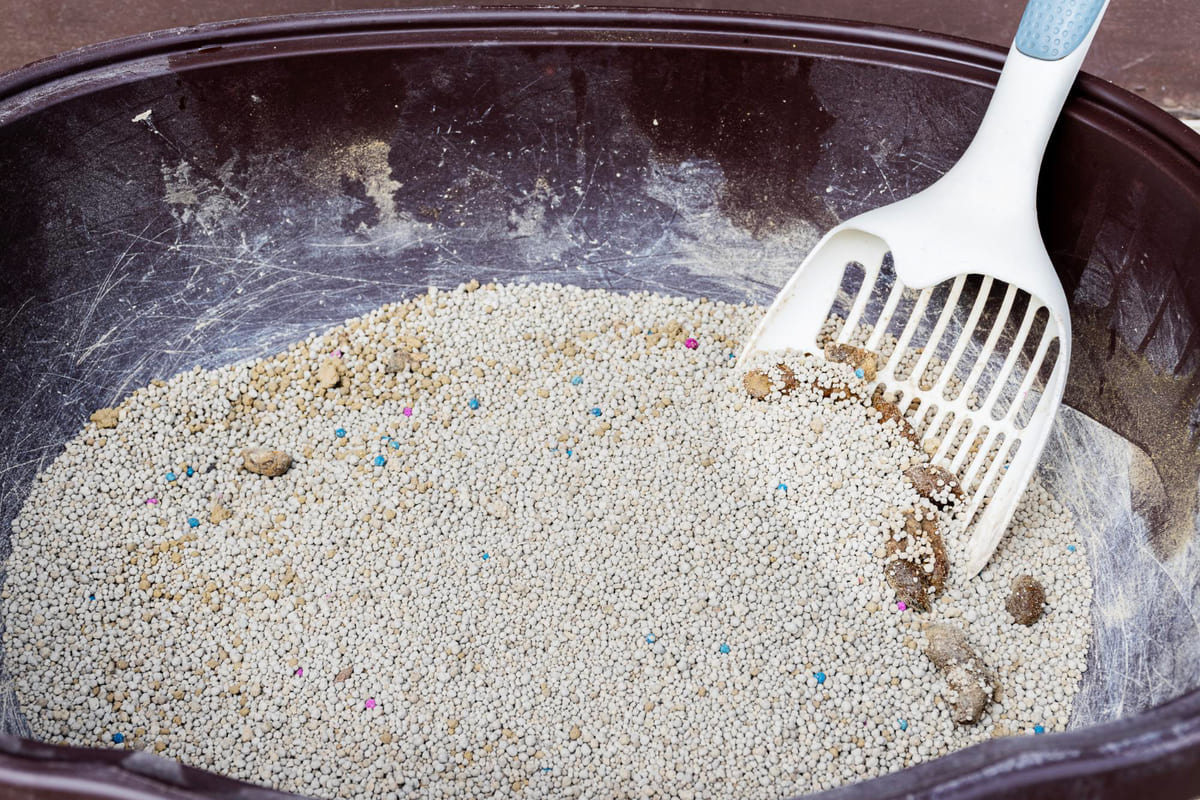
When cat litter isn't cleaned, both your cat's health and your home environment are seriously negatively affected. When organic waste like feces and urine remains in the litter box for a long time, many harmful bacteria and parasites, especially E. coli and toxoplasmosis, begin to multiply. Microbes can be carried from the litter box to other areas of the house and lead to serious hygiene problems.
When cleaning is neglected, changes in your cat's behavior are also observed. Cats are very fastidious creatures and may not want to use a dirty cat litter box. Therefore, undesirable situations such as urinating in different parts of the house, holding their urine or urine, or excessive stress may occur. Often, these behavioral problems stem from a lack of hygiene and can be largely prevented with regular cat litter cleaning.
Another important consequence is the problem of bad odor. Dirty cat litter emits a sharp and unpleasant cat litter odor over time. Ammonia odor, in particular, spreads rapidly in areas without air circulation. Daily cleaning should not be neglected to prevent odor from permeating the litter and even the litter box.
Uncleaned litter can attract flies, especially during the summer months. Cat litter that isn't cleaned frequently enough attracts flies because the heat and humidity create a favorable environment for fly eggs to develop. The litter grains accumulating around the litter box also pose an additional hygiene threat. Supportive equipment like litter mats can be used to reduce this spread, but the main solution is regular cleaning.
Lack of hygiene also directly affects your cat's health. Bacteria and moisture in a dirty litter box increase the risk of fungal infections, irritation, and other infections on your cat's paws. Since cats lick their paws during grooming, these microbes can easily enter the body and reach internal organs. This risk is much higher, especially in older, kitten, or sensitive cats.
Finally, the lack of regular litter cleaning leads to a deterioration in hygiene throughout the home. Sand particles are carried all over the house from your cat's paws, soiling furniture and constantly threatening the cleanliness of your living space. To keep this under control, it's crucial to establish a cleaning routine using a litter scoop, litter mat, and natural cleaning products.
Frequently Asked Questions About Cat Litter Cleaning

You now know how often you should clean your cat's litter box. But what if you still have questions about this cleaning routine? Details such as why the litter starts to attract flies, whether baking soda really works, or why your cat doesn't like its litter box often get lost in practical information. In this section of our content, you can find answers to the most frequently asked questions.
Why does cat litter attract flies?
Flies in cat litter are usually seen in litters that are not cleaned frequently enough. Especially in hot and humid environments, clumps of feces and urine left in the cat litter box create a suitable environment for flies to lay eggs. To prevent this, all waste should be removed daily with a litter scoop, and the litter should be completely changed weekly.
Flies can also be caused by a lack of hygiene around the litter box. Particles accumulating in the areas where the litter is moved attract flies if not cleaned. Therefore, placing a litter mat around the litter box helps keep any spreading debris under control. If the fly problem persists, the location of the litter box should be reviewed; it should be moved to a cool, well-ventilated area.
How to Get Rid of Cat Litter Odor?
“How to get rid of cat litter odor?” The question of how often to clean cat litter is one of the most frequently asked questions, especially by pet owners living in small spaces. The first rule of eliminating odor is to adhere to the frequency of cleaning. You should remove clumps with a litter scoop at least once a day, and change all the litter and wash the cat litter box once a week. In addition, you can add special odor-trapping products to the litter. Cat litter odor removers made with natural ingredients offer a significant advantage in this regard. Closed litter box models and lids with activated carbon filters are also effective in preventing the spread of odor. In addition, special pads or litter mats placed around the litter box can limit the spread of odor in the environment. The answer to this question may vary depending on your lifestyle and your cat's habits. The general rule is to remove clumps daily and completely change the litter once a week. However, if you have more than one cat, the frequency of litter cleaning should definitely be increased. If you are using silica-based or natural granular litter, you can better adjust the changing time by looking at the color or smell of the litter. If the smell spreads quickly or the litter gets dirty very quickly, it would be better to clean it every 2-3 days. How Much Cat Litter Should Be Used? The question of how much cat litter to use is quite important for your cat's comfort. The amount of litter should generally cover the bottom of the cat litter box to a thickness of 5–7 cm. This amount can be adjusted according to your cat's toilet habits; some cats tend to dig deeper in litter, while others feel comfortable with less litter.
In addition, you can add odor-trapping products specifically designed for the litter. Cat litter odor removers made with natural ingredients offer a significant advantage in this regard.
Closed litter boxes and lids with activated carbon filters are also effective in preventing the spread of odor. Furthermore, special pads or litter mats placed around the litter box can limit the spread of odor in the environment.
How Often Should Cat Litter Be Cleaned?
The answer to this question may vary depending on your lifestyle and your cat's habits. The general rule is to remove clumps daily and completely change the litter once a week. However, if you have more than one cat, the frequency of cat litter cleaning should definitely be increased.
If you are using silica-based or natural granular litter, you can better adjust the changing time by looking at the color or smell of the litter. If the smell spreads quickly or the litter gets dirty very quickly, it would be better to clean it every 2-3 days.
How Much Cat Litter Should Be Used?
The question of how much cat litter to use is quite important for your cat's comfort. The amount of litter should generally cover the bottom of the cat litter box to a thickness of 5-7 cm. This amount can be adjusted according to your cat's toilet habits; some cats tend to dig deeper in litter, while others feel comfortable with less litter.
Sufficiently coarse litter prevents urine from reaching the bottom of the litter box, reducing soiling and odor. This makes it easier to remove clumps with a litter scoop. Using excessive amounts of litter, however, creates waste and can negatively affect your cat's toilet experience, increasing the likelihood of litter scattering.
Can Cat Litter Be Washed? How to Wash It?
There's a common misconception here: Commonly used cat litter types are not washable; only the cat litter box should be washed. Trying to wash and reuse used litter is extremely unhygienic; because the litter, having lost its ability to absorb liquid, can become a fertile breeding ground for bacteria. Washable cat litter types have recently become available. This type of litter should be washed according to instructions that may vary depending on the brand.
Can Baking Soda Be Added to Cat Litter?
Since baking soda is a natural odor remover, when used in a controlled and measured manner, it can provide an effective answer to the question of how to eliminate cat litter odor. It can be used by sprinkling a very thin layer on the bottom of the litter box. Especially in enclosed cat litter box models, this application increases odor absorption. Caution should be exercised as it may cause dermatological problems in cats with sensitivities.
Kaynaklar:
https://www.purina.com/articles/cat/behavior/litter/how-often-to-clean-litter-box
https://www.petmd.com/cat/general-health/how-to-clean-litter-box
https://michu.com.au/blogs/pet-care/how-to-clean-cat-litter-box
https://www.rspca.org.uk/adviceandwelfare/pets/cats/environment/litter
https://www.fuzzytumz.com/cat-litter/cleaning-hygiene/how-often-to-clean-cat-litter-box/
https://www.armandhammer.com/en/articles/how-often-change-cat-litter
https://cleanmyspace.com/the-best-litter-box-cleaning-routine/
https://www.orangepet.in/blogs/posts/cat-litter-box-maintenance-6-essential-tips-for-every-cat-owner
https://www.litter-robot.com/blog/how-often-to-change-cat-litter
https://www.airtasker.com/uk/guides/how-to-clean-cat-litter-tray/
https://www.catsan.co.uk/cat-litter-tips-and-advice/4-things-you-need-to-know-about-keeping-a-cat-litter-box-clean
https://www.wikihow.com/Clean-a-Litter-Box
Advertisement
Advertisement
Keep exploring
Continue reading

Cat Care
Is My Cat Coughing or Trying to Pass a Hairball?
Seeing your cat crouch down, stretching its neck, and trying to expel something with a strange sound can be unsettling.
Read guide →
Cat Care
York Chocolate Cat Characteristics, Care and Temperament
With its dark brown fur, watchful eyes, and observant demeanor, the York Chocolate is a cat that sparks curiosity at first sight.
Read guide →
Cat Care
Tiffanie Cat Characteristics, Care and Temperament
Silky fur, on its neck With its frilly mane and large, curious eyes, the Tiffanie cat immediately catches the eye.
Read guide →
Cat Care
Snowshoe Cat Characteristics, Character and Care
The Snowshoe cat is a unique breed developed by the controlled mating of Siamese cats and American Shorthair cats.
Read guide →