How to Tell if a Cat is Going to Die? How Do Cats Behave Before They Die?
One of the most difficult moments for all of us as pet owners is undoubtedly realizing that our friends are entering the final stages of their lives. Especially with cats, it can sometimes be difficult to understand the signs of death, as they tend to hide their pain and weakness.
Advertisement
One of the most difficult moments for all of us as pet owners is undoubtedly realizing that our friends are entering the final stages of their lives. Especially with cats, it can sometimes be difficult to understand the signs of death, as they tend to hide their pain and weakness. Certain physical and behavioral signs can indicate that your cat is nearing the end of its life journey.
In this article, we will try to detail the physical signs and behavioral changes that cats show when they are about to leave us, and what pet owners can do during this process. We will provide information to support those of us who have to say goodbye to our pets on difficult issues such as the decision of euthanasia/putting to sleep and the grieving process. Our aim is to support you in this difficult process and to help you spend your cat's last days more peacefully.
What are the Signs that a Cat is Approaching the End of its Life?
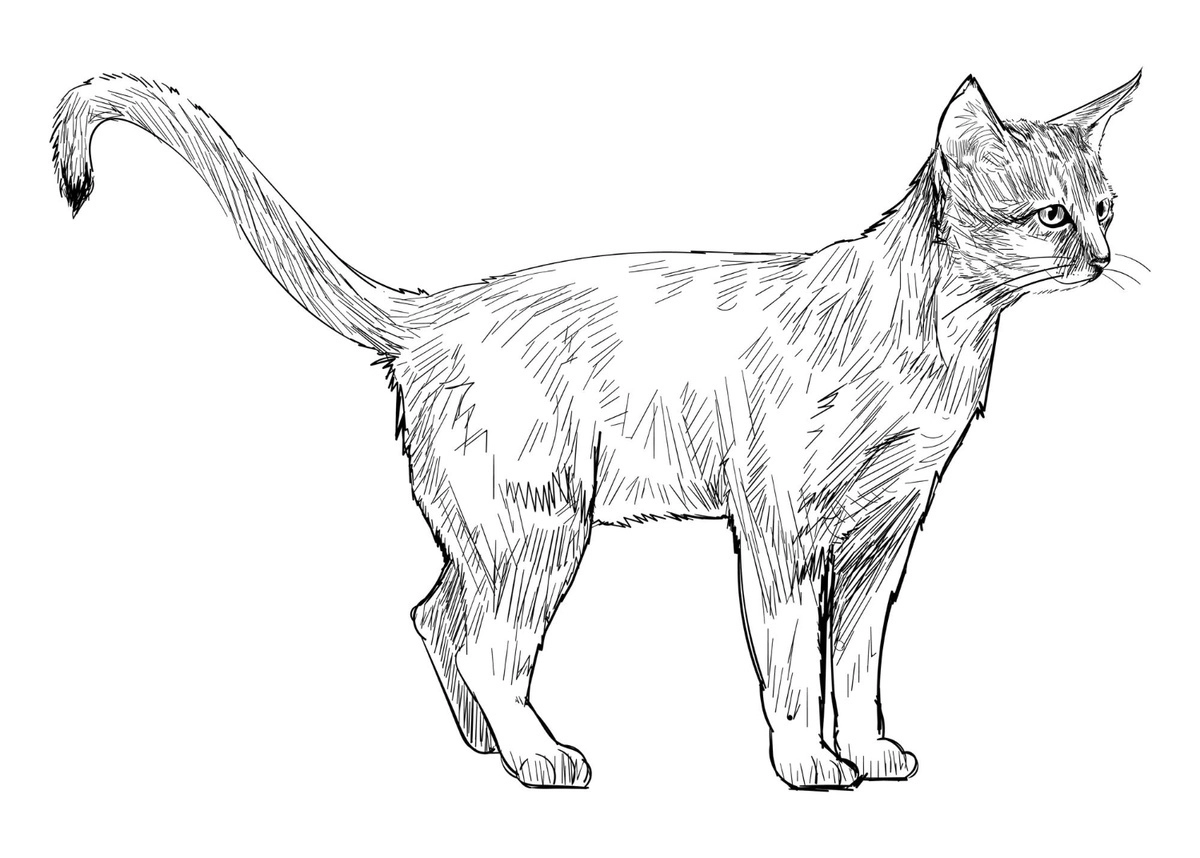
There are some signs that indicate your cat is approaching the end of its life. These signs can manifest themselves both physically and behaviorally. However, not every sign alone indicates that the end is near. Therefore, it is important to evaluate the observed changes as a whole and to consult a veterinarian.
Because cats often hide their pain, it can take time to notice the signs. Behaviors such as becoming quiet, withdrawn, and physical weakness become more pronounced over time. Below, we have examined the most common signs of this process under headings.
Physical Changes
As cats enter the final stages of their lives, some noticeable changes occur in their bodies. These changes are related to the slowing down or loss of function of the body's basic systems. Often, symptoms such as loss of appetite, lethargy, and a drop in body temperature occur together. Observing these signs is critical for assessing your cat's health. Since not every physical change is related to death, a veterinary evaluation should always be sought.
Loss of Appetite and Weight Loss
If your cat is no longer approaching its food bowl, drinking water, or showing interest in its favorite treats, this could be a sign of some undesirable situations. Cats can lose both appetite and thirst during this period. They can become noticeably thinner within days. Some cats only consume liquids, while others may stop eating and drinking altogether.
As stated in the VCA Animal Hospitals source, not eating can be a symptom of chronic diseases or serious conditions such as terminal organ failure. The sharp decrease in your cat's food consumption can quickly negatively affect its overall health if left untreated.
Reduced Movement and Lethargy
Cats with reduced energy levels have difficulty moving. They may sleep throughout the day, prefer not to move, or move very slowly. Even going to the litter box, drinking water, or reaching the food bowl may become a struggle. Behaviors such as your cat stumbling while climbing stairs or avoiding jumping may also be related to this process. According to PetMD, this situation is associated with the body beginning to deplete its energy reserves. In particular, decreased muscle strength and chronic fatigue can severely restrict your cat's mobility. Drop in Body Temperature Body temperature in cats is an important indicator of the regular functioning of vital functions. However, in cats entering the dying process, the temperature drops as blood circulation slows down. Cooling in peripheral areas such as paws, ears, and the tip of the tail is one of the first signs. A decrease in rectal temperature measured with a thermometer can also be observed.
According to the PetMD source, this situation is associated with the body beginning to deplete its energy reserves. In particular, decreased muscle strength and chronic fatigue can severely restrict your cat's mobility.
Drop in Body Temperature
In cats, body temperature is an important indicator of the regular functioning of vital functions. However, in cats entering the dying process, the temperature drops as blood circulation slows down. Cooling in peripheral areas such as paws, ears, and the tip of the tail is one of the first signs. A decrease in rectal temperature measured with a thermometer can also be observed.
A drop in body temperature below 37°C is considered a serious alarm sign. If your cat is shivering, constantly seeking refuge in warm places, or feels generally cold in its body, this may indicate the dying process.
Behavioral Changes
Another issue to pay attention to as much as physical signs is changes in your cat's behavior. Cats may tend to be solitary as they enter the dying process. They may reduce their interactions with people and other animals. These behavioral changes are usually sudden and easily noticed by owners.
Differences you observe in your cat's reactions to you, interest in their routines, or general demeanor may be a sign of an impending health crisis or the final stages of life. We have examined these changes under headings below.
Tension to Hide
Many cats entering the final stages of their lives instinctively begin to spend time in quiet, dark places where no one can reach them. Isolated areas such as under the sofa, inside cupboards, or under the bed are preferred. This behavior is a way that injured or weak cats in nature use to protect themselves from predators.
This situation is related to the cat's desire to feel safe. Although it may be difficult for you to respect your cat's desire and not take it outside, it is important for its comfort.
Decreased Interest and Social Withdrawal
Your cat, which is normally playful, affectionate, or sociable with people, may suddenly become indifferent. Behaviors such as not coming to its owners, not responding when petted, or avoiding social contact may be observed. This social withdrawal is directly related to the cat's decreased energy.
According to Daily Paws, this behavioral change is quite common in cats in the final stages of life. While it may be emotionally difficult to think that your cat's bond with you is weakening, this change could stem from its desire to spend its final days in peace.
Excessive Silence or Excessive Meowing
Some cats may unexpectedly become quiet in the final stages of their lives, while others may, conversely, meow loudly due to restlessness and pain. Excessive silence can be a sign of withdrawal; excessive meowing can be a sign of pain or distress.
While the reasons for these behaviors vary from cat to cat, sudden changes should always be taken seriously. An increase in meowing, especially at night, may require immediate evaluation by a veterinarian.
How Do Cats Behave in the Final Stages of Their Lives?
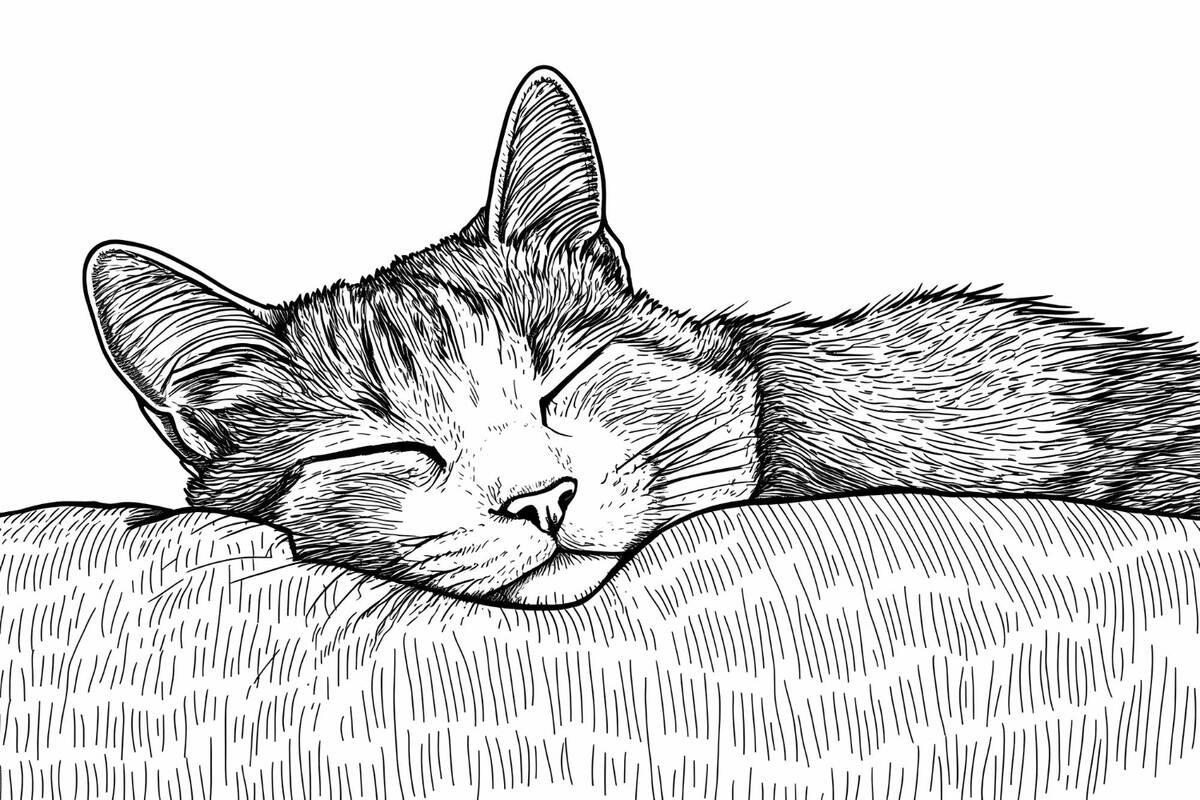
As cats enter the final stages of their lives, significant changes in their behavior are observed. These changes are related not only to physical discomfort but also to instinctive responses.
Many of these behaviors stem from the cat's desire to protect itself, avoid pain, or seek a safe space. Below, we will discuss the behavioral tendencies that emerge during this particular period in more detail.
Sleeping in Unusual Places
Cats may choose to sleep in places they didn't previously prefer in the final stages of their lives. These places are usually cool, dimly lit areas with little human traffic. Some cats may prefer to sleep outdoors or in balcony corners. This behavior is based on the instinct to "seek a place of death" in nature.
This tendency in cats is thought to be a natural preparation for separation. This behavior should be observed carefully, especially in older cats, and they should be checked frequently.
Stopping Grooming and Dullness in Fur
Cats, known as animals that take care of their grooming, spend a large part of the day cleaning themselves when they are healthy. In the final stages of their lives, this behavior decreases or may even stop completely. As a result, the fur becomes dull, matted, and looks unsightly.
This change can be explained by the fact that the cat is now dedicating its energy to maintaining vital functions. Neglecting fur care is also an important clue about the cat's overall health.
Signs That Your Cat Is Saying Goodbye
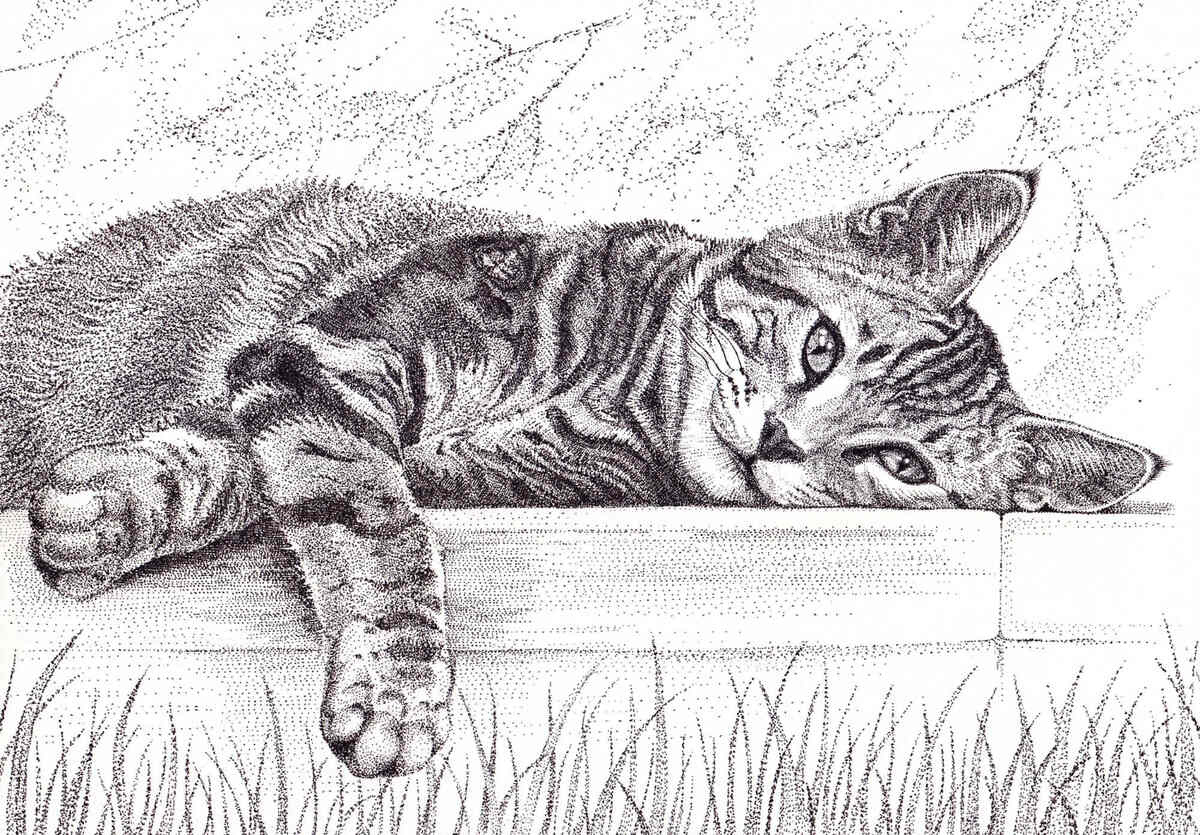
In addition to basic signs such as loss of appetite, lethargy, or a desire to be alone, some advanced physical changes in your cat may also be a harbinger of the dying process. These signs usually appear as the systems in the body slow down or begin to shut down. Signs related to the eyes, respiratory and excretory systems should be carefully monitored.
These signs may not appear in the same order in every cat. However, if more than one sign is observed together, a veterinarian should definitely be consulted.
Changes in Respiratory Patterns
In cats in the final stages of life, respiratory patterns may become disrupted. Intervals between breaths may lengthen, irregular breathing may begin, or difficulty breathing may occur. Situations such as "mouth breathing," frequent, choppy breaths, or making sounds like choking are signs that require immediate intervention.
Dullness in the Eyes and Empty Gaze
In their final days, cats may not be able to fully close their eyelids, or their pupils may dilate and become dull. Sometimes they have difficulty looking directly, and a "blank expression" appears in their eyes. Loss of shine on the surface of the eyes is also common.
Changes in Toilet Habits
As cats enter their final stages, they may lose control of their bladder and bowels. They may stop going to the litter box, urinate in inappropriate places, or not urinate at all. This indicates that both their digestive and excretory systems are slowing down.
These kinds of changes are a sign that the cat's body can no longer perform routine functions. Blood in the urine or darkening of the stool can also be serious signals. This is especially common in older cats or those with chronic illnesses.
What Cat Owners Should Do
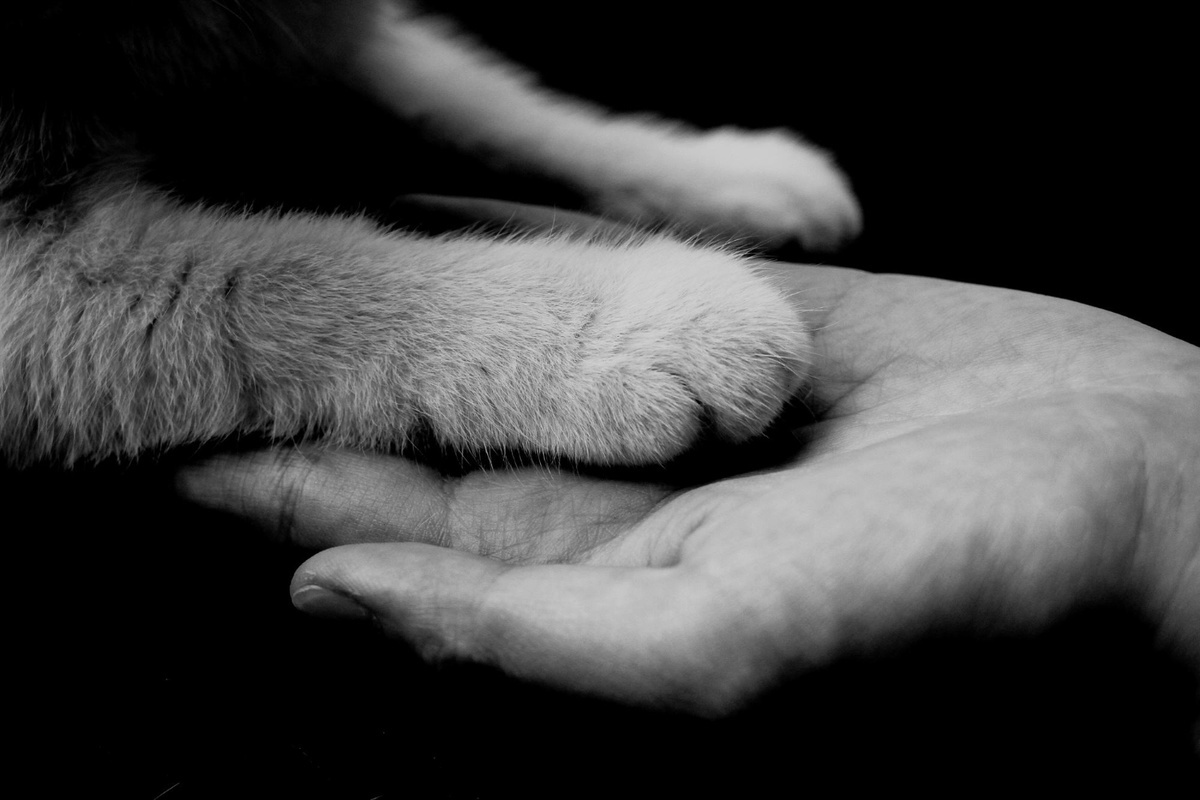
Supporting your cat both physically and emotionally during the final stages of its life can make this process more peaceful for both parties. The important thing during this period is to prevent the cat from suffering and to make it feel safe. As cat owners, we also need information and guidance to manage this process in a healthy way.
While saying goodbye to a cat whose death is approaching is not easy, it is in our hands to ensure that its last days are comfortable. The following suggestions explain the basic steps that can be taken during this process.
Seeking Veterinary Support
The symptoms your cat is experiencing must be evaluated by a veterinarian. Signs of death can sometimes be a sign of reversible health problems. The veterinarian can check your cat's general condition and recommend the necessary treatment or supportive care.
According to experts at Cornell Feline Health Center, seeking veterinary support also provides guidance in making difficult decisions such as euthanasia. This prevents your cat from suffering unnecessary pain.
Providing a Comfortable Environment
Ensuring your cat is in a peaceful and calm environment will make its final days less stressful.
A soft bed placed in a quiet, dimly lit room, along with its favorite blankets containing familiar scents, can help it feel good. Food and water bowls should be easily accessible, and items that hinder the cat's movement should be removed.
The physical comfort provided helps reduce the stress cats feel in their final moments. This environment makes your cat feel safe and loved.
Showing Emotional Support and Affection
In its final stages, showing your cat the same loving approach you always have will make it feel safe. Gentle strokes, soft voices, and sitting quietly beside it are invaluable for your cat. These interactions strengthen the sense of belonging and make your cat feel that it is not alone.
Emotional support has a healing effect on both our furry friends and their owners. Although the farewell process is difficult, these moments are among the deepest and most meaningful times of the strong bond we have formed.
Is Euthanasia an Option for Cats in the Final Stages of Life?
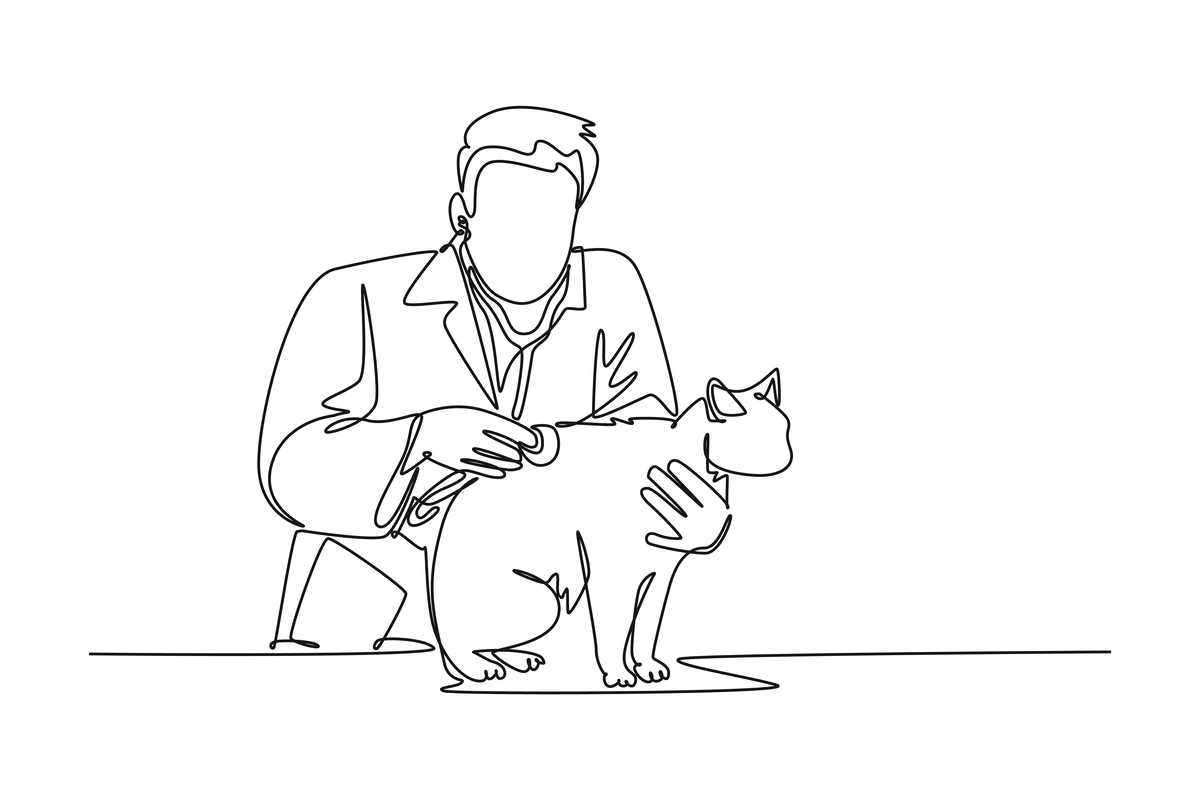
Euthanasia can be considered a humane and compassionate option when your cat can no longer maintain its quality of life, is in severe pain, and there is no hope of recovery through treatment. Although this decision is very difficult, it should be considered under the guidance of a veterinarian in order to end your cat's suffering.
Euthanasia is a painless and peaceful process, usually performed in veterinary clinics. A special injection is administered by the veterinarian, and the cat passes away within minutes after losing consciousness. The cat experiences no pain or panic during the process.
The decision for euthanasia is both a blessing and a curse for us, pet owners. While it is a blessing to be able to alleviate the suffering of our beloved companions, making this decision is very difficult for pet owners. Nevertheless, we must be strong, remembering that all sacrifices are for our friends. According to VCA Animal Hospitals, reviewing the cat's quality of life assessment scales and the veterinarian's guidance are crucial in making this decision. All alternatives should be considered and discussed openly with family members before making a decision about euthanasia. PetMD states that euthanasia is particularly recommended in cases of terminal illnesses, organ failure due to advanced age, and painful conditions that do not respond to treatment. This practice can ensure your cat has a peaceful farewell instead of a painful death. What to Do After Your Cat's Death Losing a beloved cat is a challenging process, both emotionally and physically. What to do after a death is important both to honor your cat's memory and to contribute to your own healing process. This process includes steps such as farewell rituals, properly saying goodbye to your beloved pet's body, and supporting the grieving process. Some pet owners prefer to plan this process in advance to act more calmly and consciously. You can find the basic steps to take during this period in the rest of our article. The Farewell Process Taking time to say goodbye to your cat after its death is a healthy step in your grieving process. Some people leave their cat's favorite toy next to it or organize a short farewell ritual by covering it with a blanket. This moment allows both you and other members of the household to express their feelings. The farewell period can help you achieve emotional closure. Knowing that your cat has gone in peace can make it easier to get through the aftermath.
According to VCA Animal Hospitals, reviewing the cat's quality of life assessment scales and the guidance of a veterinarian are of great importance in making this decision. All alternatives should be considered and discussed openly with family members before a decision on euthanasia is made. PetMD states that euthanasia is particularly recommended in cases of terminal illnesses, organ failure due to advanced age, and painful conditions that do not respond to treatment. This practice can ensure your cat has a peaceful farewell instead of a painful death. What to Do After Your Cat's Death Losing a beloved cat is a challenging process, both emotionally and physically. Post-mortem procedures are important both to honor your cat's memory and to contribute to your healing process. This process includes steps such as farewell rituals, properly saying goodbye to your beloved pet's body, and supporting the grieving process.
PetMD states that euthanasia is particularly recommended in cases of terminal illnesses, organ failure due to advanced age, and painful conditions that do not respond to treatment.
This procedure can allow your cat to have a peaceful farewell instead of a painful death.
What to Do After a Cat's Death: Losing a beloved cat is a challenging process, both emotionally and physically. The necessary post-mortem actions are important both to honor your cat's memory and to contribute to your own healing process. This process includes farewell rituals, properly saying goodbye to your beloved pet, and supporting the grieving process.
Some pet owners prefer to plan this process in advance, acting more calmly and consciously. Below you will find the basic steps to take during this period.
The Saying Goodbye Process
Taking time to say goodbye to your cat after its death is a healthy step in your grieving process. Some people leave their cat's favorite toy next to it or cover it with a blanket, holding a short farewell ritual. This moment allows both you and other members of the household to express their feelings. The farewell period can help you achieve emotional closure. Knowing that your cat passed away peacefully can make the subsequent process easier to manage.
Burial Procedures
How to say goodbye to your cat's body is a personal, emotional, and legally binding decision. Information should be sought from local municipalities as burial in the yard may not be legal in some areas. If conditions permit, you can bury your cat in a private area or pet cemetery, wrapped in their favorite blanket.
Griefing Process and Emotional Support
The loss of your cat can lead to an intense grieving process. Sadness, guilt, feelings of emptiness, and even physical pain are natural parts of this process. It's important to navigate the grieving period in a healthy way, expressing your emotions without suppressing them. Some people choose to keep a journal, create a memorial corner, or join support groups during this time.
The loss of a pet, while not fully recognized in every society, is a loss with very strong psychological effects. Seeking support, sharing your feelings with loved ones, and not rushing the process are important for healing.
Frequently Asked Questions About the Dying Process in Cats
Many questions may come to mind during the final stages of your cat's life or after its death. These questions are quite natural, both for emotional relief and for making the right decisions. You can find answers to the most frequently asked questions based on resources during this process.
Do cats suffer before they die?
Yes, unfortunately. Like humans, cats can experience physical discomfort during the dying process. However, this is not true for every cat. The pain varies depending on the type and progression of the underlying disease. For example, while conditions like end-stage renal failure or cancer can be painful, some senior cats may pass away peacefully.
With veterinary check-ups and effective pain management, this process can be managed comfortably. If you suspect your cat is in pain, it is important to consult a veterinarian as soon as possible.
Do cats sense the time of death?
There are many observations suggesting that cats sense the approach of death. Many cats want to be alone, hide, or retreat to quiet corners in their final days. These behaviors are associated with their instinctive awareness of a change in their bodies.
The PetMD source also states that cats tend to hide their pain, but they instinctively prepare themselves. This is a natural reaction to physical changes rather than a conscious understanding of the time of death.
I'm not sure if my cat is showing signs of death, what should I do?
If you observe some signs of death in your cat, whether you are sure or not, the best course of action is to consult a veterinarian. Symptoms such as loss of appetite, irregular breathing, and social withdrawal can also be signs of other illnesses. Early intervention can increase your cat's lifespan and comfort.
Getting a professional evaluation is as critical as observing the symptoms. A timely visit to a veterinarian is important for both accurate diagnosis and an appropriate care plan.
Can elderly cats die suddenly?
The answer to this question, although very sad, is yes. Some elderly cats can die suddenly without any apparent signs of illness. Heart conditions, particularly saddle thrombosis or sudden organ failure, can cause these types of deaths. These unexpected events for cat owners are actually the sudden effects of silent problems that have developed over time. Heart diseases, in particular, can progress for a long time without showing any symptoms and can suddenly lead to life-threatening consequences. Therefore, regular veterinary check-ups are of great importance for older cats. Should I let my cat/dog see my deceased cat? If you have another pet at home, it is best to seek support from your veterinarian regarding the process of saying goodbye to your deceased cat. Cats experience grief and mourning very differently. While some animals may feel the absence of their close companions, others may not react strongly to the departure of a creature with whom they shared a roof.
Heart diseases, in particular, can progress for a long time without showing any symptoms and can suddenly lead to life-threatening consequences. Therefore, regular veterinary checkups are of great importance for elderly cats.
Should I allow my cat/dog to see my deceased cat?
If you have another pet at home, it's best to seek support from your veterinarian regarding the process of saying goodbye to your deceased cat. Cats experience grief and mourning very differently. Some animals may feel the absence of their close companions, while others may not react strongly to the departure of a living being with whom they shared a roof.
It is important to allow this natural process time for other animals to understand the new situation and not experience distress.
Do cats usually move away to die?
By nature, cats want to be alone when they are in pain or nearing the end of their lives. Therefore, some hide, while others prefer to move away from home. This behavior is an instinctive reaction of animals that are weakened in the wild to protect themselves.
Do cats smell before they die?
Yes, in some cases, cats in the dying process may develop a bad odor. This can manifest especially as bad breath, skin infections, or metabolic odors resulting from organ failure. Chronic illnesses or prolonged lack of care can also cause bad odor.
How should other pets react when a cat dies?
Other pets in the home also experience loss and may show it through their behavior. After your cat's death, other pets may act sad, anxious, or withdrawn. It is important to be patient and understanding towards them during this period. Maintaining routine, games, and physical contact can be healing during this process.
It is noted that grieving pets recover more easily with social interaction. Introducing a new animal should be considered only after this process has completely passed.
Can you bury a cat in the garden?
Burying your cat's body in your garden can be an emotionally meaningful way to say goodbye. But remember that this practice may be subject to certain legal regulations. For burial, a deep pit must be dug, necessary precautions must be taken to prevent other animals from opening the grave, and environmental risks must be avoided.
How do old cats die?
The dying process in old cats is usually slow and noticeable. Symptoms include a decrease in energy levels, loss of appetite, decreased social interest, increased sleep duration, and weakening of bodily functions. This process can sometimes be completed in weeks, sometimes in days.
The dying process in elderly cats progresses in more pronounced steps than in younger cats. If your cat is over 15 years old and showing these kinds of symptoms, it may have entered the final stages of its life.
Does euthanasia cause suffering to animals?
No, when properly administered, euthanasia is a painless and peaceful farewell for animals. A special medication is administered intravenously by a veterinarian, causing the cat to first fall into a deep sleep, after which its heart stops. Loss of consciousness usually occurs within a few seconds, and the animal experiences no pain or fear.
According to VCA Hospitals, animals are unaware of their surroundings during euthanasia; this provides them with emotional comfort. Making the decision for euthanasia under veterinary supervision and within ethical boundaries makes the process humane.
Kaynaklar:
https://www.petmd.com/cat/general-health/signs-your-cat-is-dying
https://www.petmd.com/cat/general-health/do-cats-know-when-they-are-dying
https://www.petmd.com/cat/general-health/cat-euthanasia-when-put-cat-down
https://vcahospitals.com/know-your-pet/euthanasia-decisions-and-your-cat
https://www.cats.org.uk/help-and-advice/getting-a-cat/putting-a-cat-down
https://www.cats.org.uk/what-we-do/grief/advice/grief-guidance-resources/taking-care-of-your-cats-body
https://www.bluecross.org.uk/advice/cat/how-to-help-a-grieving-cat
https://www.cats.org.uk/what-we-do/grief
https://vcahospitals.com/know-your-pet/do-cats-mourn
https://www.bluecross.org.uk/advice/cat/wellbeing-and-care/time-to-say-goodbye-to-your-cat
https://www.vet.cornell.edu/departments-centers-and-institutes/cornell-feline-health-center/health-information/feline-health-topics/euthanasia-what-expect-and-what-questions-ask-first
https://pawsandmorevet.com.au/dying-cat-stages/
https://www.carecredit.com/well-u/pet-care/signs-a-cat-is-dying/
https://www.wikihow.com/Know-if-Your-Cat-Is-Dying
https://cloud9vets.co.uk/how-to-tell-if-a-cat-is-dying-6-signs-to-watch-out-for/
https://www.dailypaws.com/living-with-pets/end-of-life-care/signs-a-cat-is-dying
https://www.thesprucepets.com/handling-cat-remains-555231
Advertisement
Advertisement
Keep exploring
Continue reading
Cat Health
Why Do Cats Get Thinner as They Age? Symptoms and Treatment
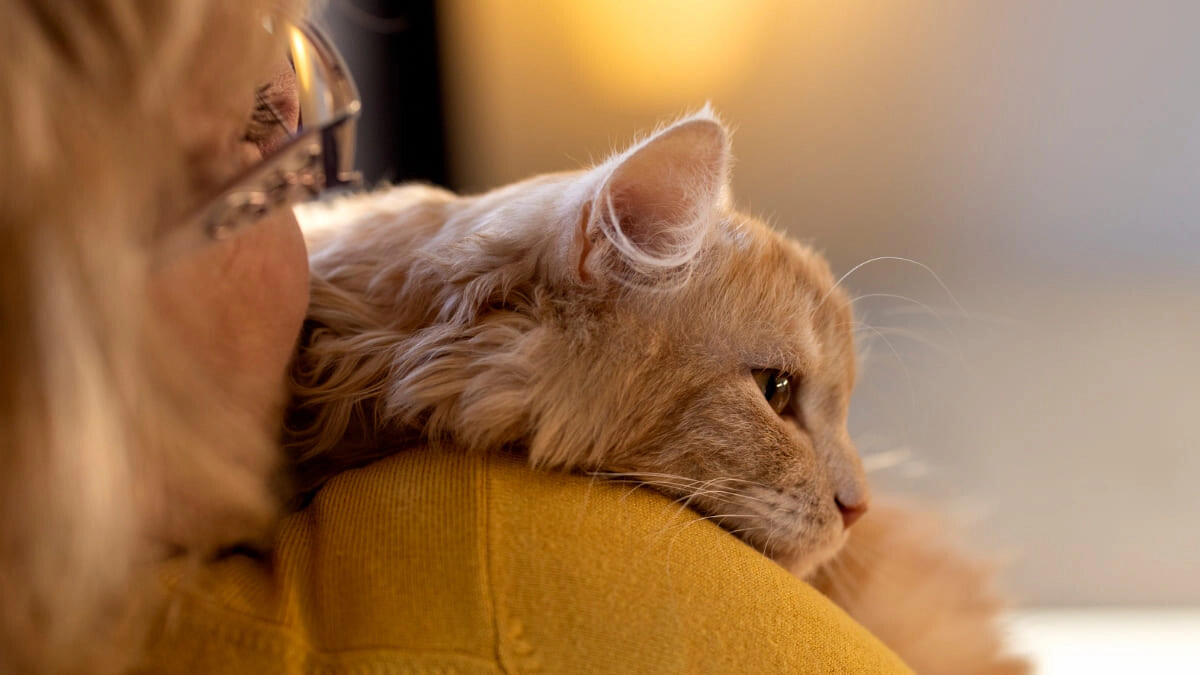
When stroking an aging cat's back, the spine or hip bones may feel more prominent than before, which is the first change most cat owners notice.
Read guide →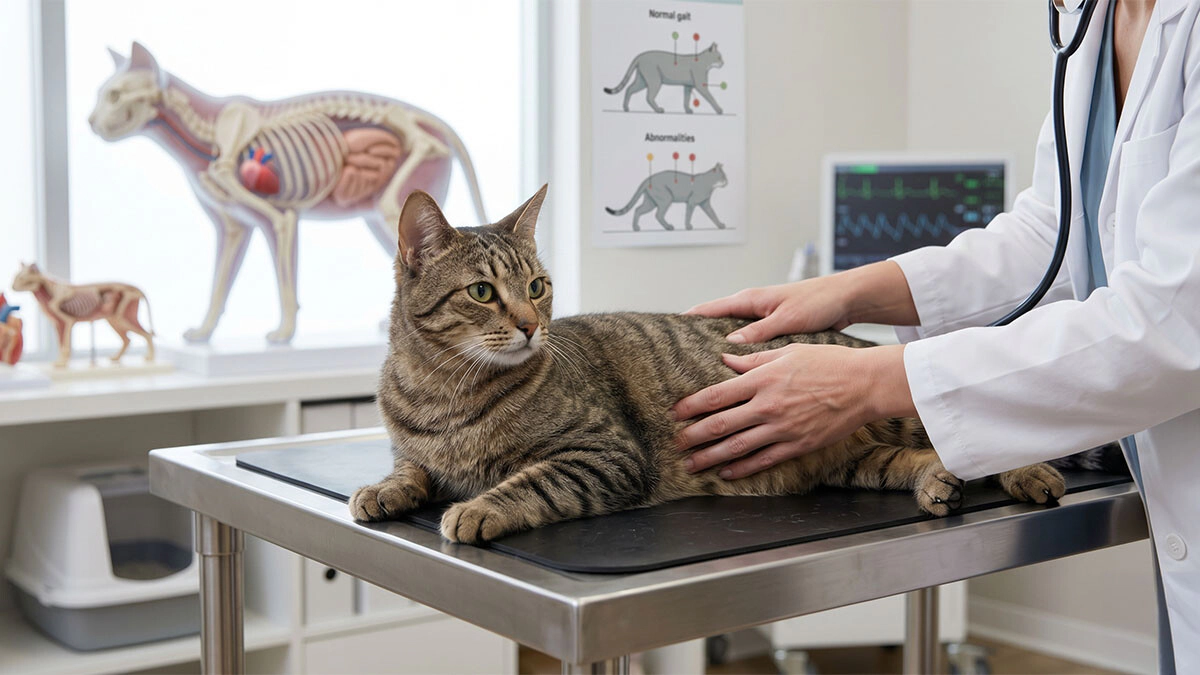
Cat Health
Cat Anatomy and Organs: Body Structure, Health Signs and Relationship with Diseases
A slight change in posture, a slight limp in gait, or a difference in litter box habits in cats can give clues about their body systems.
Read guide →
Cat Health
How to Acclimate Cats to Carrier Bags?
Does your cat hide, hiss, or resist with all its might the moment it sees the carrier? This reaction is described as carrier phobia in most homes…
Read guide →
Cat Health
What Should Be Considered After Vaccination in Cats?
Following your cat's vaccination schedule for health and a long life is one of the most critical decisions you will make as a pet owner.
Read guide →