How to Toilet Train a Kitten?
Adult cats tend to look for a sandy surface to relieve themselves. Although toilet training can be challenging for some adult cats, it is generally quite easy to get them used to adult litter boxes.
Advertisement
Adult cats tend to look for a sandy surface to relieve themselves. Although toilet training can be challenging for some adult cats, it is generally quite easy to get them used to adult litter boxes. However, when it comes to newborn kittens, some effort is needed to help them develop proper toilet habits. Kitten toilet training is completed quite quickly when the right steps are taken. In this article, you can find the answers to the question "how to toilet train a kitten?".
When Should Kittens Be Toilet Trained?
In the first few weeks after birth, kittens are toilet trained by their mothers. More precisely, during this early period, mothers enable the kittens to urinate and defecate. Therefore, kittens do not need to use litter at this stage. Toilet training in kittens begins approximately 1 month after birth. The goal of 1-month-old kitten toilet training is to introduce the kittens to cat litter boxes, get them used to their litter, and help them develop toilet habits.
Things to Consider When Toilet Training Newborn Kittens
It is recommended to wait until newborn kittens are 1 month old before toilet training them. During this period, their mothers will enable them to use the toilet. Kittens without mothers will need the support of their adoptive parents when they need to urinate and defecate. After one month, kitten litter training can begin.
First, You Must Choose the Right Cat Litter Box
The first step in litter training your kitten should be to obtain a litter box that meets your friend's needs. Kittens will not need very large litter boxes during their kittenhood. Choosing a small cat litter box that they can easily get in and out of will be a better choice. Cats are very clean and meticulous creatures. Therefore, experts recommend using one more litter box than the number of cats in the house. If you have only one kitten, it will be healthier to use two litter boxes, or if you have, for example, three cats, it will be healthier to use four litter boxes. You can find open, closed, or sieve cat litter box types by clicking here.
You Must Determine the Right Cat Litter
It is known that most cats prefer litters that feel soft to the touch. However, when choosing litter for kittens, it is recommended to introduce them to multiple alternatives. Some cats may be more comfortable with clumping cat litter, while others may prefer non-clumping cat litter. Therefore, leaving the choice to them is considered a more appropriate approach. After finding the right litter, you should try to cover the bottom of the litter box to the correct level. Too little or too much litter can reduce the comfort of cats.
You Must Place the Litter Box in the Right Place
Before starting litter training for your kitten, you should strategically determine the location of the litter box. The litter box should not be placed too close to your kitten's food and water bowls. The location of the litter box should be easily accessible and on the cat's route. In addition, you should make sure that the area designated for the litter box is not too noisy. If necessary, you can try a few different places to find the best location. During kitten litter training, you should also make sure that there are not too many distractions in the area where the litter box is located. Kittens may have difficulty concentrating.
You Should Clean Your Cat's Litter Box Frequently
One of the most important things to pay attention to when starting litter box training for kittens is the cleanliness of their litter boxes. It is recommended to clean their litter boxes after each use until they are completely used to it. In adulthood, the frequency of litter cleaning can be adjusted to 1-2 times a day.
Litter Box Training for Kittens
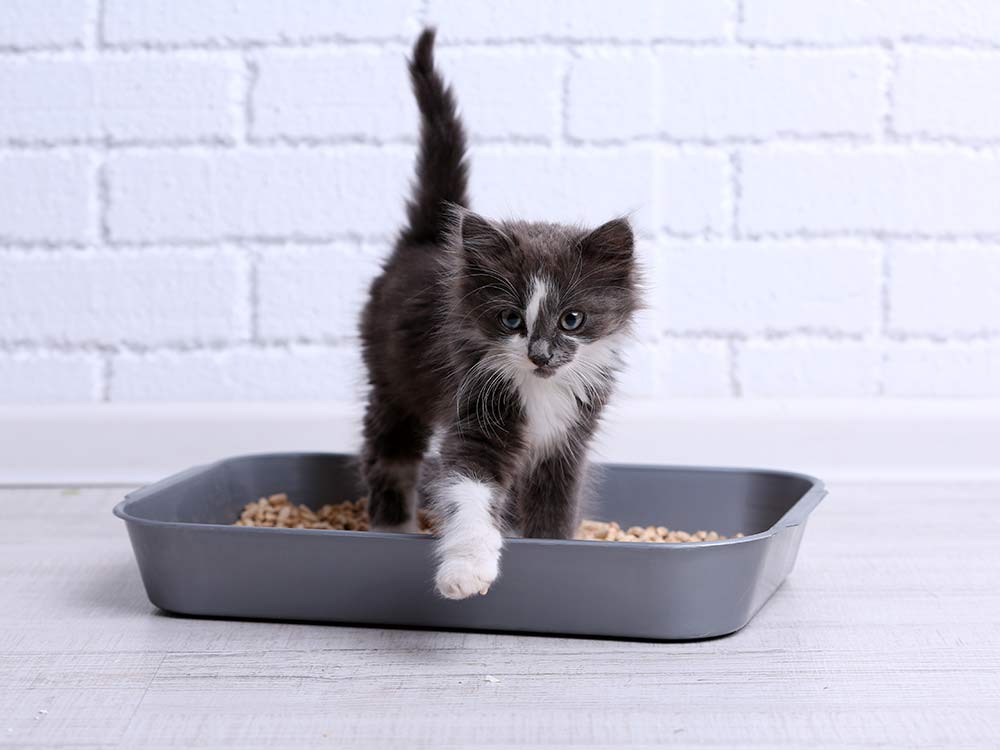
After finding a litter box and litter of the appropriate size for your kitten and placing its litter box in a suitable place, you can start the kitten litter box training process in simple steps.
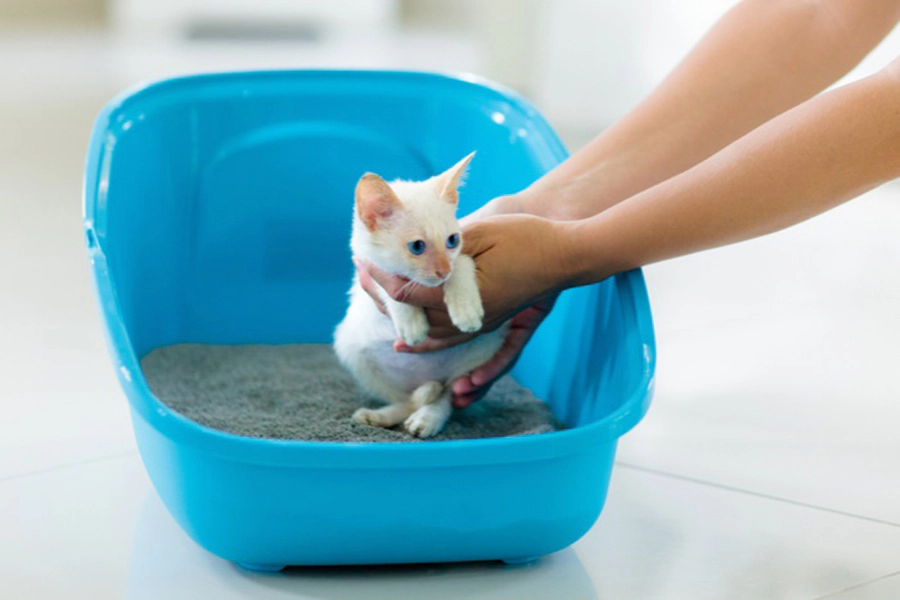
In the first step, you should introduce the litter box or boxes you have prepared for it to your kitten. You should allow them to explore and not force them during this process. You can conduct the introduction session a few minutes after they eat and drink. After they have sufficiently sniffed and explored the litter box, you can gently place the kitten in the litter. They may instinctively start pawing at the litter and may even urinate immediately. If they don't urinate the first time, they need to be taken back to their litter box after feeding and waking up. During kitten litter training, you may have to repeat the same behavior for a few days; during this process, you should be positive and contribute to the formation of habits that are associated with positive feelings in your kitten.
If Your Kitten's Toilet Training Fails…
If your attempts to litter train your kitten fail despite all your efforts, you may need to reconsider a few points. Are the cat litter boxes easily accessible? Are the cat litter boxes in a quiet location? Is the location of the cat litter box easily noticeable by the cats? If there are other cats in the house, are they preventing litter box use? You should be sure of the answers to questions like these. If there are no problems with the answers to these questions, you can try a different type of litter box. You can also increase the likelihood of your cat using the litter box more frequently. If you still don't get results from all these efforts and your cat doesn't use the litter box where it should, you can consult a veterinarian. Whether your cat has parasites, a urinary tract infection, or another medical problem can also affect the results of litter box training. Why Do Cats Vomit? Methods to Prevent Vomiting in Cats
Advertisement
Advertisement
Keep exploring
Continue reading

Cat Behavior & Training
Cat Sounds and Meanings: A Guide to Understanding Cat Communication from Meowing to Purring
When you start living with a cat, one of the first things you notice is how different their sounds are.
Read guide →
Cat Behavior & Training
Constant Meowing and Crying in Cats: Causes and Solutions
Constant meowing and crying in cats is one of the most common behavioral changes noticed by cat owners.
Read guide →
Cat Behavior & Training
Fecal Defecation Behavior Disorder
Defecation behavior disorder in cats is a common problem faced by many cat owners, naturally causing them concern.
Read guide →
Cat Behavior & Training
Cat Behaviors and Meanings According to Monthly Development
As cats go through life stages, their behaviors and needs also change. Living with kittens and witnessing their development is both enjoyable and…
Read guide →