Ideal Walking Time for Dogs
Dogs have different needs to be healthy and happy. Each dog should be fed according to its age, general health condition, and breed requirements. They need to interact with people and receive attention.

Advertisement
Dogs have different needs to be healthy and happy. Each dog should be fed according to its age, general health condition, and breed requirements. They need to interact with people and receive attention. Even if healthy, they should be taken to the veterinarian regularly and benefit from preventive health services. In addition to all this, regular exercise is among the basic needs of dogs.
Regardless of breed and age, all dogs should exercise and go for walks for a certain amount of time every day. Exercise and walks are beneficial for dogs not only physically but also mentally and emotionally. Walks allow dogs to smell interesting scents, interact with other people or dogs, and explore the big world outside. In addition, it can break up long periods of inactivity at home, alleviate boredom, and make the dog happier.
Some dogs have health problems that do not allow for long walks. In some dogs, fear, anxiety, or other problems can be significant obstacles to long walks. In such cases, it is necessary to act in accordance with the veterinarian's advice.
How Long Should the Walk Last?
It is not accurate to mention a standard duration for a dog's walking needs. The duration of the walk varies depending on the dog's age, breed, and other factors. Puppies need shorter walks than adult dogs. Although puppies have more energy, they are not as resilient as adults and therefore tire quickly. Therefore, it is best to take puppies for short but frequent walks. Walking 3-4 times a day for approximately 10 minutes is sufficient to meet the needs of puppies.
Older dogs can go on longer walks than puppies, but they still need to walk less than young adult dogs to avoid injuries to their joints and muscles. For adult dogs, 20-30 minute walks once or twice a day are sufficient. If your dog has no health problems, you can extend this time.
Adult dogs can go on longer walks than both puppies and older dogs. In fact, young adults need to walk and exercise for longer periods. The dog's breed, body type, and personality are important factors in determining the walking time. Many adult dogs enjoy going for walks. If you have the time, extending the walking time during the day is one of the things that will make your dog happiest.
Walks for smaller breeds such as Chihuahua, Maltese, Papillon, Pomeranian, and Yorkshire Terrier are generally shorter. Because these dogs have short legs, they need to take more steps to cover the same distance than larger breeds.

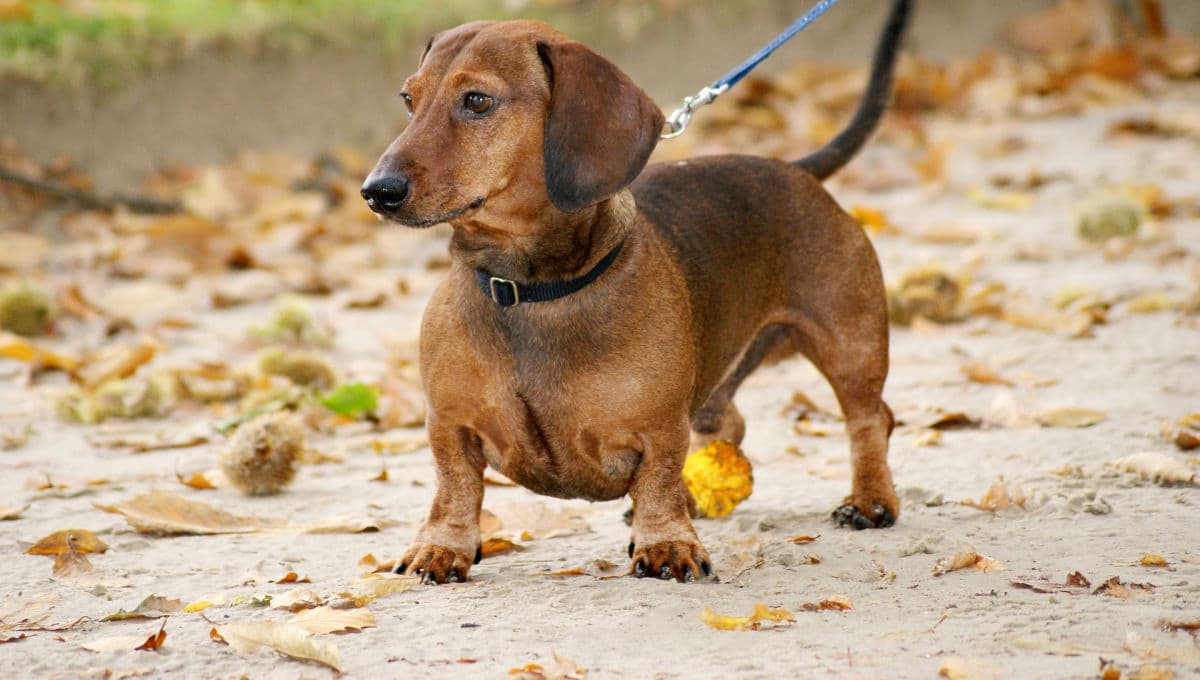
Brachycephalic breeds such as Boxers, Bulldogs, French Bulldogs, or Pugs should have short walks. Their short noses make it difficult for them to breathe. Increased respiratory rate, especially during exercise, can cause them strain. Dogs with long backs but short legs, such as Basset Hounds, Dachshunds, Pembroke Welsh Corgis, and Scottish Terriers, also generally have short walks. However, if a dog is healthy and enjoys walking, it doesn't mean it can't go for long walks. You can decide on the duration based on your dog's condition or consult a veterinarian.
For short, flat-faced, or small dog breeds, the recommended walking time is limited to 15-30 minutes, twice a day. It's better for your dog to do these walks during the cooler hours of the day. If your dog enjoys walking, you can increase the duration. Medium to large breeds such as Beagles, English Springer Spaniels, Golden Retrievers, or Labrador Retrievers can enjoy long walks. Walking helps these dogs stay healthy and fit. Athletic dogs such as Australian Shepherds, Border Collies, Huskies, Vizslas, or Weimaraners possess speed and endurance. These dogs not only enjoy long walks but also like to run and be active. They need plenty of exercise to stay calm and happy at home. Large and athletic breeds should have at least two walks a day for 30-60 minutes each. You can increase the frequency or duration of walks as long as your dog is happy.
Athletic dogs like Australian Shepherds, Border Collies, Huskies, Vizslas, or Weimaraners possess speed and endurance. These dogs not only enjoy long walks but also like to run and be active. They need plenty of exercise to stay calm and happy at home. Large and athletic breeds need at least two walks a day for 30-60 minutes. You can increase the frequency or duration of walks as long as your dog is happy.

The Right Time for a Walk
Although dogs tend to want to go outside at any time of day, early morning or sunset are ideal times for walks. The air is cooler at these times, allowing your dog to enjoy a pleasant walk without difficulty. Especially during the hot summer months, evening walks allow your dog to cool down and relax.

A Safe Walk is Extremely Important
You should always tailor dog walks to your dog's needs. If your dog is overweight or has health problems, always consult a veterinarian before starting a new walking routine. If you want to increase the length of walks, it's best to do so gradually over time. If your dog handles the walking intensity well, you can gradually increase the walking distance over a few days.
You should end walks before your dog becomes excessively tired. There are several signs that your dog is very tired. Slowing down, walking with its tongue hanging out, rapid breathing, lying down, or refusing to walk are the most common signs. If your dog is very tired, you can return home after allowing it to rest.
To avoid negatively affecting your dog's health, you should not take it for walks in hot weather. You should not allow your dog to be outside during midday hours in hot summer months. Hot weather is especially dangerous for dogs with dark-colored coats. In addition, excessive heat from pavements or asphalt can damage sensitive paw pads. The most dangerous problem that can occur during hot hours is heatstroke. Shortness of breath, excessive drooling, bluish discoloration of the tongue and gums, trembling, vomiting, diarrhea, and fainting are symptoms of heatstroke.
It is recommended to take water with you for your dog on walks longer than 30 minutes. Even in temperate climates, long walks can be tiring for dogs with long, thick coats. You can ensure that your dog completes the walk comfortably by carrying an extra bottle of water.
Finally, walking or spending time outdoors with your dog are extremely enjoyable activities. You should not remove your dog's leash during walks, which support the bond between dog and human. You can review dog leash models that you can choose according to your dog's walking habits and body here, and increase the safety of your enjoyable times.
Advertisement
Advertisement
Keep exploring
Continue reading

Dog Lifestyle & Guides
The Unseen Risks of Excess Weight in Small Breed Dogs
Small breed Weight gain in dogs sometimes progresses unnoticed. Extra food added to the food bowl, treats given during the day, food offered from the…
Read guide →
Dog Lifestyle & Guides
Dental Health and Its Importance in Dogs
Dental health in dogs is often Bad breath doesn't become a concern until it's noticed. However, the problem often begins before the odor: Plaque…
Read guide →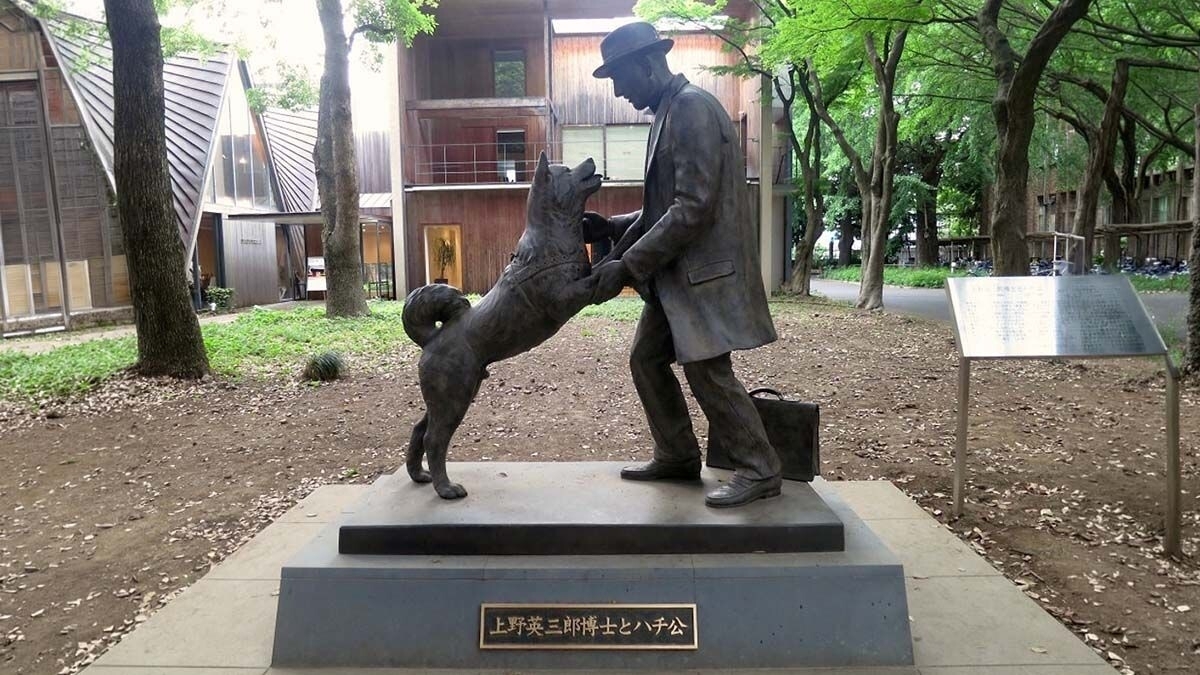
Dog Lifestyle & Guides
Hachiko: The True Story and Monument of the Dog Symbolizing Loyalty
The crowd gathered in front of the Hachiko statue in Shibuya shows that a wait that began years ago is not forgotten today.
Read guide →
Dog Lifestyle & Guides
Nasal Discharge in Dogs
If your dog has a runny nose, the first question that usually comes to mind is: Is this normal, or is there something I should be concerned about?
Read guide →